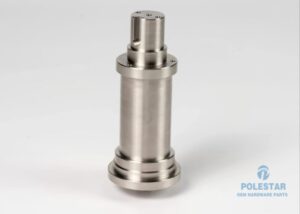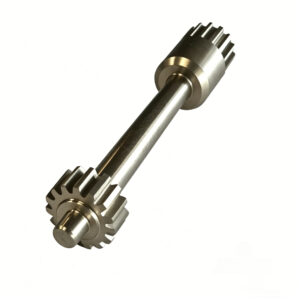
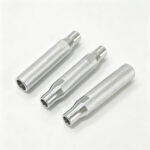
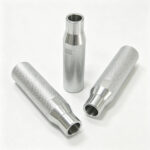
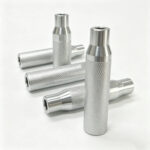
High-Quality 304 306 Stainless Steel Knurled Shaft Extremely Corrosion-Resistant Brass Knurled Spindle ISO 9001
Request a Quote
Enter the quantity you need and add to your quote list for pricing inquiries.
Product Details
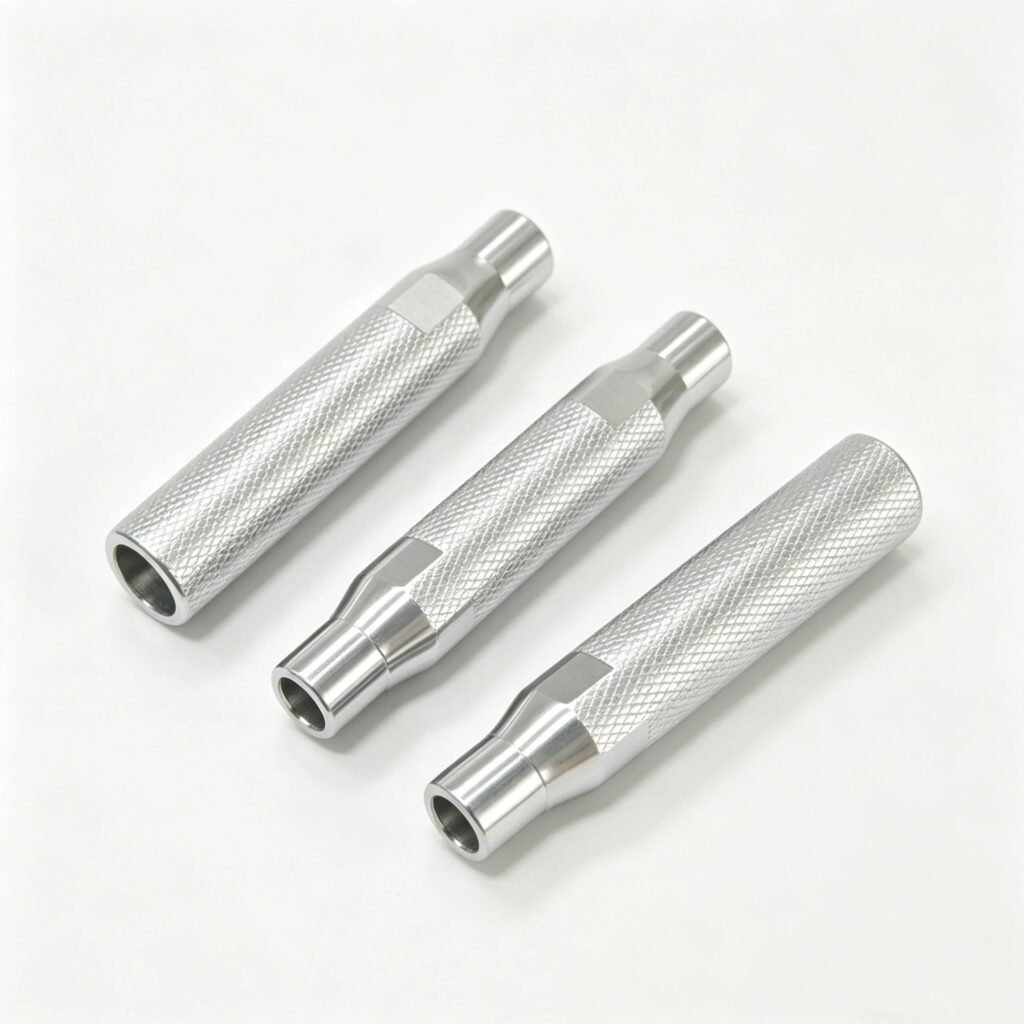
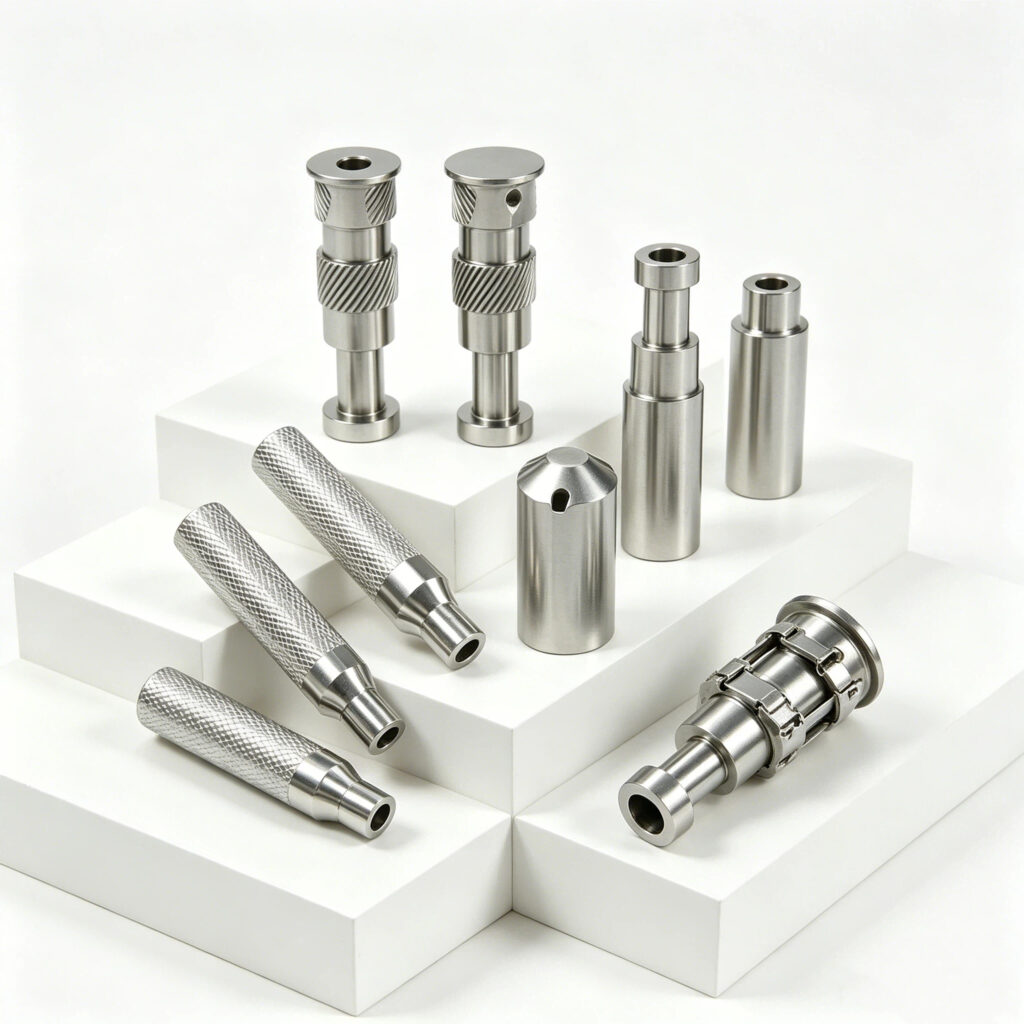
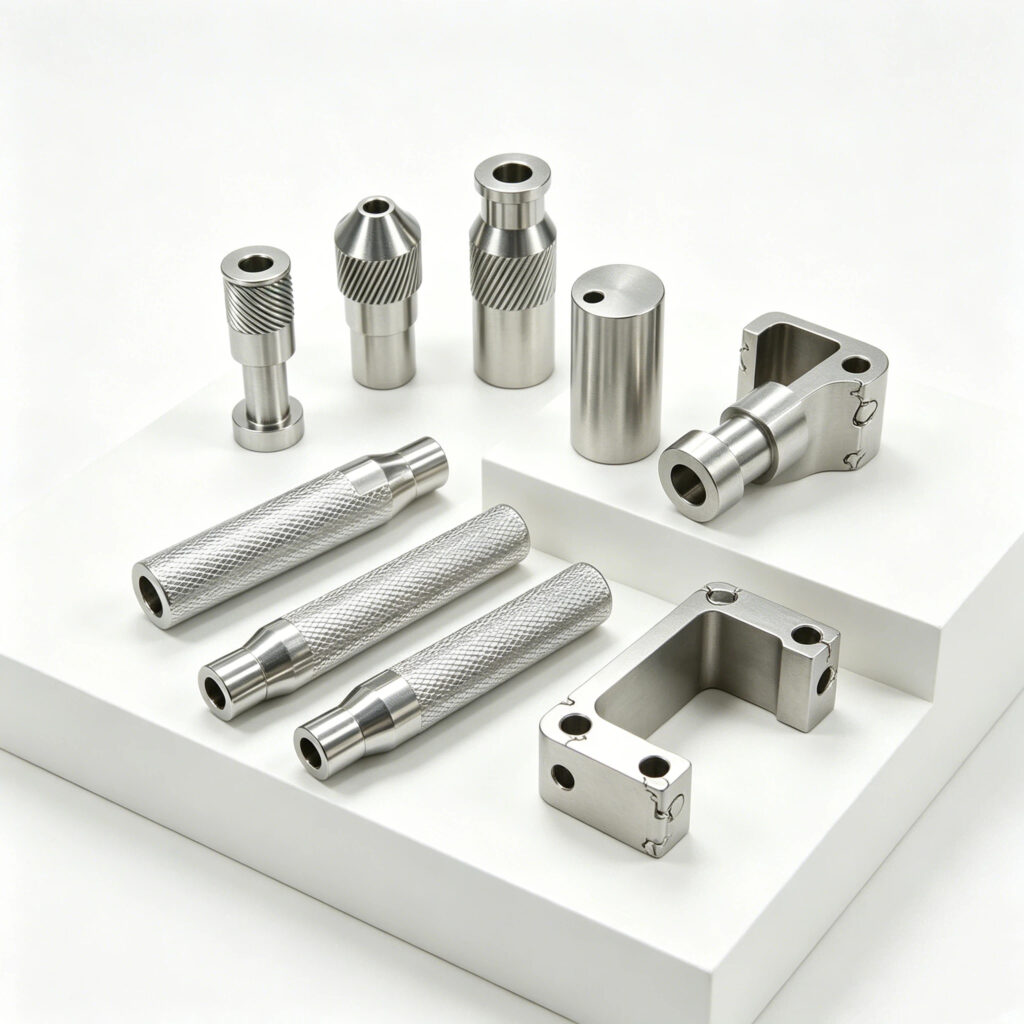
Knurled shafts are precision-machined cylindrical components featuring diamond or straight-line surface textures that increase friction coefficients by 30–50% compared to smooth surfaces. DIN 82-standardized patterns ensure repeatable grip performance for torque transmission, adjustment controls, and press-fit assemblies across industrial machinery.
What is a Knurled Shaft?
A knurled shaft is a rotating or stationary cylindrical element with a surface texture generated through cold-forming knurling wheels. The process displaces material to create raised ridges (0.2–0.5 mm depth) that enhance tactile feedback and mechanical engagement. Standard patterns include diamond (30°/45°), straight (axial), and helical configurations per DIN 82 RAA/RGE/RGV classifications.
Materials of Knurled Shaft:
- 1215 Free-Machining Steel: 12L14 leaded alternative for cost-sensitive applications
- 303 Stainless Steel: 18% Cr, 8% Ni austenitic grade for corrosion resistance
- 6061-T6 Aluminum: Lightweight option with excellent anodizing response
- 360 Brass: Superior knurl formation due to 35% Zn content
- Delrin/PEEK: Engineering polymers for electrical insulation requirements
Surface Treatments of Knurled Shaft:
- As-Knurled: Cold-formed texture with work-hardened surface (HV +15%)
- Black Oxide: MIL-DTL-13924 conversion coating for corrosion protection
- Hard Anodizing: 25–50 μm Type III coating on aluminum (HV 400–500)
- Passivation: Citric acid treatment for stainless steel per ASTM A967
- Teflon Impregnation: PTFE coating reducing friction coefficient to 0.05–0.10
Application Fields :
- Industrial adjustment knobs and control levers
- Fitness equipment grip shafts (barbells, dumbbells)
- Medical device calibration controls
- Automotive throttle and choke cables
- Precision instrument focusing mechanisms
- Robotics joint torque transmission
Product Advantages of Stainless Steel Knurled Shaft:
Knurled shafts provide deterministic grip enhancement without auxiliary components. The DIN 82 RGE 0.8 pattern increases static friction coefficient from 0.3 (smooth steel) to 0.5–0.6, reducing slippage in oily environments. Diameter expansion (0.5–1.5 mm) from knurling enables interference fits without adhesives, improving torque transmission by up to 25% in metal-to-polymer assemblies.
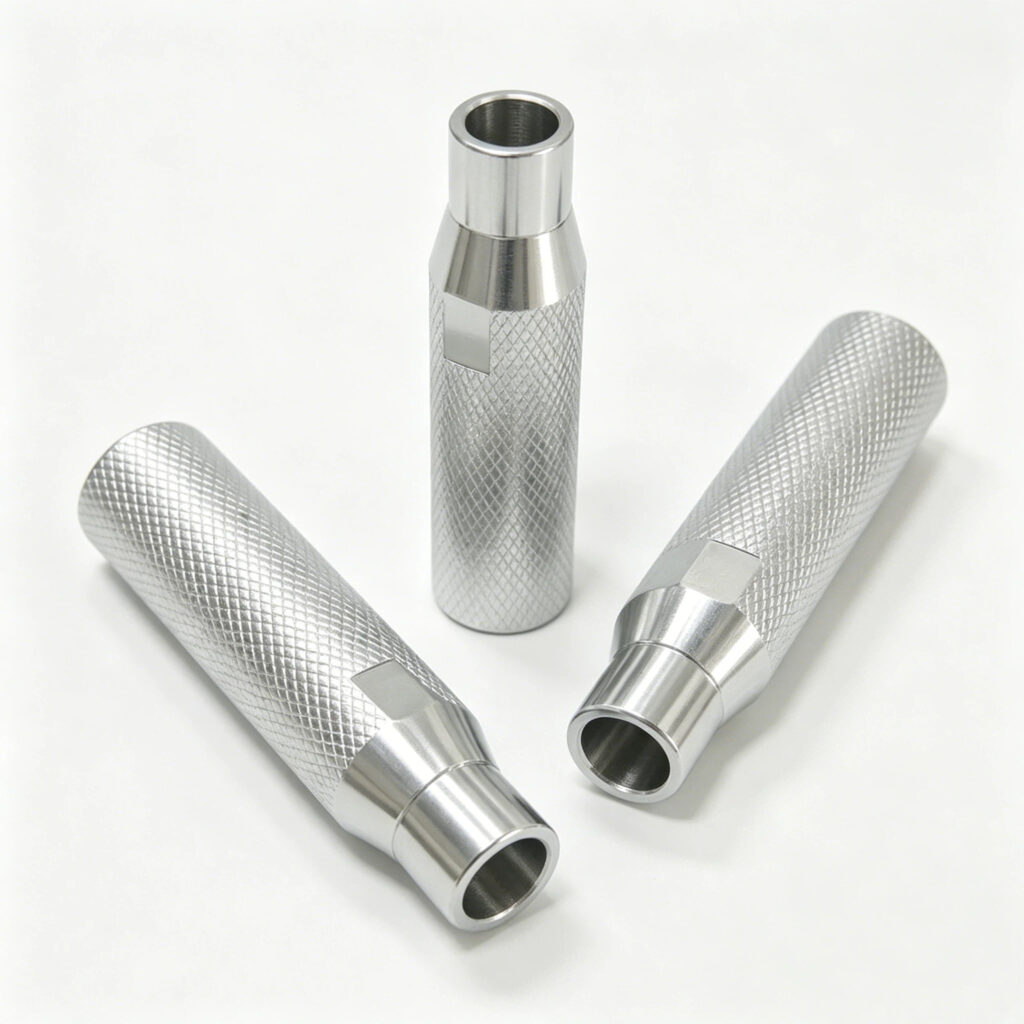
Excellent Case of Stainless Steel Knurled Shaft:
Selection:
A leading automotive manufacturer required precision components for the assembly of a new engine system. One of the key components involved was a knurled shaft used in the engine’s rotary system. The manufacturer needed a solution that provided a secure grip, high strength, and resistance to wear and tear under extreme conditions. After reviewing various options, the company selected a knurled shaft made from stainless steel, ensuring both durability and corrosion resistance, particularly important for high-temperature applications in automotive environments.
Result:
The knurled shaft successfully provided the necessary grip and stability for the engine system. The textured surface of the shaft allowed for easy rotation and control, reducing slippage during operation. The stainless steel material ensured that the shaft maintained its integrity even under high temperatures and heavy stress, leading to increased system efficiency. The manufacturer reported a 25% reduction in maintenance costs due to the knurled shaft’s long-lasting performance and its ability to withstand the harsh conditions of engine operation. The solution also contributed to smoother engine performance, enhancing the overall reliability of the vehicle.
Why Choose Us?
We maintain DIN 82-certified knurling tools with <0.01 mm pitch accuracy, ensuring pattern consistency across 500–50,000 unit production runs. In-process diameter monitoring (±0.005 mm) prevents double-tracking defects. Material certifications, surface roughness reports (Ra 0.8–3.2 μm), and 100% visual inspection accompany every shipment.
FAQs about Stainless Steel Knurled Shaft:
Q: Can knurled shafts be used for rotary seals?
A: Generally not recommended—the texture disrupts lip seal contact. Consider smooth shaft sections with knurled grip areas, or specify polished sealing surfaces (Ra 0.2 μm) adjacent to knurled zones.
Q: What is the maximum knurl depth before fatigue concerns?
A: Depth should not exceed 5% of shaft diameter for cyclic loading applications. Standard 0.3 mm depth on 20 mm diameter shafts presents negligible stress concentration (Kt < 1.1).