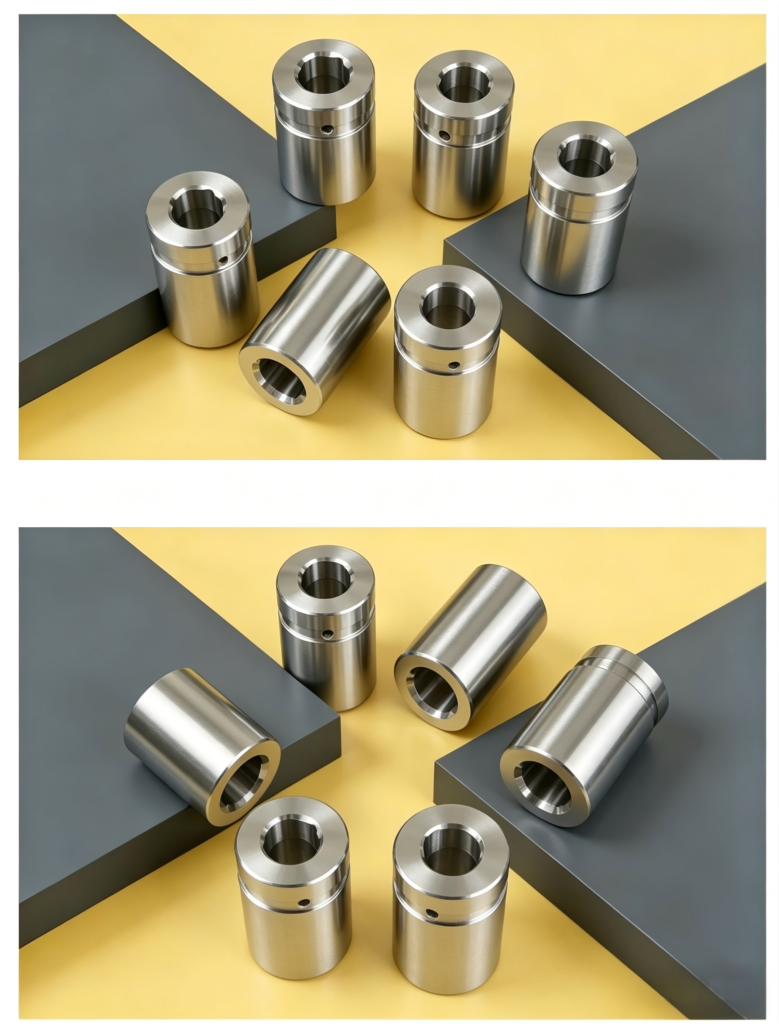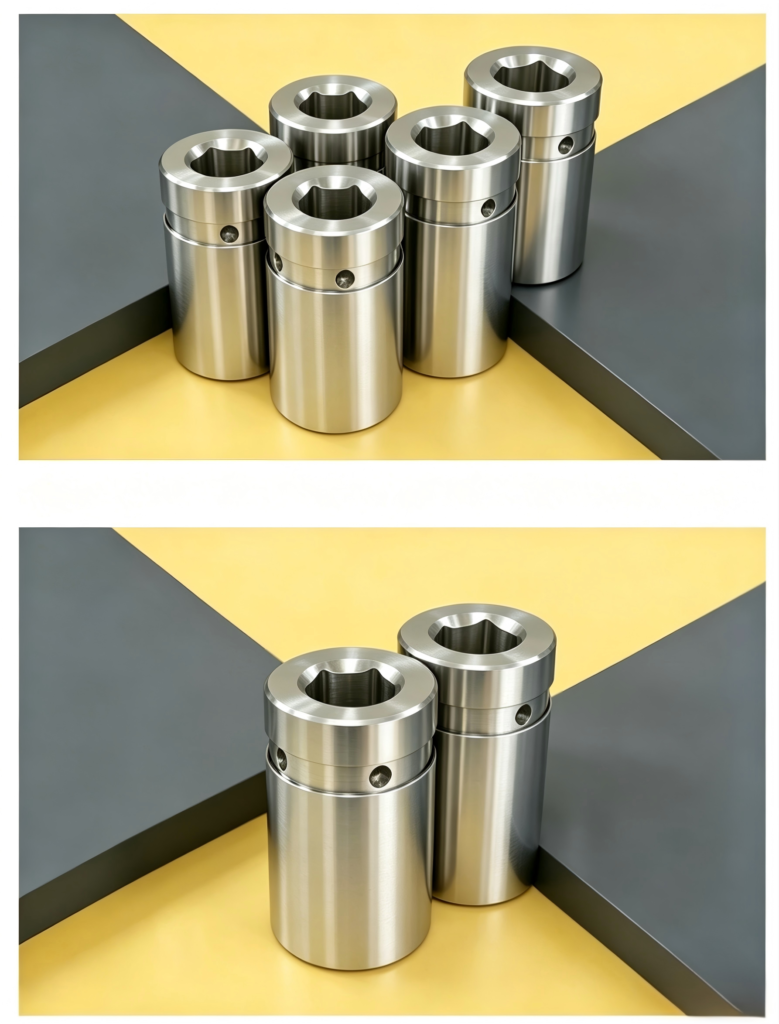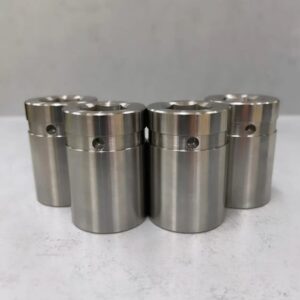
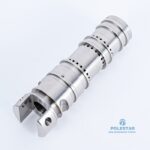
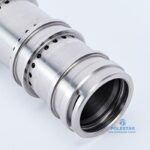
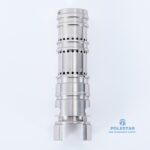
Ultra Reliable Machined Shaft for Industrial Equipment with Optimized Wear Resistance and Stability
Request a Quote
Enter the quantity you need and add to your quote list for pricing inquiries.
Description
What Is a Machined Shaft?
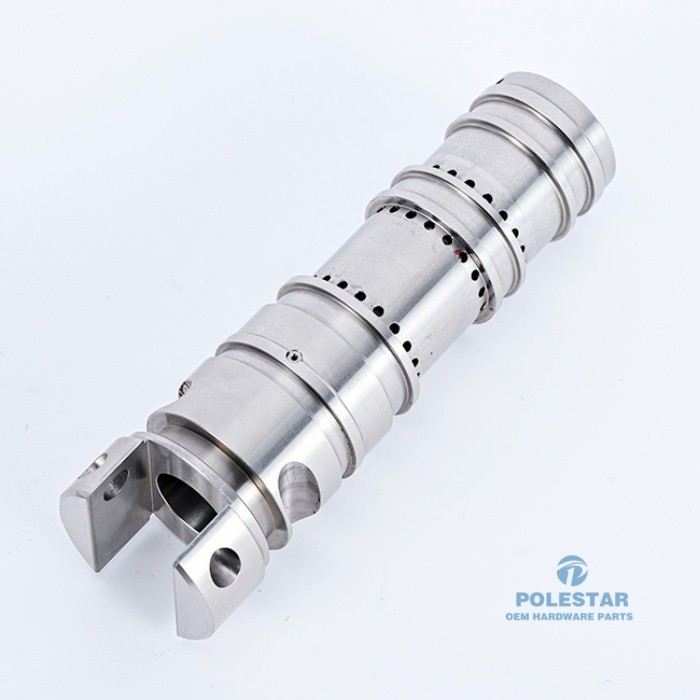
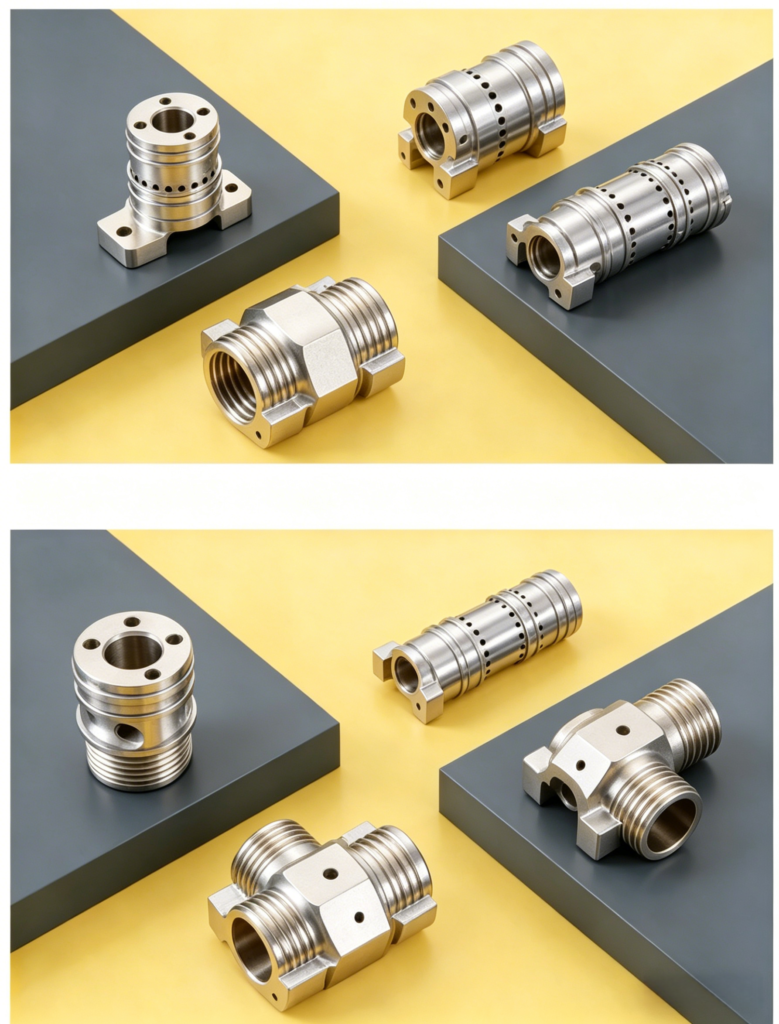
A machined shaft is a cylindrical mechanical component manufactured through precision machining processes such as CNC turning, milling, and grinding. It is designed to transmit torque, support rotating elements, or maintain alignment between moving parts in mechanical systems. They are widely used in industries including automotive, aerospace, industrial automation, and energy equipment.
Unlike standard shafts, a machined shaft is typically customized to meet exact dimensional tolerances, surface finish requirements, and material specifications. This ensures optimal performance, durability, and compatibility with surrounding components such as bearings, gears, and couplings.
Key Manufacturing Processes:
- CNC Turning: Core shaping process for achieving precise diameters and concentricity
- CNC Milling: Used for keyways, slots, and complex geometries
- Grinding: Enhances surface finish and tight tolerance control
- Heat Treatment: Improves hardness, strength, and wear resistance
- Surface Finishing: Includes anodizing, plating, or polishing for corrosion resistance
Materials Used in Machined Shafts:
Material selection is critical to performance. Common materials include:
- Carbon Steel: Cost-effective with good strength
- Alloy Steel: Enhanced mechanical properties for high-load applications
- Stainless Steel: Excellent corrosion resistance for harsh environments
- Aluminum: Lightweight and suitable for low-load or high-speed applications
- Titanium: High strength-to-weight ratio for aerospace and advanced engineering
Each material can be further optimized with coatings or treatments depending on operational conditions.
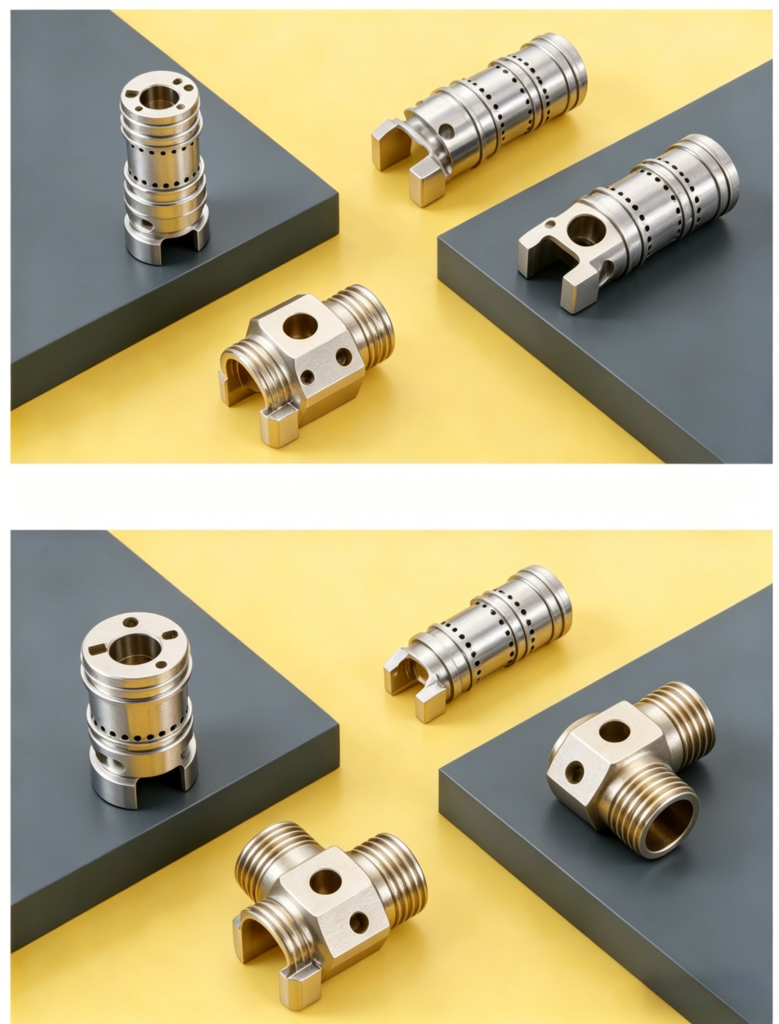
Applications Across Industries:
- Automotive: Transmission shafts, drive shafts, steering systems
- Industrial Machinery: Rotating equipment, conveyors, pumps
- Aerospace: Precision control systems and engine components
- Energy Sector: Wind turbines, generators, oil & gas equipment
- Medical Devices: High-precision rotating instruments
Design Considerations:
When designing a machined shaft, engineers must consider:
- Tolerance and Fit: Ensures compatibility with bearings and assemblies
- Load Capacity: Determines diameter and material strength
- Surface Finish: Impacts friction and wear resistance
- Operating Environment: Temperature, humidity, and corrosion exposure
- Balance and Alignment: Critical for high-speed rotation
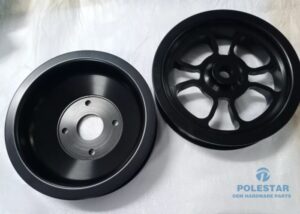
Case Study: Machined Shaft in Polestar EV Systems
In electric vehicle manufacturing, precision and reliability are crucial. A notable example is the use of machined shafts in drivetrain systems for high-performance EV brands such as Polestar.
In this case, customized machined shafts were developed to meet strict requirements for:
- High rotational stability at elevated speeds
- Lightweight design to improve energy efficiency
- Superior surface finish to reduce friction and noise
By utilizing advanced CNC machining and optimized material selection, the shafts contributed to improved drivetrain efficiency and long-term durability, aligning with the performance expectations of modern electric vehicles.
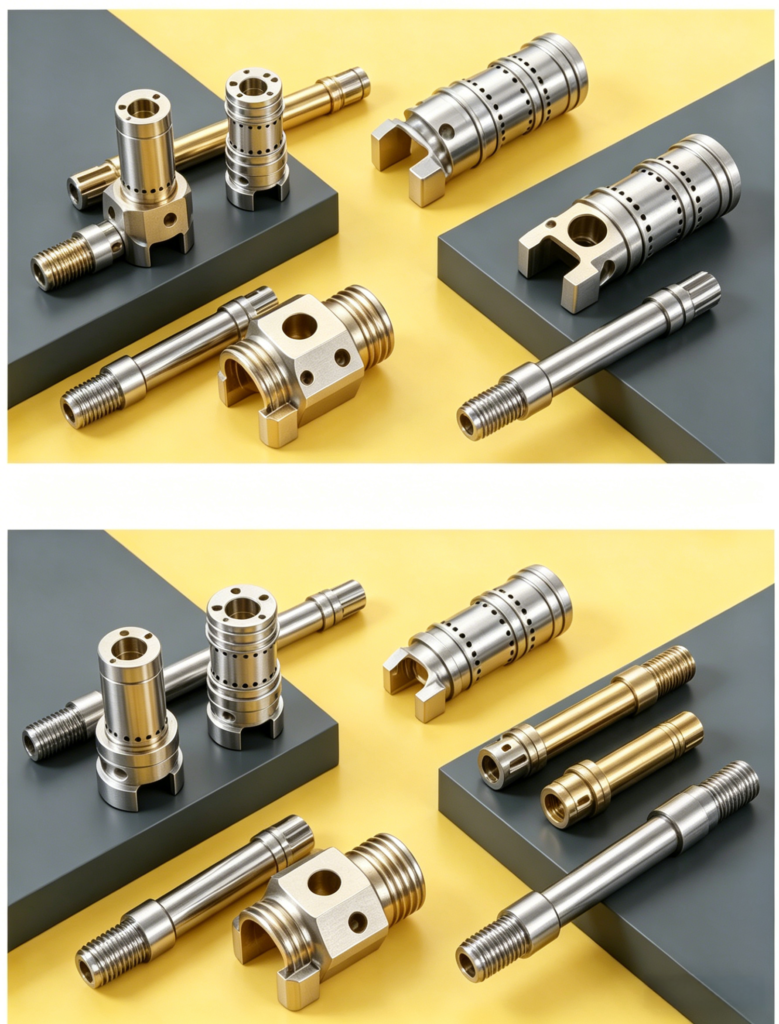
Quality Control and Inspection:
- Coordinate Measuring Machine (CMM) for dimensional accuracy
- Surface Roughness Testing
- Hardness Testing
- Non-Destructive Testing (NDT) for internal defects
Advantages of Custom Shafts:
- Tailored design for specific applications
- Higher precision compared to off-the-shelf components
- Improved performance and longevity
- Flexibility in material and surface treatment selection
This makes custom solutions ideal for demanding engineering environments.
FAQ:
Q1: What tolerance can be achieved for a machined shaft?
A: High-precision CNC machining can achieve tolerances as tight as ±0.001 mm, depending on design and material.
Q2: Which material is best for a machined shaft?
A: It depends on the application. Stainless steel is ideal for corrosion resistance, while alloy steel is better for high-strength requirements.
Q3: Can machined shafts be customized?
A: Yes, most shafts are fully customizable in terms of size, geometry, material, and surface finish.
Q4: What surface treatments are available?
A: Common options include anodizing, zinc plating, nickel plating, and polishing.
Q5: What industries commonly use machined shafts?
A: Automotive, aerospace, industrial equipment, energy, and medical sectors all rely heavily on machined shafts.
Conclusion:
A machined shaft is a critical component that directly impacts the performance and reliability of mechanical systems. With advancements in CNC machining and material engineering, modern machined shafts deliver exceptional precision, durability, and adaptability across industries.
If your project requires high-performance rotating components, investing in a custom shaft solution can significantly enhance your product’s overall quality and efficiency.