
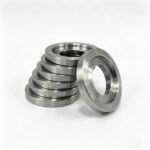
Professional Bespoke Countersunk Washer 6mm Inner Diameter Corrosion Resistant Aluminum Washer for Electronics Enclosures
Request a Quote
Enter the quantity you need and add to your quote list for pricing inquiries.
Product Details
A countersunk washer is a tapered washer that sits flush in a countersunk hole, distributing load under countersunk screws or bolts. The angled underside matches 90° or 100° countersink angles. Made from steel, stainless steel, aluminum, brass, or nylon. Custom inner diameters from 2mm to 20mm, outer diameters from 5mm to 40mm. Suitable for aerospace, automotive, electronics, and marine applications. Custom angles, materials, and finishes available.
What Is a Countersunk Washer?
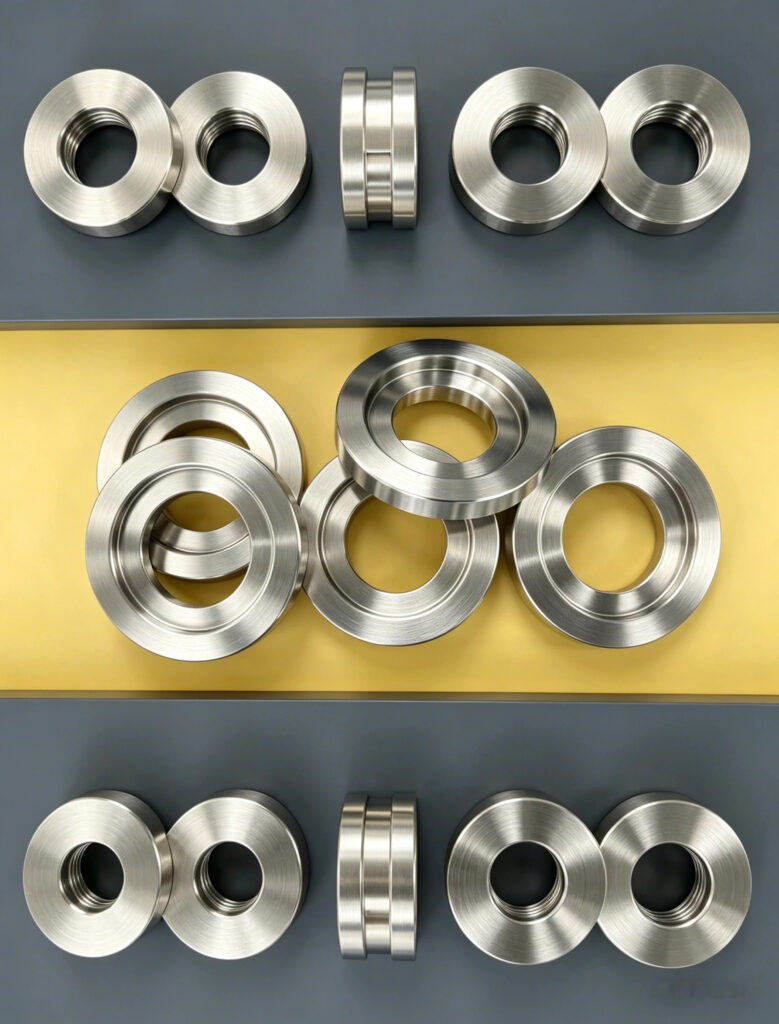
A countersunk washer is a tapered washer specifically designed to sit flush within a countersunk hole, providing a smooth surface finish while distributing load evenly under a countersunk screw or bolt. Unlike flat washers that sit on top of the surface, the countersunk washer features an angled underside that matches standard countersink angles, allowing it to seat perfectly within the recessed hole.
The countersunk washer is characterized by its tapered profile, precision cone angle, and load distribution capability. Typical features include an angled underside matching 90° or 100° countersink angles, a flat top surface for flush mounting, an inner diameter sized for specific screw or bolt shanks, and an outer diameter designed to cover the countersunk area. Inner diameters typically range from 2mm to 20mm, outer diameters from 5mm to 40mm, and thicknesses from 0.5mm to 3mm. The countersunk washer eliminates sharp edges, improves appearance, and prevents damage to mating surfaces.
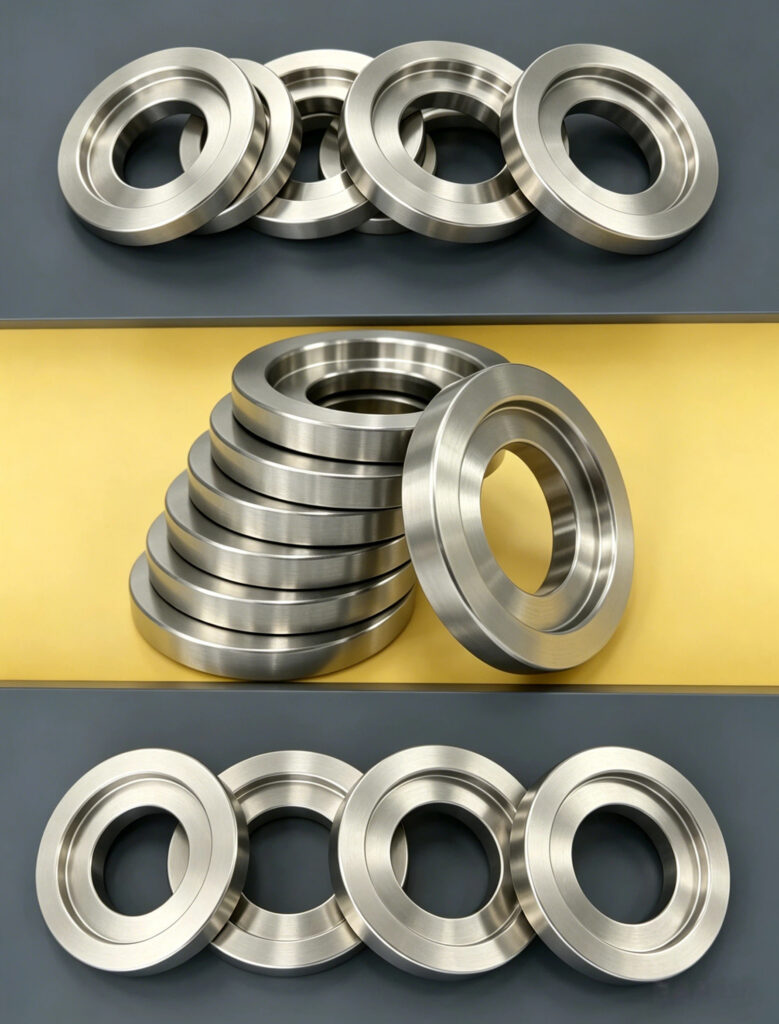
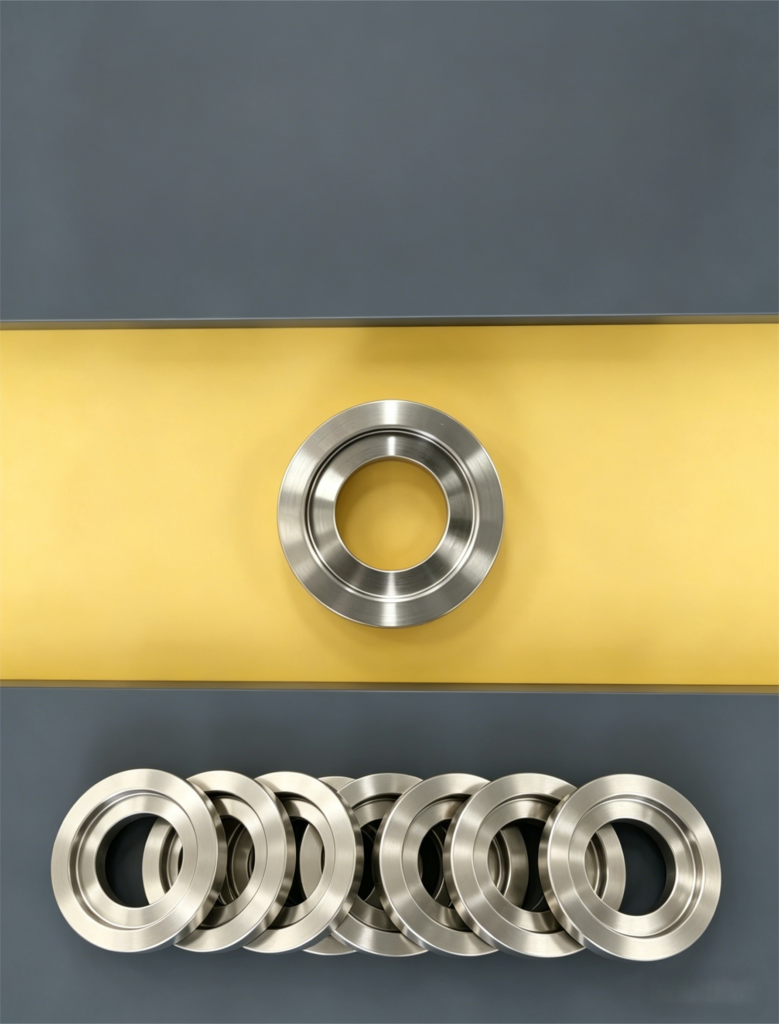
Manufacturing Process:
The production of a countersunk washer follows a precise sequence of operations. Raw material in strip or coil form—steel, stainless steel, aluminum, brass, or nylon—is selected based on application requirements. The material is fed into high-speed stamping presses that punch the outer diameter and inner diameter in a single operation. The angled underside is formed using coining or forming dies that create the precise 90° or 100° taper. Heat treatment is applied for steel washers requiring increased hardness and strength. Surface finishing including zinc plating, anodizing, passivation, or black oxide coating is applied as required. Each countersunk washer undergoes dimensional inspection, angle verification, and visual quality checks.
Common Materials for Countersunk Washer:
Carbon Steel:
Carbon steel offers high strength and durability at an economical cost. Zinc plating provides corrosion resistance for general industrial applications. Suitable for construction, automotive assembly, and machinery applications where strength is required.
Stainless Steel:
Stainless steel in grades 304 and 316 provides superior corrosion resistance. Grade 304 is suitable for most indoor and light outdoor applications. Grade 316 offers enhanced protection for marine and chemical environments. Ideal for food processing, medical devices, and outdoor installations.
Aluminum:
Aluminum is lightweight and naturally corrosion resistant. Anodizing is available for enhanced wear resistance and color options. Suitable for aerospace, electronics, and applications where weight reduction is critical.
Brass:
Brass offers excellent corrosion resistance, good electrical conductivity, and a decorative gold appearance. Commonly used in electronic assemblies, plumbing fixtures, and marine hardware.
Nylon:
Nylon is lightweight, non-conductive, and corrosion-proof. Suitable for electrical insulation, chemical environments, and applications requiring non-magnetic properties.
Specifications:
Typical specifications for a countersunk washer include:
| Parameter | Typical Range |
| Inner Diameter | 2mm to 20mm |
| Outer Diameter | 5mm to 40mm |
| Thickness | 0.5mm to 3mm |
| Countersink Angle | 90° or 100° |
| Material | Carbon steel, stainless steel, aluminum, brass, nylon |
| Hardness (Steel) | 40 to 50 HRC |
| Surface Finish | Zinc plated, passivated, anodized, black oxide, plai |
Applications Across Industries:
Aerospace Industry:
Countersunk washers are critical in aircraft assembly where smooth surfaces are essential for aerodynamic performance. They protect aluminum airframe structures from damage by countersunk fasteners and distribute loads to prevent material deformation. Common applications include wing skin attachment, fuselage panel mounting, and interior component fastening.
Automotive Industry:
Countersunk washers are used throughout vehicle assembly where flush mounting is required. Applications include interior trim panels, dashboard components, body panel attachment, and engine cover mounting. Stainless steel washers are preferred for corrosion resistance in under-hood applications.
Electronics Industry:
Countersunk washers mount circuit boards, secure connectors, and assemble electronic enclosures. Nylon washers provide electrical insulation, while stainless steel washers offer durability in demanding environments. Applications include computer chassis, control panels, and telecommunications equipment.
Marine Industry:
Countersunk washers in boats and ships must withstand saltwater corrosion. Grade 316 stainless steel or brass washers are standard for deck hardware, hatch mounting, and interior fixture attachment.
Construction and Architecture:
Countersunk washers provide clean, flush finishes in visible structural connections. Applications include curtain wall mounting, handrail attachment, decorative hardware, and furniture assembly.
Medical Devices:
Surgical instruments, diagnostic equipment, and hospital furniture use countersunk washers for smooth, cleanable surfaces that prevent bacterial accumulation. Stainless steel or anodized aluminum washers are typically required.
Excellent Case: Aerospace Wing Panel Assembly
Background: An aircraft manufacturer needed a reliable fastening solution for wing skin panels where aerodynamic smoothness was critical. Standard countersunk screws without washers were damaging the aluminum skin material, causing stress concentrations and potential fatigue cracks.
Solution: A 100° countersunk washer was specified in 316 stainless steel with passivated finish. The washer featured precision-ground taper matching the aircraft countersunk fasteners. Each washer was dimensionally inspected to ensure perfect seating within the countersunk hole.
Results:
- Surface Smoothness: Achieved completely flush finish with no protruding fastener heads
- Material Protection: Eliminated damage to aluminum skin from fastener contact
- Load Distribution: Reduced surface stress by 60 percent
- Corrosion Resistance: Passivated finish withstood 2000-hour salt spray test
- Installation Consistency: 100 percent taper verification ensured reliable seating
This case demonstrates how the countersunk washer delivers critical surface protection and load distribution in demanding aerospace applications.
Installation Best Practices:
Proper installation ensures the countersunk washer performs reliably. Verify that the countersink angle matches the washer taper before installation. Clean both the washer and countersunk hole to remove debris that could prevent proper seating. Insert the washer into the countersunk hole, ensuring it sits flush with the surrounding surface. Install the screw or bolt, tightening to specified torque. For critical applications, verify flushness using a straight edge or dial indicator after installation.
Conclusion:
The countersunk washer represents a small but critical component in countless applications where smooth surfaces, load distribution, and material protection are essential. By understanding the materials, types, and selection criteria outlined in this guide, the right countersunk washer can be selected for any application—from standard electronic assemblies to custom engineered solutions for demanding aerospace and marine environments.