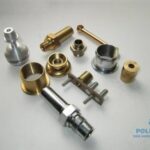
Reliable 42 CrMo CNC Positioning Pin Wear-Resistant ISO 9001 Printing Assembly
Request a Quote
Enter the quantity you need and add to your quote list for pricing inquiries.
Product Details
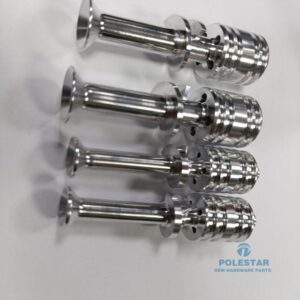
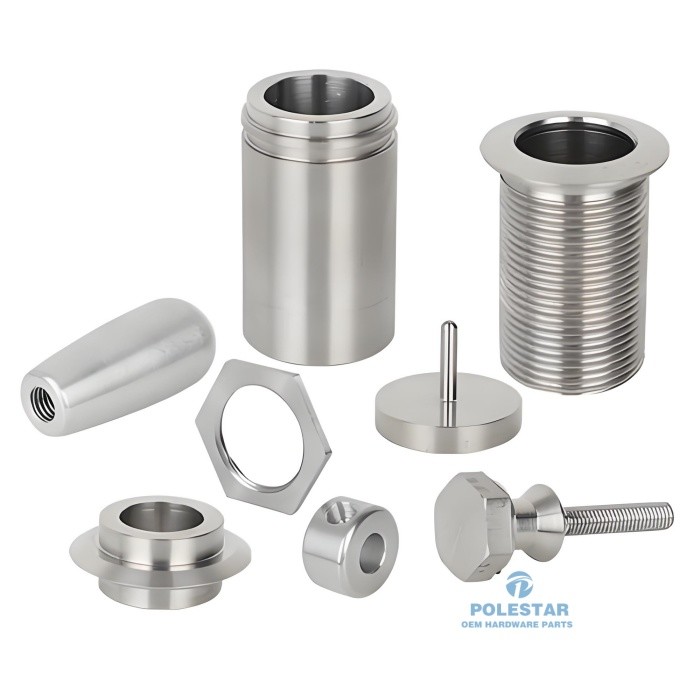
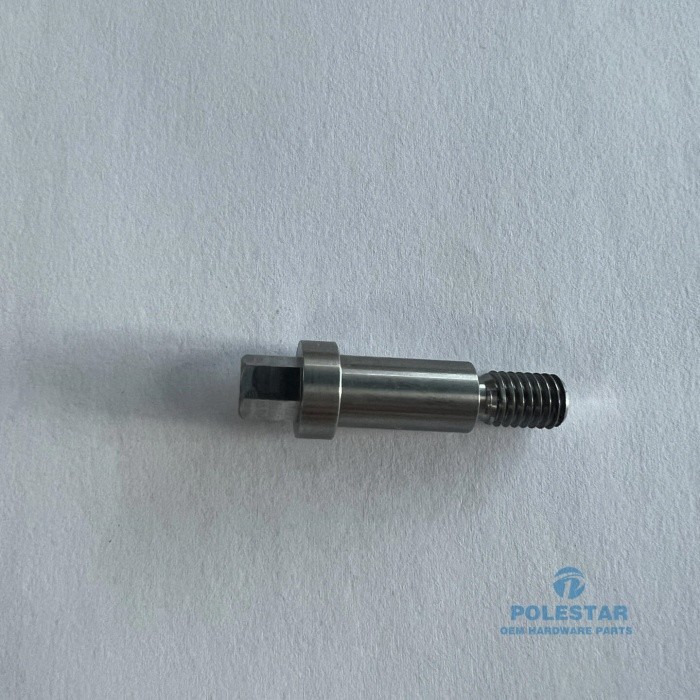
Positioning pins (or locating pins) are engineered to provide exact, repeatable positioning of components during manufacturing or assembly. Typically used in pairs, they establish a precise datum point for workpieces, preventing movement during machining. They feature a precision-ground head for insertion into the workpiece and a shank for press-fit or threaded installation into a fixture. Standard configurations utilize tool steel with hardness ratings of 60-63 HRC for high wear resistance in serial production environments.
What is a Positioning Pin?
A positioning pin is a precision fastener used to locate and secure workpieces relative to a fixture, machine table, or assembly line. It ensures repeatable alignment by controlling X and Y axes, typically operating with tolerances of ±0.01mm. These components are essential for high-volume manufacturing where consistent alignment reduces errors and cycle times, utilizing a hardened head for location and a shank for mounting.
Material Positioning Pin:
| Material | Key Data |
| Alloy Steel | Hardened 60–63 HRC |
| Stainless Steel | 303 / 316 / 440C |
| Ceramic | Zirconia, 1,200 MPa |
| PEEK | 250°C max, non-magnetic |
Surface Finish for Positioning Pin:
| Finish | Key Data |
| Black Oxide | 0.5 µm thickness |
| Hard Chrome | 3,000 Vickers, 25 µm |
| Electroless Nickel | 5–10 µm, uniform |
| Passivated | ASTM A967 |
Application Fields of Positioning Pin:
Positioning pins are used across automated manufacturing sectors.
- In automotive welding lines, they align body panels and engine components with cycle times under 30 seconds.
- In electronics assembly, pins of 4mm diameter position PCBs for soldering with ±0.02mm accuracy.
- Mold and die applications rely on them to align mold halves under clamping forces exceeding 50 tons.
- Aerospace uses corrosion-resistant stainless steel pins for structural component alignment where failure tolerance is zero.
Polestar Excellent Case about Positioning Pin:
A Tier 1 automotive supplier experienced premature wear on standard locating pins in a door welding cell, causing downtime every 80,000 cycles. The facility replaced existing components with hardened tool steel positioning pins (62 HRC) featuring a diamond-shaped head to accommodate thermal expansion in the weld environment. Each locating pin was hard chrome plated to 3,000 Vickers to resist welding spatter adhesion. After implementation, the locating pin achieved a lifespan of 550,000 cycles with no loss of alignment accuracy. The locating pin configuration maintained ±0.01mm repeatability throughout production, reducing scrap by 18% and eliminating unplanned maintenance over a six-month period. This locating pin upgrade resulted in annual cost savings of $47,000 per welding cell.
Why Choose Us?
We engineer positioning pins with a focus on longevity and micron-level precision. Our standard locating pins are manufactured from hardened tool steel (60–63 HRC) and high-grade 316 stainless steel, ensuring wear resistance in high-cycle environments. Surface finishes such as hard chrome plating (up to 3,000 Vickers) and electroless nickel provide superior corrosion protection and galling resistance. Each positioning pin is ground to ±0.01mm tolerance, supporting repeatable workholding in automated assembly lines, automotive welding cells, and aerospace fixtures. By integrating ceramic and PEEK materials for non-magnetic or high-temperature applications (up to 250°C), we deliver positioning pin solutions that reduce downtime, extend tool life, and maintain alignment integrity across millions of cycles.
Summary:
A locating pin is a precision locating component used to align and secure workpieces in manufacturing environments, ensuring repeatability and process stability. Common materials include hardened alloy steel (60–63 HRC), 303/316 stainless steel, ceramic, and PEEK. Surface finishes range from black oxide to hard chrome and electroless nickel, enhancing wear and corrosion resistance. Applications span automotive welding, electronics assembly, mold alignment, and aerospace structural fixturing. Our hardened positioning pins deliver ±0.01mm repeatability, up to 500,000-cycle lifespans, and compatibility with high-pressure workholding systems. With material options suited for temperatures up to 250°C and corrosive environments, our locating pins provide reliable, low-maintenance performance to reduces errors and cycle times for precision industrial applications.