Modifiable Advanced Metal Angle Bracket 3 Gusset Configuration Reliable Heavy Duty Steel Metal Angle Bracket
Request a Quote
Enter the quantity you need and add to your quote list for pricing inquiries.
Product Details
A metal angle bracket is an L-shaped structural component used to reinforce and connect perpendicular surfaces in assemblies, frames, and shelving systems. It provides rigid support and distributes loads across the joint. Manufactured from steel, stainless steel, aluminum, or ductile iron. Available in custom leg lengths from 20mm to 200mm, thicknesses from 1mm to 10mm, and various hole patterns. Features include precision punched holes, rounded or square corners, and corrosion resistant coatings. Custom metal angle brackets available with specific dimensions, hole configurations, and finishes including zinc plating, anodizing, and powder coating.
What Is a Metal Angle Bracket?
A metal angle bracket is an L-shaped structural component used to reinforce and connect perpendicular surfaces in assemblies, frames, shelving systems, and construction projects. Unlike flat brackets that provide only planar support, the metal angle bracket transfers loads across two perpendicular planes, providing rigid support at 90-degree joints while distributing forces evenly.
The metal angle bracket is characterized by its L-shaped geometry, precision holes, and load-bearing capability. Typical features include two perpendicular legs of equal or varying lengths, pre-punched or drilled mounting holes for bolts or screws, rounded or square corners for safety and aesthetics, gussets or ribs for added strength, and corrosion-resistant coatings for durability. Leg lengths typically range from 20mm to 200mm, thicknesses from 1mm to 10mm, and hole diameters from 3mm to 15mm. The metal angle bracket is essential for joining wood, metal, or plastic components at right angles.
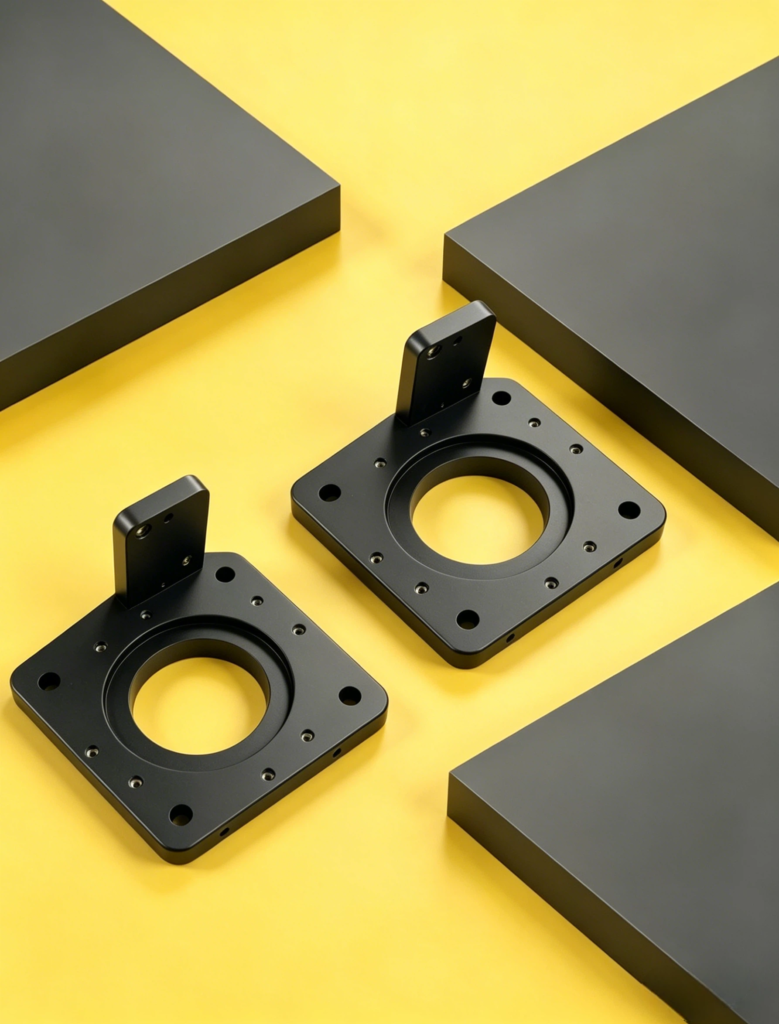
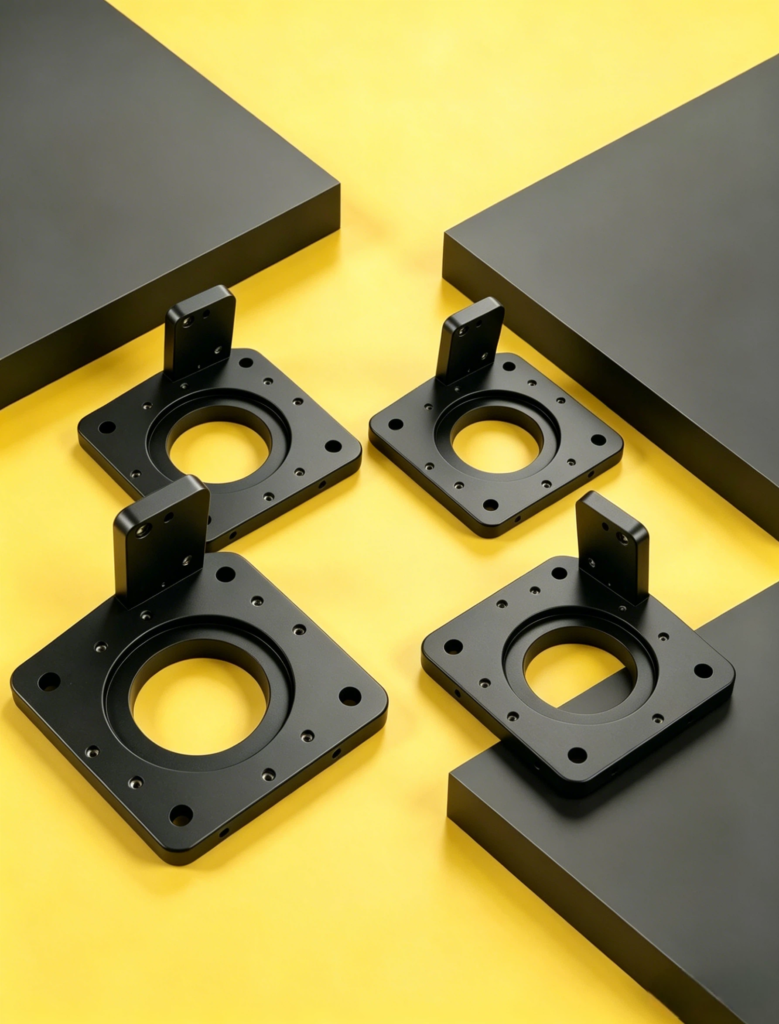
Common Materials for Metal Angle Bracket:
Steel:
Carbon steel offers high strength, excellent durability, and cost effectiveness. Zinc plating provides corrosion resistance. Suitable for heavy-duty applications including shelving, machinery mounting, and structural reinforcement.
Stainless Steel:
Stainless steel in grades 304 and 316 provides superior corrosion resistance. Suitable for outdoor applications, marine environments, food processing equipment, and medical devices where rust resistance is critical.
Aluminum:
Aluminum is lightweight and naturally corrosion resistant. Anodizing provides enhanced wear resistance and color options. Suitable for aerospace, electronics, and applications where weight reduction is important.
Ductile Iron:
Ductile iron offers excellent strength and vibration damping. Suitable for heavy industrial applications, machinery bases, and structural connections requiring cast construction.
Applications Across Industries:
Construction and Framing:
Metal angle brackets connect studs, joists, and rafters in building construction. They provide seismic and wind load resistance, reinforce corners, and attach structural members. Heavy-duty steel brackets with multiple holes are standard.
Shelving and Storage:
Metal angle brackets support shelving in warehouses, retail stores, and garages. They attach shelves to wall studs or uprights, providing secure, adjustable storage solutions.
Furniture Manufacturing:
Metal angle brackets reinforce corners in desks, tables, cabinets, and bookcases. They provide hidden or visible structural support while allowing flat-pack shipping and easy assembly.
Industrial Machinery:
Metal angle brackets mount control panels, sensors, guards, and accessories to machine frames. They provide secure attachment points for equipment components.
Automotive and Transportation:
Metal angle brackets mount accessories, secure trim panels, and reinforce body structures in vehicles. Corrosion-resistant coatings are essential for under-body applications.
Electronics and Enclosures:
Metal angle brackets mount circuit boards, power supplies, and connectors inside electronic enclosures. Lightweight aluminum brackets are common.
Types of Metal Angle Brackets:
Equal Leg Angle Bracket:
Features both legs of equal length. Most common configuration for general purpose joining of perpendicular surfaces. Suitable for shelving, framing, and furniture assembly.
Unequal Leg Angle Bracket:
Features legs of different lengths. Allows mounting to surfaces with different depth requirements. Suitable for corner connections where one mounting surface is narrower than the other.
Gusseted Angle Bracket:
Includes a triangular gusset or rib at the corner for added strength. Provides higher load capacity than standard brackets. Suitable for heavy-duty applications requiring extra reinforcement.
Slotted Angle Bracket:
Features elongated slots instead of round holes. Allows for adjustment during assembly, accommodating misalignment or thermal expansion. Suitable for applications requiring precise positioning.
Corner Brace Bracket:
Smaller, lighter version of angle bracket for light-duty applications. Used for furniture assembly, picture frames, and small enclosures.
Custom Metal Angle Bracket:
Engineered to exact specifications including unique leg lengths, hole patterns, thicknesses, materials, and special features.
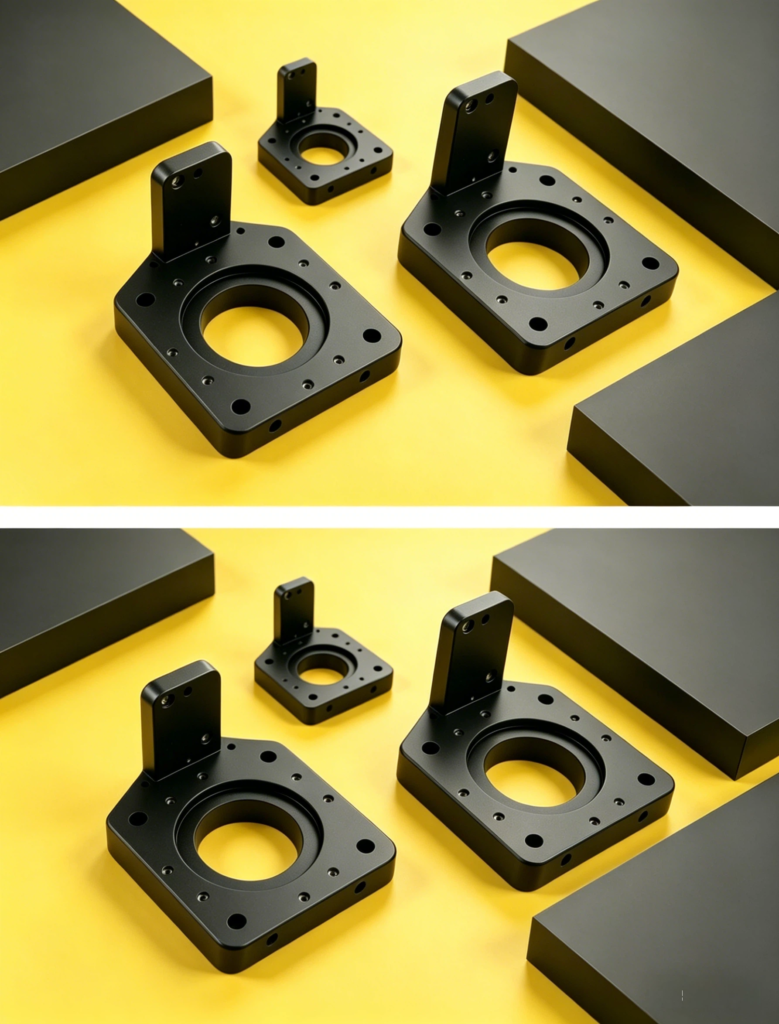
Excellent Case: Warehouse Shelving System
Background: A warehouse operator needed to install 500 shelving units capable of supporting 500kg per shelf. Traditional welded frames were expensive and difficult to modify. Wooden shelf supports lacked durability.
Solution: A metal angle bracket was designed from 5mm thick steel with zinc plating. The bracket featured 200mm legs, four holes per leg, and a gusset for added strength. Brackets attached uprights to shelves, creating a modular system.
Results:
- Load Capacity: Each bracket supported 250kg, 500kg per shelf with two brackets
- Installation Time: Reduced from 30 minutes to 5 minutes per shelf unit
- Modularity: Shelf heights could be adjusted without tools
- Durability: Zero bracket failures after 5 years of heavy use
- Cost: 60 percent lower than welded frame alternatives
This case demonstrates how the metal angle bracket enables modular, cost-effective shelving systems in demanding warehouse environments.
How to Select the Right Metal Angle Bracket:
Choosing the appropriate metal angle bracket requires careful consideration of several factors. Load requirement determines thickness and material, with heavier loads requiring thicker steel or gusseted designs. Leg length must accommodate the mounting surfaces, with longer legs for larger joints. Hole pattern must match mating component hole spacing. Environmental conditions determine finish requirements, with zinc plating for indoor use and powder coating for outdoor exposure. Quantity determines whether standard or custom brackets are most cost-effective.
Installation Best Practices:
Proper installation ensures the metal angle bracket performs reliably. Verify bracket orientation before mounting. Pre-drill pilot holes in wood to prevent splitting. Use appropriate fasteners for the base material. Level the bracket before tightening. Use both legs of the bracket for maximum strength. For heavy loads, use all mounting holes. Apply thread-locking compound to bolts in high-vibration applications.
Conclusion:
The metal angle bracket represents a fundamental building block for joining perpendicular surfaces across countless applications, from warehouse shelving to industrial machinery and furniture assembly. By providing rigid support at 90-degree joints, it enables modular construction, simplifies assembly, and ensures structural integrity. By understanding the types, materials, and selection criteria outlined in this guide, the right metal angle bracket can be selected for any application—from standard light-duty brackets to custom engineered solutions for demanding industrial environments.