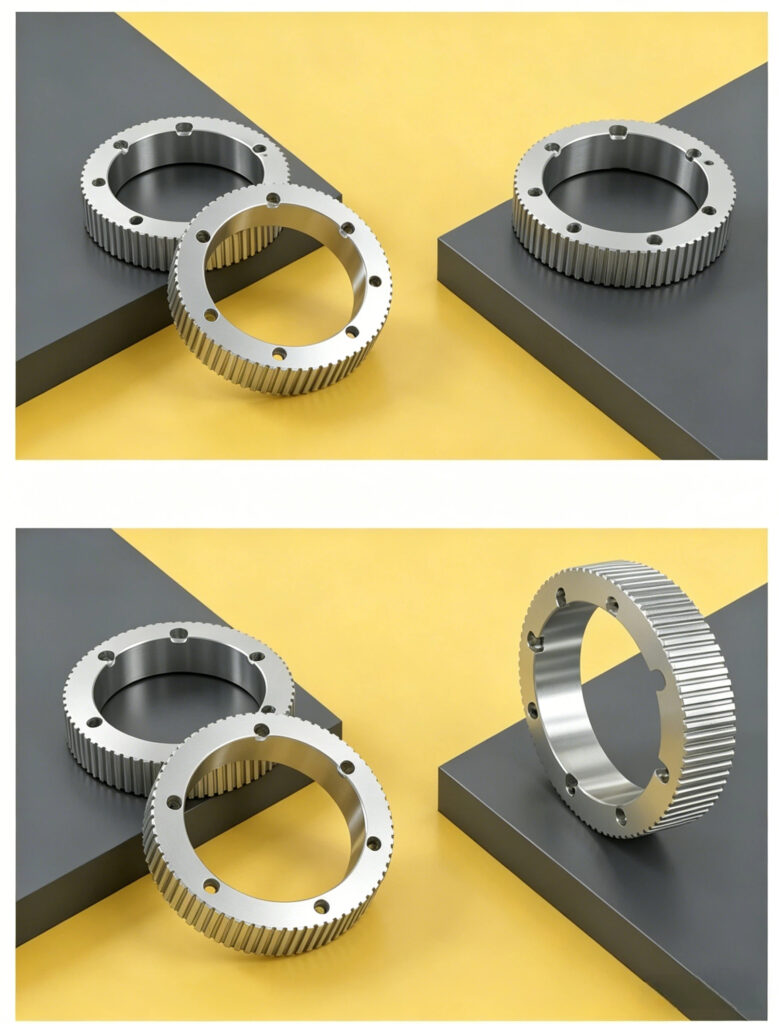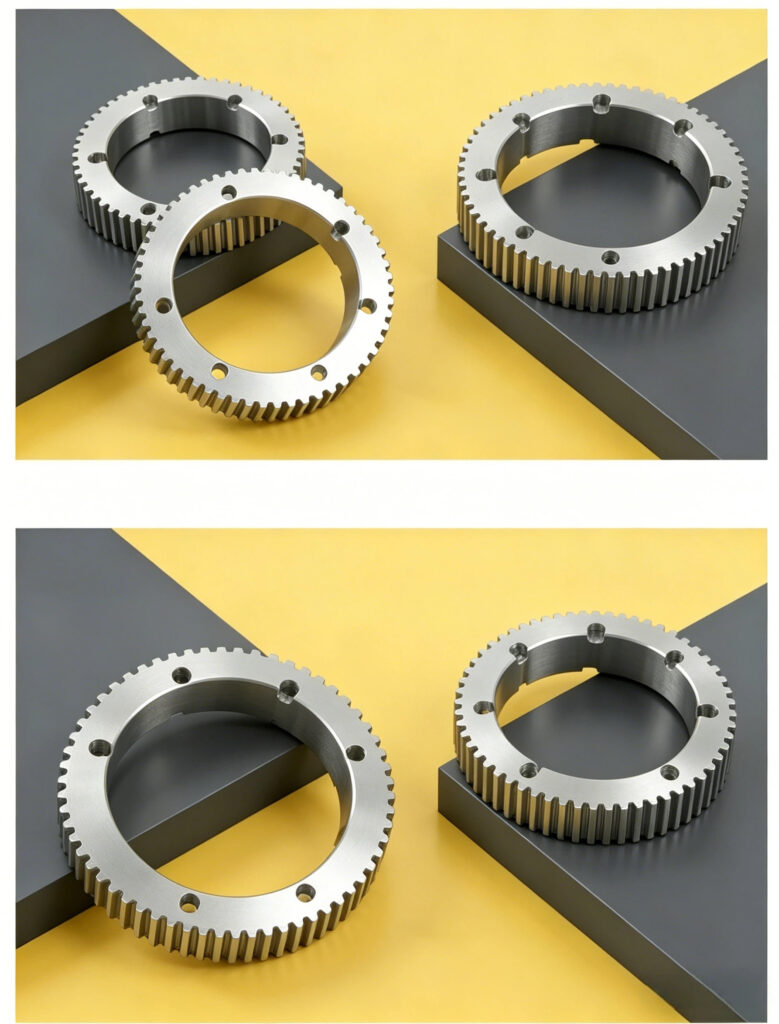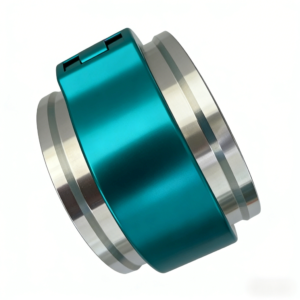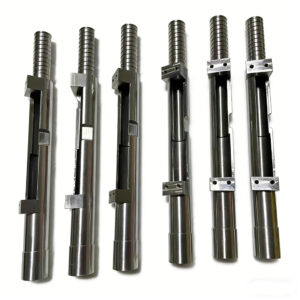
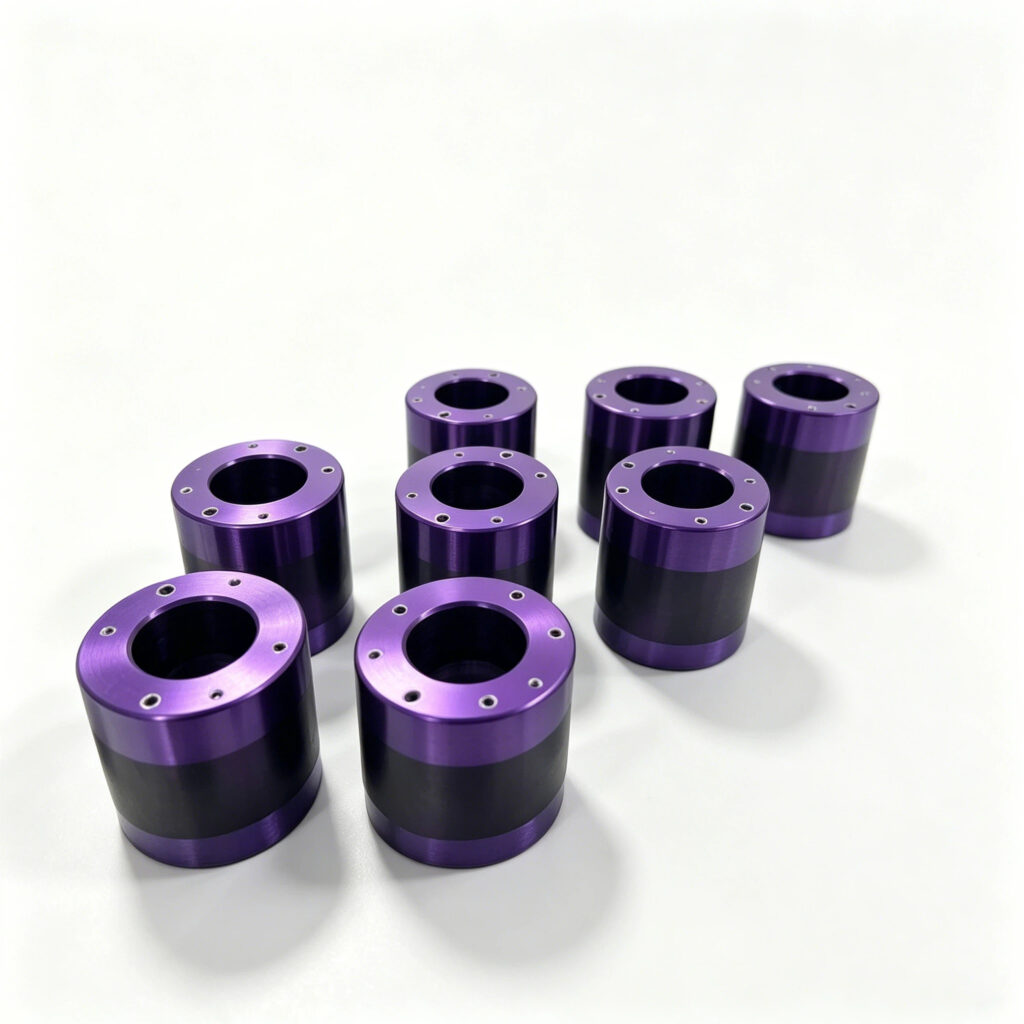
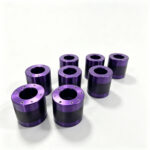
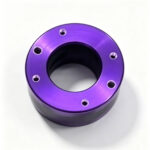
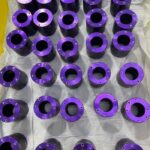
Fully Customizable Flanged Sleeve 6 Bolt Hole Precision Machined Stainless Steel Flanged Sleeve
Request a Quote
Enter the quantity you need and add to your quote list for pricing inquiries.
Product Details
A flanged sleeve is a cylindrical bushing with an integral flange at one end, designed for installation in housings where axial positioning is required. The flange provides a positive stop, prevents axial movement, and simplifies assembly. Manufactured from steel, stainless steel, aluminum, bronze, or plastic. Available in custom bore diameters from 5mm to 100mm, flange diameters from 10mm to 120mm, and lengths from 10mm to 150mm. Features include precision machined surfaces, optional lubrication grooves, and corrosion resistant coatings. Custom flanged sleeves available with specific flange thicknesses, hole patterns, and surface finishes.
What Is a Flanged Sleeve?
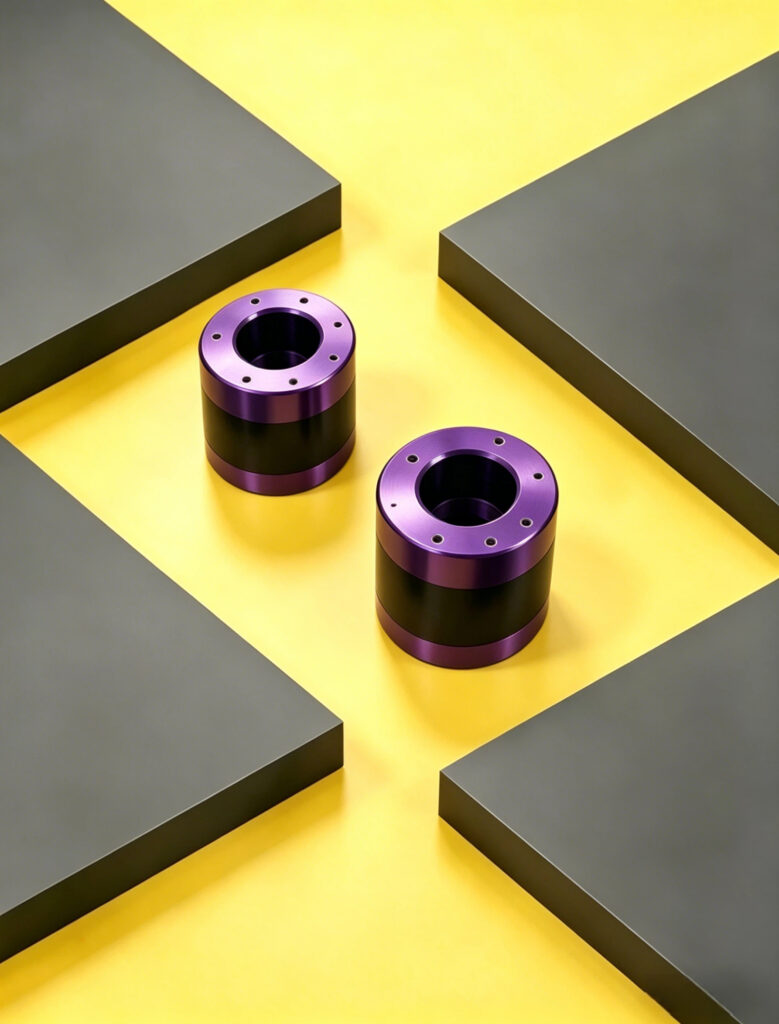
A flanged sleeve is a cylindrical bushing with an integral flange at one end, designed for installation in housings where axial positioning and load distribution are required. Unlike plain bushings that rely on press fits or retaining rings for axial location, the flanged sleeve uses its built-in flange to provide a positive stop, prevent axial movement, and simplify assembly while distributing thrust loads.
The flanged sleeve is characterized by its one-piece construction combining a cylindrical body with a perpendicular flange. Typical features include a precision-machined inner diameter for shaft or pin fit, an outer diameter for housing installation, an integral flange for axial positioning, chamfered edges for easy insertion, and optional lubrication grooves or holes. Inner diameters typically range from 5mm to 100mm, flange diameters from 10mm to 120mm, overall lengths from 10mm to 150mm, and flange thicknesses from 1mm to 10mm. The flanged sleeve eliminates the need for separate thrust washers or retaining rings, reducing component count and assembly time.
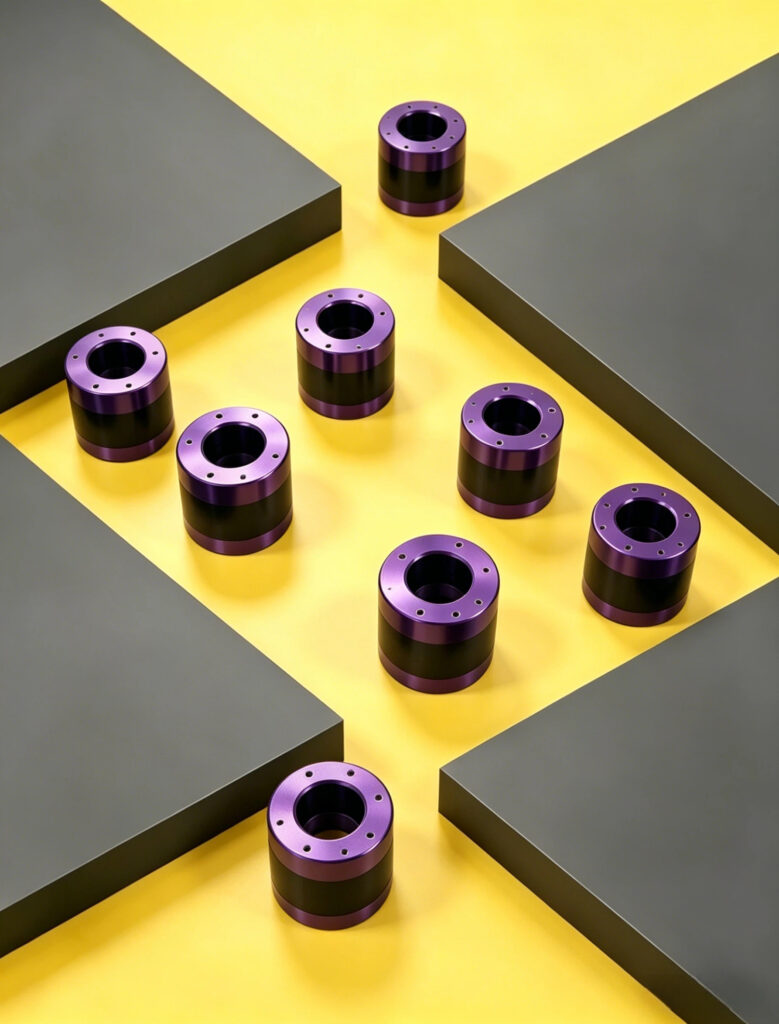
Common Materials for Flanged Sleeve:
Steel:
Carbon or alloy steel offers high strength and durability at an economical cost. Zinc plating provides corrosion resistance. Suitable for heavy-duty industrial applications, hydraulic cylinders, and construction equipment where high loads are present.
Stainless Steel:
Stainless steel in grades 303, 304, and 316 provides superior corrosion resistance. Suitable for medical devices, food processing equipment, marine applications, and chemical environments where rust resistance is critical.
Aluminum:
Aluminum is lightweight and naturally corrosion resistant. Anodizing provides enhanced wear resistance. Suitable for aerospace, robotics, and applications where weight reduction is important.
Bronze:
Bronze offers excellent wear resistance, good corrosion resistance, and self-lubricating properties when oil-impregnated. Suitable for high-load, low-speed applications such as heavy machinery and agricultural equipment.
Plastic:
Engineering plastics such as nylon, acetal, or PTFE provide lightweight, corrosion-proof, and self-lubricating properties. Suitable for light-duty applications, electrical insulation, and chemical environments.
Types of Flanged Sleeves:
Standard Flanged Sleeve:
Features a simple cylindrical body with a perpendicular flange at one end. Most common configuration for general purpose applications including pivot points, hinge pins, and shaft supports.
Grooved Flanged Sleeve:
Includes lubrication grooves or spiral channels on the inner diameter. Provides continuous lubrication distribution for high-wear applications. Suitable for reciprocating or rotating shafts requiring frequent lubrication.
Oil-Impregnated Flanged Sleeve:
Made from sintered bronze impregnated with oil. Provides self-lubrication for maintenance-free operation. Suitable for applications where regular lubrication is difficult or impossible.
Split Flanged Sleeve:
Features a longitudinal split allowing installation without shaft disassembly. Suitable for repair and maintenance applications where shaft removal is impractical.
Thrust Flanged Sleeve:
Features an extra-thick flange designed to handle significant axial loads. Suitable for applications with high thrust loads such as hydraulic cylinders and presses.
Custom Flanged Sleeve:
Engineered to exact specifications including unique diameters, lengths, flange dimensions, materials, and special features.
Applications Across Industries:
Hydraulic Cylinders:
Flanged sleeves serve as bearing surfaces for piston rods and pivot pins in hydraulic cylinders. The flange provides axial retention while the cylindrical body supports radial loads. Heavy-duty steel or bronze sleeves withstand high pressures and continuous operation.
Agricultural Equipment:
Flanged sleeves in tractors, harvesters, and planters provide wear surfaces at pivot points, linkage connections, and implement attachments. They withstand dirt, moisture, and shock loads while allowing easy replacement.
Industrial Machinery:
Flanged sleeves are used in conveyor systems, packaging equipment, and printing presses for shaft support, pivot bearings, and wear surfaces. Bronze or steel sleeves provide long service life under continuous operation.
Automotive:
Flanged sleeves are found in suspension components, steering linkages, pedal assemblies, and door hinges. They provide quiet, durable bearing surfaces that resist wear and corrosion.
Marine Equipment:
Flanged sleeves in boat steering systems, deck hardware, and propulsion components require corrosion-resistant materials such as stainless steel or bronze to withstand saltwater exposure.
Medical Devices:
Flanged sleeves in surgical instruments, diagnostic equipment, and patient handling systems require precision tolerances and corrosion-resistant materials such as stainless steel or anodized aluminum.
Excellent Case: Hydraulic Cylinder Pivot Pin
Background: A construction equipment manufacturer experienced premature wear on hydraulic cylinder pivot connections. Standard steel bushings without flanges allowed axial movement, causing uneven wear and eventual bushing failure after 3,000 operating hours.
Solution: It was designed using oil-impregnated bronze with 40mm inner diameter, 50mm outer diameter, and 5mm flange thickness. The flange eliminated axial movement while the bronze material provided self-lubrication. Lubrication grooves were added for additional grease distribution.
Results:
- Bushing Life: Extended from 3,000 to 12,000 operating hours
- Wear Reduction: 75 percent reduction in inner diameter wear
- Maintenance: Eliminated need for weekly greasing
- Axial Stability: Zero axial movement with flange retention
- Cost Savings: 50 percent reduction in replacement part costs
This case demonstrates how the flanged sleeve delivers extended service life and simplified maintenance in demanding hydraulic applications.
How to Select the Right Flanged Sleeve:
Choosing the appropriate flanged sleeve requires careful consideration of several factors. Shaft diameter determines the inner diameter of the sleeve, requiring proper clearance for rotation or sliding. Housing bore determines the outer diameter fit, typically press fit or slip fit. Load requirements determine material selection, with bronze for high loads and plastic for light loads. Axial load determines flange thickness and strength requirements. Operating speed influences material and lubrication needs, with higher speeds requiring better lubricants or self-lubricating materials. Environmental conditions determine corrosion protection requirements.
Conclusion:
The flanged sleeve represents a simple yet highly effective component for providing bearing surfaces, axial positioning, and load distribution across countless mechanical applications. By combining cylindrical bearing surface with an integral flange, it simplifies assembly, reduces component count, and improves reliability. By understanding the materials, types, and selection criteria outlined in this guide, the right flanged sleeve can be selected for any application—from standard industrial equipment to custom engineered solutions for demanding hydraulic, automotive, and marine environments.