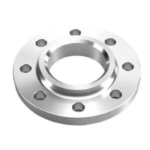
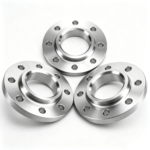
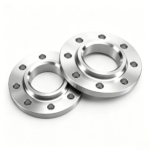
Custom Precision Stable Slip On Flange with Hub 8 Bolt Holes 316L Carbon Steel Raised Face Flange
Request a Quote
Enter the quantity you need and add to your quote list for pricing inquiries.
Product Details
A slip on flange with hub is a pipe flange that slides over the pipe end and features an extended hub that provides additional reinforcement and weld area. The hub creates a stronger connection than standard slip on flanges while maintaining easy alignment during installation. Manufactured from carbon steel, stainless steel, or alloy steel. Available in custom sizes from 1/2 inch to 48 inches, pressure classes 150 to 2500, and raised face or flat face configurations. The hub design improves stress distribution and weld integrity. Suitable for water treatment, chemical processing, oil and gas, and industrial piping systems. Custom flanges available with specific bore sizes and bolt patterns.
What Is a Slip On Flange with Hub?
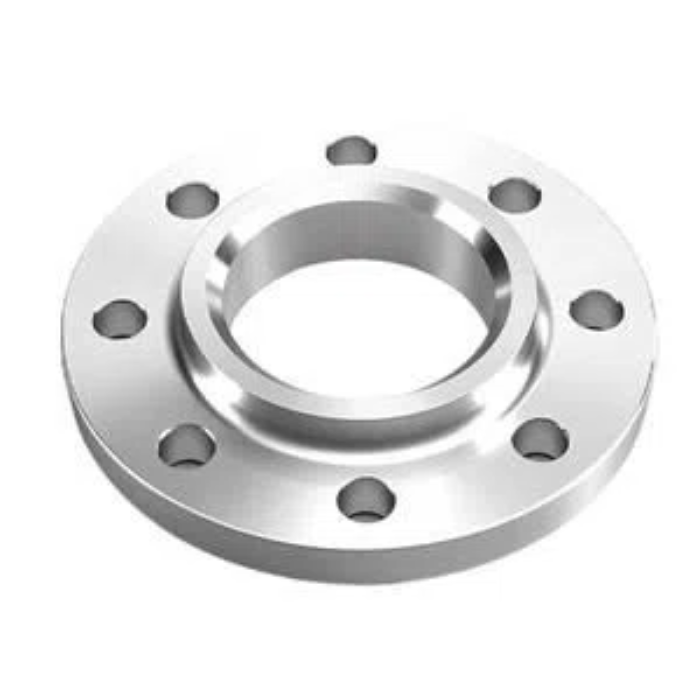
A slip on flange with hub is a circular metal disc with a bore slightly larger than the outer diameter of the pipe it connects, featuring an extended hub that reinforces the flange-to-pipe connection. The pipe slides into the flange before being welded both inside and outside the hub. The extended hub provides additional weld area and improves stress distribution, making this design stronger than standard slip on flanges.
It is characterized by its flat or raised face, pre-drilled bolt holes, and an extended hub that provides reinforcement. Typical features include a smooth sealing surface for gasket placement, bolt holes on a standardized bolt circle, an extended hub that increases weld area, a slightly larger bore than the pipe OD, and chamfered edges for welding. Sizes typically range from 1/2 inch to 48 inches, with pressure classes from 150 to 2500. It offers improved strength over standard slip on flanges while maintaining easy alignment.
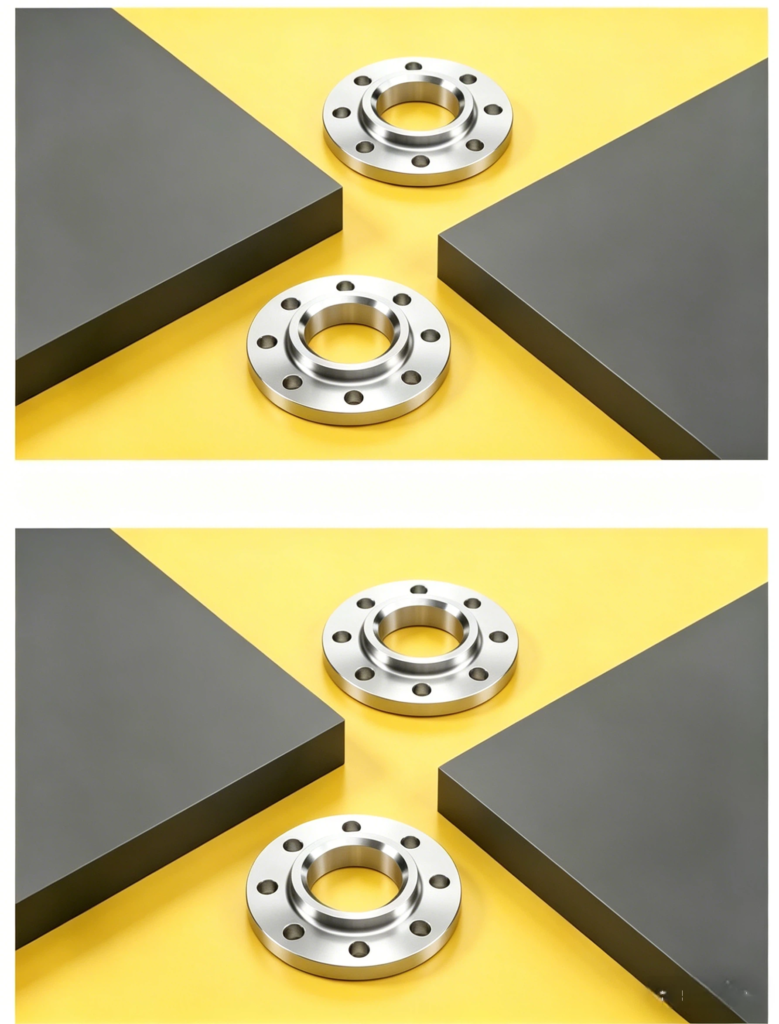
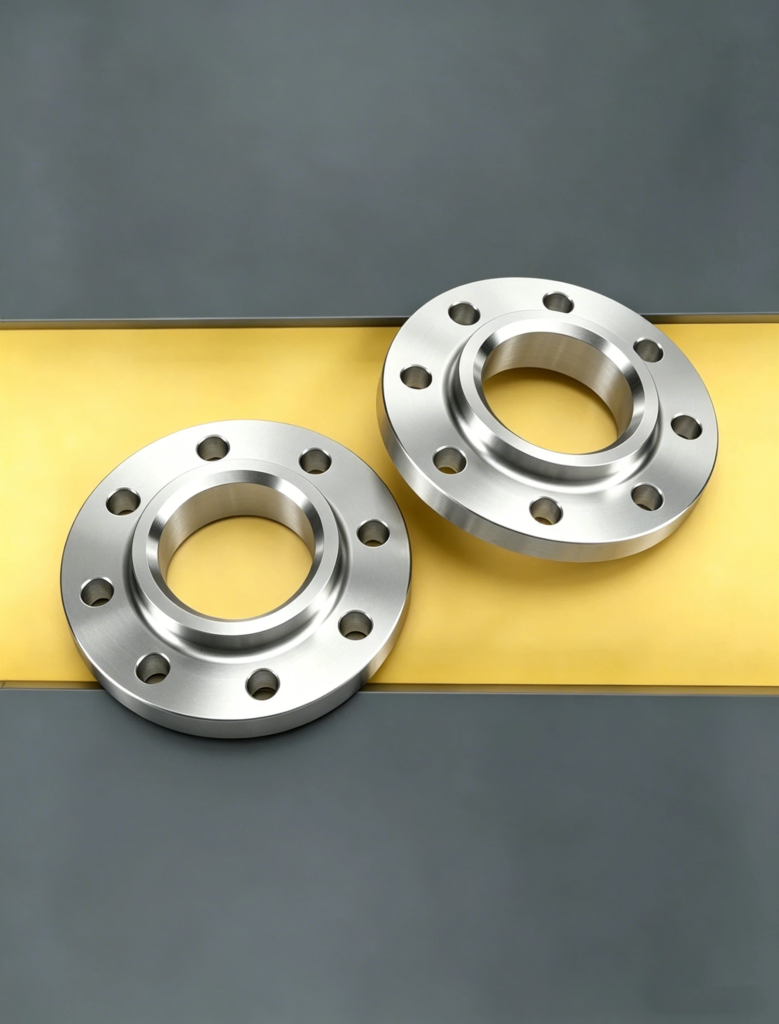
How a Slip On Flange with Hub Works:
The slip on flange with hub works by sliding over the pipe end until the pipe sits flush with or slightly recessed from the flange face. The extended hub allows for two welds—one inside the bore and one outside at the hub. The internal weld provides mechanical strength, while the external weld prevents leakage. The hub distributes bending stresses more evenly than a standard slip on flange, reducing the risk of failure under cyclic loading.
The slip on flange with hub transfers pressure loads through both the welds and the hub, resulting in higher strength than standard slip on flanges, approaching the performance of weld neck flanges but with easier installation.
Common Materials for Slip On Flange with Hub:
Carbon Steel is the most common material for slip on flange with hub production. Grades A105 (for high-temperature) and A105N offer good strength, weldability, and cost effectiveness. Suitable for water, oil, gas, and steam applications.
Stainless Steel provides superior corrosion resistance. Grades 304 and 316 are common for chemical, food, and marine environments. Suitable for corrosive fluids and sanitary applications.
Alloy Steel offers high-strength and high-temperature capability. Grades such as F11, F22, and F91 are used in power generation and petrochemical plants.
Duplex Steel provides excellent corrosion resistance and high strength. Suitable for offshore and marine environments.
Types of Slip On Flange with Hub:
Raised Face Slip On Flange with Hub:
A slip on flange with hub featuring a raised sealing surface around the bore. Concentrates gasket pressure for better sealing. Most common configuration for general industrial use.
Flat Face Slip On Flange with Hub:
A slip on flange with hub with a flat sealing surface across the entire face. Used with flat gaskets. Common for cast iron flanges and low-pressure applications.
Slip On Blind Flange with Hub:
A slip on flange with hub without a center bore. Used to seal the end of a pipe or pressure vessel opening. Suitable for inspection ports and temporary closures.
Reducing Slip On Flange with Hub:
A slip on flange with hub with different bore sizes for connecting pipes of different diameters.
Applications Across Industries:
Water Treatment:
Slip on flange with hub connects pipes in water distribution, wastewater treatment, and desalination plants. The reinforced hub provides extra durability in large-diameter systems.
Chemical Processing:
Slip on flange with hub joins pipes carrying chemicals, solvents, and acids. Stainless steel and alloy materials with hub reinforcement resist corrosion and pressure cycling.
Oil and Gas:
Slip on flange with hub used in gathering lines, distribution networks, and refineries. The hub design handles cyclic pressure loads better than standard slip on flanges.
Industrial Piping:
Slip on flange with hub provides reliable connections in steam, water, and compressed air systems. The reinforced hub adds safety margin in critical applications.
Power Generation:
Slip on flange with hub used in cooling water, steam, and fuel gas systems. Alloy steel materials withstand high temperatures.
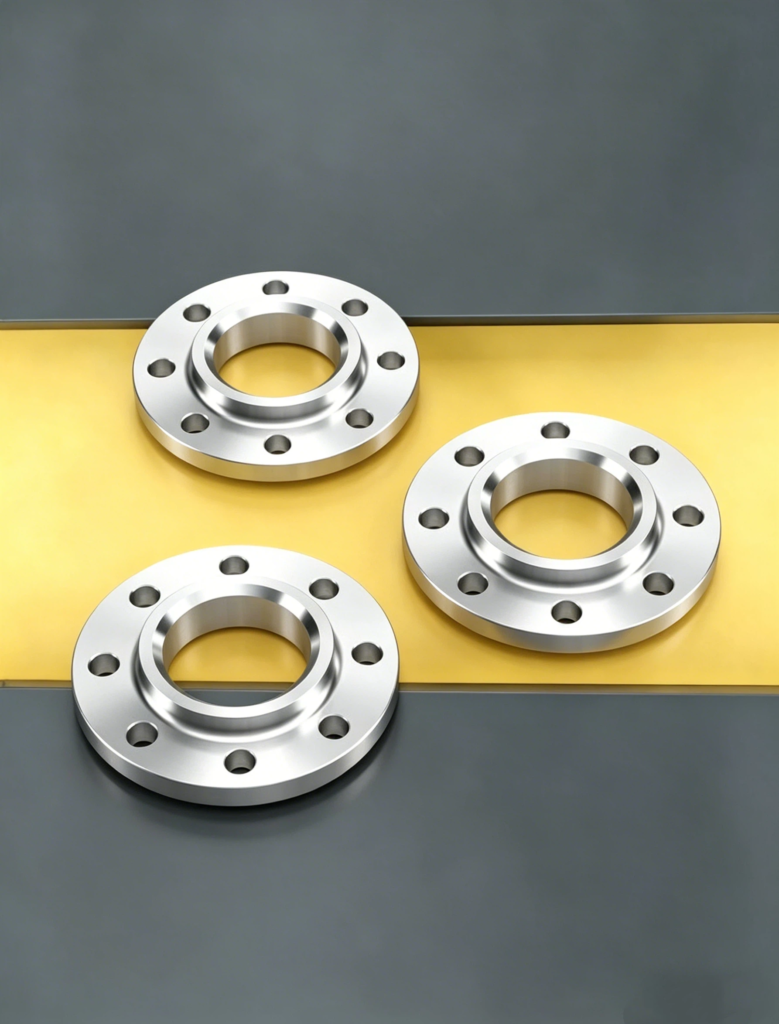
Excellent Use Case: Chemical Plant Piping System
Background: A chemical plant needed to connect 6-inch stainless steel piping for a corrosive acid service. Standard slip on flanges had insufficient strength for the pressure cycling. Weld neck flanges required precise alignment and more welding time.
Solution: A slip on flange with hub was selected with 6-inch nominal size, 300 LB rating, and 316L stainless steel construction. The extended hub provided additional weld area and stress distribution.
Results:
- Installation Time: 40 percent faster than weld neck flanges
- Strength: Withstood 500 psi pressure cycling with no failures
- Corrosion Resistance: No pitting after 3 years of acid service
- Alignment: Easy bolt hole alignment during installation
- Cost: 15 percent lower than weld neck flanges
This case demonstrates how the slip on flange with hub balances strength and ease of installation in chemical applications.
Installation Best Practices:
Proper installation ensures the slip on flange with hub performs reliably. Cut pipe square and remove burrs. Slip flange over pipe end leaving 1/16 to 1/8 inch gap between pipe end and flange face. Tack weld the flange in place. Check alignment of bolt holes. Weld inside the bore and outside at the hub. Use proper welding procedure for material. Allow cooling before tightening bolts.
Maintenance and Care:
Regular maintenance extends slip on flange with hub life. Inspect bolts for corrosion and retorque as needed. Replace gaskets when flanges are opened. Check for flange face damage. Inspect welds for cracks, especially at hub-to-pipe junction.
Conclusion:
The slip on flange with hub represents an optimal balance between the easy installation of slip on flanges and the enhanced strength of weld neck flanges. By providing additional reinforcement through its extended hub, it offers reliable performance in water treatment, chemical processing, oil and gas, and industrial piping applications. By understanding the types, materials, and selection criteria outlined in this guide, the right slip on flange with hub can be selected for any application.