Durable Stainless Steel Knurled Handles Non-Slip Grip for Equipment ISO 9001 Certified
Request a Quote
Enter the quantity you need and add to your quote list for pricing inquiries.
Product Details
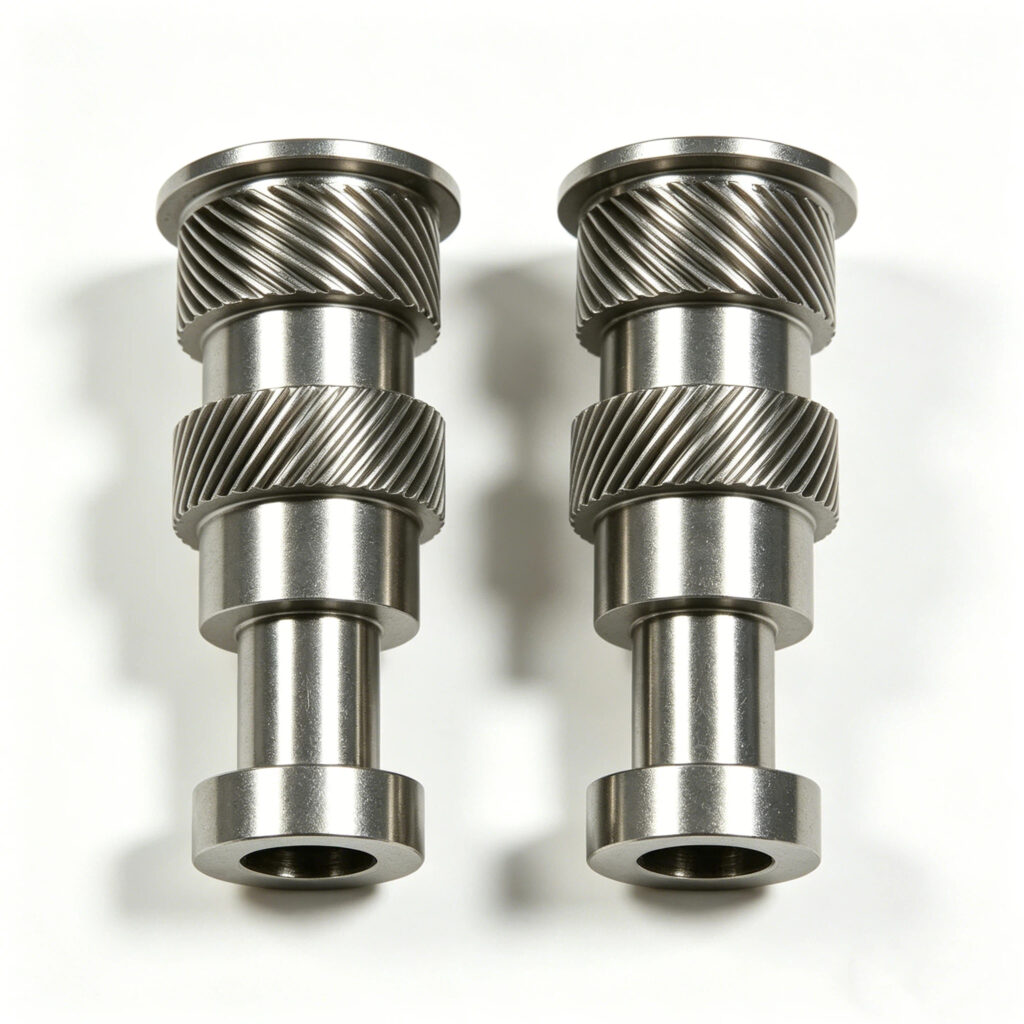
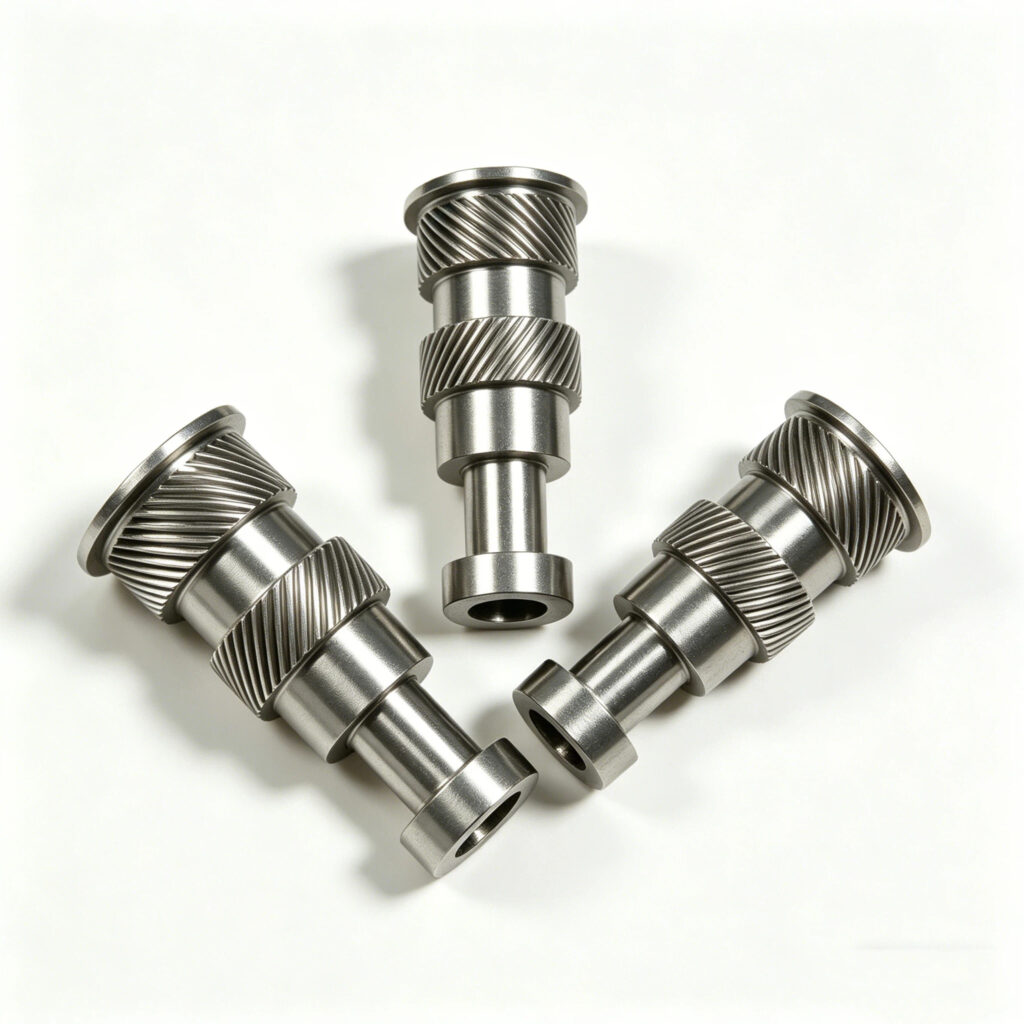
Knurled handles are ergonomic gripping components featuring cross-hatched or diamond-patterned textures that enhance operator control in industrial, medical, and consumer applications. The textured surface increases friction coefficients by 25–40% while providing tactile orientation feedback, making them essential for precision adjustment tasks in challenging environments.
What are Knurled Handles?
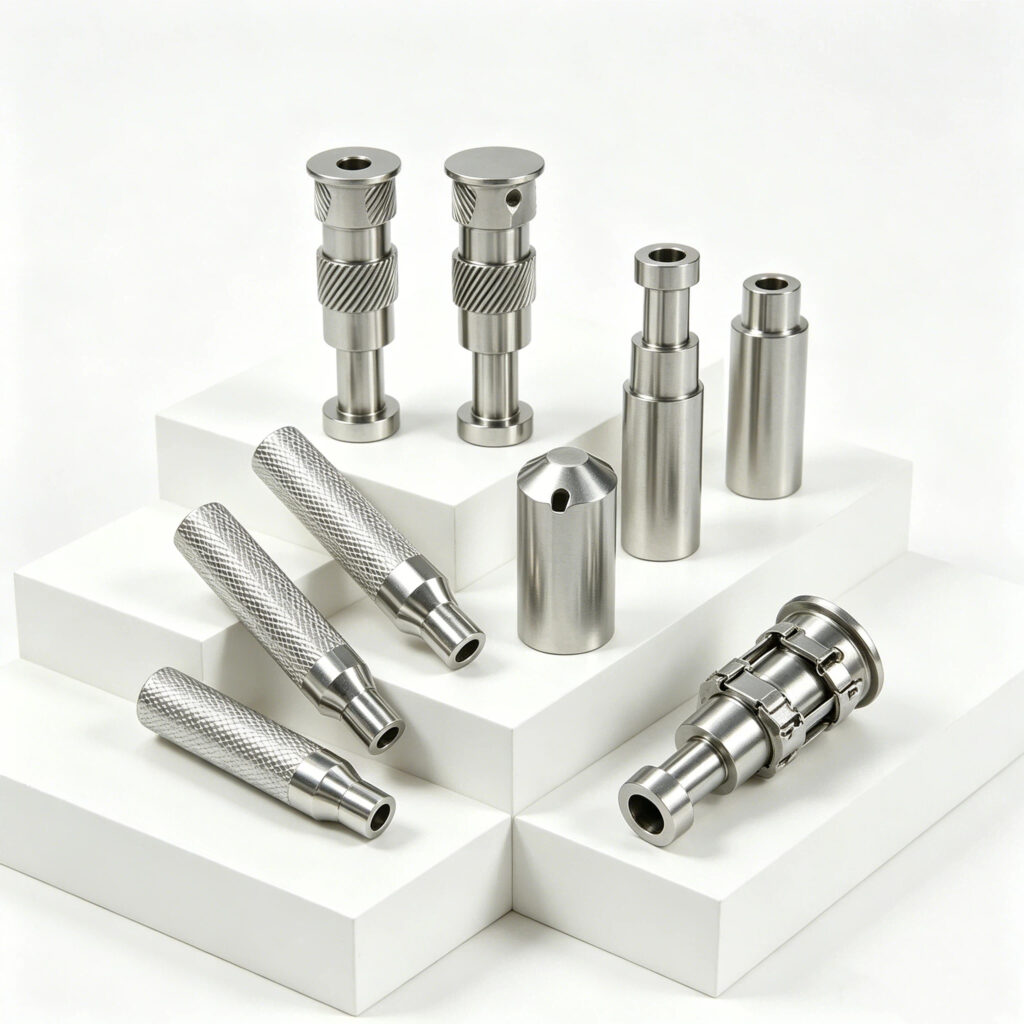
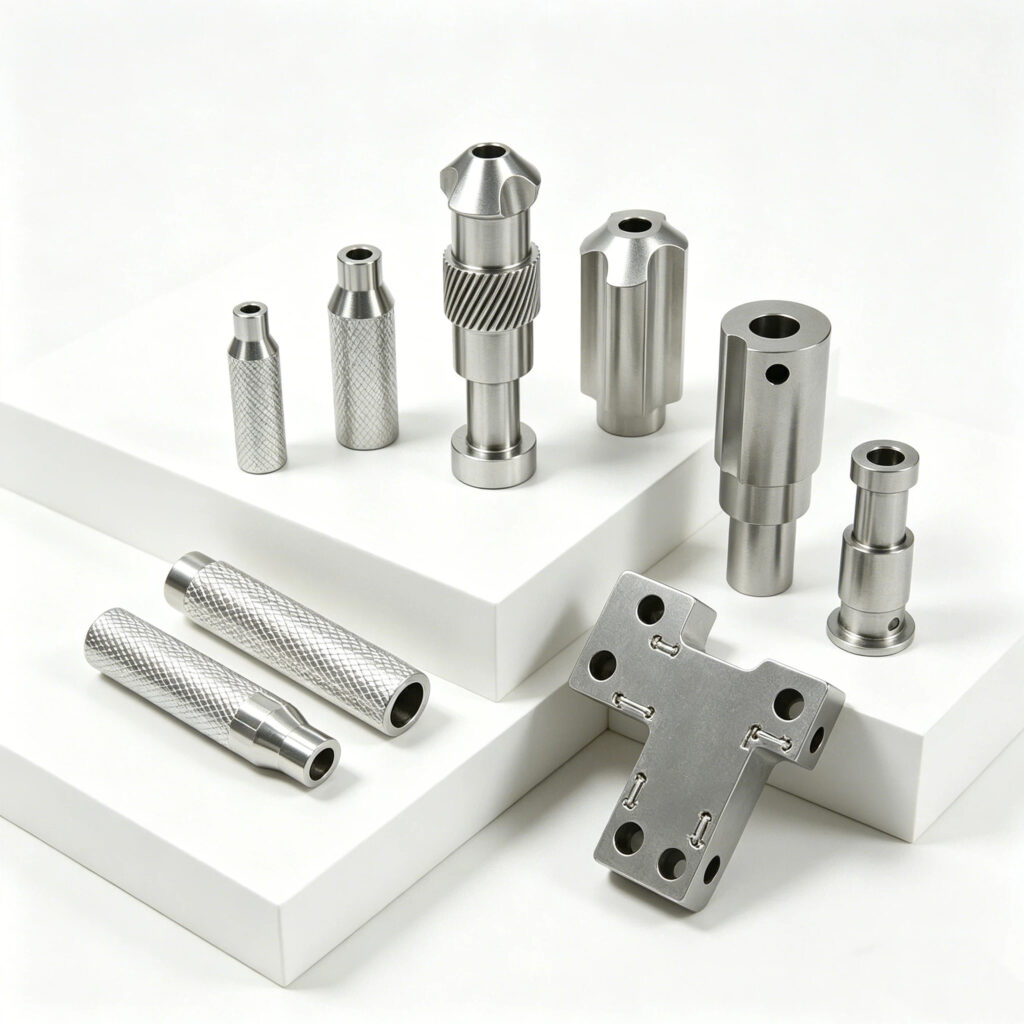
Knurled handles are manually operated gripping elements—typically cylindrical, T-shaped, or ball-form—with surface textures generated through rolling or cutting knurling processes. The pattern geometry (diamond, straight, or annular) determines grip security and aesthetic character. Industrial variants incorporate threaded inserts (brass or steel) for mechanical attachment to shafts or studs.
Materials of Knurled Handles:
- Glass-Filled Nylon 6/6: 30% GF, heat deflection temperature 245°C
- Phenolic Resin: Bakelite-grade thermoset for electrical insulation (600V rating)
- 304/316 Stainless Steel: Medical-grade passivated finish
- Aluminum 6061-T6: Hard-anodized for wear resistance
- Polypropylene: Chemical-resistant option for laboratory environments
- Thermoplastic Elastomer (TPE): Overmolded soft-grip surfaces (Shore A 70)
Surface Treatments:
- Bead Blasted: Matte finish improving grip in moist conditions
- Electropolished: Ra 0.4 μm for medical/surgical applications
- Anodized (Type II/III): 10–50 μm protective layer on aluminum
- Powder Coating: Epoxy/polyester 60–80 μm thickness, RAL color matching
- Passivation: Nitric acid treatment for stainless steel corrosion resistance
Application Fields:
- CNC machine tool handwheels and levers
- Medical diagnostic equipment controls
- Aerospace cockpit adjustment knobs
- Food processing machinery (FDA-compliant materials)
- Laboratory instrument calibration
- Industrial enclosure latches and pulls
Product Advantages of Knurled Handles:
Knurled handles reduce operator fatigue through distributed pressure points and prevent slippage in oil-contaminated environments. Diamond patterns with 1.5–2.0 mm pitch increase friction coefficient to 0.5–0.6 (vs. 0.3 for smooth surfaces), enhancing safety in high-vibration applications. The texture conceals minor surface imperfections, maintaining aesthetic quality throughout product lifecycle.
Excellent Case Example about Knurled Handles:
Selection:
A tool manufacturing company needed to design a new series of wrenches that offered enhanced grip for professionals working in high-vibration environments. The challenge was to provide a handle that not only improved grip but also ensured comfort during prolonged use. After evaluating various handle designs, the company selected knurled handles made from aluminum, known for being lightweight yet strong enough to withstand repeated use in demanding environments.
Result:
The use of knurled handles provided exceptional grip and comfort for users, even when working with oily or wet hands. The textured surface allowed users to hold the tool securely, reducing the risk of slippage during critical operations. The aluminum material kept the tools lightweight, minimizing hand fatigue during extended use. As a result, customer satisfaction improved, and the company saw a 15% increase in product sales due to positive reviews from professionals in industries such as automotive repair and industrial maintenance. The knurled handles became a key differentiator in the competitive hand tool market.
Why Choose Us?
Our knurled handles undergo 100% thread gauge inspection and torque-to-failure testing (minimum 15 N·m for M6 inserts). We offer 48-hour prototype turnaround using 3D-printed patterns for validation, with production scaling to 100,000 units/month. Material certifications (RoHS, REACH, FDA where applicable) and lot traceability ensure compliance.
FAQs :
1. What are knurled handles used for?
They are typically used in tools and equipment where users need a secure grip. The textured surface enhances traction, making it easier to handle items like screwdrivers, wrenches, and machinery components, even when hands are wet, oily, or in high-vibration environments.
2. What materials are knurled handles made from?
They are commonly made from aluminum, steel, and stainless steel. Aluminum is lightweight and corrosion-resistant, while steel and stainless steel offer superior strength and durability, making them ideal for heavy-duty applications.
3. Can knurled handles be used in outdoor environments?
Yes, knurled handles made from stainless steel or treated materials like anodized aluminum are perfect for outdoor use. These materials are resistant to corrosion and can withstand harsh weather conditions, ensuring reliable performance in outdoor tools or machinery.
4. How do I maintain knurled handles?
Maintaining knurled handles is simple: clean them regularly with a cloth to remove dirt, grease, and debris. If the handles are exposed to harsh chemicals or moisture, ensure they are made from corrosion-resistant materials like stainless steel or anodized aluminum to prolong their lifespan.