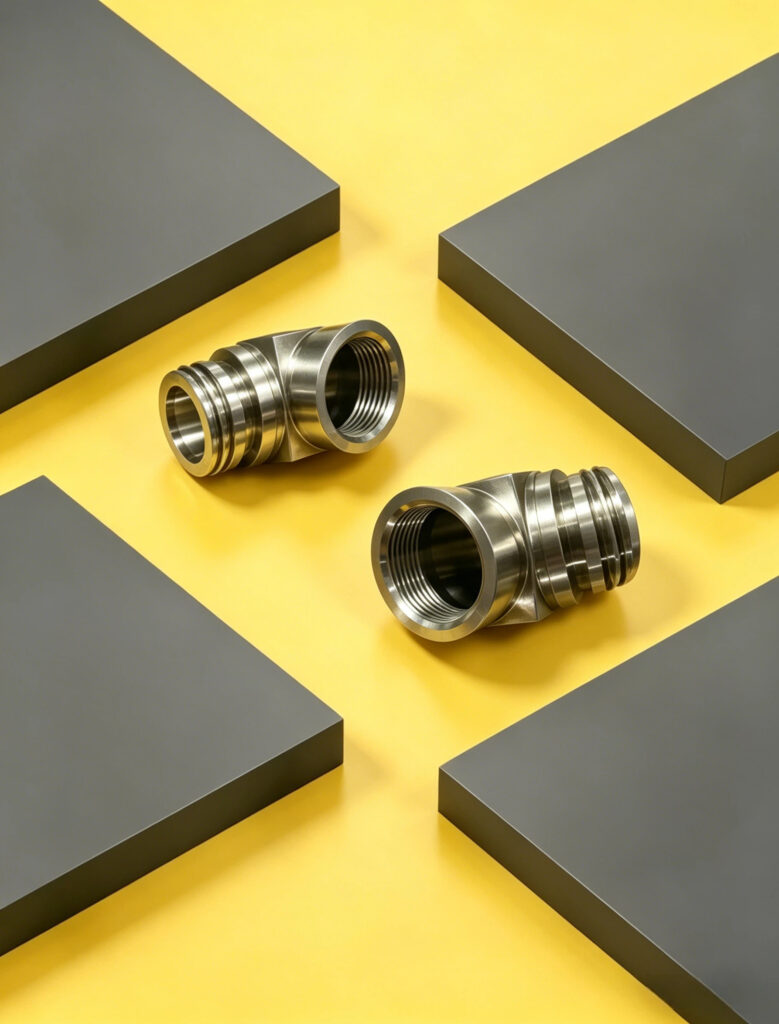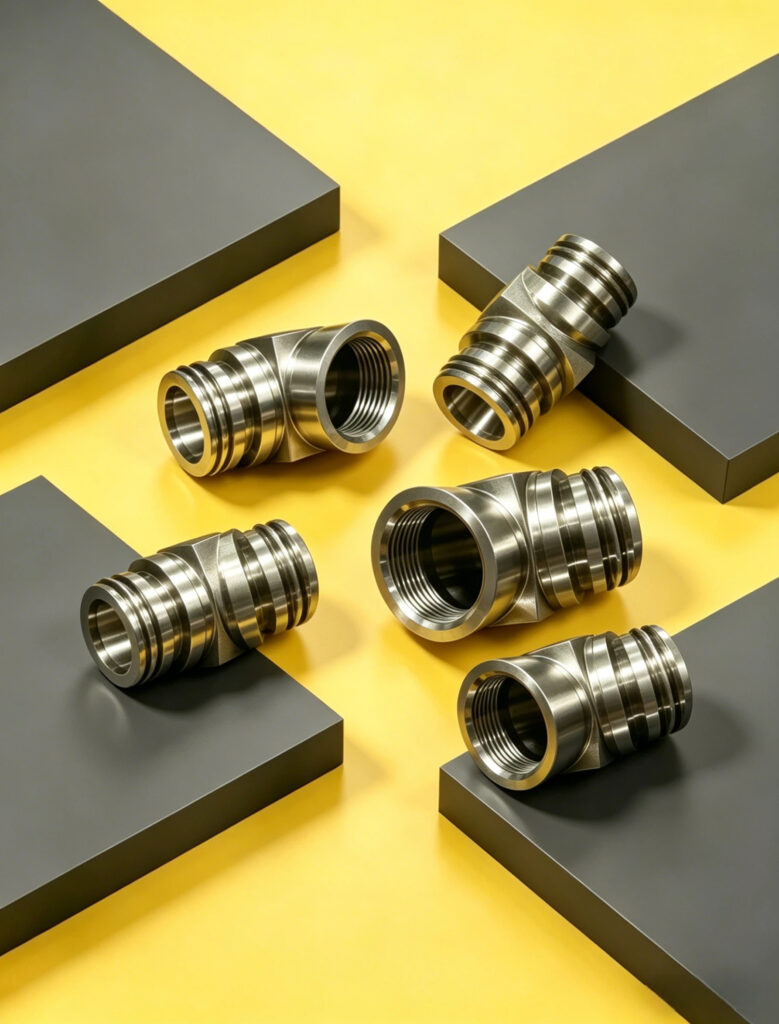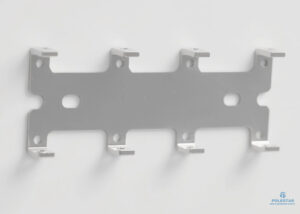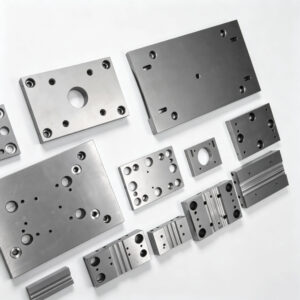
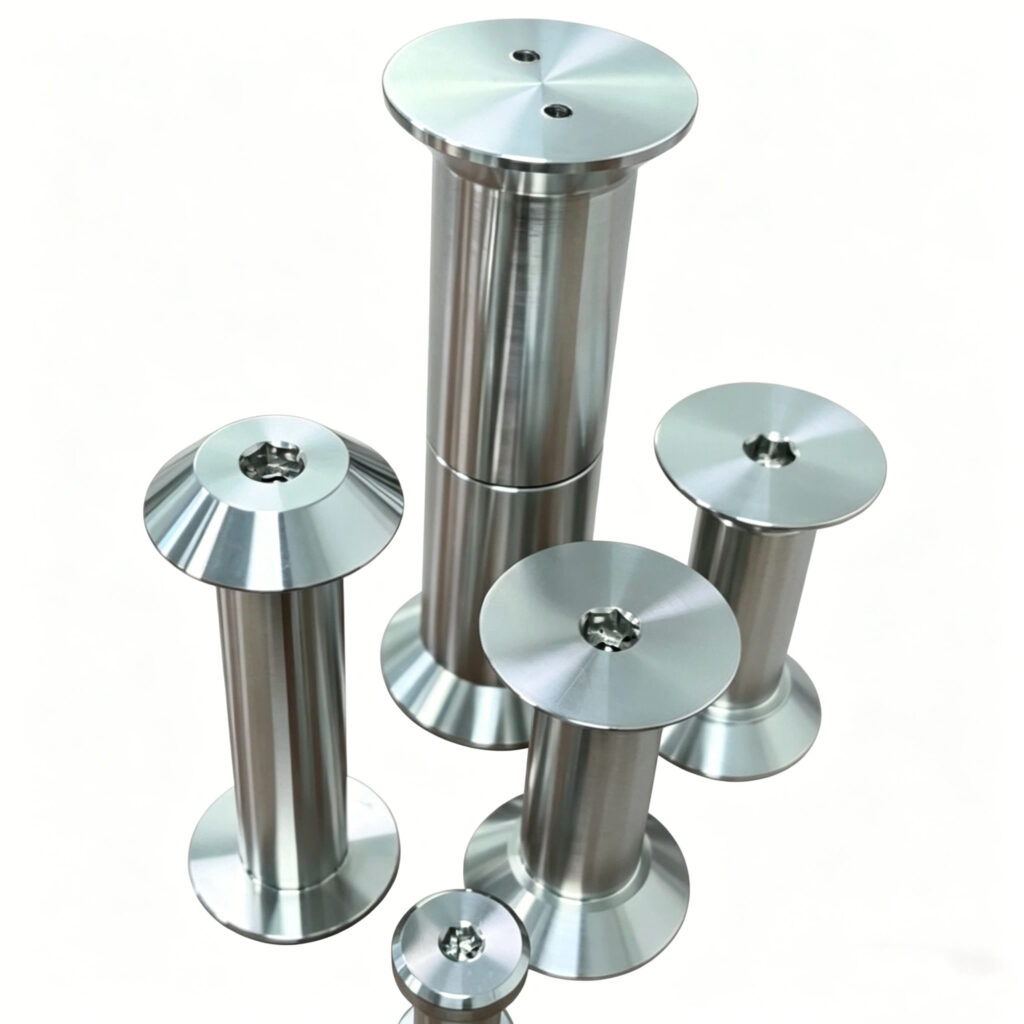

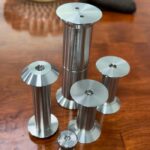
Custom Stable Manufactured Standoff Mounting Hardware 10 Year Durability Zinc Plated Steel Standoff
Request a Quote
Enter the quantity you need and add to your quote list for pricing inquiries.
Product Details
Standoff mounting hardware consists of threaded spacers used to create precise spacing between components in electronic and mechanical assemblies. These standoffs provide support, alignment, and electrical isolation between PCBs, panels, and chassis. Manufactured from aluminum, stainless steel, brass, nylon, or steel. Available in custom thread sizes from M2 to M12, lengths from 3mm to 100mm, and configurations including male-female, female-female, and male-male. Features include hex, round, or square profiles with various finishes. Custom standoffs available with specific thread types, materials, and surface treatments including anodizing, zinc plating, and passivation.
What Is Standoff Mounting Hardware?
Standoff mounting hardware refers to threaded spacers used to create precise spacing between components in electronic and mechanical assemblies. These standoffs provide support, alignment, and often electrical isolation between PCBs, panels, chassis, and other components. Unlike simple spacers, standoff mounting hardware includes threaded features that allow secure fastening without separate nuts or additional components.
Standoff mounting hardware is characterized by its threaded ends, precise length, and various profile shapes. Typical features include male threads on one or both ends for screwing into chassis or PCBs, female threads for accepting screws, hex, round, or square profiles for wrenching, precise length tolerances for consistent spacing, and finishes such as anodizing, zinc plating, or passivation. Thread sizes typically range from M2 to M12 or 2-56 to 1/4-20, with lengths from 3mm to 100mm. Standoff mounting hardware simplifies assembly, ensures consistent spacing, and provides mechanical support in dense electronic packages.
Manufacturing Process:
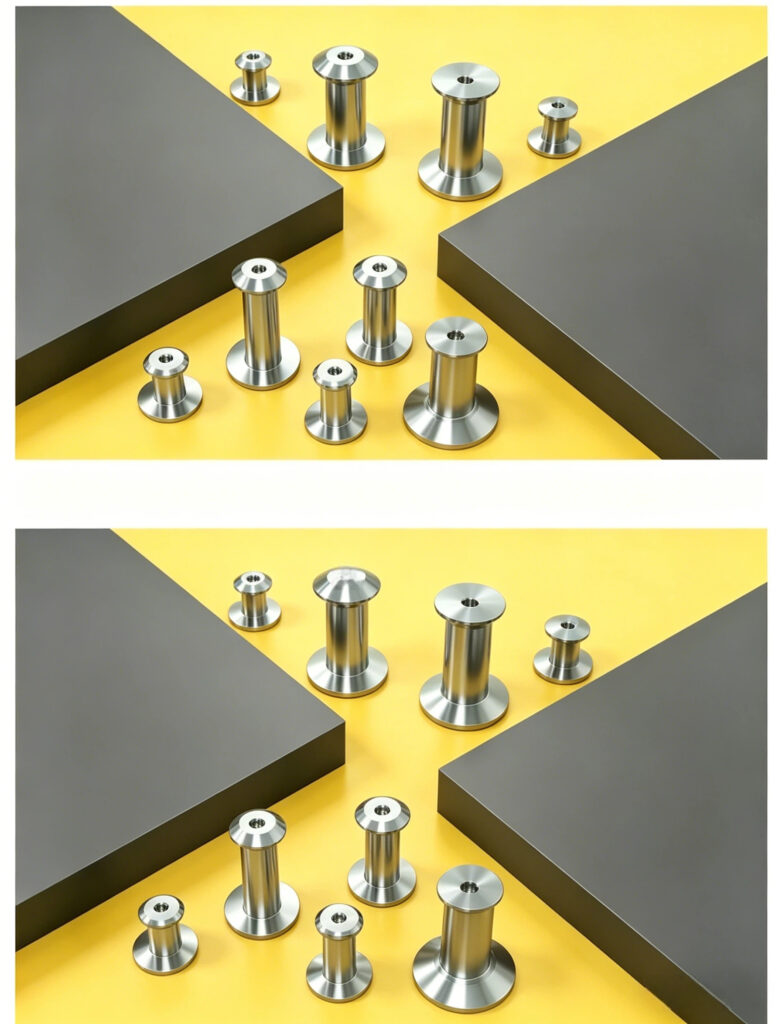
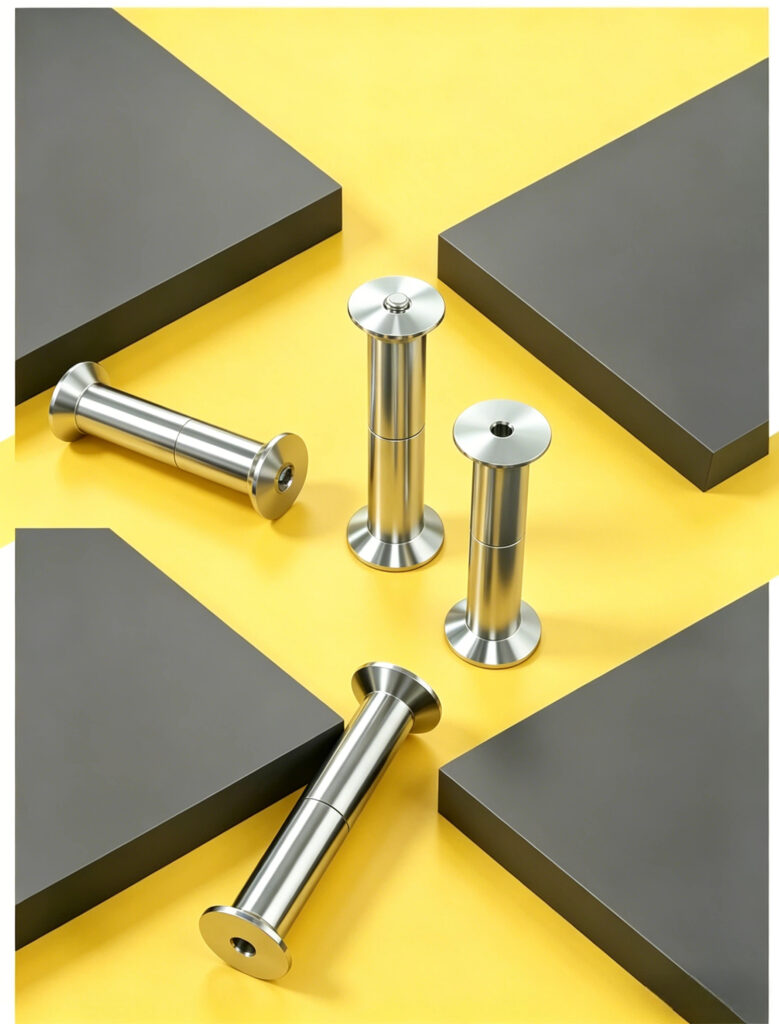
The production of standoff mounting hardware follows a precise sequence of operations. Raw material in bar form—aluminum, stainless steel, brass, nylon, or steel—is selected based on application requirements. The material is cut to length using automatic sawing equipment. The outer profile is turned on CNC lathes to achieve hex, round, or square shapes. Threads are cut using rolling or cutting methods for precise thread fit. For male-female standoffs, both external and internal threads are machined. Chamfers and deburring remove sharp edges. Surface finishing including anodizing, zinc plating, passivation, or powder coating is applied as required. Each standoff mounting hardware component undergoes dimensional inspection, thread gauge verification, and visual quality checks.
Types of Standoff Mounting Hardware:
Male-Female Standoff:
Features male threads on one end and female threads on the other. Allows stacking of multiple standoffs or mounting from both sides. Most common configuration for PCB mounting where one end screws into chassis and the other accepts a screw through the board.
Female-Female Standoff:
Features female threads on both ends. Accepts screws from both sides. Used as a spacer between two components where screws pass through both sides.
Male-Male Standoff:
Features male threads on both ends. Screws into two threaded holes or nuts. Used for joining two threaded components or as an extension stud.
Hex Standoff:
Features hexagonal outer profile allowing wrench tightening. Provides secure installation and removal without damaging the standoff. Most common profile for standoff mounting hardware.
Round Standoff:
Features smooth round outer profile. Used where space is constrained or where a hex shape is unnecessary. Typically requires lock washers or thread locker to prevent loosening.
Square Standoff:
Features square profile for additional wrenching surface. Less common than hex but provides similar functionality.
Specifications:
Typical specifications for standoff mounting hardware include:、
| Parameter | Typical Range |
| Thread Size | M2 to M12 or 2-56 to 1/4-20 |
| Length | 3mm to 100mm |
| Profile | Hex, round, or square |
| Material | Aluminum, stainless steel, brass, nylon, steel |
| Thread Class | 6H (metric) or 2B (unified) |
| Finish | Anodized, zinc plated, passivated, plain |
| Color | Clear, black, natural, custom |
Applications Across Industries:
Electronics and PCB Assembly:
Standoff mounting hardware is essential for mounting printed circuit boards to chassis, enclosures, and panels. Standoffs provide correct spacing for component clearance, prevent electrical shorts by lifting boards off conductive surfaces, allow airflow for cooling, and facilitate assembly and disassembly for maintenance.
Telecommunications:
Standoff mounting hardware mounts circuit boards in networking equipment, router chassis, and switch assemblies. Consistent spacing ensures proper connector alignment and signal integrity.
Medical Devices:
Standoff mounting hardware in diagnostic equipment, patient monitors, and surgical instruments requires stainless steel or nylon materials for cleanroom compatibility and corrosion resistance.
Industrial Controls:
Standoff mounting hardware mounts control boards, power supplies, and interface modules in industrial control panels. Vibration resistance and secure fastening are critical.
Aerospace and Defense:
Standoff mounting hardware in avionics, radar systems, and military electronics demands precision tolerances, high strength, and corrosion-resistant materials.
Consumer Electronics:
Standoff mounting hardware mounts internal components in computers, audio equipment, and household appliances. Cost-effective aluminum or nylon standoffs are common.
Excellent Case: High-Density PCB Stack
Background: A telecommunications equipment manufacturer needed to stack three PCBs in a compact enclosure with precise 10mm spacing between each board. Traditional plastic snap-in standoffs provided inconsistent height and poor vibration resistance.
Solution: A custom standoff mounting hardware solution was specified using aluminum hex standoffs with male-female configuration. Standoffs were 10mm length with M3 threads, clear anodized finish. The bottom standoff screwed into the chassis, the middle PCB mounted on top, then additional standoffs created the second and third levels.
Results:
- Spacing Accuracy: Achieved ±0.1mm spacing between all three boards
- Vibration Resistance: Withstood 10G vibration testing without loosening
- Assembly Time: Reduced by 50 percent compared to snap-in standoffs
- Reliability: Zero standoff failures after 5 years of field operation
- Serviceability: Boards could be removed individually without disassembling entire stack
This case demonstrates how standoff mounting hardware delivers precise spacing and reliable support in high-density electronic assemblies.
Installation Best Practices:
Proper installation ensures standoff mounting hardware performs reliably. Verify thread compatibility before assembly to prevent cross-threading. Use appropriate torque values for the thread size and material. For hex standoffs, use a wrench on the hex body to prevent rotation while tightening mating screws. For round standoffs, use thread-locking compound to prevent loosening under vibration. For male-female standoffs, install the male end first into the chassis or panel. Avoid over-torquing which can strip threads or damage components.
Conclusion:
Standoff mounting hardware represents an essential component for creating precise, reliable spacing in electronic and mechanical assemblies. By combining spacing and fastening functions, it simplifies assembly, ensures consistent alignment, and provides mechanical support. By understanding the materials, types, and selection criteria outlined in this guide, the right standoff mounting hardware can be selected for any application—from standard PCB assemblies to custom engineered solutions for demanding aerospace, medical, and industrial environments.