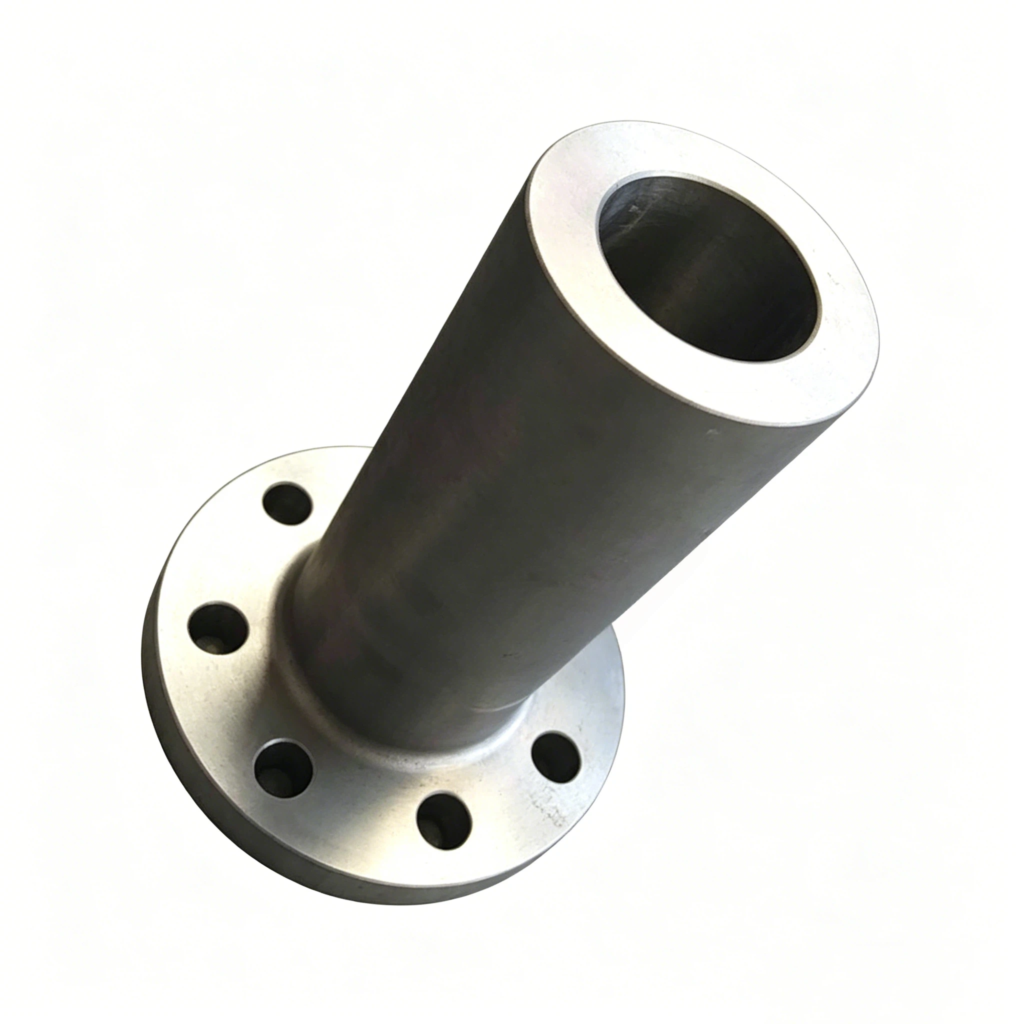
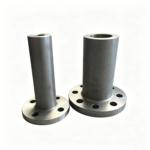
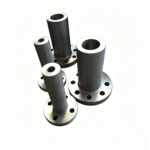
Precision High Stable Integral Ring Flange 8 Inch Size Stainless Steel 316L RTJ Flange
Request a Quote
Enter the quantity you need and add to your quote list for pricing inquiries.
Product Details
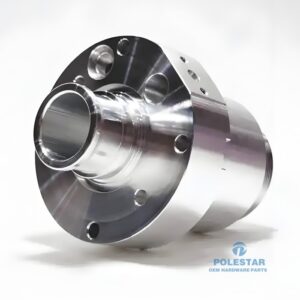
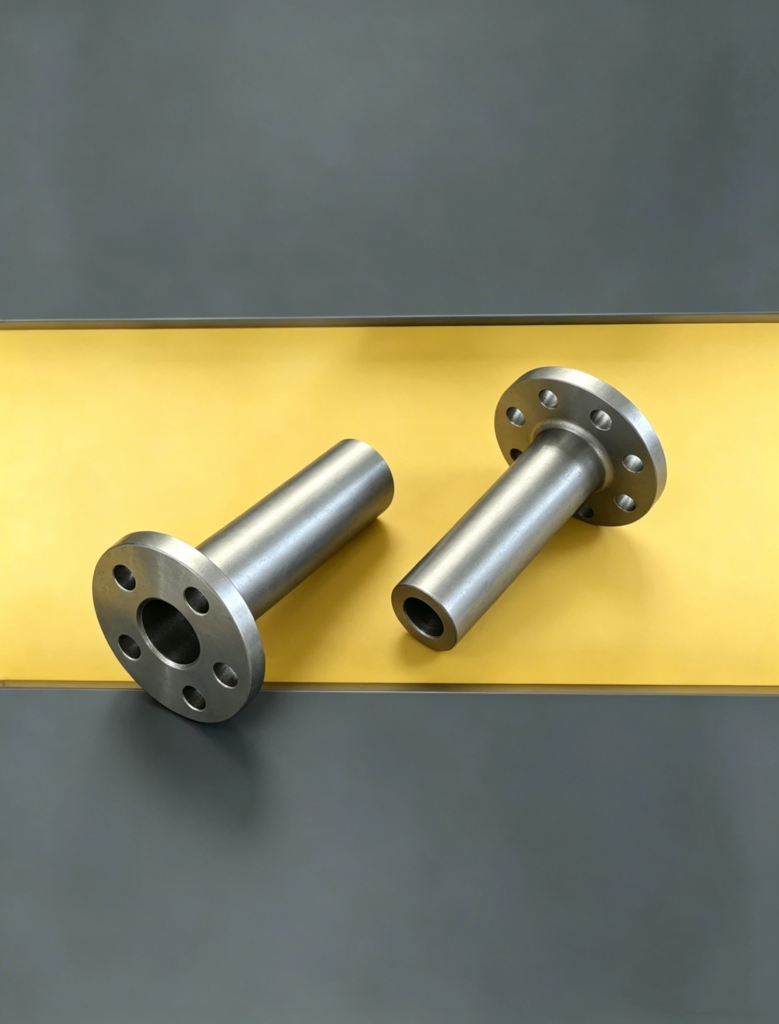
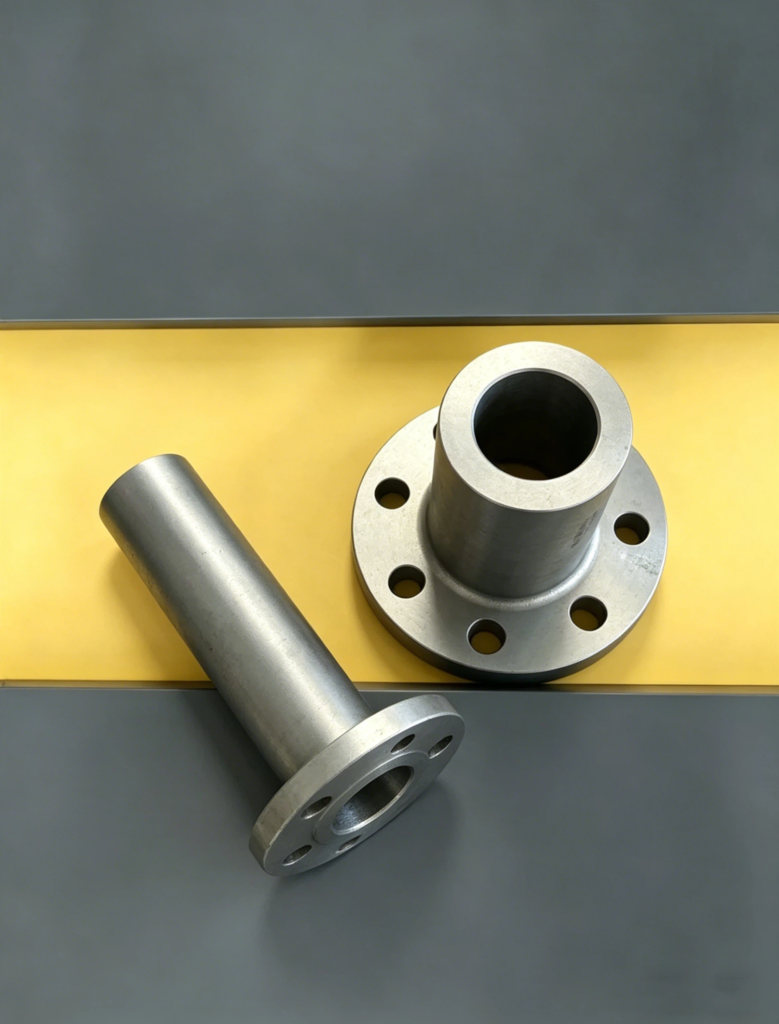
An integral ring flange has a machined groove that accepts a metal ring gasket for metal-to-metal sealing in high-pressure, high-temperature applications. Made from carbon steel, stainless steel, or alloy steel. Available in sizes from 1/2 to 48 inches, pressure classes 150 to 2500, and styles including weld neck and blind. Features precision groove, bolt holes, and forged construction. Suitable for oil and gas, petrochemical, and high-pressure steam systems. Custom options available.
What Is an Integral Ring Flange?
An integral ring flange is a flange that features a precision-machined groove on its sealing face, designed to accept a metal ring gasket. When two RTJ flanges are bolted together, the ring gasket is compressed into the grooves, creating a metal-to-metal seal. Unlike soft gaskets that can extrude or deteriorate, the metal ring gasket used with an integral ring flange withstands extreme pressures and temperatures.
It is characterized by its machined ring groove, solid construction, and robust design. Typical features include a precision-machined groove (style R, RX, or BX) on the sealing face, a solid flange body without a raised face, pre-drilled bolt holes on a standardized bolt circle, forged construction for high strength, and lifting lugs on larger sizes. Sizes typically range from 1/2 inch to 48 inches, with pressure classes from 150 to 2500. It provides reliable sealing in the most demanding service conditions.
Common Materials for Integral Ring Flange:
Carbon Steel is the most common material for this production. Grade A105 is standard for high-temperature service, while A350 LF2 is used for low-temperature applications. Suitable for oil, gas, and steam services.
Stainless Steel provides superior corrosion resistance. Grades 304, 304L, 316, and 316L are common for chemical, food, and marine environments. A stainless steel integral ring flange is suitable for corrosive fluids and high-purity applications.
Alloy Steel offers high strength and high-temperature capability. Grades F11, F22, and F91 are used in power generation and petrochemical plants. Suitable for high-temperature steam and hydrogen service.
Duplex Steel provides excellent corrosion resistance and high strength. Grades F51, F53, and F55 are used in offshore and marine environments.
Types of Integral Ring Flange:
RTJ Weld Neck Flange:
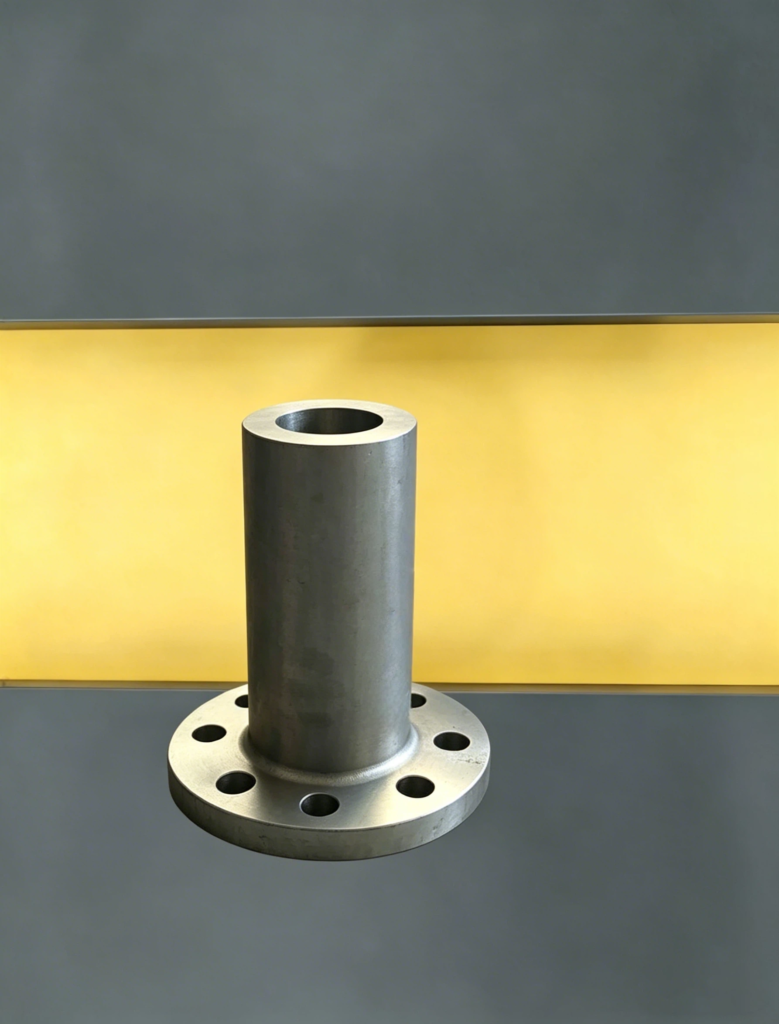
An integral ring flange with a long tapered hub for stress distribution. Most common configuration for high-pressure piping. Suitable for refinery and pipeline applications.
RTJ Blind Flange:
An integral ring flange with no center bore. Used to seal the end of a pipe or pressure vessel opening. Suitable for isolation and maintenance access.
RTJ Slip On Flange:
An integral ring flange that slides over the pipe end before welding. Suitable for low to medium pressure applications requiring RTJ sealing.
RTJ Threaded Flange:
An integral ring flange with internal threads for connection to threaded pipe. Suitable for low-pressure, non-critical applications.
Ring Groove Styles:
Style R Groove:
Standard oval or octagonal groove for use with oval or octagonal ring gaskets. Most common for general industrial RTJ applications.
Style RX Groove:
Pressure-energized groove design for use with RX ring gaskets. Provides higher sealing pressure as internal pressure increases.
Style BX Groove:
Modified groove design for very high-pressure applications (10,000+ PSI). Used in API 6A wellhead and Christmas tree connections.
Key Specifications:
| Parameter | Typical Range |
| Nominal Size | 1/2 to 48 inches |
| Pressure Class | 150 to 2500 |
| Groove Style | R, RX, BX |
| Material | Carbon steel, stainless steel, alloy steel |
| Standard | ASME B16.5, ASME B16.47, API 6A |
Applications Across Industries:
Oil and Gas:
An integral ring flange seals wellhead connections, manifold piping, and pipeline ends. High-pressure ratings handle extreme wellhead pressures up to 20,000 PSI.
Petrochemical:
An integral ring flange connects reactors, columns, and high-pressure piping. Alloy steel and stainless steel versions resist hydrogen attack and corrosion.
Power Generation:
An integral ring flange seals steam lines, boiler connections, and turbine nozzles. High-temperature alloys withstand creep conditions.
Refining:
An integral ring flange used in high-temperature, high-pressure hydrotreater and reformer circuits.
Offshore Platforms:
An integral ring flange with duplex steel construction resists chloride stress corrosion cracking.
Excellent Case: High-Pressure Gas Pipeline
Background: A natural gas pipeline operator needed to install a 10-inch block valve on a 1500 PSI gas transmission line. Standard raised face flanges with soft gaskets had experienced blowouts during pressure surges.
Solution: An integral ring flange was specified with 10-inch size, 1500 LB class, and A105 carbon steel. Style R octagonal ring gaskets were selected, and flanges were bolted with controlled torque.
Results:
- Seal Integrity: Zero leaks after 5 years of operation
- Pressure Surges: Withstood pressure spikes to 2000 PSI
- Maintenance: No gasket replacement required
- Installation: RTJ gaskets easier to install than soft gaskets
- Reliability: No blowout incidents
This case demonstrates how the integral ring flange provides reliable sealing in high-pressure gas applications.
How to Select the Right Integral Ring Flange:
Choosing the appropriate integral ring flange requires careful consideration of several factors. Pipe size determines the flange nominal size. Operating pressure determines the required pressure class. Operating temperature determines material grade. Fluid corrosiveness determines material selection. Groove style must match the ring gasket type, with R for most services and RX/BX for high pressure. Flange type (weld neck, blind, slip-on) depends on piping configuration.
Installation Best Practices:
Proper installation ensures the integral ring flange performs reliably. Clean flange faces and ring grooves thoroughly. Apply light lubricant to ring gasket. Place ring gasket in groove on one flange. Align flanges carefully to avoid damaging the gasket. Insert bolts and hand-tighten. Tighten bolts in star pattern to calculated torque. Use torque wrench for accuracy. Do not reuse ring gaskets once compressed.
Maintenance and Care:
Regular maintenance extends integral ring flange life. Inspect ring groove for damage during flange opening. Replace ring gasket each time flanges are separated. Check bolts for corrosion and retorque as needed. Lubricate bolts during reassembly. Store flanges with protective covers on ring grooves.
Conclusion:
The integral ring flange represents the standard of excellence for high-pressure, high-temperature sealing applications. By providing metal-to-metal sealing through a precision-machined ring groove, it outperforms raised face flanges in the most demanding services. By understanding the types, materials, and selection criteria outlined in this guide, the right integral ring flange can be selected for any application—from oil and gas pipelines to power generation facilities.