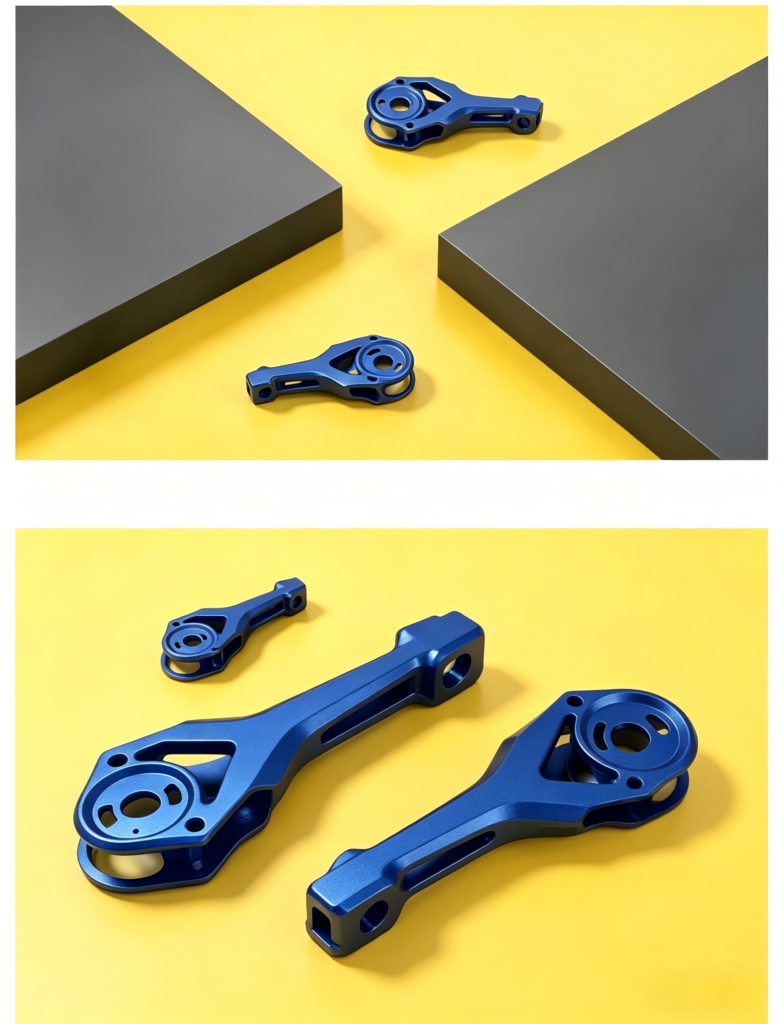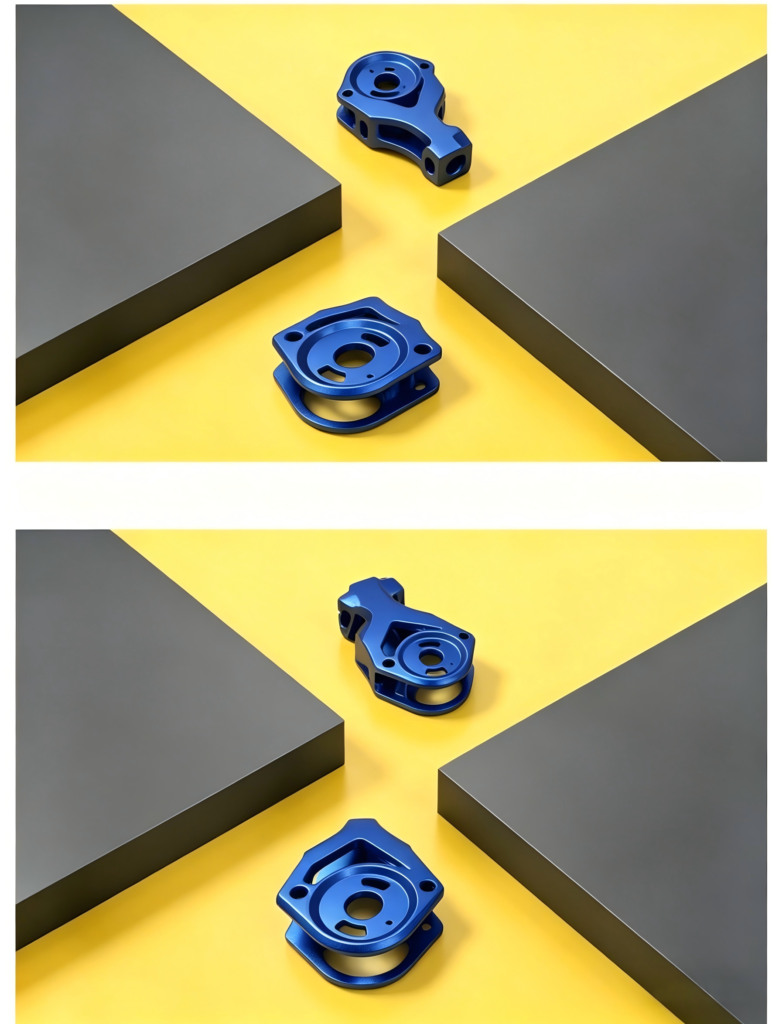
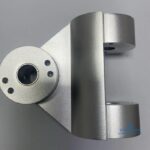
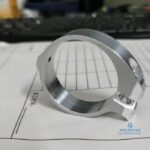
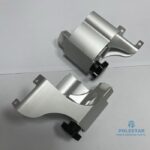
Multi-Angle Adjustable Clamp Mount for Camera Precision CNC Machined Aluminum Camera Mounting System
Request a Quote
Enter the quantity you need and add to your quote list for pricing inquiries.
Description
What is a Clamp Mount for Camera?
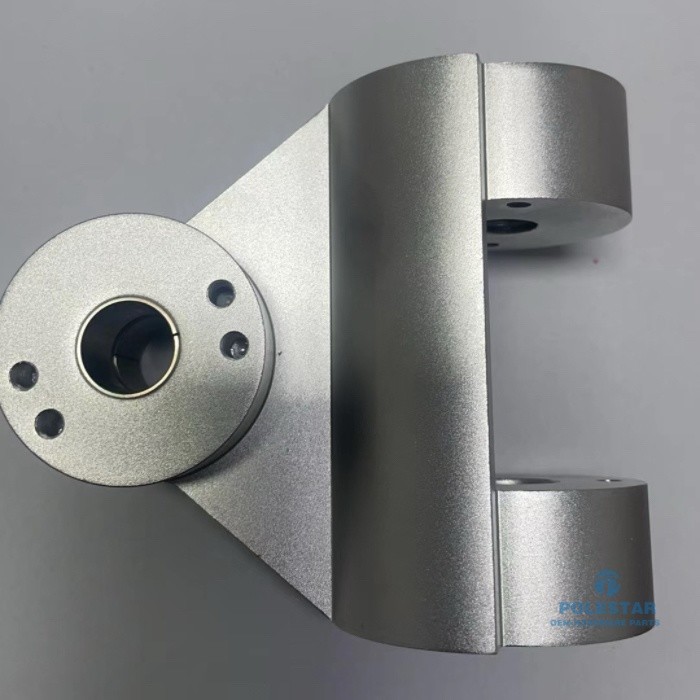
A clamp mount for camera is a high-precision mechanical fixture designed to securely attach cameras to a wide range of structures, including tripods, poles, desks, rigs, robotic arms, and industrial equipment. It provides a stable, adjustable, and vibration-resistant mounting interface that ensures consistent image capture in both static and dynamic environments.
Compared with traditional tripod systems, a clamp-based solution offers greater flexibility, faster setup, and more installation possibilities, making it a preferred choice in photography, filmmaking, live streaming, industrial inspection, and automated vision systems.
Key Features of Clamp Mount for Camera Systems:
1. Superior Stability and Vibration Control:
A professional clamp mount for camera is typically manufactured using CNC-machined aluminum or stainless steel. This rigid structure reduces vibration transmission, ensuring sharp and stable footage even in high-motion environments such as vehicles, drones, or factory floors.
2. Fast Installation and Tool-Free Operation:
Modern clamp systems are designed with quick-release or rotary locking mechanisms. Users can install or reposition the camera within seconds, significantly improving workflow efficiency in production and field operations.
3. Multi-Axis Adjustability:
A high-quality clamp mount for camera supports 360-degree rotation, tilt adjustment, and multi-angle positioning. This allows users to achieve precise framing for overhead shots, side angles, or unconventional shooting perspectives.
4. Wide Device Compatibility:
Clamp mounts support a variety of imaging devices, including DSLR cameras, mirrorless cameras, action cameras, and compact industrial vision sensors. Standard thread interfaces such as 1/4”-20 and 3/8” ensure universal compatibility.
Engineering and Material Advantages:
A premium clamp mount for camera is built with industrial-grade materials to ensure long-term reliability:
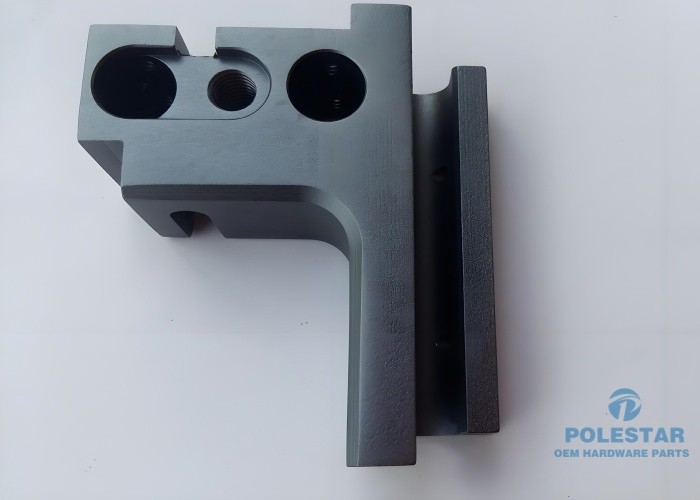
- CNC-machined aluminum alloy for lightweight durability
- Anodized surface finishing for corrosion and wear resistance
- High-torque steel screws for secure locking
- Rubberized pads to prevent surface damage and slipping
This combination ensures excellent mechanical strength while maintaining portability and ease of use.
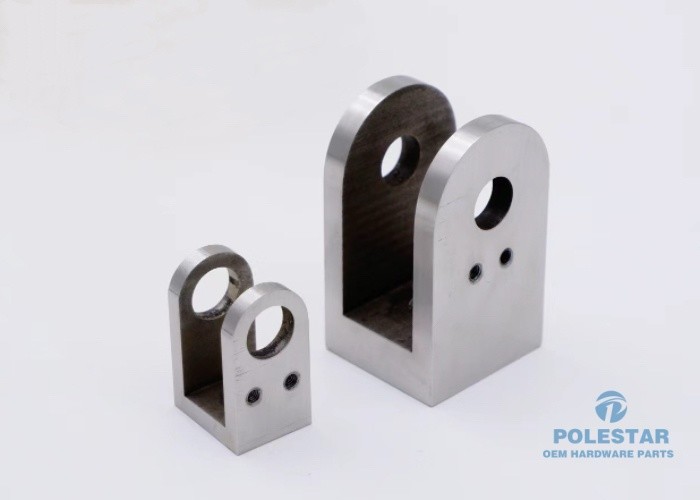
Industrial and Commercial Applications:
Photography and Content Creation:
Photographers and videographers use clamp mounts to achieve stable shots in environments where tripods are impractical. This includes car interiors, studio rigs, ceiling mounts, and outdoor setups.
Film Production and Broadcasting:
In professional media production, clamp systems are widely used for live events, stage performances, and studio broadcasting. They allow fast repositioning and stable camera placement during dynamic shooting conditions.
Industrial Inspection and Automation:
Factories and manufacturing lines utilize clamp mount for camera systems in quality inspection, machine monitoring, and automated vision analysis. They ensure cameras remain fixed in precise positions for consistent data capture.
Robotics and AI Vision Systems:
Clamp mounts are essential in robotics applications where cameras are installed on moving arms or autonomous platforms. They provide stability for real-time image processing and machine learning-based inspection.
Custom Engineering Solutions by Polestar:
Our company Polestar specializes in CNC machining and custom metal accessory manufacturing for industrial and professional applications.
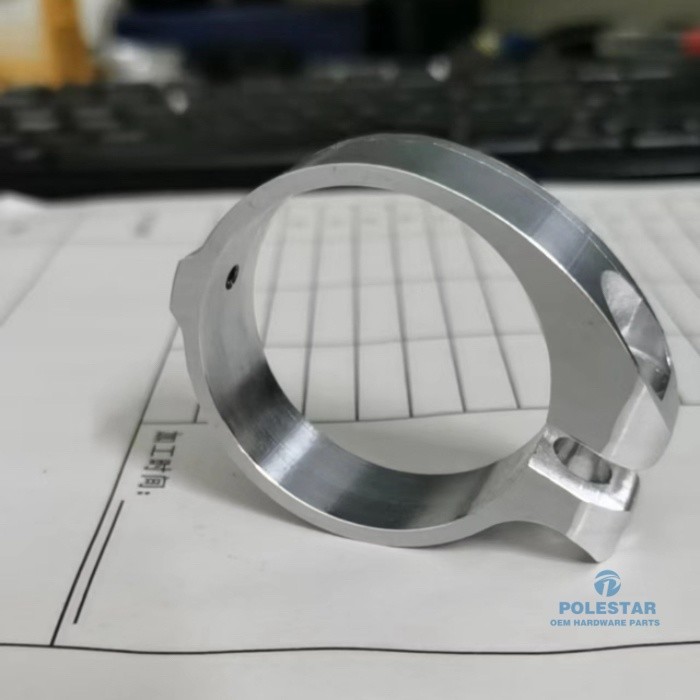
In a recent project, Polestar developed a custom clamp mount for camera system for a robotics automation client requiring high-speed inspection imaging. The challenge was to maintain extreme stability under continuous vibration while integrating the mount into a compact robotic arm system.
Polestar engineered a reinforced aluminum clamp structure with optimized stress distribution and enhanced locking torque. The design also included modular mounting interfaces for flexible camera positioning.
As a result, the client achieved:
- Significantly improved image stability
- Reduced calibration downtime
- Enhanced accuracy in automated inspection processes
- Increased system reliability in continuous operation
This case demonstrates Polestar’s capability in delivering precision-engineered clamp mount for camera solutions tailored for demanding industrial environments.
Design Variants of Clamp Mount for Camera:
Different applications require different clamp configurations:
- Heavy-duty industrial camera clamp mount
- Adjustable articulating camera arm clamp
- Desk-mounted clamp for streaming setups
- Pole-mounted outdoor camera bracket
- Quick-release modular camera clamp system
Each variant is optimized for load capacity, adjustability, and environmental conditions.
Why Choose a Clamp Mount for Camera?
A clamp mount system provides multiple advantages over traditional mounting solutions:
- Fast installation and repositioning
- High mechanical stability and anti-vibration performance
- Flexible multi-angle shooting capability
- Compact and portable design
- Suitable for both creative and industrial environments
- Cost-effective and scalable mounting solution
As imaging technology evolves, clamp-based systems are becoming a core standard in modern camera mounting engineering.