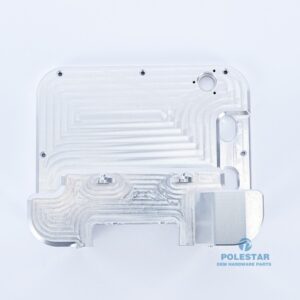
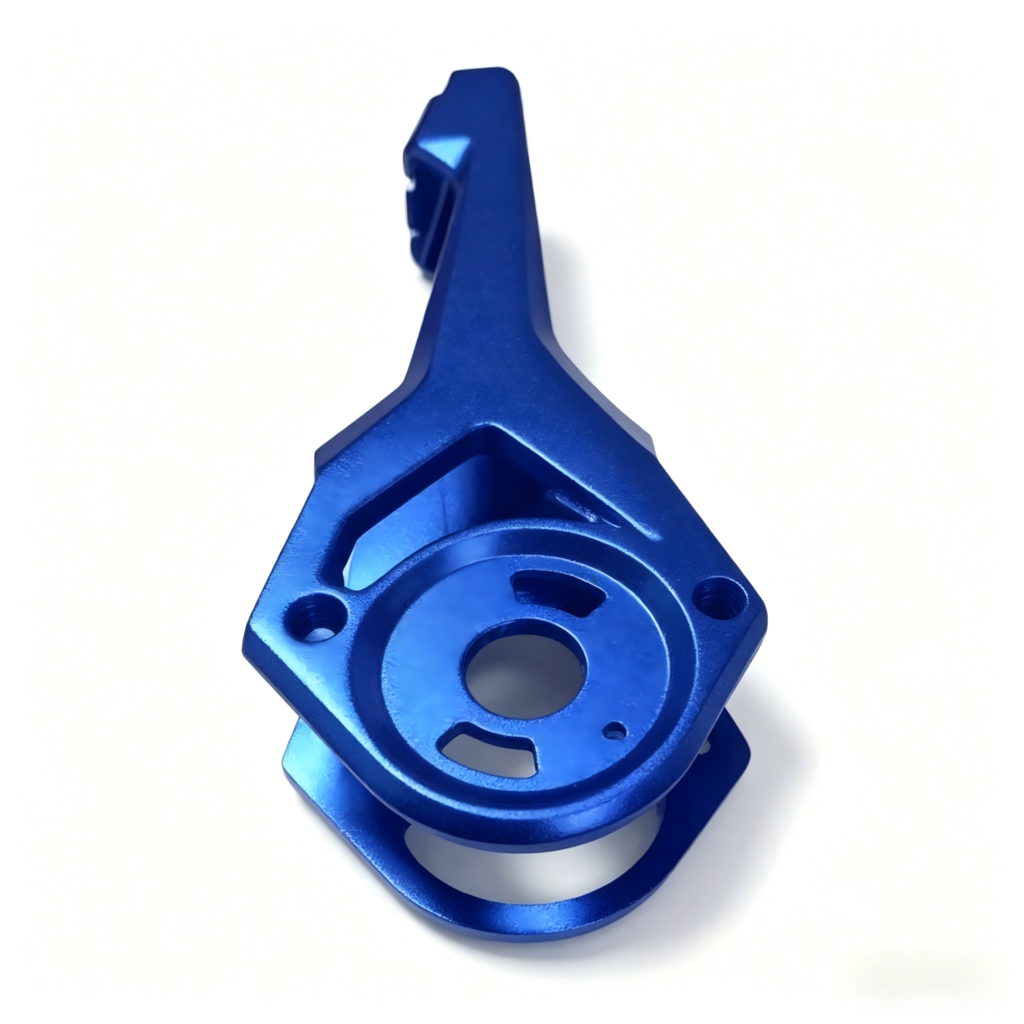
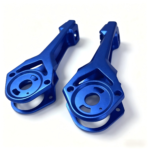
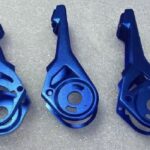
Custom High Quality Gimbal Mount Bracket 360 Degree Rotation 12mm Bore Diameter Steel Bracket
Request a Quote
Enter the quantity you need and add to your quote list for pricing inquiries.
Product Details
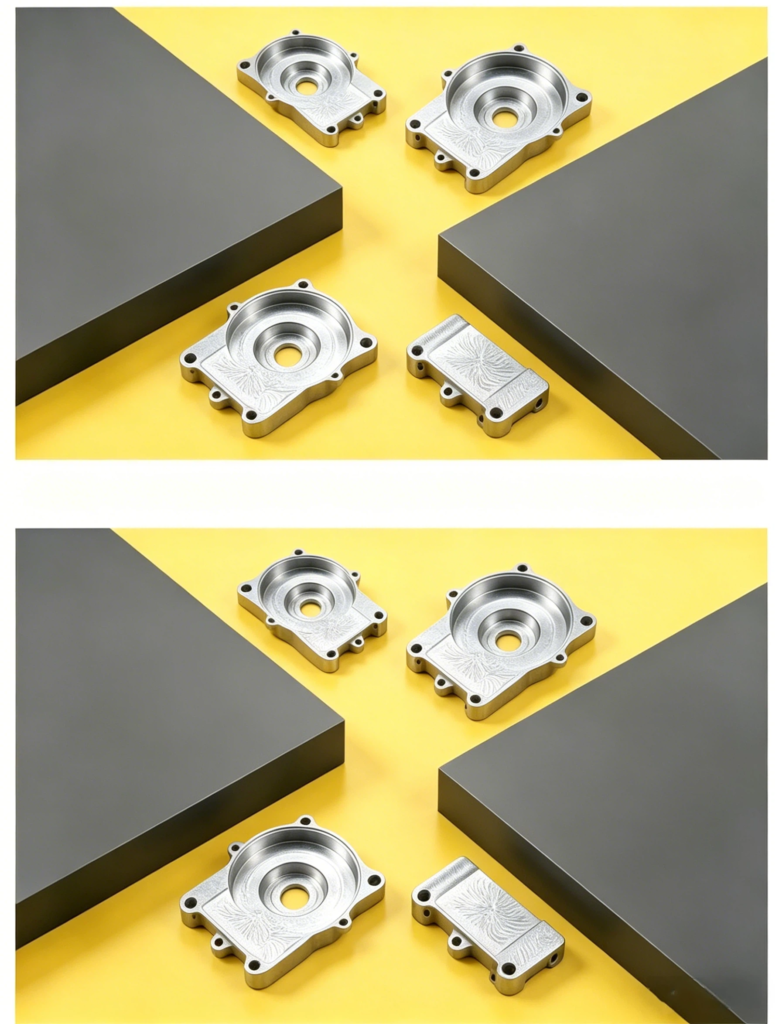
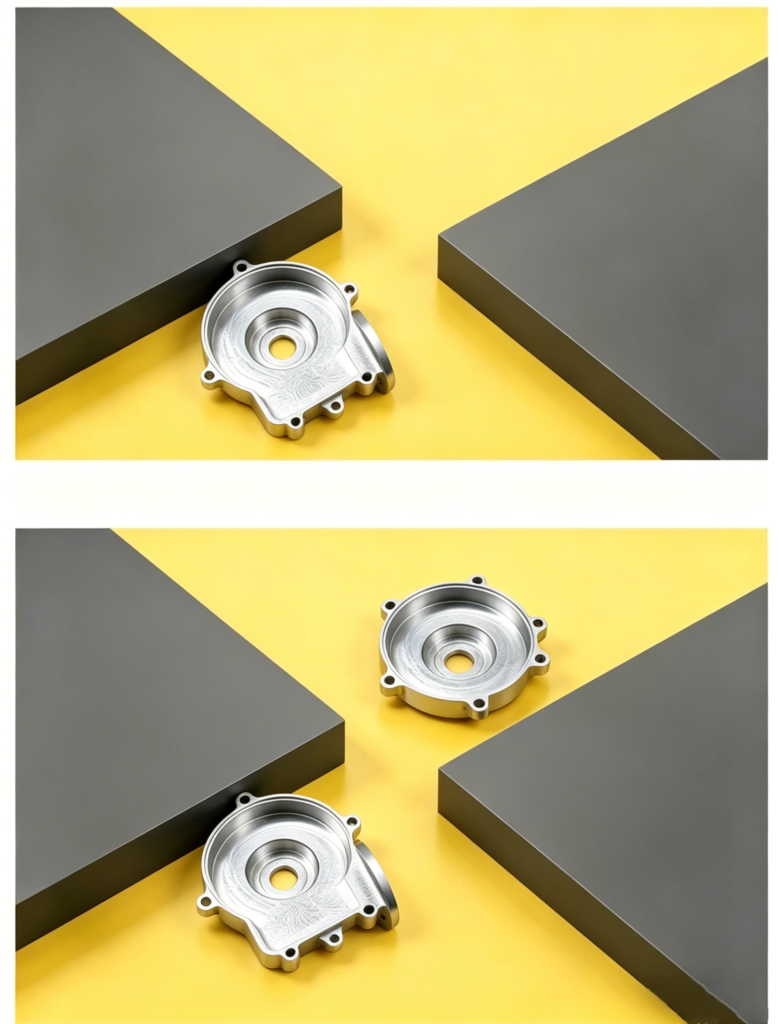
A gimbal mount bracket is a precision mounting component that attaches a gimbal stabilizer to cameras, drones, vehicles, helmets, or other equipment. It provides secure, vibration-resistant mounting while allowing full range of motion for smooth stabilization. Manufactured from aluminum, stainless steel, carbon fiber, or steel. Available in custom sizes, thread patterns including 1/4-20 and 3/8-16, and configurations for 2-axis or 3-axis gimbals. Features include anti-vibration padding, quick release mechanisms, and corrosion resistant finishes. Suitable for photography, videography, drone racing, FPV, and action sports. Custom brackets available with specific hole patterns, offsets, and mounting orientations.
What Is a Gimbal Mount Bracket?
A gimbal mount bracket is a mechanical interface that securely attaches a gimbal stabilizer to a camera, drone, vehicle, helmet, chest harness, or other mounting platform. Unlike simple adapters, the gimbal mount bracket provides vibration damping, quick release capability, and precise alignment to ensure optimal stabilization performance. It allows the gimbal to pivot freely while maintaining a rigid connection to the mounting surface.
The gimbal mount bracket is characterized by its threaded mounting points, vibration isolation features, and secure locking mechanisms. Typical features include standard 1/4-20 or 3/8-16 threaded holes for camera and tripod compatibility, rubber or silicone vibration dampers to isolate high-frequency vibrations, quick release plates for rapid camera changes, anti-rotation pins to prevent twisting, and lightweight construction for portable use. Gimbal mount bracket designs range from simple flat plates to complex multi-axis arms.
Manufacturing Process:
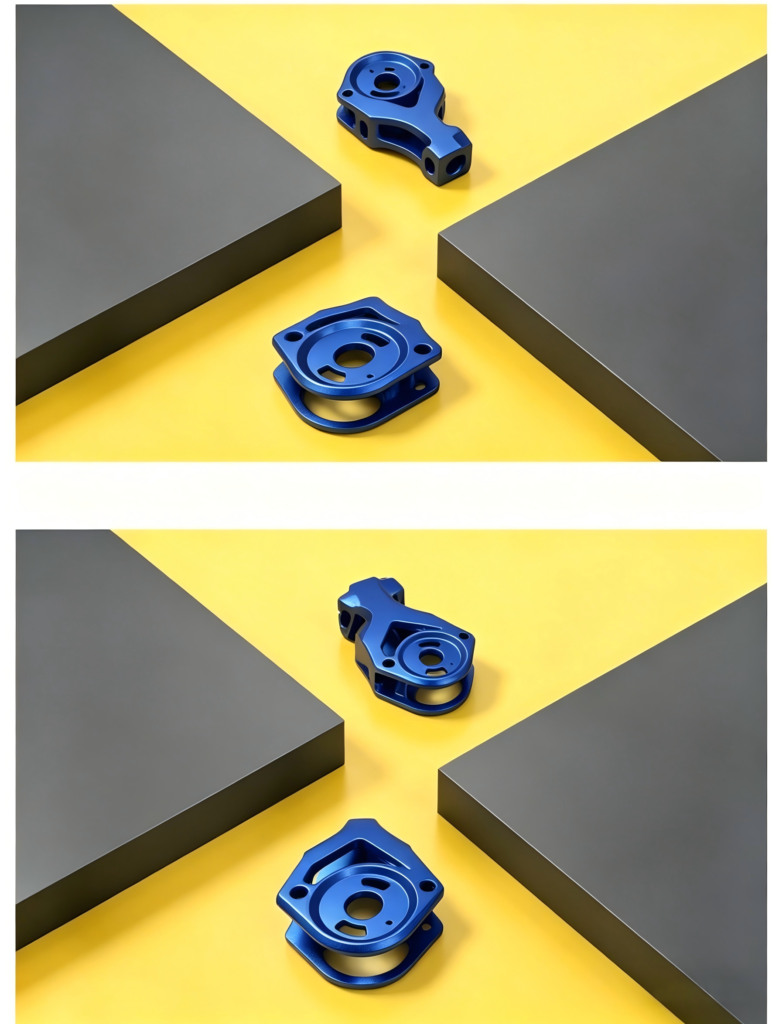
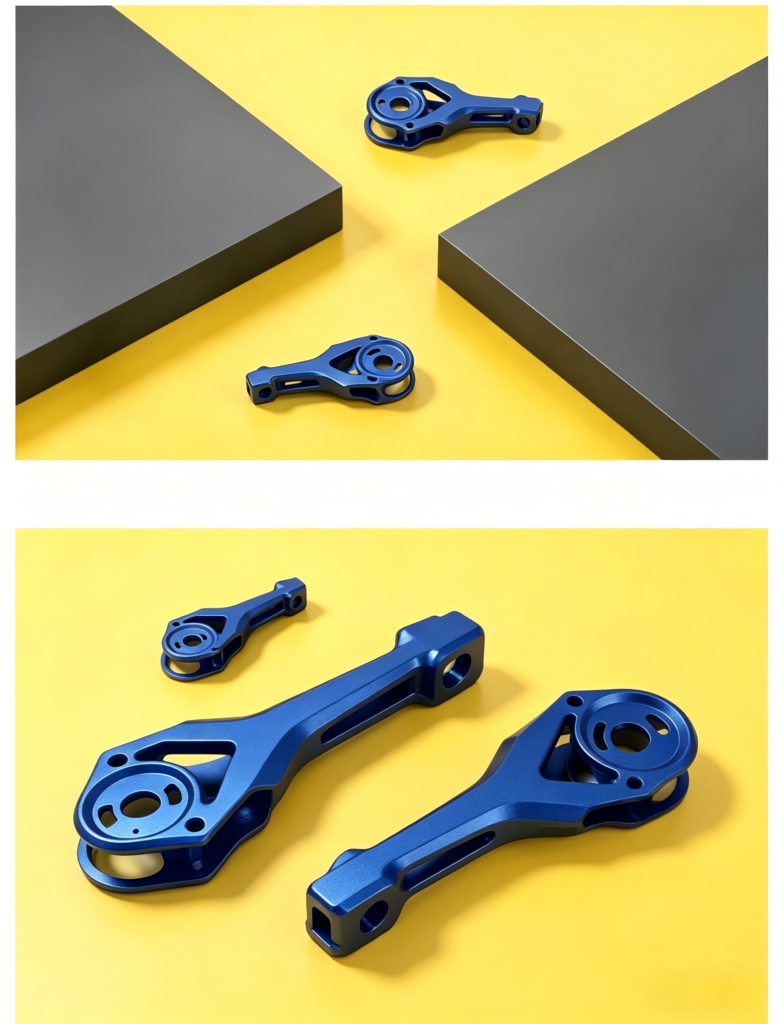
The production of a gimbal mount bracket follows a precise sequence of operations. Raw material—aluminum, stainless steel, carbon fiber, or steel—is selected based on strength, weight, and cost requirements. For aluminum brackets, CNC machining from billet 6061 or 7075 aluminum creates precise contours, threaded holes, and lightweight cutouts. For carbon fiber brackets, prepreg carbon fiber sheets are laser cut and cured in molds. Surface finishing including anodizing, powder coating, or painting is applied for corrosion protection and appearance. Rubber or silicone vibration dampers are molded and bonded to the bracket. Each gimbal mount bracket undergoes dimensional inspection, thread verification, and load testing.
Common Materials for Gimbal Mount Bracket:
Aluminum is the most common material for gimbal mount bracket production. Grades 6061 and 7075 offer excellent strength-to-weight ratio, good machinability, and corrosion resistance. Anodizing provides color options and wear resistance. Ideal for camera gimbals, drone mounts, and handheld stabilizers.
Stainless Steel provides superior strength and corrosion resistance. Heavier than aluminum but offers maximum durability. Suitable for heavy-duty applications, marine environments, and industrial use.
Carbon Fiber offers the highest strength-to-weight ratio and excellent vibration damping. Lightweight and stiff. Ideal for professional drone gimbals, racing drones, and high-end camera rigs.
Steel provides maximum strength at lowest cost. Heavier than aluminum. Suitable for stationary mounts, vehicle mounts, and industrial applications where weight is not critical.
Types of Gimbal Mount Brackets:
Camera Gimbal Mount Bracket:
Attaches a gimbal to a camera via the camera’s tripod thread or cage system. Provides secure connection while allowing gimbal to support camera weight. Available with 1/4-20 or 3/8-16 threads. Suitable for DSLR, mirrorless, and cinema cameras.
Drone Gimbal Mount Bracket:
Attaches a gimbal to a drone frame. Features vibration damping rubber balls to isolate motor and propeller vibrations. Available for DJI, GoPro, and custom FPV drone builds.
Helmet Gimbal Mount Bracket:
Attaches a gimbal to a helmet for hands-free stabilization. Features curved base to match helmet contour. Suitable for action sports, motorcycle riding, and skiing.
Vehicle Gimbal Mount Bracket:
Attaches a gimbal to a car, boat, or aircraft. Features suction cup or clamp mounting with vibration isolation. Suitable for automotive filming, marine videography, and aerial imaging.
Chest Mount Gimbal Bracket:
Attaches a gimbal to a chest harness for first-person perspective filming. Provides stable mounting while allowing natural body movement. Suitable for action sports and POV filming.
Extension Arm Gimbal Bracket:
Extends gimbal away from mounting surface for overhead or underslung shots. Features multiple adjustment points. Suitable for jib-like shots and creative angles.
Applications Across Industries:
Photography and Videography:
Gimbal mount brackets attach camera gimbals to tripods, monopods, sliders, and jibs. Quick release plates allow rapid camera changes between handheld and tripod use.
Drone Racing and FPV:
Gimbal mount brackets attach GoPro or action camera gimbals to racing drones. Vibration damping eliminates jello effect in footage.
Action Sports:
Gimbal mount brackets attach gimbals to helmets, chest harnesses, handlebars, and surfboards. Secure mounting withstands impact and vibration.
Automotive and Motorsports:
Gimbal mount brackets attach cameras to car interiors, exteriors, and roll cages. Suction cup mounts provide temporary attachment.
Surveillance and Security:
Gimbal mount brackets attach PTZ cameras and thermal cameras to poles, walls, and vehicles. Weatherproof construction for outdoor use.
Industrial Inspection:
Gimbal mount brackets attach inspection cameras to robots, drones, and booms. Rugged construction for harsh environments.
Excellent Case: FPV Drone Racing:
Background: An FPV drone racer needed a stable mount for a GoPro gimbal on a 5-inch racing drone. Direct mounting transmitted motor vibrations to the camera, causing jello effect in footage.
Solution: A gimbal mount bracket with silicone vibration damping balls was installed between the drone frame and the gimbal. The bracket featured 1/4-20 threaded mount for the gimbal and M3 holes for drone frame attachment.
Results:
- Video Quality: Jello effect completely eliminated
- Vibration Reduction: 90 percent reduction in transmitted vibration
- Weight: 25 gram bracket added minimal weight
- Durability: Survived multiple crashes with no damage
- Installation: 10 minute installation with included hardware
This case demonstrates how a gimbal mount bracket with vibration damping improves video quality in high-vibration FPV drone applications.
Installation Best Practices:
Proper installation ensures the gimbal mount bracket performs reliably. Clean all mounting surfaces before attachment. Use thread-locking compound on screws in high-vibration applications. Tighten screws to appropriate torque without stripping threads. For vibration damping brackets, ensure rubber balls are properly seated. Verify gimbal has full range of motion without interference. Balance gimbal after bracket installation.
Maintenance and Care:
Regular maintenance extends gimbal mount bracket life. Inspect rubber vibration dampers for cracking or hardening. Replace damaged dampers promptly. Check screw tightness periodically, especially after crashes or heavy use. Clean bracket with mild soap and water. Avoid abrasive cleaners that can damage anodized finishes.
Conclusion:
The gimbal mount bracket represents an essential accessory for stabilizing cameras in photography, videography, drone racing, action sports, and industrial inspection applications. By providing secure, vibration-resistant mounting, it enables smooth, professional-quality footage in demanding environments. By understanding the types, materials, and selection criteria outlined in this guide, the right gimbal mount bracket can be selected for any application—from lightweight FPV drones to heavy-duty cinema camera rigs.