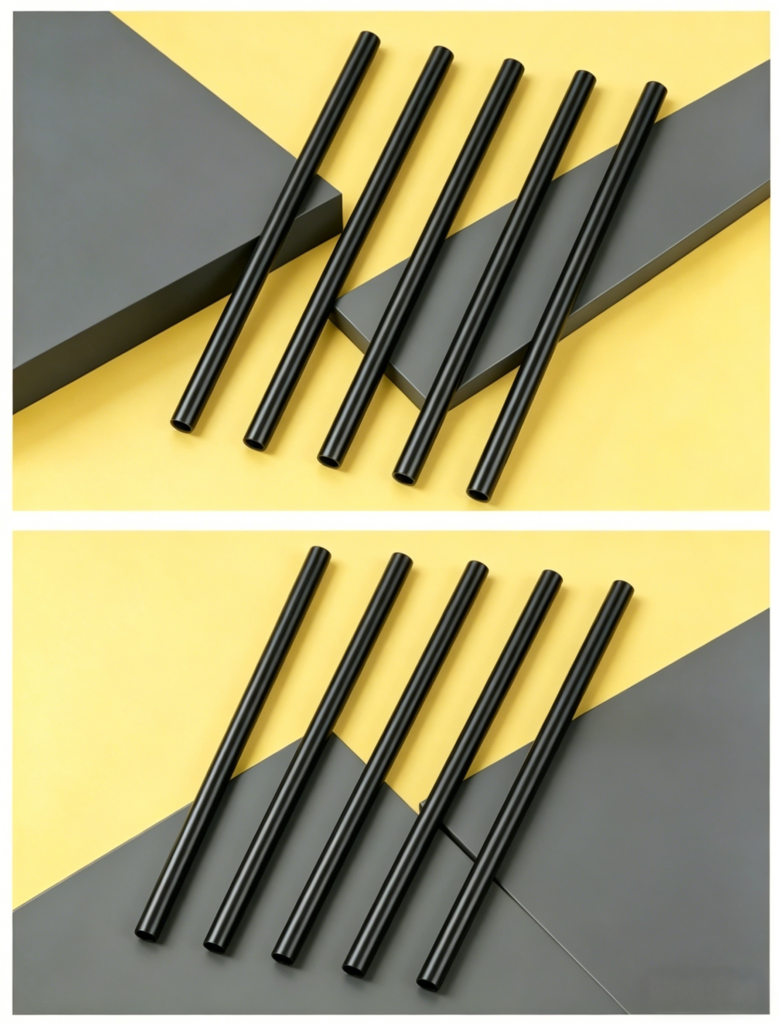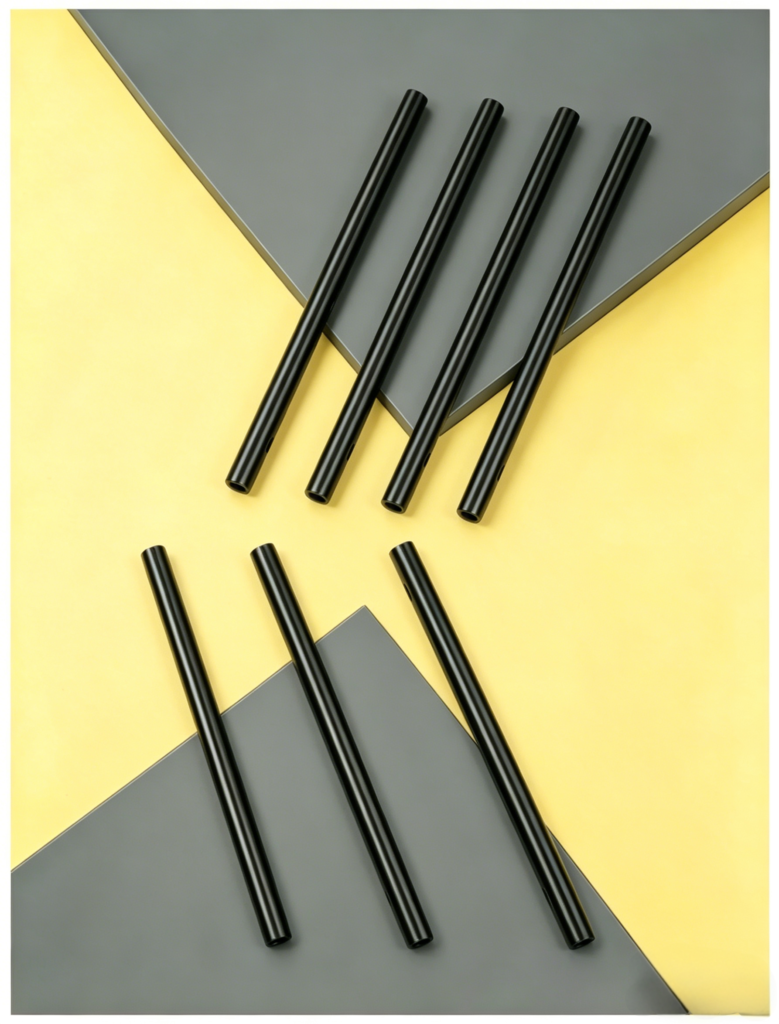
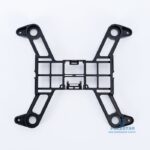
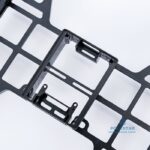
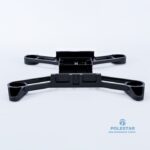
OEM Drone Frame Parts Carbon Fiber and Aluminum Hybrid Lightweight Structural Components Superior Precision Manufacturing
Request a Quote
Enter the quantity you need and add to your quote list for pricing inquiries.
Description
WWhat Are Drone Frame Parts?
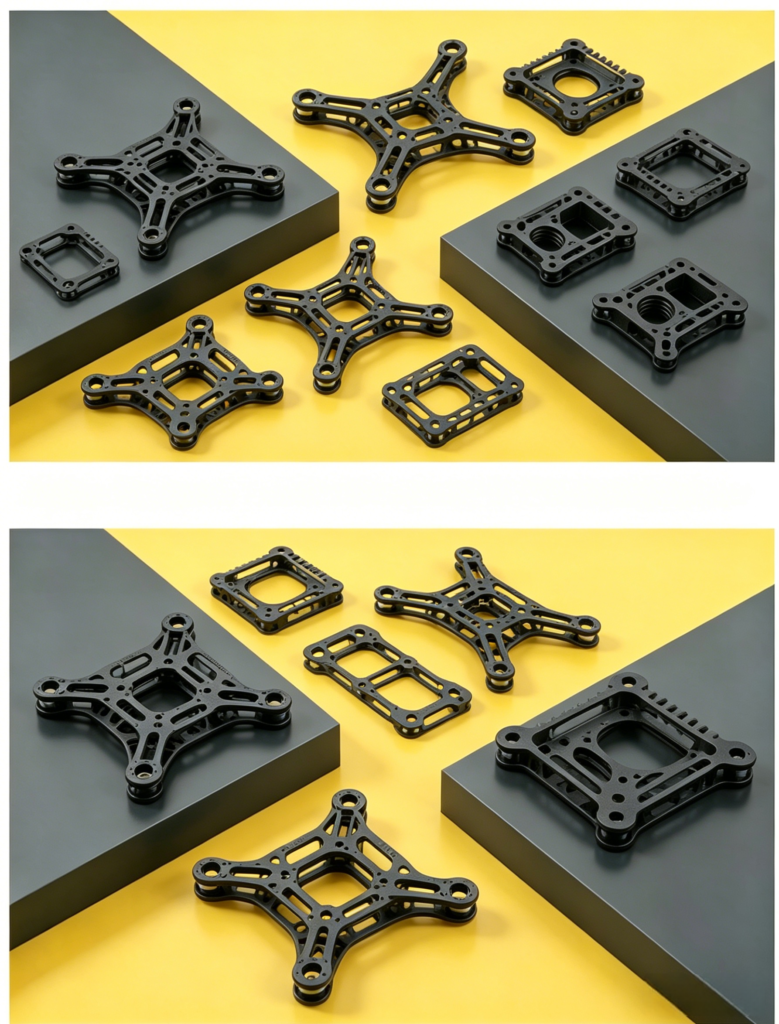
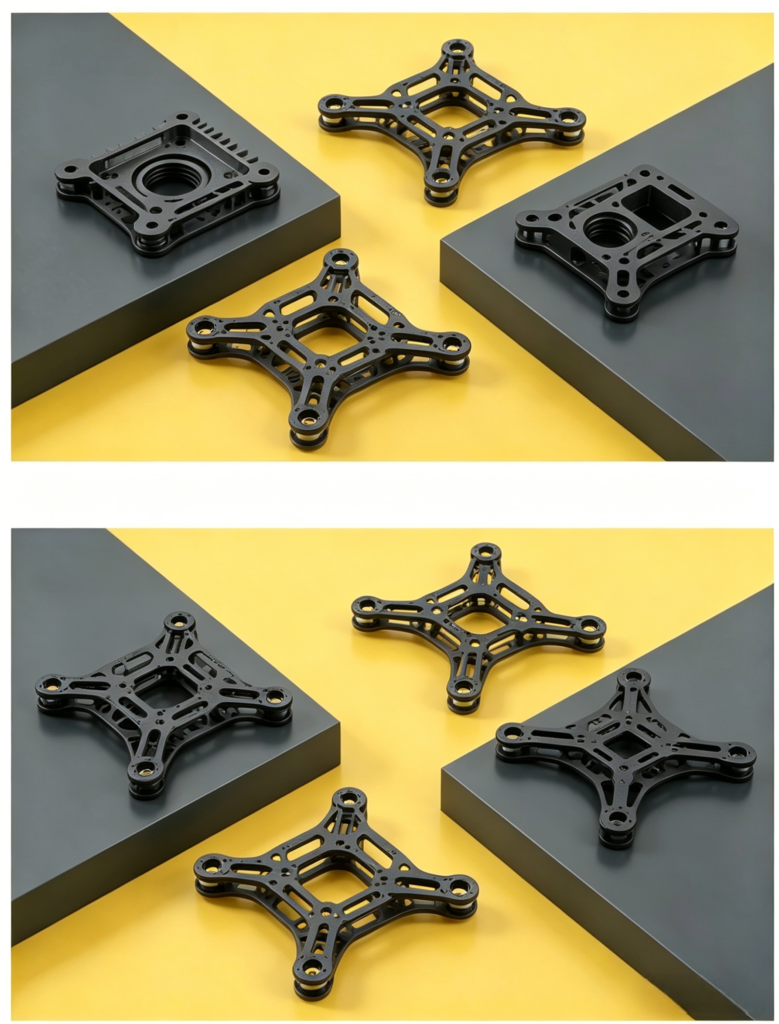
Drone frame parts are the core structural elements that form the skeleton of an unmanned aerial vehicle (UAV). They provide mechanical support for all critical systems, including propulsion, power supply, flight control, and payload integration. In modern UAV engineering, drone frame parts determine not only the physical stability of the drone but also its flight efficiency, durability, and mission capability.
From lightweight consumer drones to heavy-duty industrial UAVs, the quality and design of drone frame parts directly influence performance, safety, and operational lifespan.
Main Structure of Drone Frames:
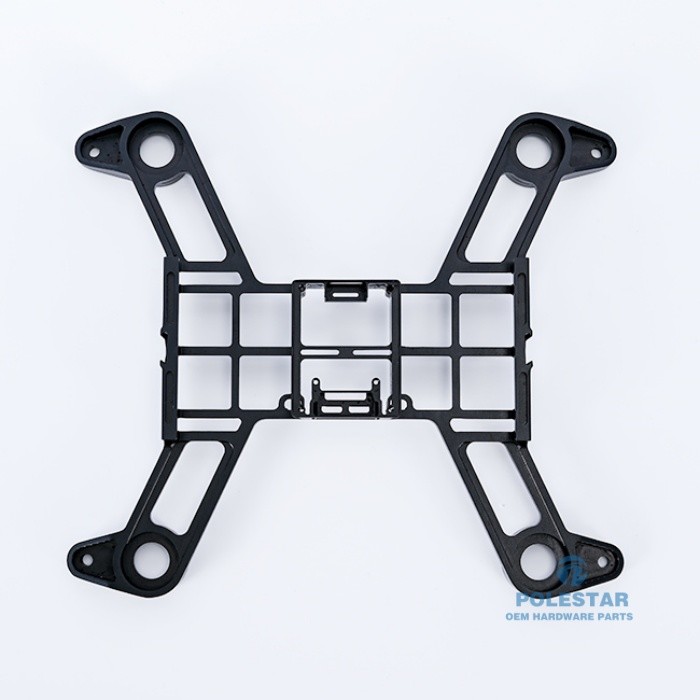
A typical drone structure is composed of multiple precision-engineered components:
Central Body Frame:
The central plate acts as the main load-bearing structure, connecting all subsystems and distributing stress evenly.
Structural Arms:
Arms extend outward to hold motors and propellers. Their rigidity and alignment are critical for stable flight and vibration control.
Motor Mounting System:
Precision interfaces ensure accurate motor positioning, reducing imbalance and improving thrust efficiency.
Landing Gear Assembly:
Designed to absorb impact during takeoff and landing, protecting sensitive electronics.
Payload Integration Modules:
Used for mounting cameras, sensors, LiDAR systems, or delivery mechanisms.
Battery Compartment:
Ensures secure placement of power systems while maintaining optimal weight distribution.
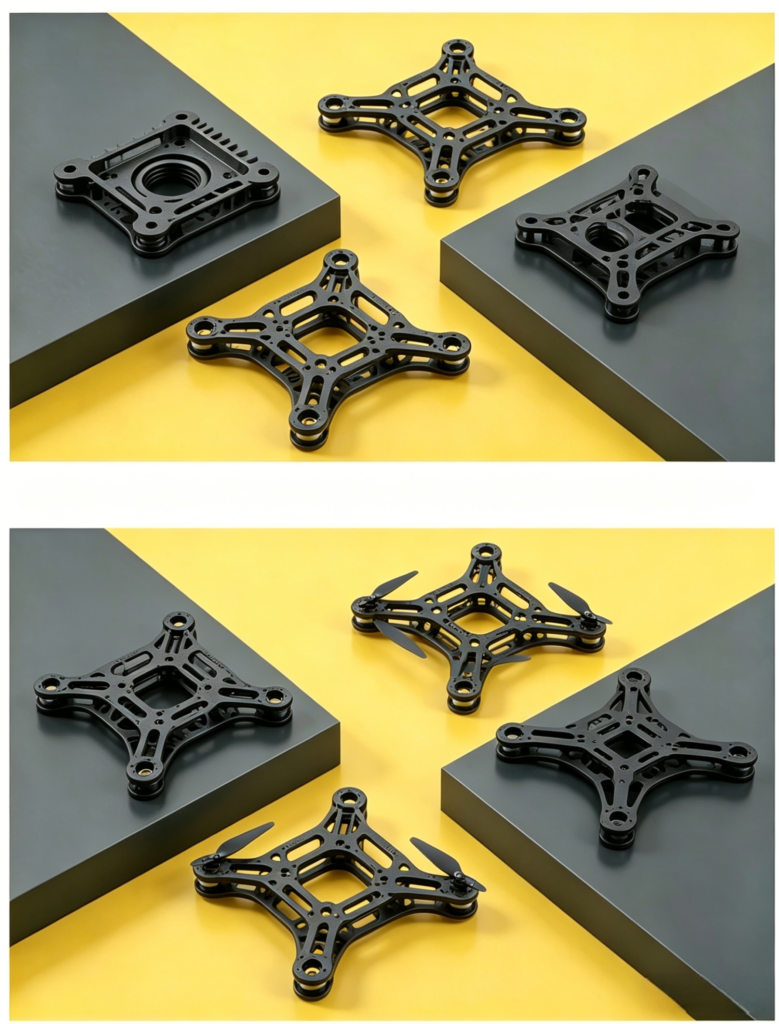
Materials Used in Drone Frame Parts:
Material selection is a key factor in UAV performance engineering.
Carbon Fiber Composite:
- Ultra-lightweight
- High strength-to-weight ratio
- Excellent vibration resistance
Used in racing and high-performance drones where speed and agility are critical.
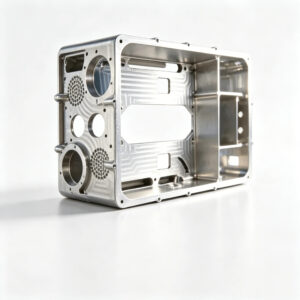
CNC Machined Aluminum:
- High structural strength
- Superior heat dissipation
- Excellent corrosion resistance
Widely used in industrial-grade drone frame parts requiring durability and precision.
Injection Molded Plastics:
- Cost-effective for mass production
- Suitable for lightweight consumer drones
- Allows complex geometries and fast manufacturing cycles
Advanced Engineering Alloys:
Titanium and hybrid composites are used in specialized UAV applications requiring extreme durability and environmental resistance.
Manufacturing Processes:
Modern UAV production relies on advanced manufacturing technologies:
CNC Machining:
Provides ultra-precise shaping of metal components with tight tolerances, making it ideal for professional drone frame parts.
Carbon Fiber Layup:
Multiple composite layers are formed and cured to create lightweight yet extremely strong structures.
Die Casting:
Used for large-scale production of aluminum components with consistent quality and efficiency.
Injection Molding:
Best suited for plastic components requiring high-volume production and complex geometry.
Engineering Considerations in Drone Frame Design:
To ensure optimal UAV performance, drone frame parts must meet several engineering criteria:
Weight Optimization:
Reducing overall mass improves flight endurance, payload capacity, and maneuverability.
Structural Rigidity:
Frames must withstand vibration, wind resistance, and operational stress without deformation.
Aerodynamic Efficiency:
Streamlined designs reduce air resistance and enhance energy efficiency.
Thermal Performance:
Proper heat dissipation is essential for protecting onboard electronics and power systems.
Modular Architecture:
Modern drone frame parts are increasingly designed for easy assembly, maintenance, and system upgrades.
Industrial Applications of Drone Frame Parts:
Drone technology is rapidly expanding across multiple industries:
- Aerial photography and cinematography
- Agricultural monitoring and crop analysis
- Infrastructure inspection (bridges, pipelines, power lines)
- Logistics and autonomous delivery systems
- Security surveillance and defense operations
Each application requires customized drone frame parts tailored to payload capacity, flight duration, and environmental conditions.
Polestar Case Study: High-Precision UAV Frame Engineering
Polestar specializes in delivering custom-engineered drone frame parts for global UAV manufacturers and industrial clients.
Project Overview:
A recent project involved designing a lightweight yet rigid aluminum UAV structure for industrial inspection missions.
Technical Specifications:
- Material: Aerospace-grade aluminum alloy
- Process: 5-axis CNC machining
- Tolerance Control: ±0.01 mm precision
- Surface Treatment: Hard anodizing for corrosion resistance
Performance Improvements:
- 18% reduction in overall structural weight
- 25% increase in frame rigidity
- Enhanced thermal management for onboard systems
This project demonstrates how optimized drone frame parts can significantly improve UAV efficiency, stability, and mission reliability in demanding environments.
Advantages of Custom Drone Frame Parts:
Customized engineering solutions provide significant benefits:
- Application-specific structural design
- Improved mechanical performance and durability
- Better integration with advanced UAV systems
- Enhanced brand competitiveness in the drone industry
- Scalable manufacturing for different production volumes
For companies developing UAV systems, investing in precision drone frame parts is essential for long-term success.
Future Trends in Drone Frame Engineering:
The UAV industry is evolving rapidly, and drone frame parts are becoming more advanced:
- Increased use of hybrid composite materials
- Integration of smart structural monitoring systems
- Lightweight lattice and topology-optimized designs
- Greater adoption of automation in CNC manufacturing
- Higher demand for modular and foldable drone architectures
These innovations will continue to push UAV performance boundaries.
Conclusion:
Drone frame parts are the foundation of every UAV system, defining its strength, efficiency, and operational capability. From advanced materials to precision CNC manufacturing, every detail contributes to overall performance. As drone applications expand across industries, high-quality engineering and customization will remain critical for achieving competitive advantage and technological advancement.