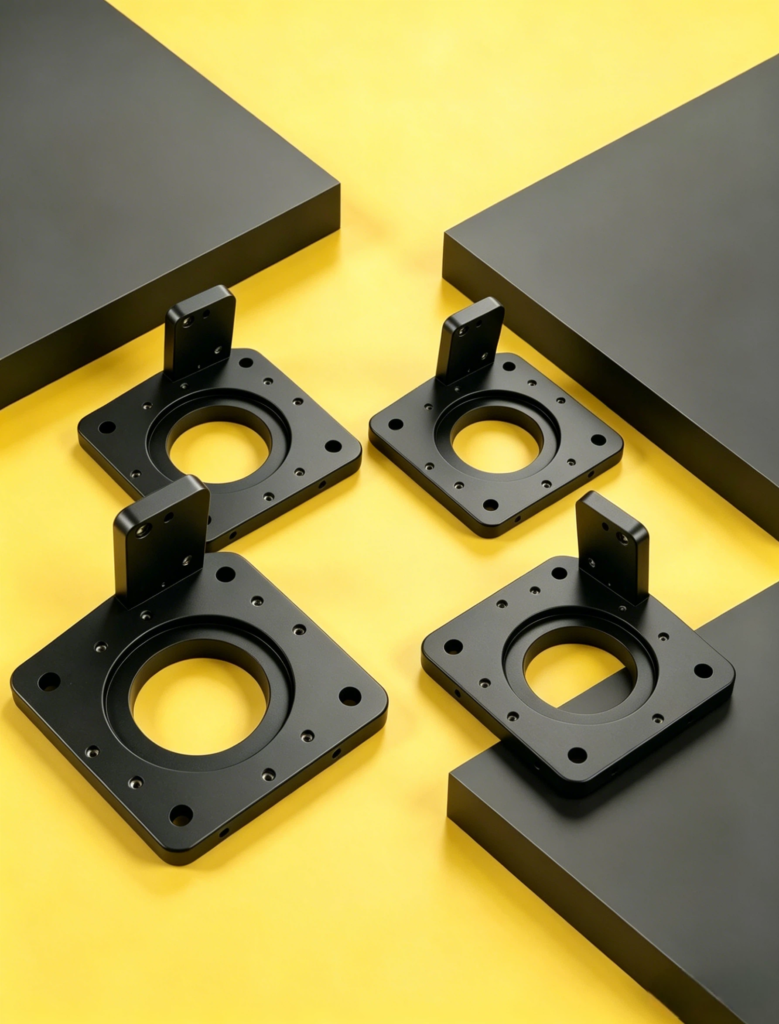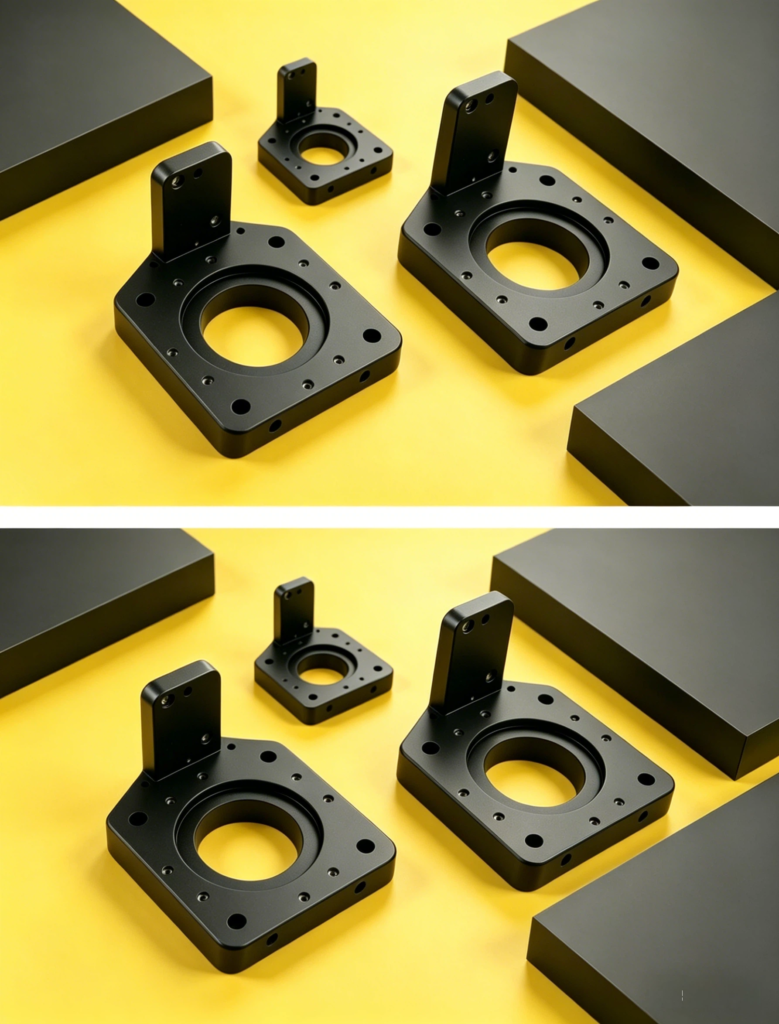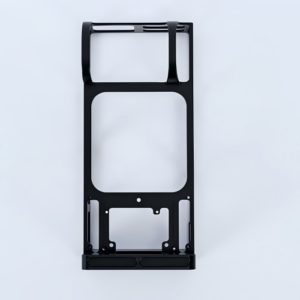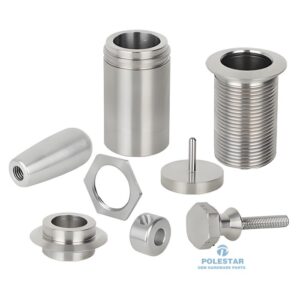
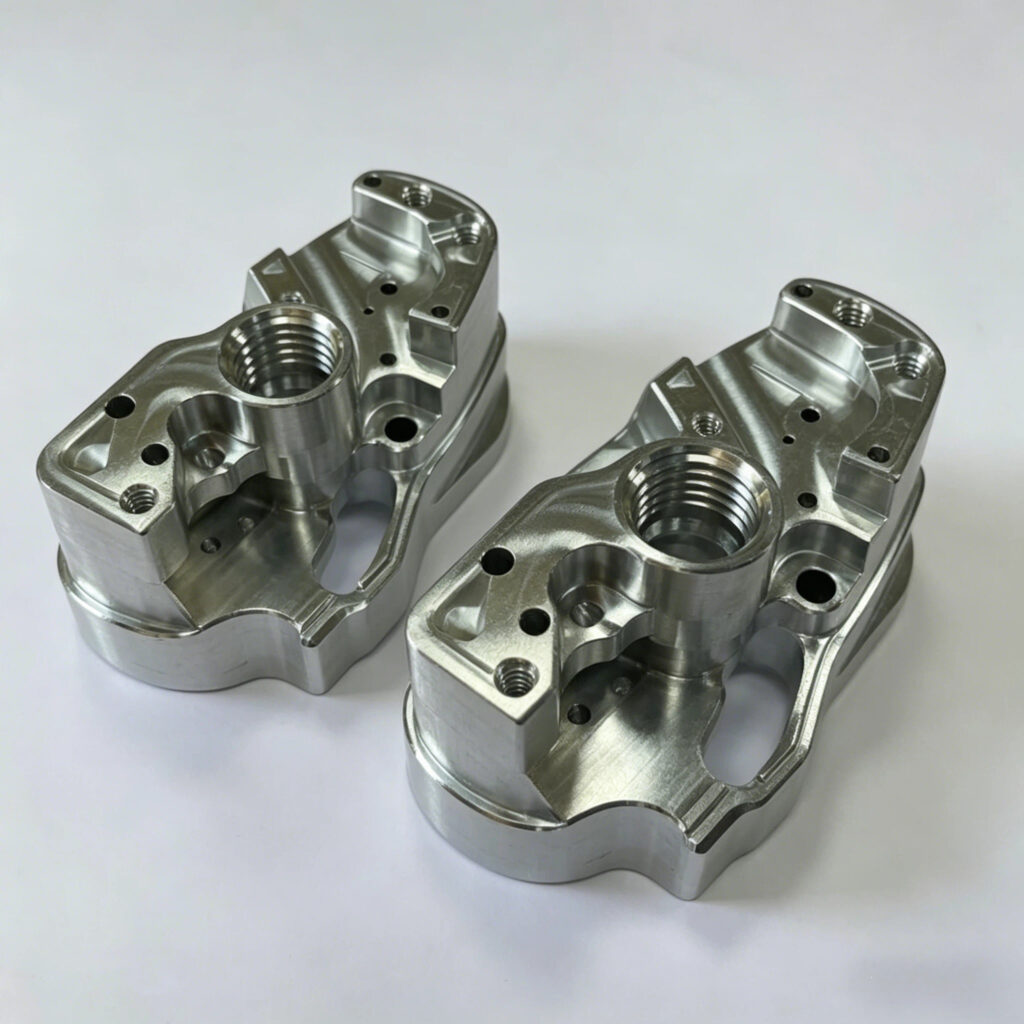
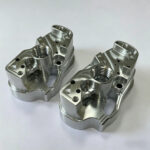
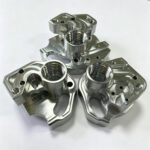
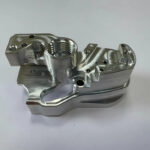
High Reliable Custom CNC Machined Aluminum Parts 6mm to 200mm Size 6061 Aluminum Components
Request a Quote
Enter the quantity you need and add to your quote list for pricing inquiries.
Product Details
CNC machined aluminum parts are precision components produced from aluminum stock using computer-controlled milling and turning. They offer tight tolerances, complex geometries, and excellent surface finishes. Manufactured from 6061, 7075, and 5052 aluminum. Available in custom sizes and finishes including anodizing and powder coating. Features ±0.005mm precision, high strength-to-weight ratio, and corrosion resistance. Suitable for aerospace, automotive, electronics, and medical applications.
What Are CNC Machined Aluminum Parts?
CNC machined aluminum parts are precision components produced by computer-controlled milling and turning machines from aluminum stock. Unlike manual machining, they offer exceptional accuracy, repeatability, and the ability to create complex geometries that would be impossible or prohibitively expensive with conventional methods. This process has made CNC machined aluminum parts the go-to choice for industries demanding lightweight, strong, and corrosion-resistant components.
They are created by removing material from solid aluminum blocks or bars using rotating cutting tools. The CNC machine follows digital instructions (G-code) generated from 3D CAD models, enabling consistent production of identical parts with tolerances as tight as ±0.005mm. Common aluminum grades for CNC machined aluminum parts include 6061, 7075, 2024, and 5052, each offering specific property advantages.
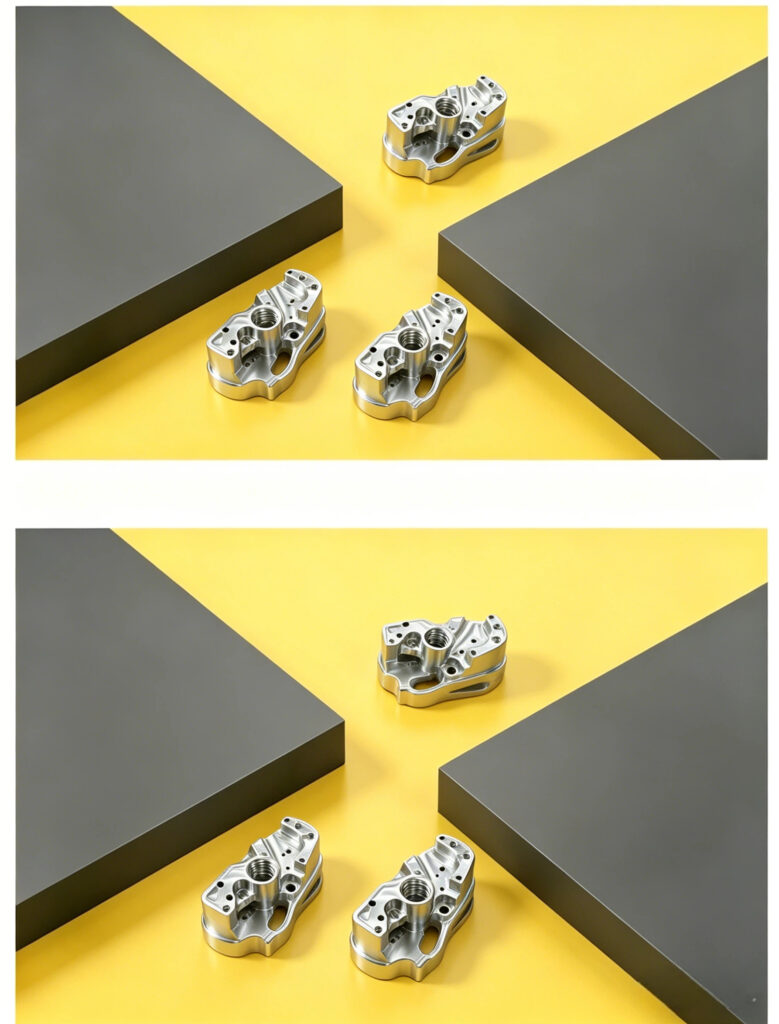
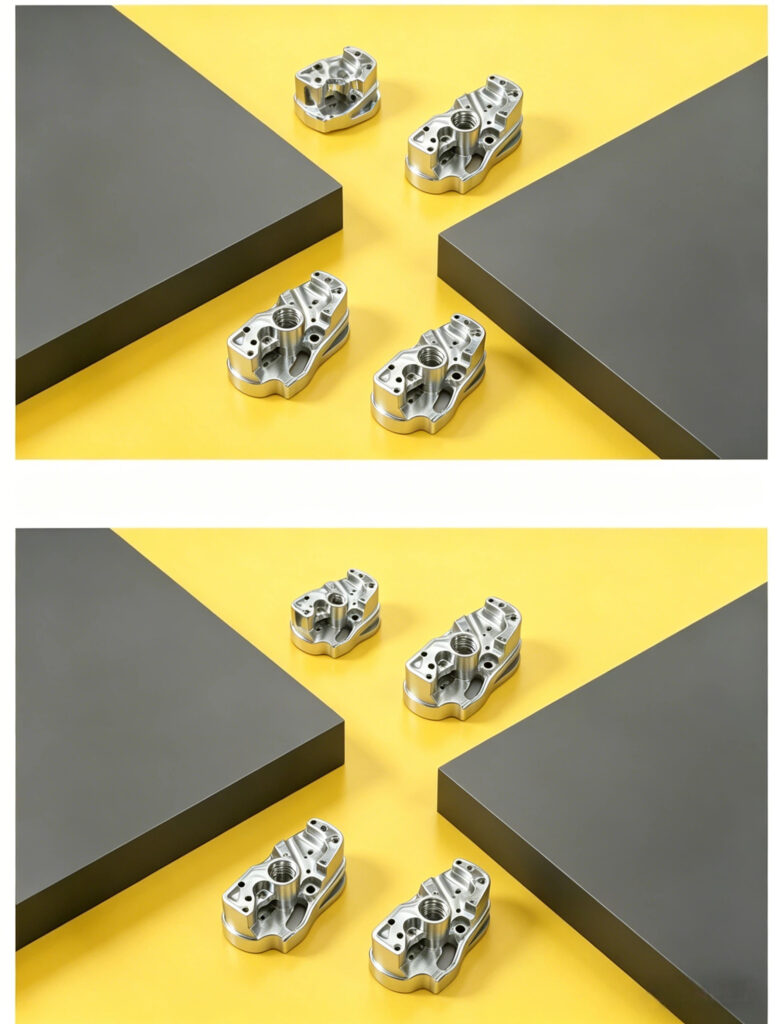
Key Specifications:
| Parameter | Typical Range |
| Part Size | 1mm to 1,000mm |
| Tolerance | ±0.005mm to ±0.1mm |
| Surface Finish | Ra 0.4μm to Ra 3.2μm |
| Aluminum Grades | 6061, 7075, 2024, 5052 |
| Processes | Milling, turning, drilling, tapping |
Common Aluminum Grades for CNC Machined Parts:
6061 Aluminum is the most widely used grade for CNC machined aluminum parts. It offers excellent machinability, good strength, superior corrosion resistance, and weldability. They in 6061 serve structural components, frames, brackets, and enclosures across automotive, marine, and consumer industries.
7075 Aluminum provides the highest strength among common aluminum grades, comparable to many steels. CNC machined aluminum parts in 7075 serve aerospace and high-stress applications including aircraft fittings, missile components, and performance automotive parts. It offers good machinability but reduced corrosion resistance compared to 6061.
2024 Aluminum offers high strength and excellent fatigue resistance. CNC machined aluminum parts in 2024 serve aerospace structures, wing tension members, and high-cycle applications. It has lower corrosion resistance, often requiring anodized or clad finishes.
5052 Aluminum provides excellent corrosion resistance and good formability. CNC machined aluminum parts in 5052 serve marine, fuel tanks, and sheet metal applications where weldability and corrosion resistance are critical.
Surface Finishes:
Anodizing is the most common finish for CNC machined aluminum parts. Type II (clear or color) provides decorative and corrosion-resistant coating. Type III (hard anodizing) offers wear-resistant surface for high-friction applications.
Powder Coating provides durable, thick decorative finish for CNC machined aluminum parts. Wide color range with excellent UV and chemical resistance. Suitable for outdoor and consumer products.
Chromate Conversion (Alodine) offers thin, conductive coating for CNC machined aluminum parts. Provides corrosion protection while maintaining electrical conductivity. Common for electronic chassis and military applications.
Bead Blasting creates uniform matte surface finish on CNC machined aluminum parts. Removes tool marks and prepares surface for anodizing or painting.
Polishing produces bright, reflective surface on CNC machined aluminum parts. Suitable for decorative and cosmetic applications.
Types of CNC Machined Aluminum Parts:
Aluminum Enclosures are CNC machined aluminum parts that house electronic components. Features include precisely placed cutouts for connectors, ventilation slots, and mounting bosses. Applications include electronics housings, instrument cases, and control boxes.
Aluminum Heat Sinks are CNC machined aluminum parts designed for thermal management. Features include fin arrays, base plates, and mounting holes. Applications include LED cooling, power electronics, and computer processors.
Aluminum Brackets and Mounts are CNC machined aluminum parts that support and position components. Features include precisely located holes, slots, and angled surfaces. Applications include structural supports, sensor mounts, and equipment brackets.
Aluminum Shafts and Rollers are cylindrical CNC machined aluminum parts for power transmission and material handling. Features include keyways, threaded ends, and bearing seats. Applications include conveyor rollers, drive shafts, and guide pins.
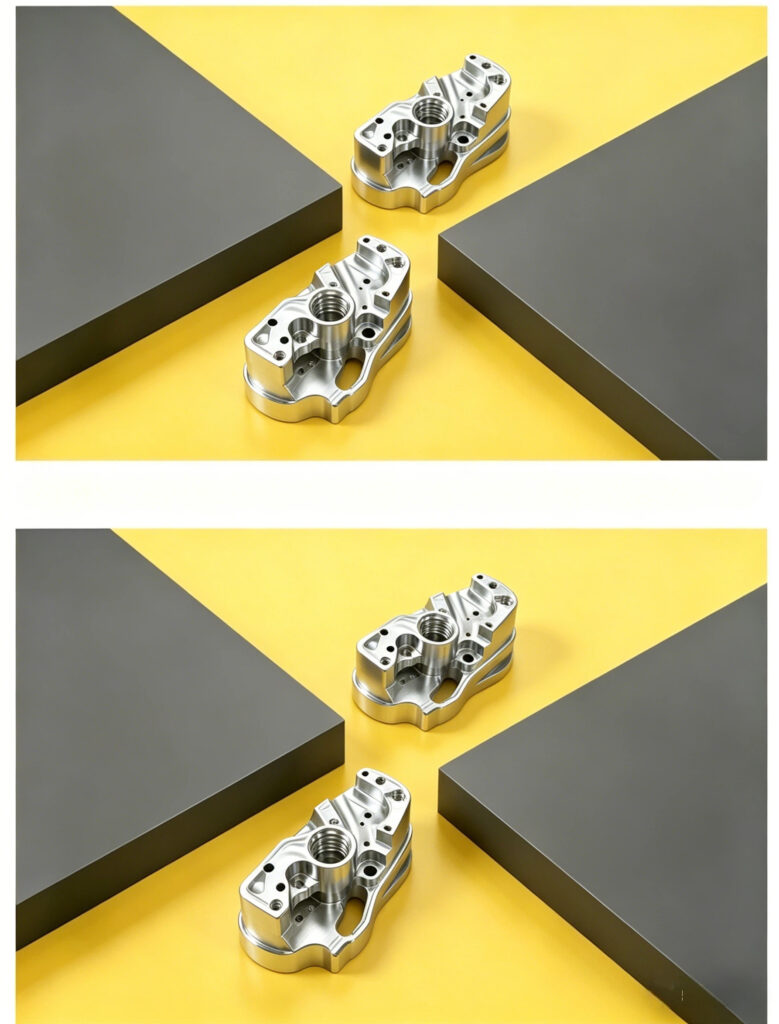
Aluminum Manifolds and Valve Bodies are CNC machined aluminum parts with internal passages for fluid or gas flow. Features include drilled channels, threaded ports, and sealing surfaces. Applications include hydraulic manifolds, pneumatic distributors, and fluid control systems.
Applications Across Industries:
Aerospace Industry:
Aluminum parts are essential in aircraft structures, avionics housings, and control components. High strength-to-weight ratio of 7075 aluminum makes it ideal for wing ribs, fuselage frames, and landing gear components.
Automotive Industry:
Aluminum parts serve in engine components, transmission housings, suspension parts, and electronic enclosures. Lightweight 6061 and high-strength 7075 parts reduce vehicle weight for improved fuel efficiency.
Electronics Industry:
Aluminum parts include heat sinks, enclosures, chassis, and connector housings. Excellent thermal conductivity and EMI shielding properties make aluminum ideal for electronic applications.
Medical Industry:
Aluminum parts include surgical instrument handles, imaging equipment components, and device housings. Biocompatible anodized finishes provide corrosion resistance and cleanability.
Industrial Machinery:
Aluminum parts serve in robotic arms, conveyor components, machine guards, and pneumatic fittings. Lightweight construction reduces machine inertia and energy consumption.
Excellent Case: Aerospace Avionics Housing
Background: An aerospace contractor needed lightweight, durable enclosures for flight control computers. The housings required complex internal features, tight tolerances, and EMI shielding.
Solution: They were produced from 6061-T6 aluminum. 5-axis CNC milling created internal ribs, mounting bosses, and connector cutouts. Chromate conversion coating provided corrosion protection while maintaining conductivity.
Results:
- Weight: 40% lighter than original steel housings
- Precision: Achieved ±0.025mm tolerance on critical features
- Production: 500 units completed in 4 weeks
- EMI Shielding: Excellent protection with no additional coatings
- Certification: Passed MIL-STD-810 vibration and temperature testing
This case demonstrates how CNC machined aluminum parts deliver lightweight, precise solutions for demanding aerospace applications.
How to Select CNC Machined Aluminum Parts:
Choosing the right CNC machined aluminum parts requires consideration of aluminum grade based on strength, corrosion, and machinability needs. Tolerance requirements determine machining strategy and cost. Surface finish affects appearance, corrosion resistance, and functionality. Volume determines whether prototyping or production runs are most economical.
Quality Assurance:
Quality CNC machined aluminum parts undergo CMM measurement for dimensional verification, surface profilometer for finish measurement, visual inspection for surface defects, and hardness testing for material verification.
Conclusion:
They represent the optimal solution for lightweight, strong, precision components across aerospace, automotive, electronics, medical, and industrial applications. By understanding the materials, finishes, and selection criteria outlined in this guide, the right CNC machined aluminum parts can be specified for any application.