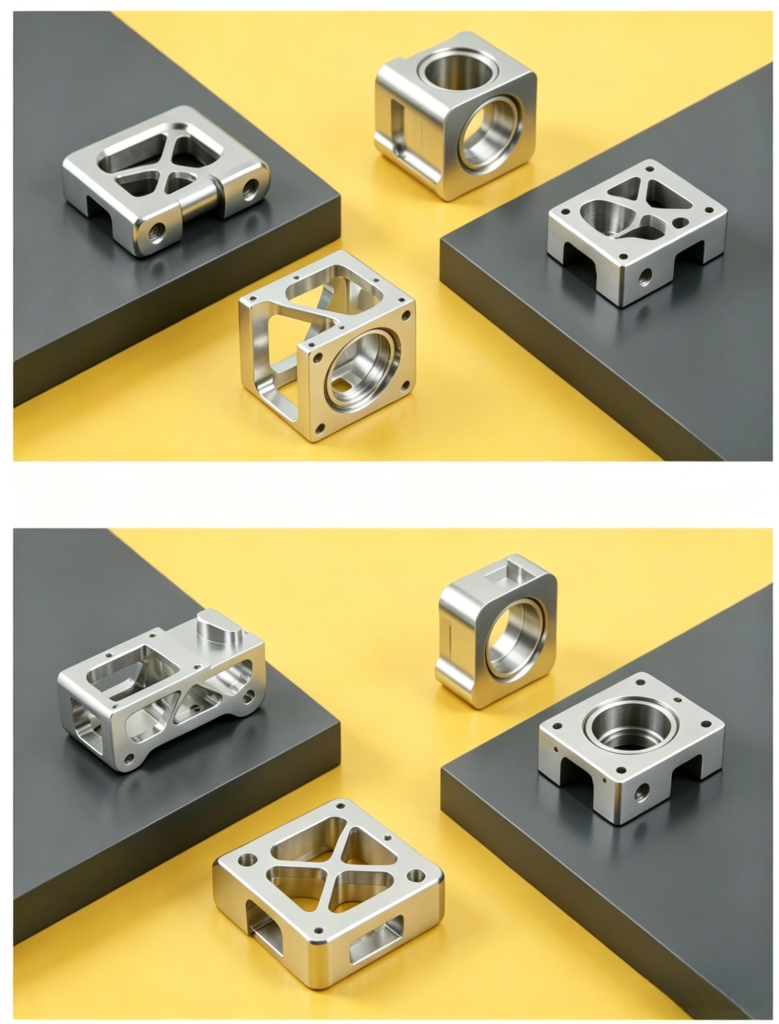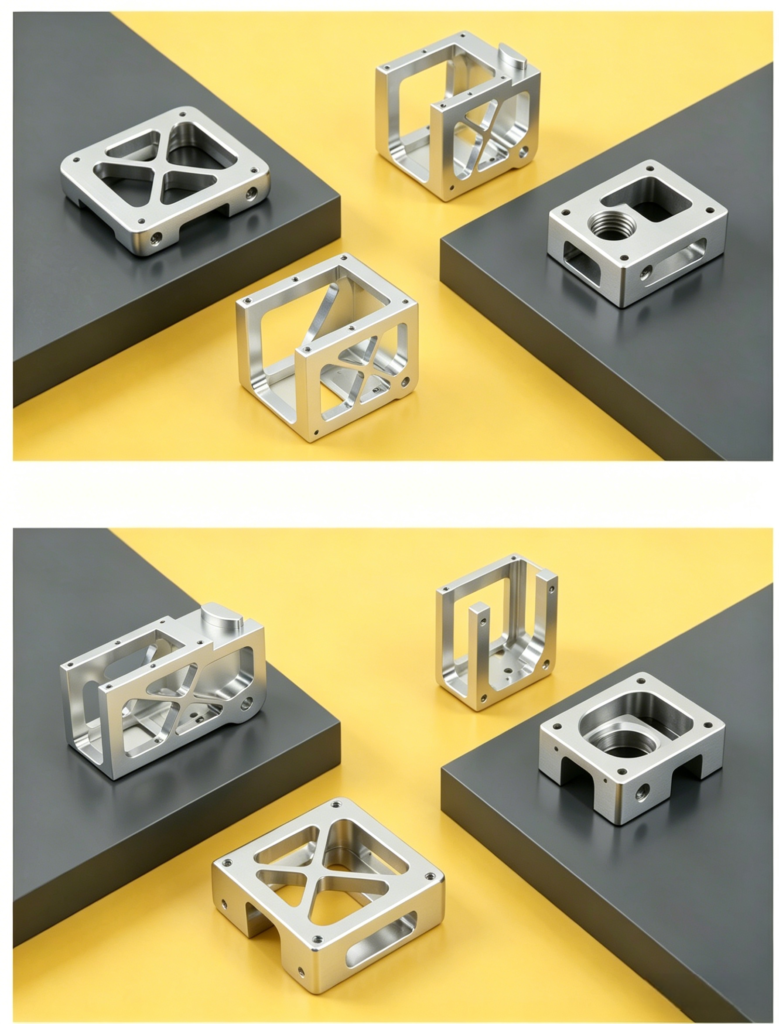
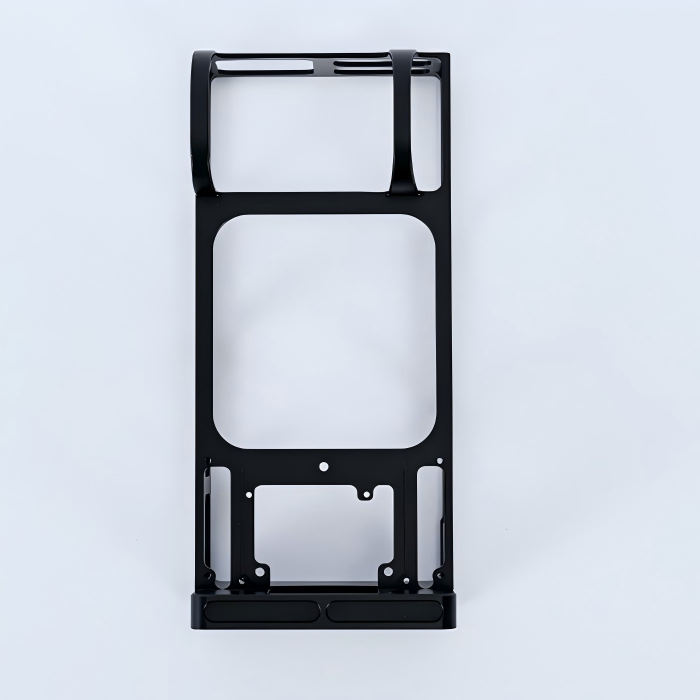
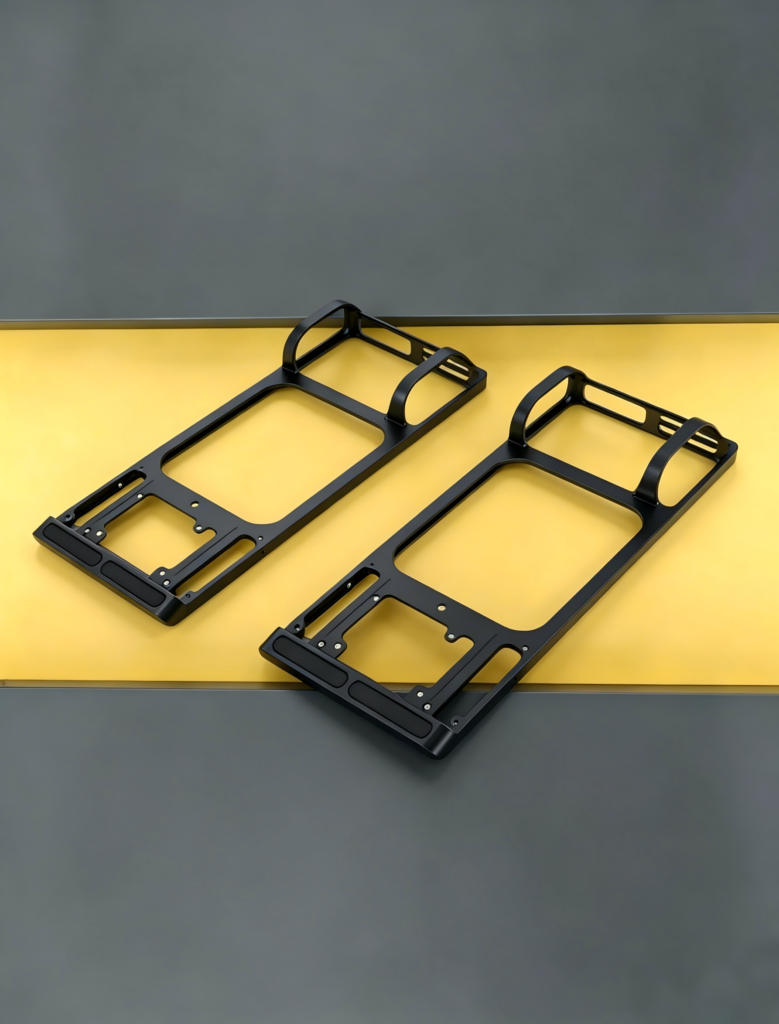
Universal Reliable Chassis Support Bracket 8mm Thickness Carbon Steel Side Rail Bracket
Request a Quote
Enter the quantity you need and add to your quote list for pricing inquiries.
Product Details
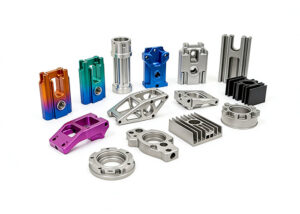
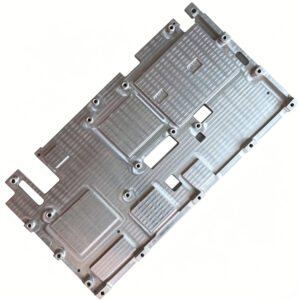
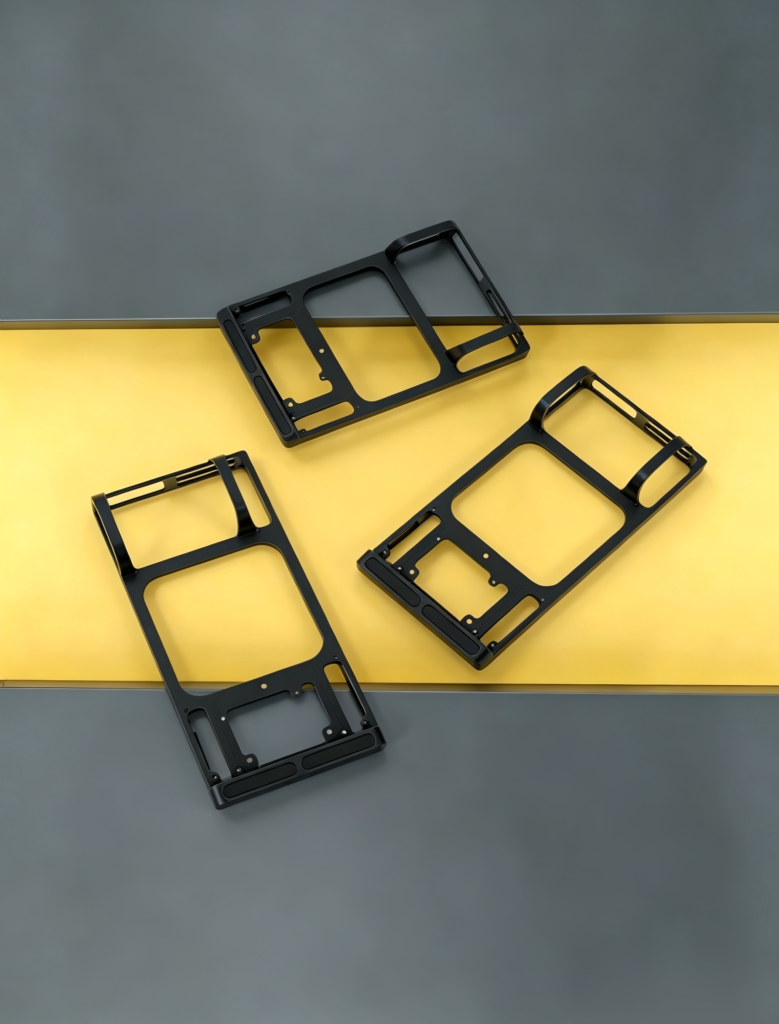
A chassis support bracket is a structural component used to reinforce and stabilize vehicle frames, machinery bases, or equipment chassis. It prevents flexing, distributes loads, and maintains alignment under stress. Manufactured from steel, stainless steel, aluminum, or cast iron. Available in custom sizes, thicknesses from 3mm to 15mm, and configurations including cross braces, side rail brackets, subframe mounts, and underbody reinforcements. Features include precision cut holes, corrosion resistant coatings, and vibration damping properties. Suitable for automotive chassis, heavy equipment, industrial machinery, and off-road vehicles. Custom brackets available with specific bolt patterns and reinforcement gussets.
What Is a Chassis Support Bracket?
A chassis support bracket is a structural reinforcement component that connects different sections of a frame or chassis to increase rigidity and load distribution. Unlike simple mounting brackets, it is engineered to withstand torsional forces, bending moments, and vibration while maintaining precise alignment of chassis components.
The chassis support bracket is characterized by its robust construction, precise bolt hole locations, and load-bearing design. Typical features include gussets or ribs for added strength, precisely located mounting holes for bolted connections, corrosion-resistant coatings for durability, vibration-damping properties for noise reduction, and lightweight construction for performance applications. Thickness typically ranges from 3mm to 15mm, depending on load requirements. It can be a single piece or multi-piece assembly.
Manufacturing Process:
The production of a chassis support bracket follows several methods. For low-volume or custom applications, CNC machining from solid billet provides precision and strength. For high-volume production, the bracket is stamped or laser-cut from steel sheet. For heavy-duty applications, the chassis support bracket is fabricated by welding multiple pieces together. Heat treatment may be applied to increase strength. Surface finishing including powder coating, zinc plating, or painting is applied for corrosion protection.
Common Materials for Chassis Support Bracket:
Carbon Steel is the most common material for this production. Grades A36 or 1045 offer high strength, excellent weldability, and cost effectiveness. Suitable for most automotive and industrial applications.
Stainless Steel provides superior corrosion resistance for marine, food processing, and outdoor applications. Grades 304 and 316 are common for chassis support bracket in corrosive environments.
Aluminum is lightweight and naturally corrosion resistant. Suitable for performance automotive and aerospace applications where weight reduction is critical.
Cast Iron offers excellent vibration damping properties. Suitable for heavy machinery and industrial equipment bases.
Key Specifications:
| Parameter | Typical Range |
| Thickness | 3mm to 15mm |
| Material | Carbon steel, stainless steel, aluminum |
| Finish | Powder coated, zinc plated, painted |
| Load Capacity | 500kg to 10,000kg |
| Mounting Holes | 2 to 8 holes |
Types of Chassis Support Bracket:
Cross Brace Bracket:
A chassis support bracket that spans between two parallel frame rails. Prevents frame twisting under torsional loads. Common in truck chassis and off-road vehicles.
Side Rail Bracket:
A chassis support bracket that attaches components to the main frame rail. Used for mounting suspension components, fuel tanks, and battery boxes.
Subframe Mount Bracket:
A chassis support bracket that connects a subframe to the main chassis. Used in unibody vehicles and heavy equipment.
Underbody Brace:
A chassis support bracket mounted under the vehicle floor pan to reduce chassis flex. Common in performance cars and racing applications.
Gusset Bracket:
A chassis support bracket with triangular reinforcement at corners. Used to strengthen weld joints and frame intersections.
Applications Across Industries:
Automotive:
A chassis support bracket reinforces car frames, truck chassis, and SUV underbodies. Used for suspension mounting, engine cradle support, and body mount reinforcement.
Off-Road Vehicles:
A chassis support bracket strengthens 4×4 frames, rock crawlers, and desert racers. Prevents frame bending during extreme off-road use.
Heavy Equipment:
A chassis support bracket supports excavator frames, loader arms, and bulldozer chassis. Handles extreme loads and shock forces.
Industrial Machinery:
A chassis support bracket reinforces machine bases, conveyor frames, and equipment stands. Provides vibration damping and structural rigidity.
Racing:
A chassis support bracket stiffens race car frames, drift cars, and track vehicles. Reduces chassis flex for improved handling.
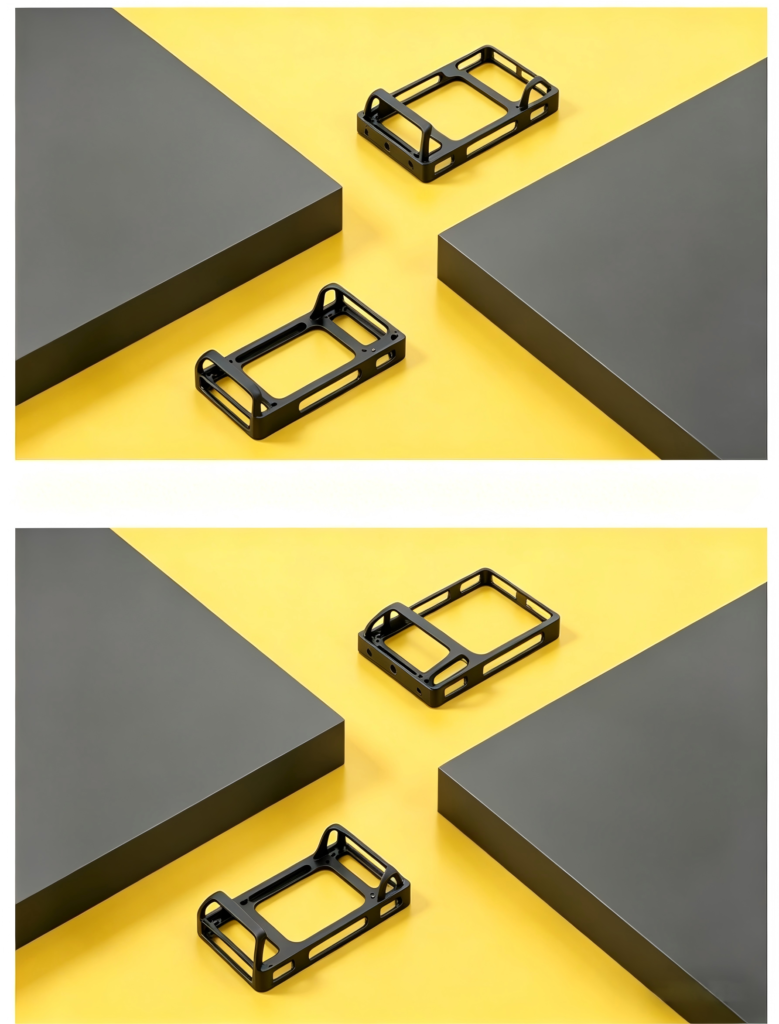
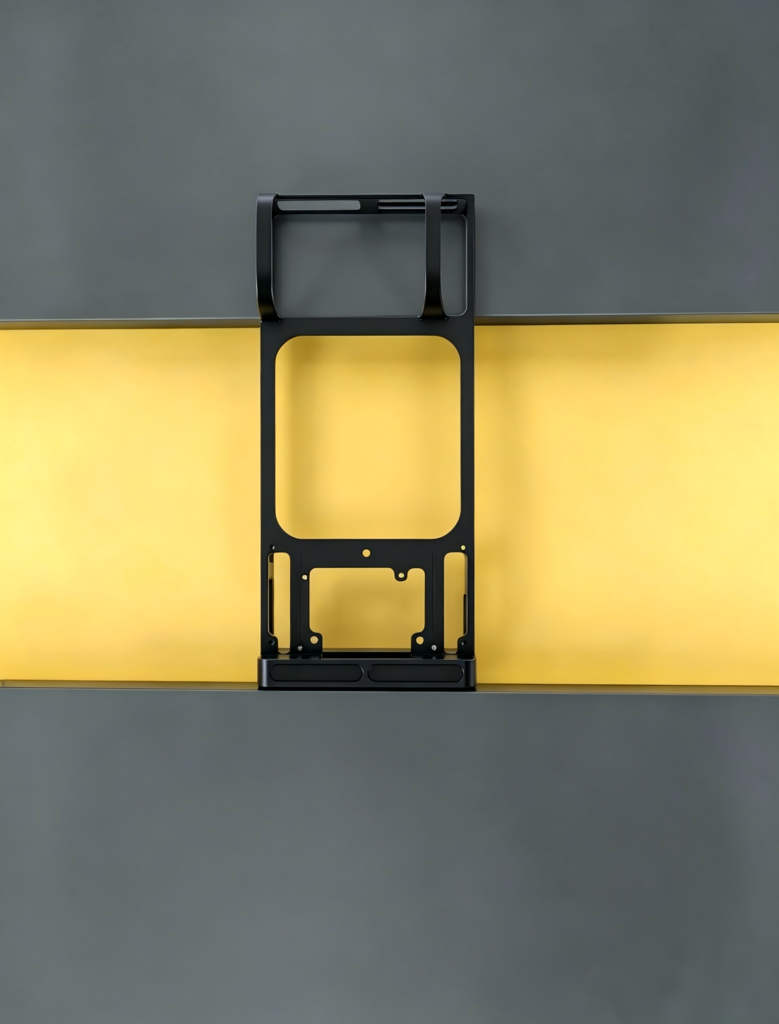
Excellent Case: Off-Road Truck Frame Reinforcement
Background: An off-road truck owner experienced frame flex during rock crawling, causing body panel gaps and suspension misalignment. The factory frame lacked sufficient bracing for extreme terrain.
Solution: It was fabricated from 6mm carbon steel with powder coated finish. The bracket spanned between frame rails at the flex point, using four mounting bolts per side.
Results:
- Frame Rigidity: 50 percent reduction in frame flex measured
- Installation: Bolt-on design installed in 2 hours
- Durability: No cracks or loosening after 2 years of hard use
- Handling: Improved suspension alignment and tire contact
- Cost: 2,000 for custom frame modification
This case demonstrates how a chassis support bracket improves frame rigidity without permanent modification.
How to Select the Right Chassis Support Bracket:
Choosing the appropriate chassis support bracket requires careful consideration of several factors. Load requirements determine thickness and material strength. Frame rail spacing affects bracket width dimensions. Access for installation determines bolt hole placement. Environmental conditions influence material selection, with stainless steel for corrosive environments. Weight budget influences material choice, with aluminum for weight-critical applications.
Installation Best Practices:
Proper installation ensures the chassis support bracket performs reliably. Clean frame surfaces thoroughly before installation. Use grade 8 bolts for high-strength applications. Apply thread-locking compound to prevent loosening. Tighten bolts to manufacturer torque specifications. For welded brackets, use proper welding procedure and surface preparation. Inspect bracket periodically for cracks or loosening.
Maintenance and Care:
Regular maintenance extends it’s life. Inspect bolts for tightness every 6 months. Check for cracks or deformation after hard use. Clean corrosion from exposed surfaces. Repaint or recoat if finish is damaged.
Common Failure Modes:
Understanding potential failures helps with preventive maintenance. Bolt loosening from vibration, prevented by thread-locking compound. Cracking from metal fatigue, prevented by proper material selection. Corrosion of steel brackets in wet environments, prevented by stainless steel or powder coating. Bracket bending from overload, prevented by proper thickness selection.
Conclusion:
This product represents an essential component for frame reinforcement and structural integrity in vehicles, machinery, and equipment. By preventing flexing, distributing loads, and maintaining alignment, it ensures reliable operation under demanding conditions. By understanding the types, materials, and selection criteria outlined in this guide, the right chassis support bracket can be selected for any application—from off-road trucks to industrial machinery.