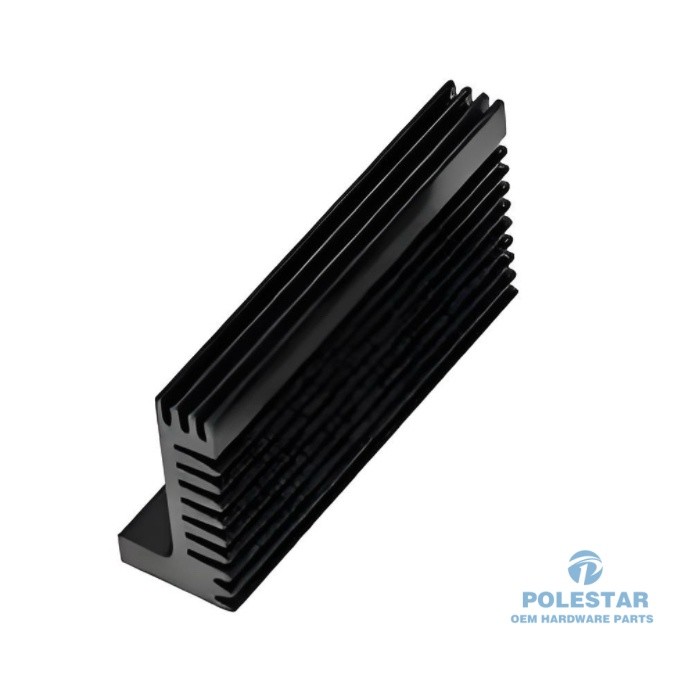
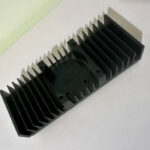
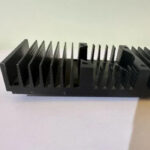
Extruded Aluminum Heat Sink in Electronics for Efficient Heat Dissipation in Power Modules
Request a Quote
Enter the quantity you need and add to your quote list for pricing inquiries.
Description
What is a Heat Sink in Electronics?
A heat sink in electronics is a passive thermal management component designed to dissipate heat generated by electronic devices. It works by increasing the surface area available for heat transfer, allowing heat to move away from critical components such as CPUs, power transistors, LEDs, and voltage regulators.
In modern electronic systems, heat buildup is one of the primary causes of performance degradation and component failure. A well-designed heat sink in electronics ensures stable operation, extends product lifespan, and enhances overall system reliability.
Why Heat Sinks Matter in Electronic Design:
As electronic devices become more compact and powerful, thermal management becomes increasingly critical. Without proper heat dissipation, excessive temperatures can lead to:
- Reduced efficiency and performance throttling
- Material deformation or solder joint failure
- Shortened component lifespan
- System instability or shutdown
A high-quality heat sink in electronics helps maintain optimal operating temperatures, ensuring devices function consistently under demanding conditions.
Types of Heat Sinks in Electronics:
Different applications require different heat sink designs. Common types include:
Passive Heat Sinks:
These rely on natural convection and do not require fans. Ideal for low-power devices and silent applications.
Active Heat Sinks:
Equipped with fans or blowers to enhance airflow and cooling efficiency. Common in high-performance computing systems.
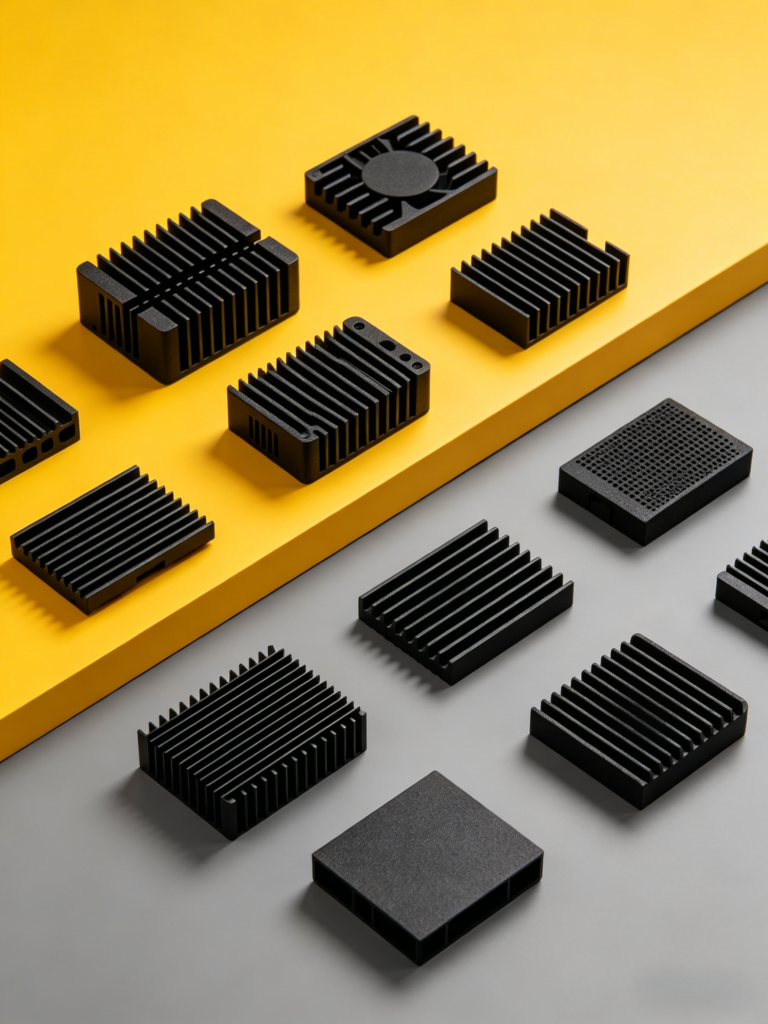
Extruded Aluminum Heat Sinks:
Widely used due to cost-effectiveness and good thermal conductivity.
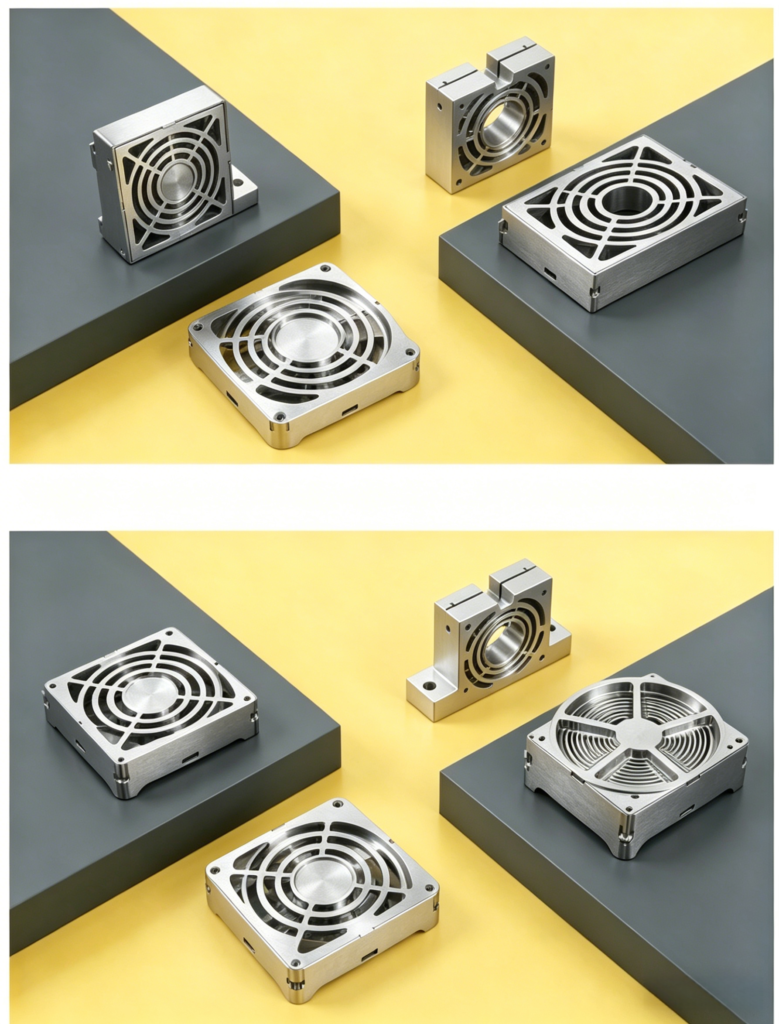
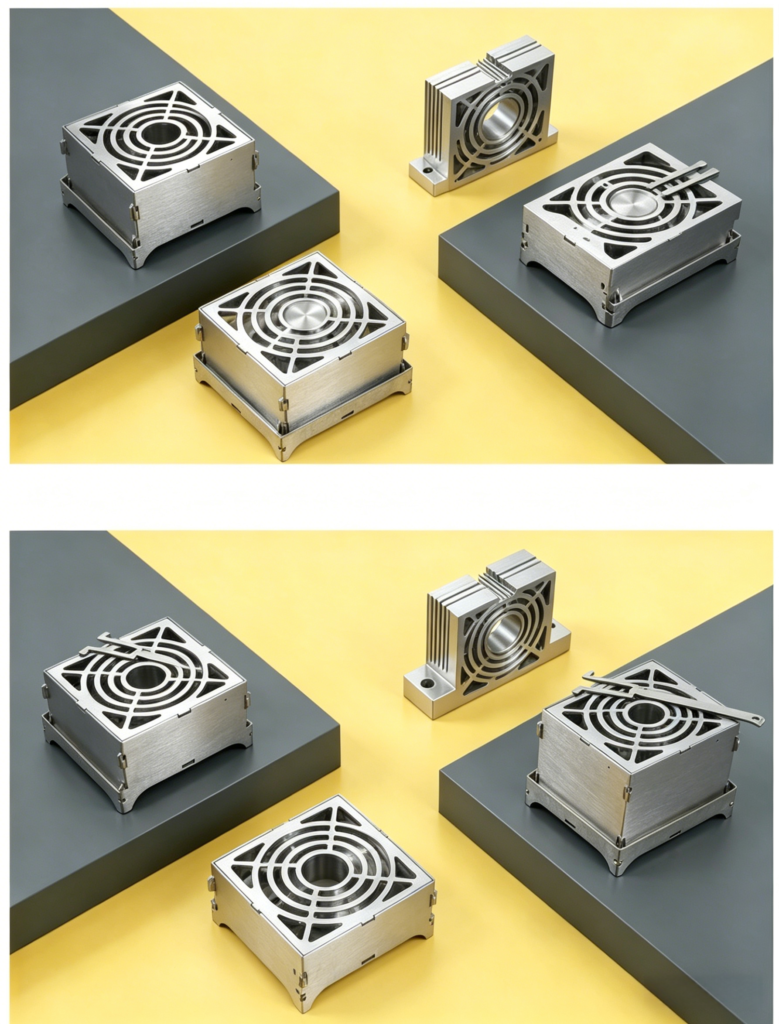
CNC Machined Heat Sinks:
Provide high precision and complex geometries, suitable for custom thermal solutions.
Bonded Fin Heat Sinks:
Offer higher surface area and improved heat dissipation compared to standard extrusions.
Key Materials Used in Heat Sink Manufacturing:
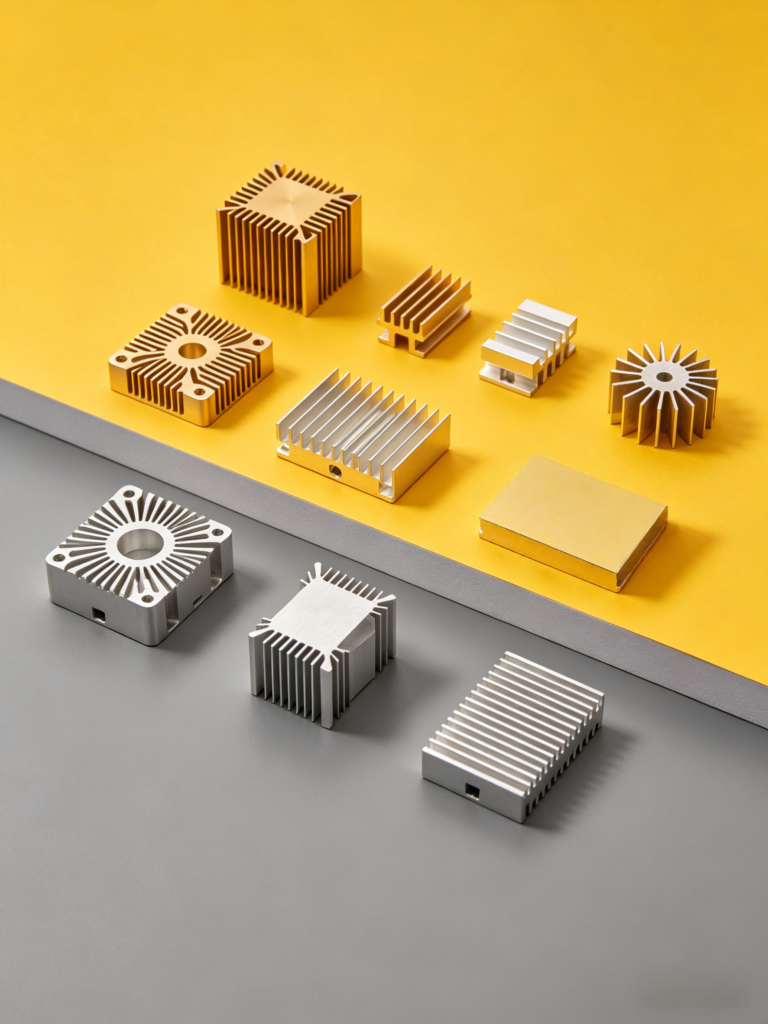
Material selection plays a crucial role in the performance of a heat sink in electronics:
- Aluminum: Lightweight, cost-effective, and widely used
- Copper: Superior thermal conductivity but heavier and more expensive
- Aluminum-Copper Hybrid: Combines advantages of both materials
Advanced coatings such as anodizing can further improve corrosion resistance and thermal radiation efficiency.
Design Considerations for Heat Sink in Electronics:
When designing a heat sink, several engineering factors must be considered:
Thermal Resistance:
Lower thermal resistance ensures more efficient heat transfer.
Surface Area Optimization:
Fins increase surface area, improving heat dissipation.
Airflow Management:
Proper spacing and orientation enhance natural or forced convection.
Mounting Method:
Secure attachment ensures efficient thermal contact with the heat source.
Weight and Size Constraints:
Especially critical in compact electronic devices.
Applications of Heat Sink in Electronics:
Heat sinks are essential across various industries:
- Consumer electronics (laptops, gaming consoles)
- Automotive electronics (EV power modules, battery systems)
- Industrial equipment (inverters, control systems)
- Telecommunications (base stations, routers)
- LED lighting systems
Each application requires a tailored heat sink in electronics solution to meet specific thermal and mechanical requirements.
Polestar Case Study: Custom Heat Sink Solution
At Polestar, we specialize in precision-engineered thermal components. A recent project involved designing a custom heat sink in electronics for a high-power industrial control unit.
Challenge:
The client required efficient heat dissipation within a compact enclosure, with strict weight and space limitations.
Solution:
- CNC machined aluminum heat sink with optimized fin geometry
- Surface anodizing to enhance heat radiation
- Integrated mounting features for seamless assembly
Result:
- 25% improvement in thermal efficiency
- Reduced system temperature by over 10°C
- Increased product reliability and lifespan
This project demonstrates how customized heat sink in electronics solutions can significantly enhance system performance.
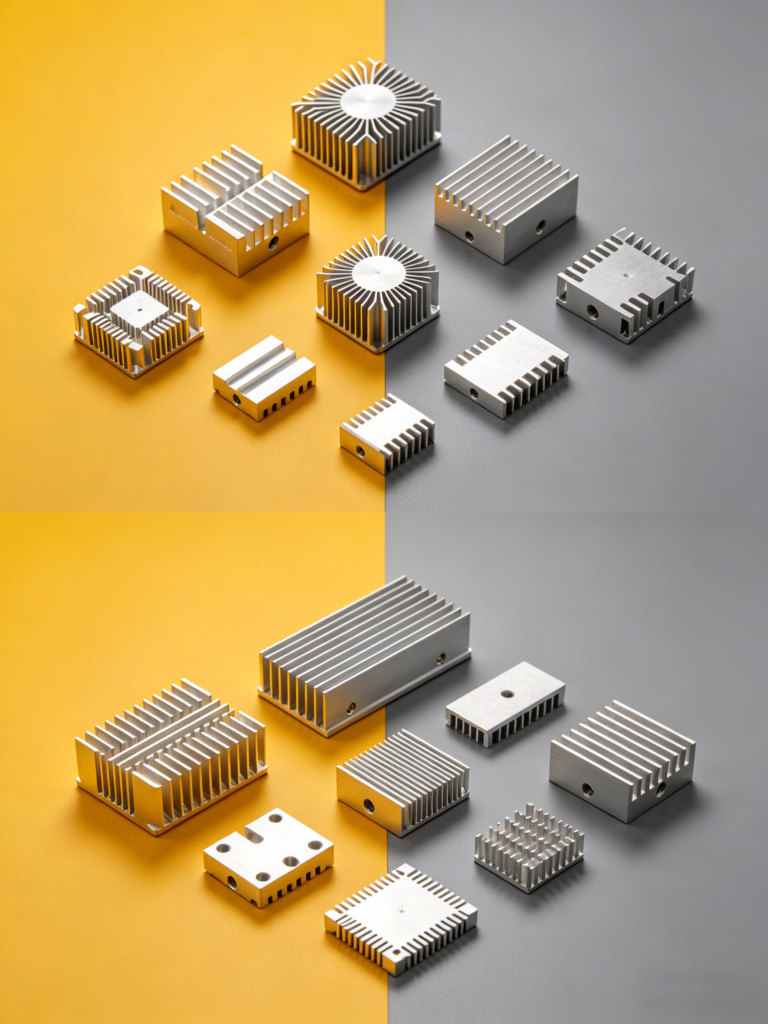
Manufacturing Process of Heat Sink in Electronics:
Modern heat sinks are produced using advanced manufacturing techniques:
- Extrusion for cost-effective mass production
- CNC machining for high-precision custom parts
- Die casting for complex shapes
- Skiving for high-density fins
At Polestar, we combine multiple processes to deliver high-performance, application-specific heat sink solutions.
Future Trends in Heat Sink Technology:
The demand for efficient thermal management continues to grow with advancements in electronics. Key trends include:
- Miniaturized heat sinks for compact devices
- Integration with liquid cooling systems
- Use of advanced materials such as graphene
- AI-driven thermal simulation and optimization
These innovations are shaping the future of heat sink in electronics design and manufacturing.
Conclusion:
A heat sink in electronics is more than just a cooling component—it is a critical factor in ensuring device performance, reliability, and longevity. From material selection to design optimization, every detail impacts thermal efficiency.
With extensive experience in custom metal manufacturing, Polestar delivers high-quality, precision-engineered heat sink solutions tailored to diverse industries. Whether for standard applications or complex requirements, investing in the right heat sink design is essential for long-term success.