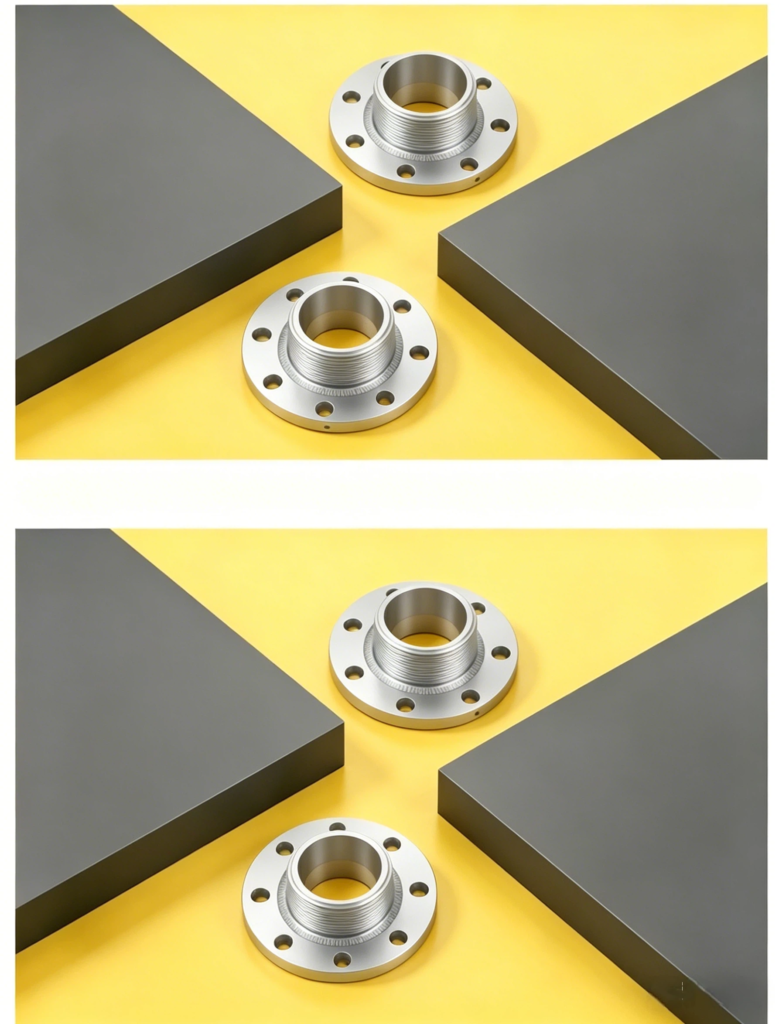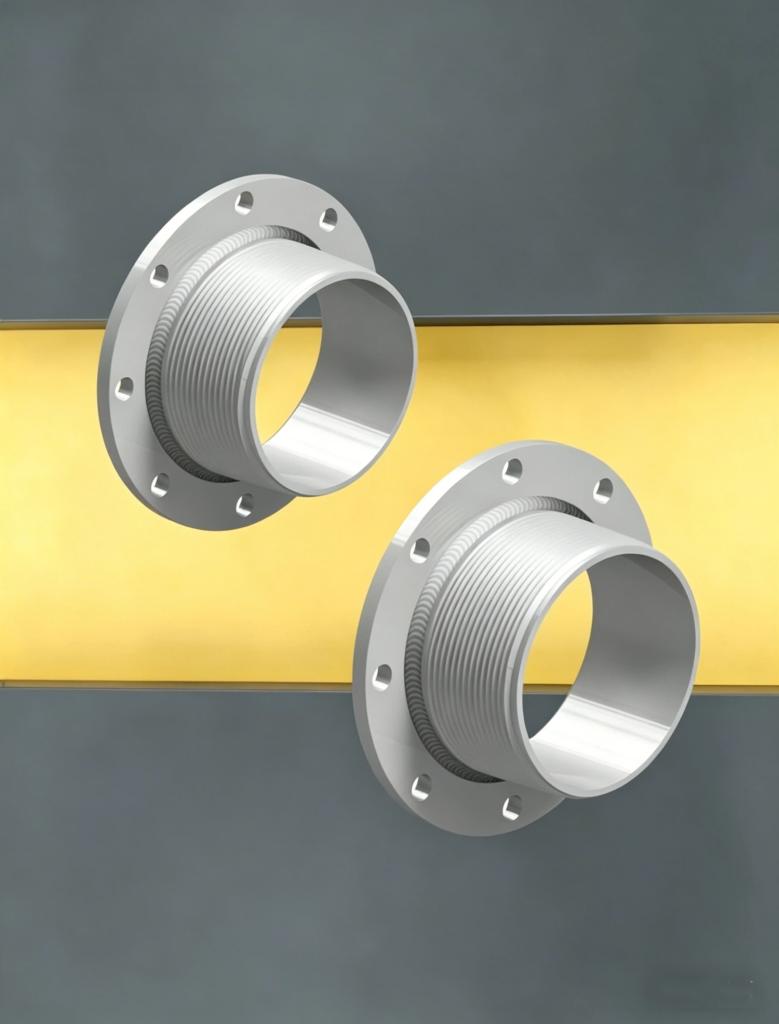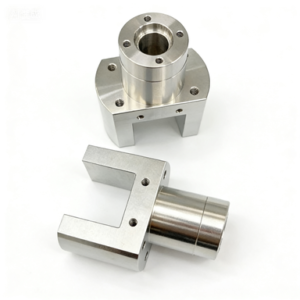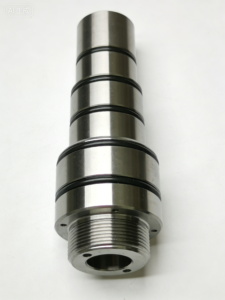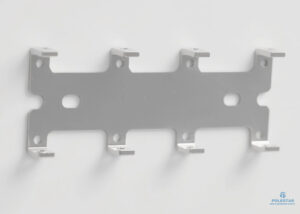
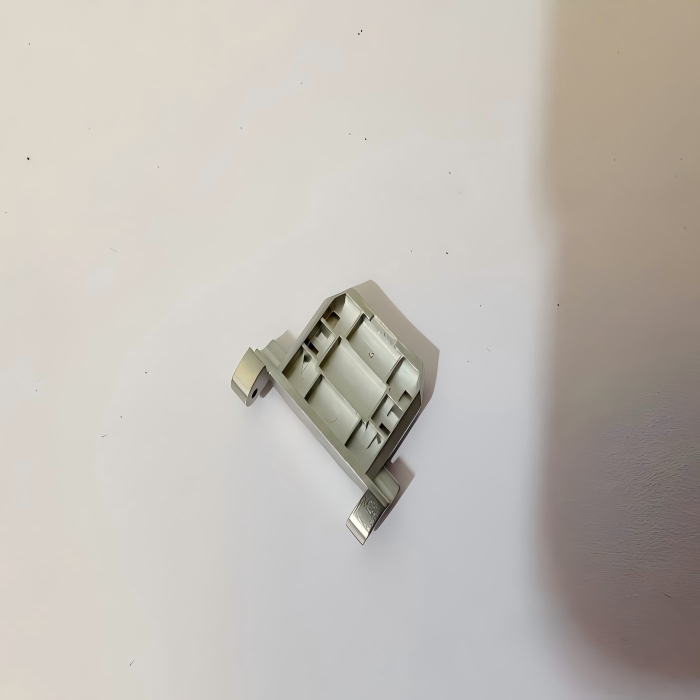
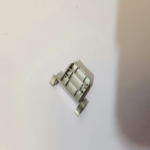
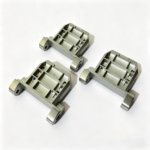
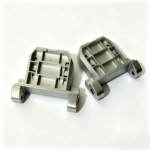
Corrosion Resistant Perfect Die Cast Bracket 8 Inch Length Stainless Steel Mounting Bracket
Request a Quote
Enter the quantity you need and add to your quote list for pricing inquiries.
Product Details
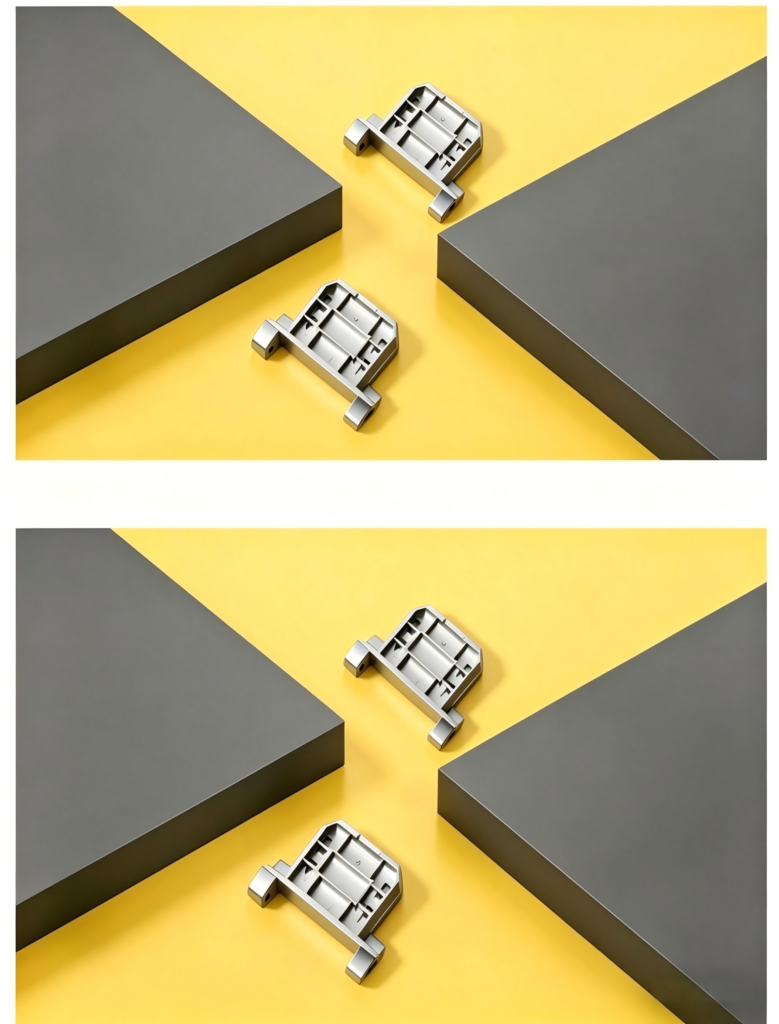
A die cast bracket is a metal mounting component produced by injecting molten metal into a precision mold under high pressure. This process creates complex shapes with excellent dimensional accuracy, smooth surfaces, and high production efficiency. Manufactured from aluminum, zinc, or magnesium alloys. Available in custom sizes, wall thicknesses, and mounting hole patterns. Features include high strength-to-weight ratio, corrosion resistance, and net shape casting with minimal secondary machining. Suitable for automotive components, industrial machinery, electronic enclosures, LED lighting fixtures, and consumer products. Custom die cast brackets available with specific hole configurations and surface finishes.
What Is a Die Cast Bracket?
A die cast bracket is a metal component manufactured using the die casting process, where molten metal is forced into a steel mold cavity under high pressure, typically ranging from 1,000 to 30,000 PSI. The die cast bracket is characterized by its near-net shape geometry, requiring minimal secondary machining. Unlike fabricated brackets made from multiple welded pieces, a die cast bracket is a single, integrated component with complex features cast directly into the part.
Typical features of this product include smooth as-cast surfaces, tight dimensional tolerances of ±0.002 to ±0.005 inches, minimum wall thicknesses as low as 0.020 inches, integrated ribs for added stiffness, threaded holes cast or machined in place, and complex mounting geometries. Weight range for a typical die cast bracket varies from a few grams to over 5 kilograms, depending on the size of the casting machine.
Manufacturing Process:
The production of a die cast bracket follows a precise sequence of operations:
Die Preparation:
The steel die is cleaned and lubricated before each casting cycle. Lubricants help control die temperature, facilitate smooth metal flow, and enable easy ejection of the finished die cast bracket.
Clamping:
The two halves of the die are securely clamped together by the die casting machine. Clamping force typically ranges from 100 to 4,000 tons, depending on the size of the die cast bracket being produced.
Injection:
Molten metal, heated to temperatures between 1,200°F and 1,300°F for aluminum, is injected into the die cavity at high speed and pressure.
Cooling:
The molten metal solidifies rapidly against the cool die walls. Thin sections solidify in seconds, while thicker sections require longer cooling time.
Ejection:
The die opens and ejector pins push the finished die cast bracket out of the mold. The entire cycle for a typical part takes 30 to 60 seconds, enabling high volume production.
Trimming:
Excess material, including flash and overflows, is trimmed from the die cast bracket, often using a trim press.
Design Features:
This product can incorporate numerous design features that reduce secondary operations. Ribs add stiffness without increasing wall thickness. Bosses provide mounting points for fasteners and threaded inserts. Cored holes can be cast directly into the it , eliminating drilling operations. Threads can be cast, though secondary tapping may be required for precise thread classes.
Types of Die Cast Bracket:
Corner Bracket:
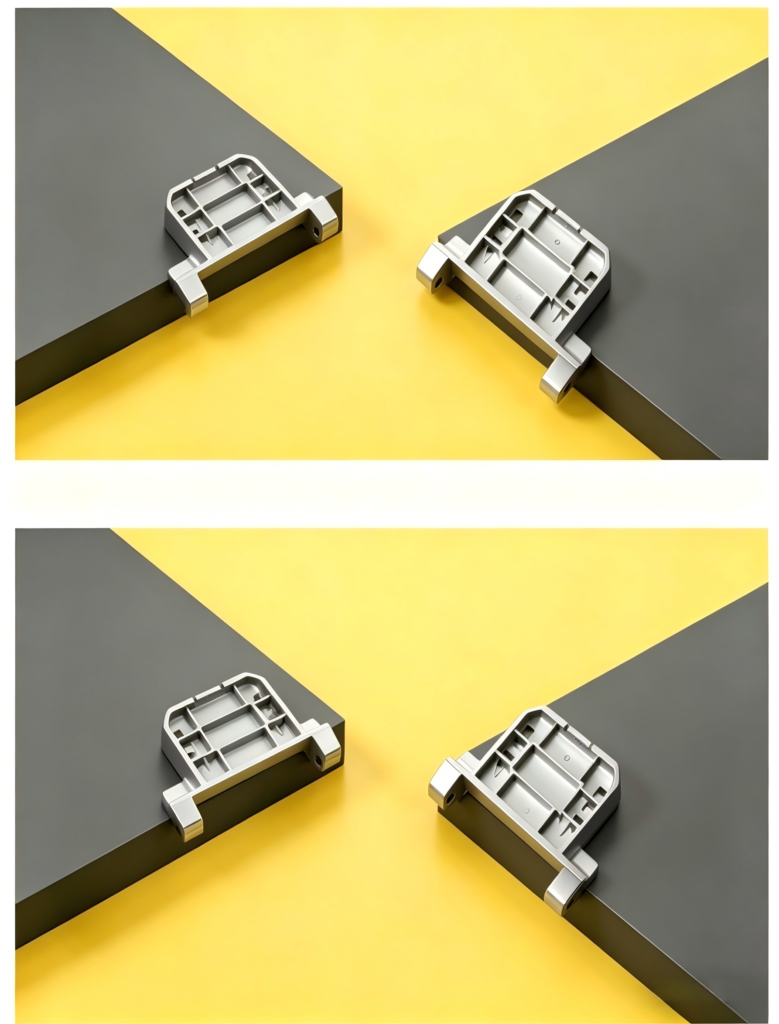
A die cast bracket designed for joining two perpendicular surfaces. Commonly used in furniture, shelving, and structural framing.
Mounting Bracket:
A die cast bracket used to attach components to walls, panels, or machinery. Features pre-drilled mounting holes and integrated positioning features.
Pivot Bracket:
A die cast bracket with hinge or pivot points for rotating applications. Used in adjustable arms, folding mechanisms, and hinge assemblies.
Enclosure Bracket:
A die cast bracket designed to mount electronic components inside enclosures. Features standoffs, cable management clips, and grounding points.
Automotive Bracket:
A die cast bracket used for mounting lights, sensors, control modules, and engine components. Designed to withstand vibration and temperature extremes.
Specifications:
| Parameter | Typical Range |
| Part Weight | 10 grams to 5 kg |
| Wall Thickness | 0.020 to 0.200 inches |
| Dimensional Tolerance | ±0.002 to ±0.005 inches |
| Material | Aluminum, zinc, magnesium alloys |
| Production Volume | 500 to 1,000,000+ parts per year |
Applications Across Industries:
Automotive Industry:
A die cast bracket is used throughout vehicles for mounting headlights, sensors, control modules, and interior components. Lightweight aluminum brackets reduce vehicle weight for improved fuel efficiency.
Industrial Machinery:
A die cast bracket mounts sensors, actuators, and control panels on factory equipment. Robust construction withstands vibration and harsh environments.
Electronics Industry:
A die cast bracket provides structural support inside electronic enclosures, mounting circuit boards, power supplies, and connectors. Zinc or aluminum die castings offer EMI shielding properties.
LED Lighting:
A die cast bracket mounts LED drivers, heat sinks, and housing components. Aluminum’s thermal conductivity helps dissipate heat.
Consumer Products:
It is found in appliances, power tools, furniture, and sporting goods, providing structural support at low cost.
Excellent Use Case: Automotive Sensor Mounting Bracket
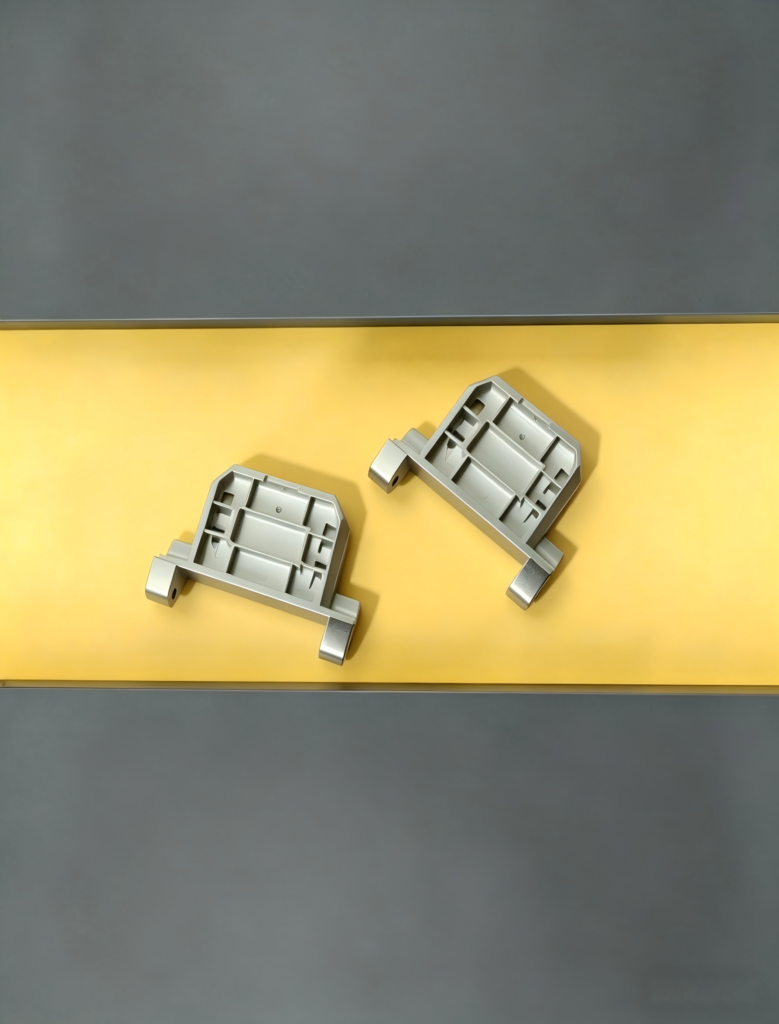
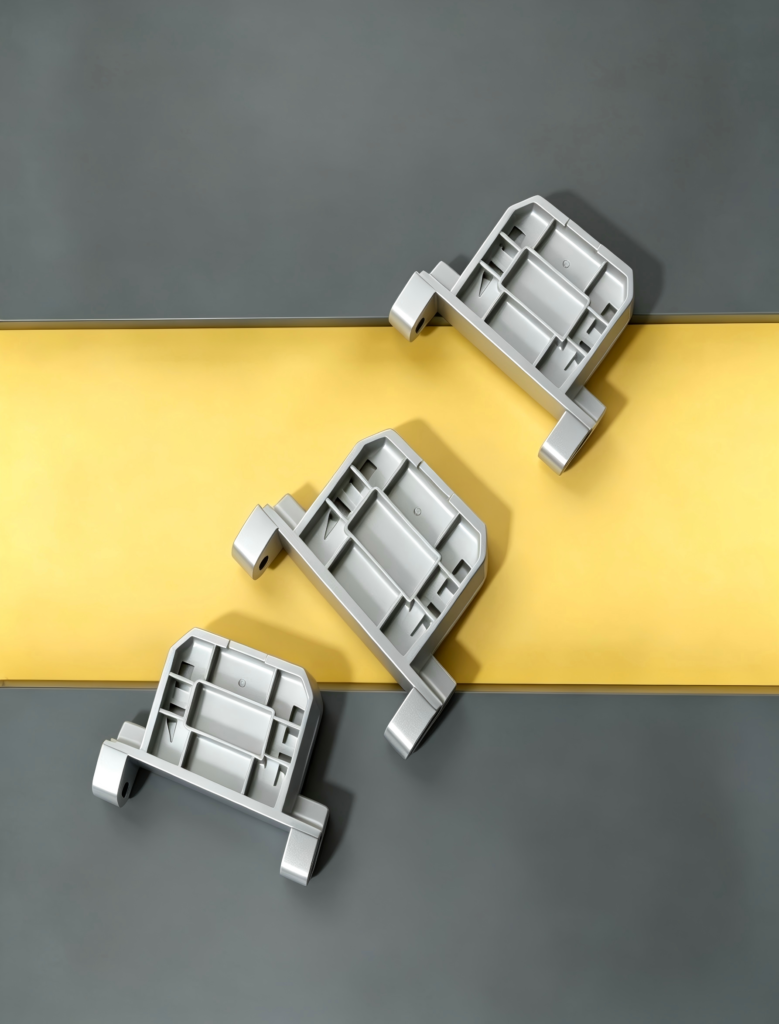
Background: An automotive manufacturer needed a bracket to mount a collision avoidance sensor behind the front grille. The bracket required complex geometry, tight tolerances, and high-volume production at low cost.
Solution: An aluminum die cast bracket was designed using A380 alloy with integrated mounting bosses, wire routing clips, and self-tapping screw holes. The bracket was cast with 1.5mm wall thickness to save weight.
Results:
- Weight: 40 percent lighter than steel fabricated bracket
- Production: 500,000 parts per year at $0.85 each
- Precision: Achieved ±0.003 inch tolerance on mounting surfaces
- Integration: Cast-in features eliminated four secondary operations
- Reliability: Zero field failures after 2 years
This case demonstrates how this product delivers complex geometry and cost-effective production for automotive applications.
How to Select the Right Die Cast Bracket:
Choosing the appropriate die cast bracket requires consideration of load requirements to determine material and wall thickness. Environmental conditions influence material selection, with aluminum for corrosion resistance and zinc for strength. Production volume determines tooling investment justification. Tolerance requirements specify precision needs. Secondary operations identify required machining or finishing.
Finishing Options:
As Cast is the raw surface straight from the die, suitable for non-cosmetic internal components. Deburred or Tumbled removes sharp edges for safe handling. Powder Coating provides durable decorative finish for visible brackets. Anodizing offers corrosion protection for aluminum brackets. Plating provides corrosion protection for zinc and steel brackets.
Conclusion:
This product represents a cost-effective, high-volume manufacturing solution for complex mounting components across automotive, industrial, electronics, and consumer applications. By offering net shape casting with integrated features, it reduces secondary operations and assembly time. By understanding the materials, design features, and selection criteria outlined in this guide, the right die cast bracket can be selected for any application.