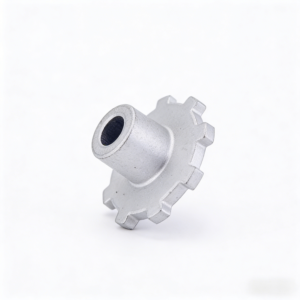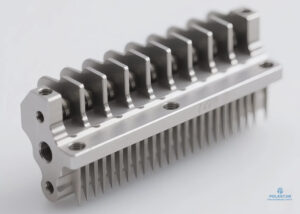
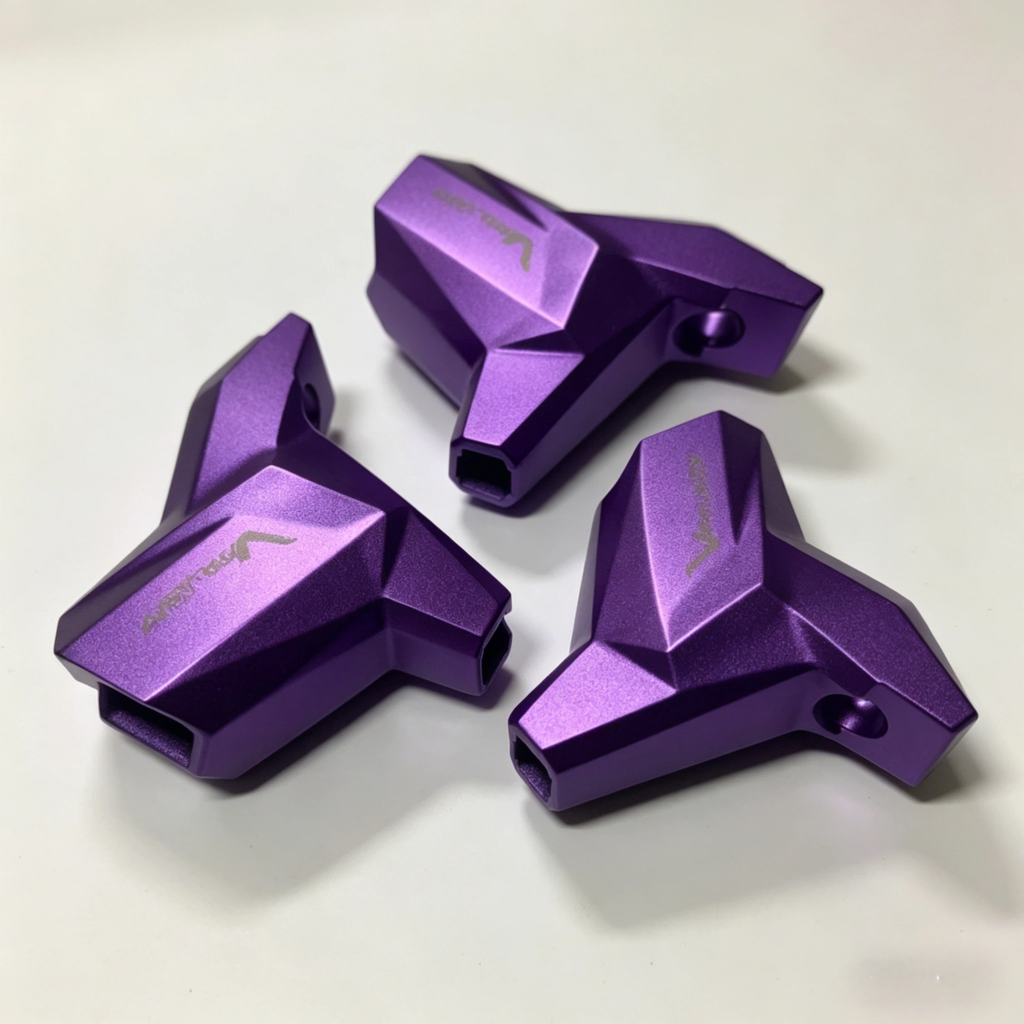
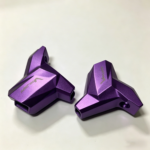
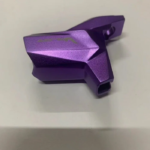
Custom Stable Bracket for Motorcycle 6mm Thick 6061 Aluminum CNC Machined Bracket
Request a Quote
Enter the quantity you need and add to your quote list for pricing inquiries.
Product Details
A bracket for motorcycle is a custom-engineered mounting component designed to attach accessories, relocate components, or reinforce structures on motorcycles. It provides secure attachment points for lighting, luggage, gauges, fenders, and electronic devices. Manufactured from aluminum, stainless steel, or steel. Available in custom shapes, thicknesses from 2mm to 10mm, and various mounting hole patterns. Features include precision laser cutting, CNC bending, and corrosion resistant finishes. Custom brackets available with specific angles, offsets, and coatings including powder coating, anodizing, and zinc plating.
What Is a Bracket for Motorcycle?
A bracket for motorcycle is a custom-engineered mounting component designed to attach accessories, relocate components, or reinforce structures on motorcycles. Unlike universal brackets that offer limited fitment, a properly designed bracket for motorcycle provides precise fitment for specific makes and models, ensuring secure attachment points for lighting, luggage, gauges, fenders, electronic devices, and performance upgrades.
The bracket for motorcycle is characterized by its application-specific design, precise hole placement, and durable construction. Typical features include laser-cut or CNC-machined geometry, pre-drilled mounting holes that match factory bolt locations, formed angles or offsets for proper component positioning, vibration-damping features for electronic components, and corrosion-resistant finishes for weather exposure. Material thickness typically ranges from 2mm to 10mm, depending on load requirements. The bracket for motorcycle enables customization without permanent modification to the motorcycle frame.
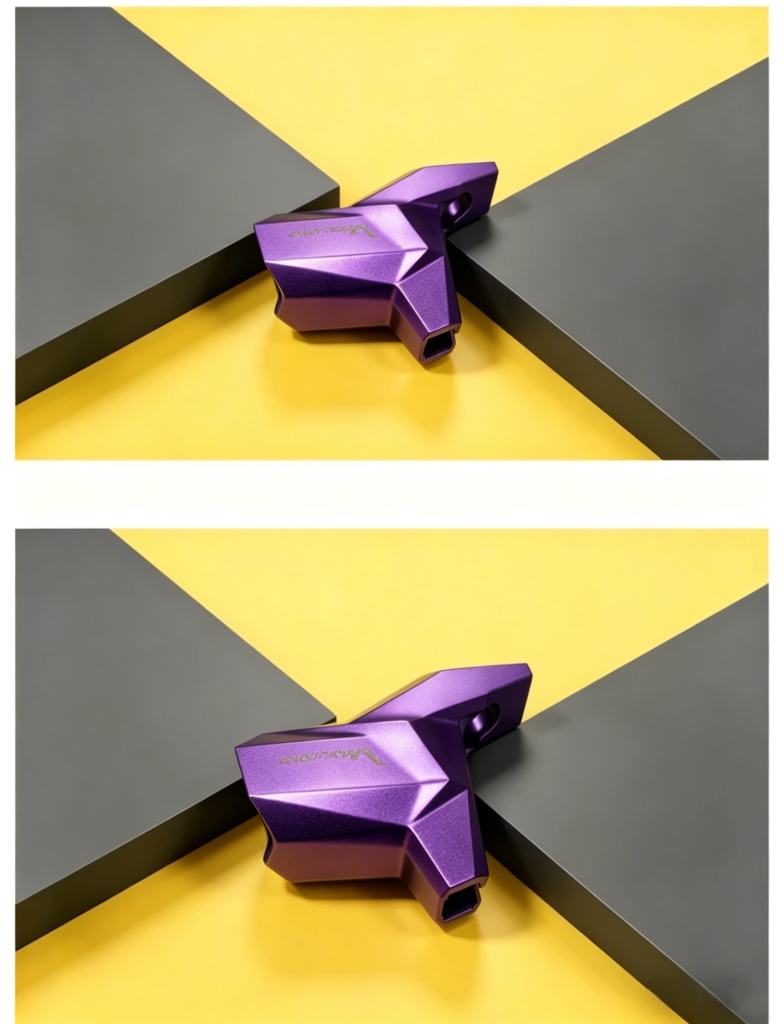
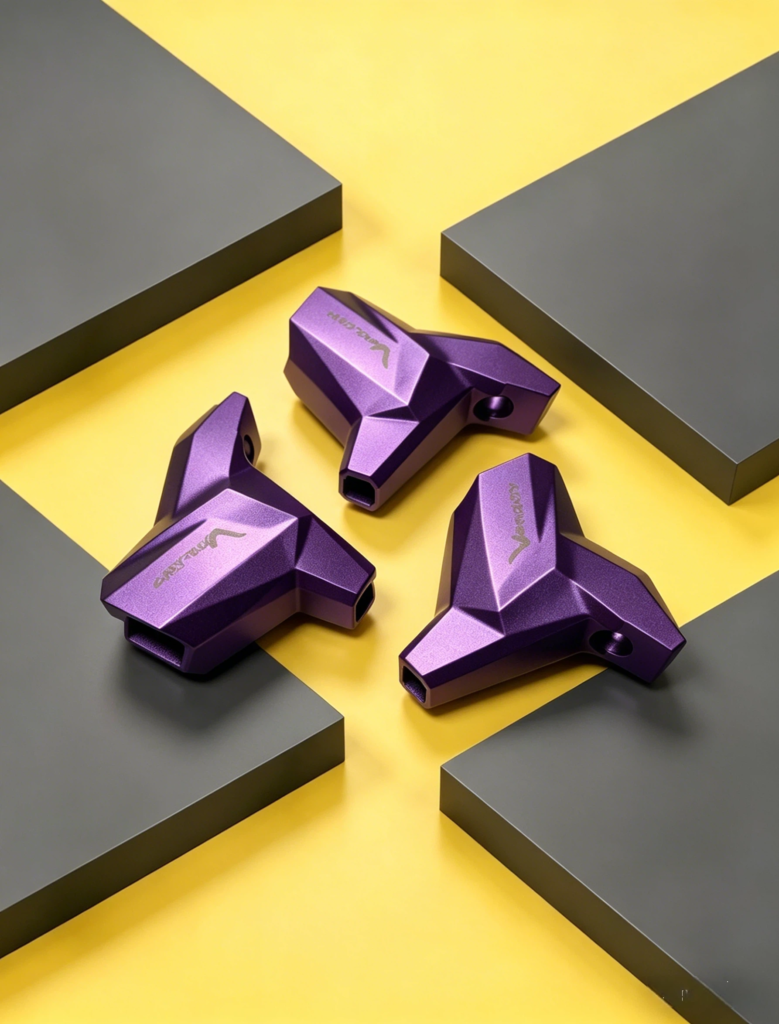
Manufacturing Process:
The production of a bracket for motorcycle follows a precise sequence of operations. Raw material in sheet or plate form—aluminum, stainless steel, or steel—is selected based on strength, weight, and corrosion requirements. The bracket profile is cut using laser cutting or waterjet cutting for precise geometry. Holes are drilled or punched according to factory bolt pattern specifications. The flat blank is then bent to the required angle using CNC press brakes. For complex brackets, multiple bends or welded reinforcements are added. Surface finishing including powder coating, anodizing, or zinc plating is applied for corrosion protection and appearance. Each bracket for motorcycle undergoes fitment verification on a test fixture or actual motorcycle frame.
Common Materials for Bracket for Motorcycle:
Aluminum:
Aluminum is the most popular material for bracket for motorcycle production. It offers lightweight construction, natural corrosion resistance, and good strength. Anodizing provides enhanced wear resistance and color options including black, clear, or custom colors. Suitable for most accessories where weight reduction is beneficial.
Stainless Steel:
Stainless steel in grades 304 provides superior corrosion resistance and high strength. Suitable for exposed applications such as license plate brackets, headlight mounts, and hardware that requires a polished or brushed finish.
Steel:
Carbon steel with powder coating offers high strength at lower cost. Suitable for heavy-duty applications such as luggage racks, engine guards, and structural brackets where maximum strength is required.
Specifications:
Typical specifications for a bracket for motorcycle include:
| Parameter | Typical Range |
| Material | Aluminum, stainless steel, steel |
| Thickness | 2mm to 10mm |
| Finish | Powder coat, anodized, zinc plated |
| Hole Diameter | 4mm to 12mm |
| Fitment | Model-specific or universal |
| Load Capacity | 1kg to 50kg |
Applications Across Industries:
Cruiser Motorcycles:
Brackets for motorcycles on cruisers mount saddlebags, backrests, floorboards, and windshields. Chrome or black powder-coated steel brackets match factory styling.
Sportbikes:
Brackets for motorcycles on sportbikes relocate license plates for fender eliminator kits, mount frame sliders, and attach lap timers or data acquisition equipment. Lightweight aluminum brackets are preferred.
Adventure and Dual-Sport:
Brackets for motorcycles on adventure bikes mount GPS units, auxiliary lights, tool tubes, and crash bars. Heavy-duty aluminum or steel brackets withstand off-road vibration and impacts.
Cafe Racers and Custom Builds:
Brackets for motorcycles on custom builds mount aftermarket seats, tail sections, headlights, and gauges. Unique designs complement custom aesthetics while providing structural support.
Dirt Bikes:
Brackets for motorcycles on dirt bikes mount number plates, hand guards, and skid plates. Lightweight, flexible designs resist breakage during crashes.
Touring Bikes:
Brackets for motorcycles on touring bikes mount large saddlebags, trunk boxes, and auxiliary lighting. High-strength steel brackets support heavy loads over long distances.
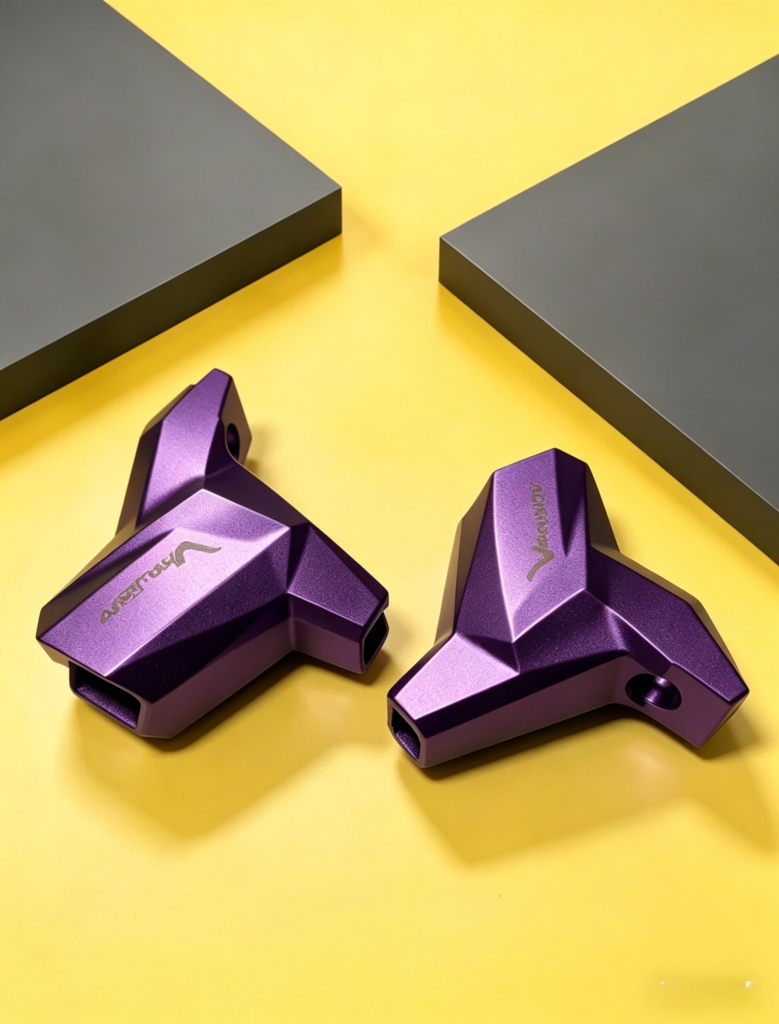
Excellent Case: Fender Eliminator Kit for Sportbike
Background: A sportbike owner wanted to remove the bulky factory rear fender for a cleaner look. The factory license plate mount and turn signals were integrated into the fender assembly, requiring relocation. No ready-made bracket fit the specific motorcycle model.
Solution: A custom bracket for motorcycle was designed from 4mm aluminum with black anodized finish. The bracket bolted to factory mounting points under the tail section, provided a vertical license plate mount with LED light provision, and included turn signal mounting tabs. CAD modeling ensured precise fitment.
Results:
- Aesthetics: Clean, minimalist rear end with no visible bracket
- Fitment: Perfect alignment with factory bolt holes
- Weight: 80 percent lighter than factory fender assembly
- Durability: Anodized finish resisted road salt and weather
- Installation: 20 minutes with basic hand tools
This case demonstrates how a custom bracket for motorcycle transforms motorcycle appearance while maintaining legal compliance.
How to Select the Right Bracket for Motorcycle:
Choosing the appropriate bracket for motorcycle requires careful consideration of several factors. Motorcycle make and model determines bolt hole spacing and frame geometry. Accessory type affects load requirements and mounting orientation. Material selection balances weight, strength, and corrosion resistance. Finish should match motorcycle styling, with black powder coat for most applications or chrome for cruisers. Load requirements determine thickness and reinforcement needs. Installation access may require specific bracket shapes for tight spaces.
Installation Best Practices:
Proper installation ensures the bracket for motorcycle performs reliably. Verify bracket fitment before final tightening. Use thread-locking compound on all fasteners to prevent loosening from vibration. Do not overtighten bolts into aluminum threads. Use rubber washers between bracket and frame for vibration-sensitive electronics. Check for clearance with suspension travel and steering lock-to-lock. Periodically inspect bracket bolts during routine maintenance.
Common Failure Modes:
Understanding potential failures helps with preventive maintenance. Fatigue cracking occurs from vibration, prevented by proper material thickness and design. Corrosion affects steel brackets in wet climates, prevented by stainless steel or proper coating. Bolt loosening results from vibration, prevented by thread-locking compound. Bending occurs from overloading, prevented by proper bracket selection for load requirements.
Conclusion:
The bracket for motorcycle represents an essential component for customizing and personalizing motorcycles, enabling secure attachment of accessories while maintaining factory fitment. By providing precise, application-specific mounting solutions, it allows riders to add functionality and style without permanent modification. By understanding the types, materials, and selection criteria outlined in this guide, the right bracket for motorcycle can be selected for any application—from simple license plate relocations to complex custom builds.