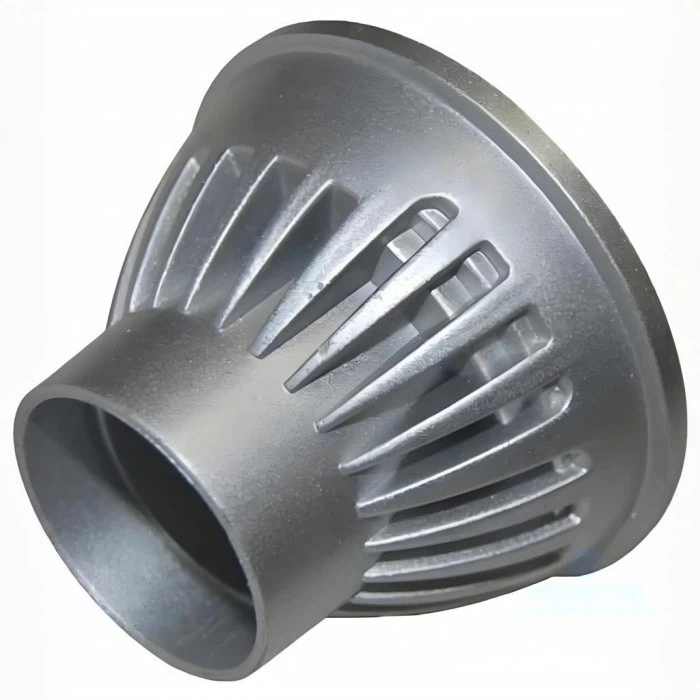
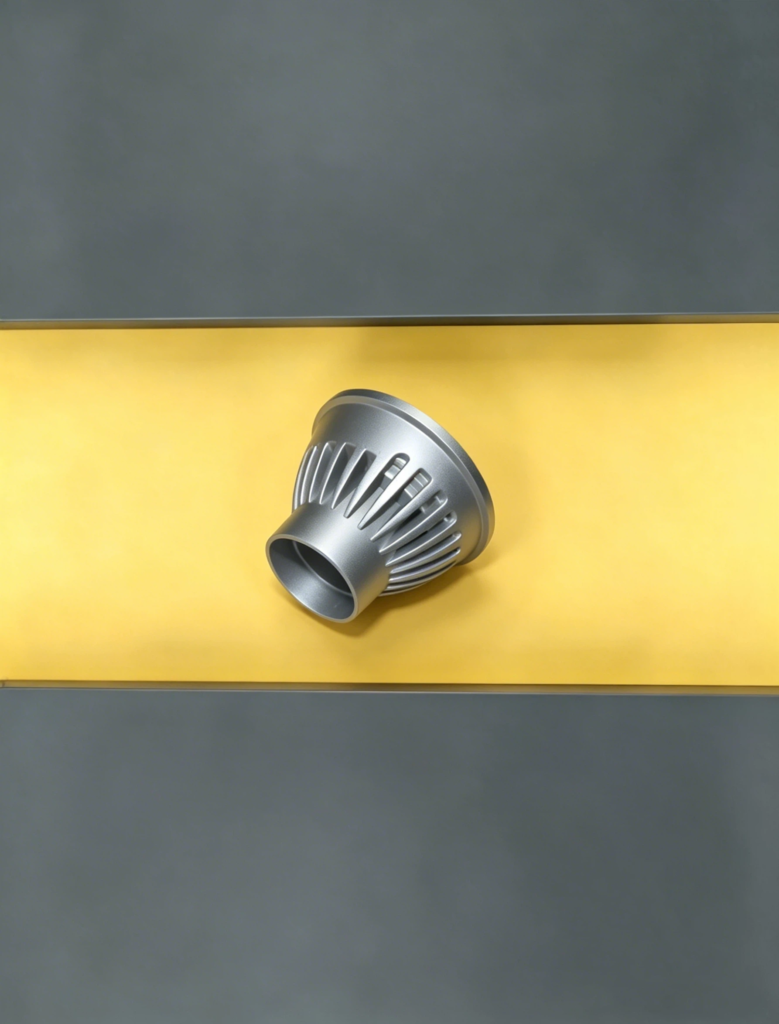
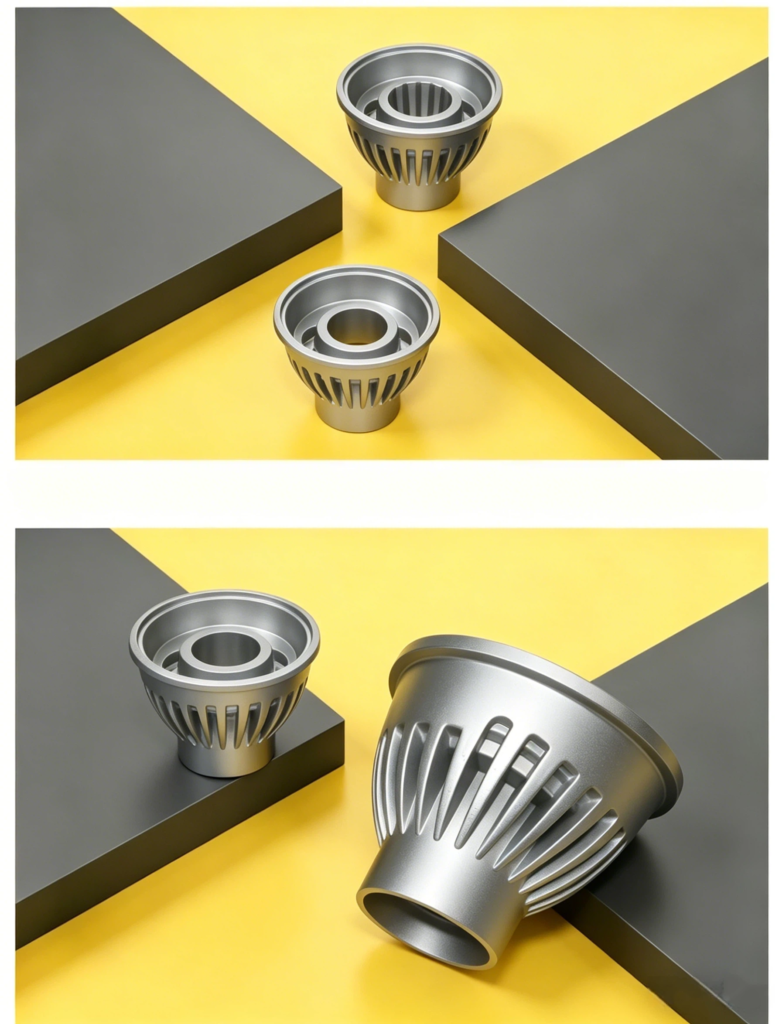
Customised Beauty Heat Sink Housing 150mm Width Die Cast Aluminum Cooling Housing with Fins
Request a Quote
Enter the quantity you need and add to your quote list for pricing inquiries.
Product Details
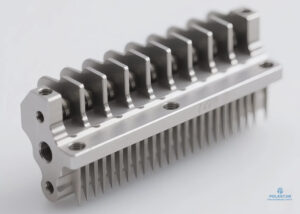
A heat sink housing is an enclosure with integrated cooling fins that protects electronic components while dissipating heat. It eliminates the need for separate heat sinks. Manufactured from aluminum, copper, or hybrid materials via extrusion or die casting. Available in custom sizes from 40mm to 300mm. Features include natural or forced convection cooling, anodized finishes, and IP-rated sealing. Suitable for power supplies, LED drivers, motor controllers, and telecom equipment. Custom housings available with specific fin patterns and mounting holes.
What Is a Heat Sink Housing?
A heat sink housing is an enclosure that integrates heat-dissipating features—typically fins, pins, or textured surfaces—into the walls of a protective casing. Unlike standard enclosures that require separate heat sinks, the heat sink housing uses its own structure to transfer heat from internal components to the surrounding air, reducing part count, saving space, and improving thermal efficiency.
It is characterized by its finned exterior, flat interior mounting surfaces, and thermal management features. Typical features include extruded or cast aluminum construction, integral cooling fins on exterior surfaces, flat mounting surfaces for power devices, threaded inserts for component attachment, and optional fan mounting locations for active cooling. Sizes typically range from 40mm to 300mm in length, 40mm to 200mm in width, and 20mm to 100mm in height. It eliminates the need for separate heat sinks, reducing assembly complexity and improving thermal transfer.
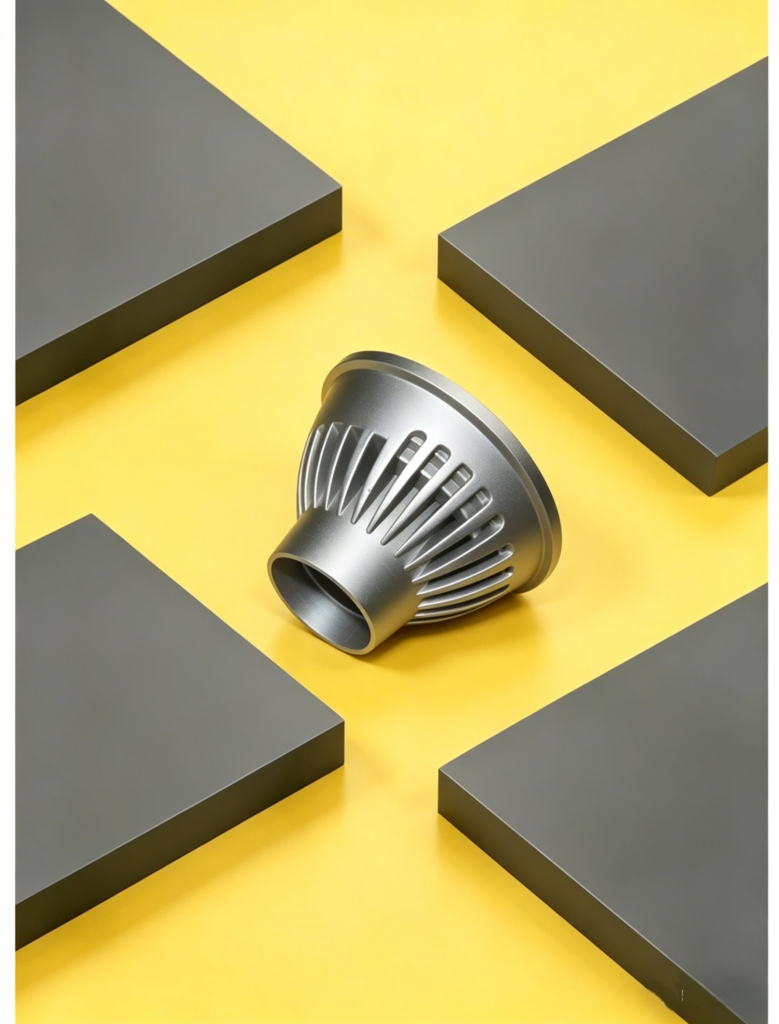
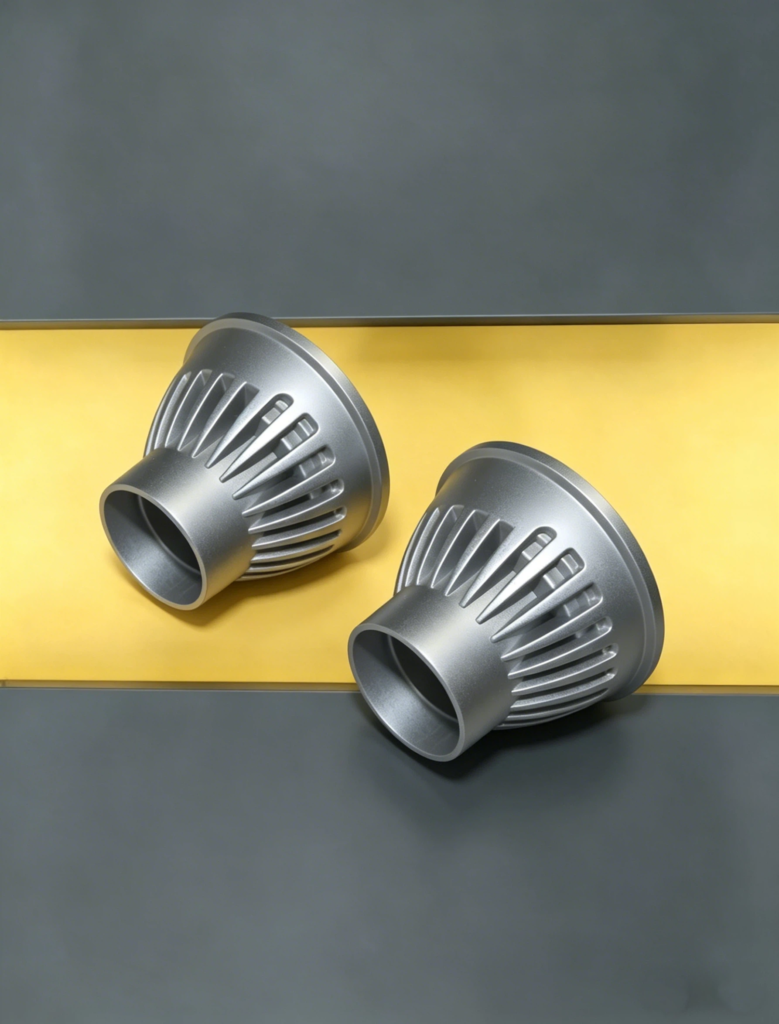
How Heat Sink Housing Works:
The operation of a heat sink housing relies on conduction and convection heat transfer. Heat-generating components such as power transistors, LEDs, or processors are mounted directly to the housing base using thermal interface material. Heat conducts through the housing wall into the integral fins. The increased surface area of the fins allows heat to convect into the surrounding air. Natural convection relies on warm air rising; forced convection uses a fan to increase airflow. It maintains component temperatures within safe operating limits, extending product life and reliability.
Common Materials:
Aluminum is the most common material for heat sink housing production. Alloys 6063 and 6061 offer excellent thermal conductivity (200-220 W/m·K), good extrudability, lightweight construction, and corrosion resistance. Suitable for most electronic applications including power supplies, LED lighting, and industrial controls.
Copper provides superior thermal conductivity (approx 400 W/m·K) but is heavier and more expensive. Suitable for high-power applications where maximum thermal performance is required.
Copper-Aluminum Hybrid combines copper base with aluminum fins. Offers high conductivity at the heat source with lighter weight fins. Suitable for high-power density applications.
Die Cast Aluminum allows complex shapes with integrated mounting features. Suitable for high-volume production of custom shapes.
Manufacturing Processes:
Aluminum Extrusion creates continuous profiles that are cut to length. Most cost-effective for high-volume heat sink housing production. Suitable for linear fin patterns.
Die Casting allows complex shapes with integrated mounting bosses, ribs, and logos. Suitable for high-volume production of custom enclosures.
CNC Machining produces precision housings from solid aluminum billet. Suitable for prototypes and low-volume production.
Skived Fin creates ultra-dense fins from solid copper or aluminum. Highest thermal performance for compact designs.
Types of Heat Sink Housing:
Extruded Heat Sink Housing:
Linear fins along the length of the heat sink housing. Most common and cost-effective. Suitable for natural convection cooling in power supplies and industrial electronics.
Die Cast Heat Sink Housing:
Complex fin patterns with integrated mounting features. Suitable for LED lighting, automotive electronics, and consumer products.
Pin Fin Heat Sink Housing:
Array of cylindrical pins instead of linear fins. Provides multi-directional cooling. Suitable for forced convection applications with fans.
Folded Fin Heat Sink Housing:
Corrugated fins bonded to a base plate. High surface area for compact designs. Suitable for high-power density applications.
Active Cooled Heat Sink Housing:
Integrates fan mounting for forced convection. Suitable for high-power applications requiring maximum cooling.
Applications Across Industries:
Power Supplies:
Heat sink housing encloses AC-DC converters, DC-DC converters, and inverters. Power semiconductors mount directly to housing base for optimal cooling.
LED Lighting:
Heat sink housing serves as both enclosure and heat sink for LED drivers and high-power LED arrays. Provides thermal management and protects against moisture.
Motor Controllers:
Heat sink housing encloses motor drives, servo amplifiers, and VFDs. Power MOSFETs and IGBTs mount to housing for heat dissipation.
Telecommunications:
Heat sink housing protects and cools RF amplifiers, base station equipment, and networking hardware. Outdoor-rated housings with IP sealing.
Industrial Controls:
Heat sink housing encloses PLCs, temperature controllers, and automation equipment. Provides thermal management for densely packed electronics.
Electric Vehicle Charging:
Heat sink housing cools power electronics in EV chargers and onboard chargers. High thermal performance for demanding applications.
Excellent Case: LED Driver Enclosure:
Background: A lighting manufacturer needed an enclosure for a 200W LED driver. Separate extruded heat sink and sheet metal enclosure were bulky, expensive, and required assembly of multiple parts.
Solution: A heat sink housing was designed using 6063 aluminum extrusion with 12 fins on the exterior. The housing featured internal mounting bosses for the PCB and external mounting flanges. The finish was black anodized.
Results:
- Component Temperature: Reduced by 25°C compared to separate enclosure
- Assembly Time: Reduced by 40 percent (single part vs multiple)
- Space: 30 percent smaller footprint
- Cost: 20 percent lower than separate heat sink and enclosure
- Reliability: No heat sink attachment failures after 10,000 hours
This case demonstrates how the heat sink housing simplifies assembly and improves thermal performance.
How to Select the Right Heat Sink Housing:
Choosing the appropriate heat sink housing requires consideration of power dissipation to determine required thermal resistance. Available space dictates maximum dimensions. Cooling method determines natural convection, forced convection, or conduction cooling. Environmental conditions influence material and finish selection, with anodized aluminum for corrosion resistance. Mounting requirements specify internal and external mounting features.
Installation Best Practices:
Proper installation ensures this production performs reliably. Use thermal interface material between components and housing. Apply adequate mounting pressure without cracking components. Ensure airflow paths are unobstructed. For outdoor housings, verify IP rating seals are intact. Use thermal modeling to verify design before production.
Conclusion:
This production represents an optimal solution for electronic enclosures requiring thermal management, combining mechanical protection with integrated cooling. By eliminating separate heat sinks, it reduces part count, assembly time, and cost while improving thermal performance. By understanding the materials, types, and selection criteria outlined in this guide, the right heat sink housing can be selected for any application—from LED drivers to industrial power supplies.