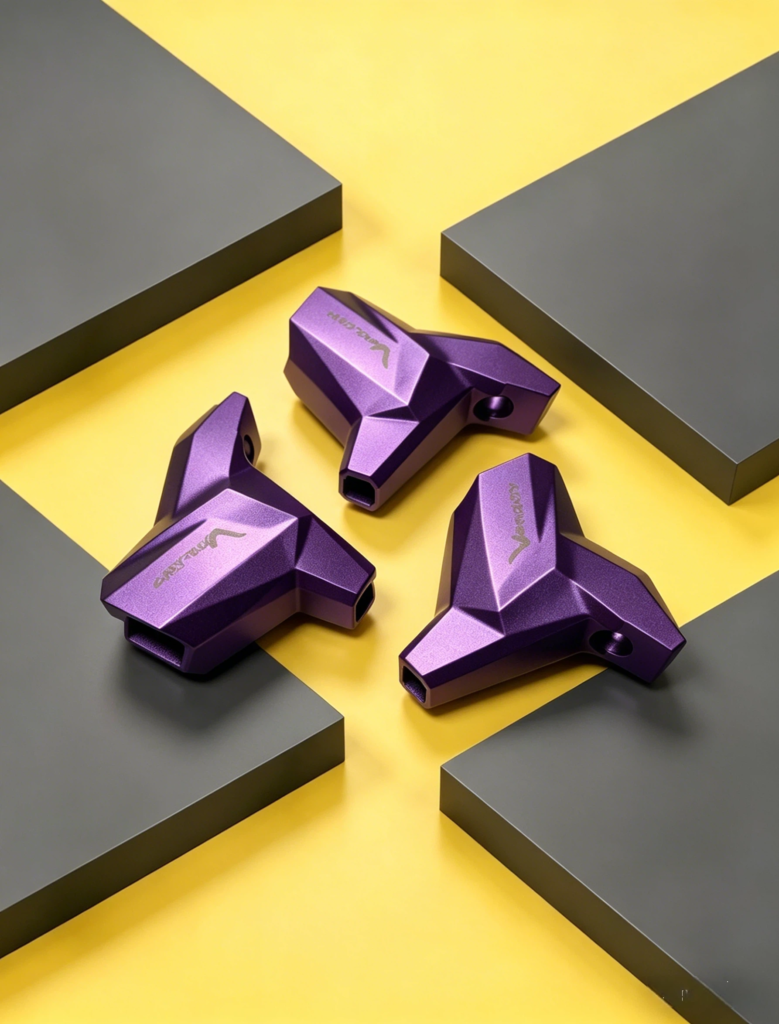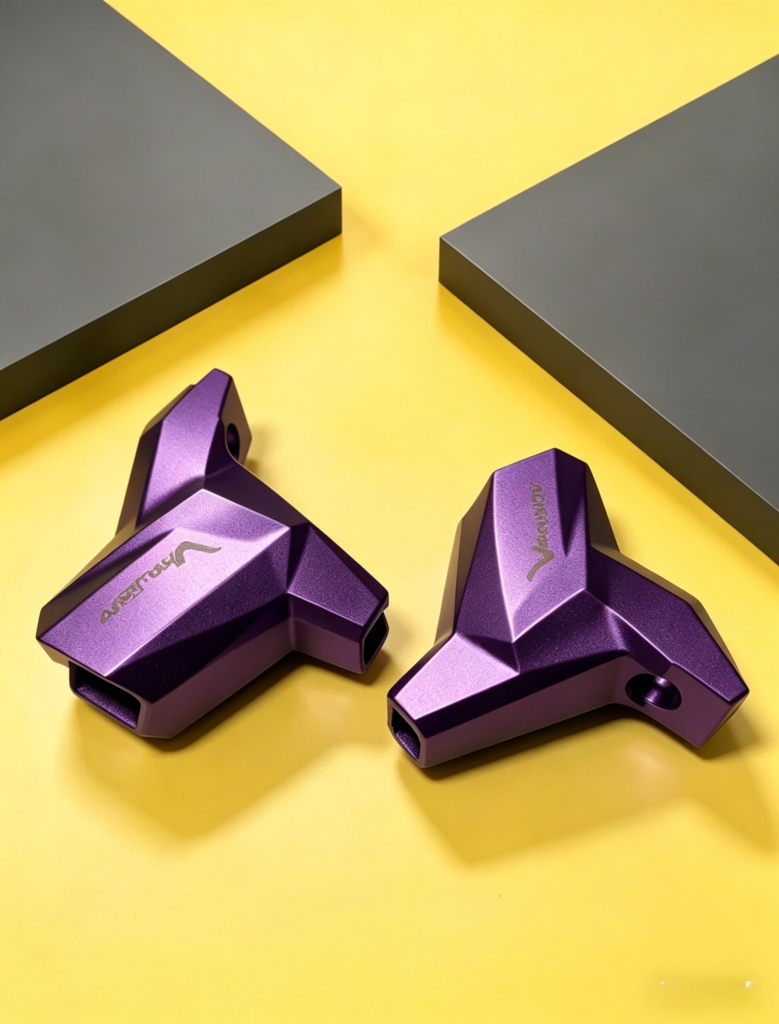
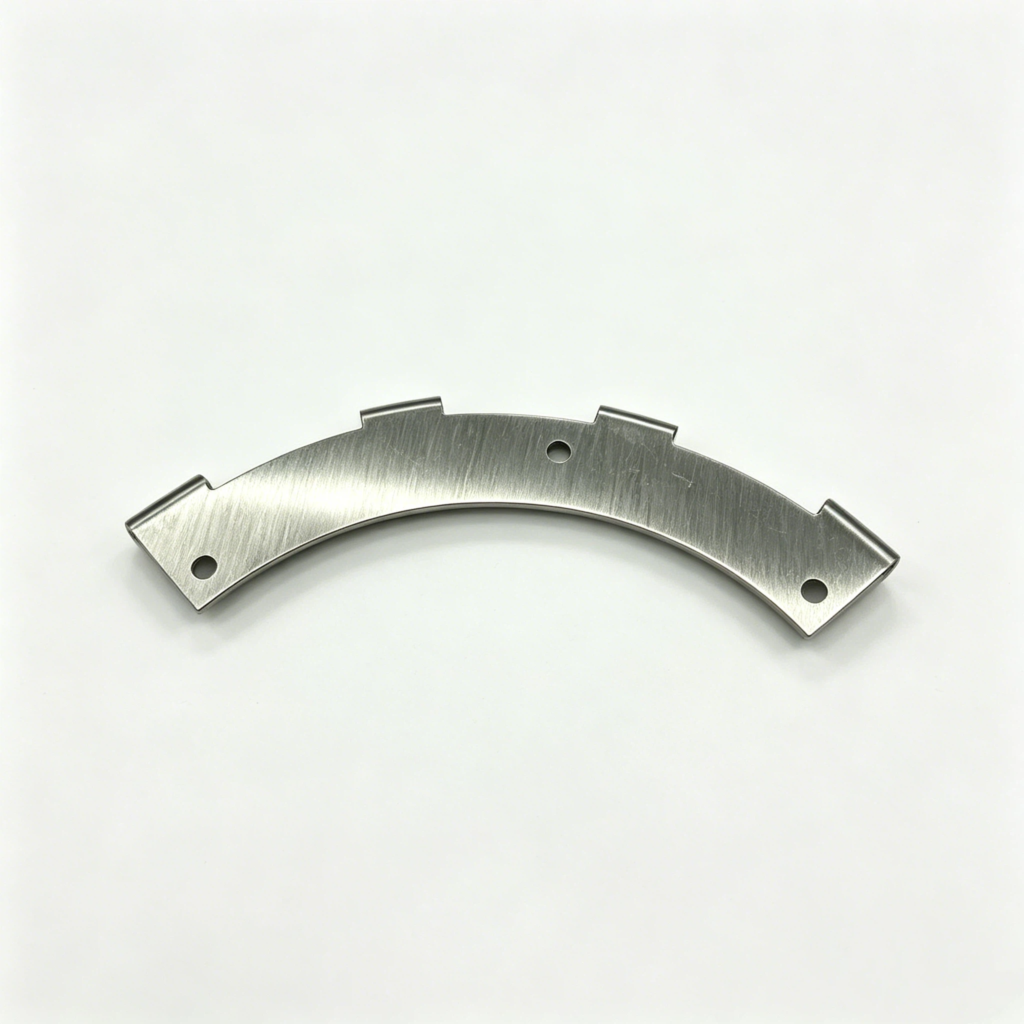
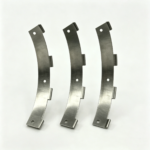
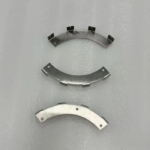
Fully Customizable Spring Clip Fasteners 6mm Width Precision Formed Stainless Steel Spring Clip Fasteners
Request a Quote
Enter the quantity you need and add to your quote list for pricing inquiries.
Product Details
Spring clip fasteners are one-piece mechanical fasteners that use spring tension to securely attach components without tools or additional hardware. They provide quick installation, vibration resistance, and easy removal. Manufactured from spring steel, stainless steel, or phosphor bronze. Available in custom sizes, wire diameters from 0.5mm to 5mm, and configurations including U-clips, J-clips, edge clips, and tube clips. Features include self-retaining design, corrosion resistant coatings, and consistent clamping force. Custom spring clip fasteners available with specific materials, dimensions, and finishes including zinc plating and passivation.
What Are Spring Clip Fasteners?
Spring clip fasteners are one-piece mechanical fasteners that use spring tension to securely attach components without tools or additional hardware. Unlike screws, bolts, or rivets that require separate installation steps, spring clip fasteners provide instant attachment through spring force, enabling quick installation, vibration resistance, and easy removal.
Spring clip fasteners are characterized by their spring steel construction, self-retaining design, and tool-free installation. Typical features include formed wire or stamped sheet metal construction, spring tension that creates clamping force, self-locking geometry that prevents loosening under vibration, corrosion-resistant coatings for durability, and various profiles including U-shape, J-shape, edge clips, and tube clips. Wire diameters typically range from 0.5mm to 5mm, with lengths from 5mm to 100mm. Spring clip fasteners reduce assembly time, eliminate loose hardware, and provide consistent clamping force.
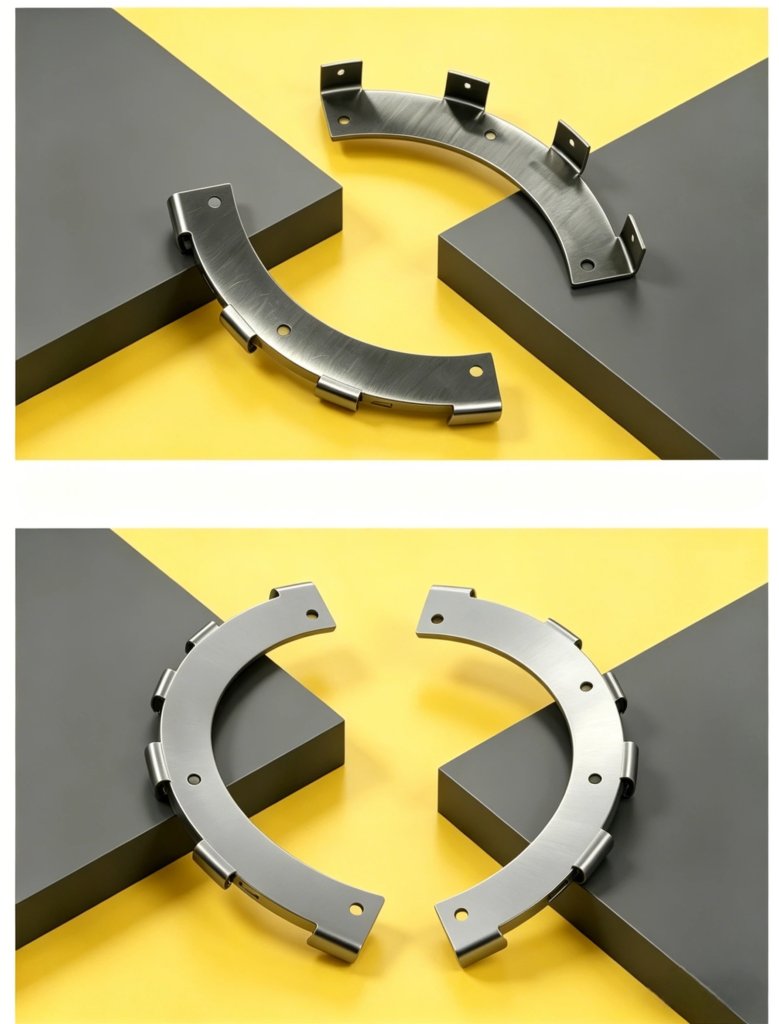
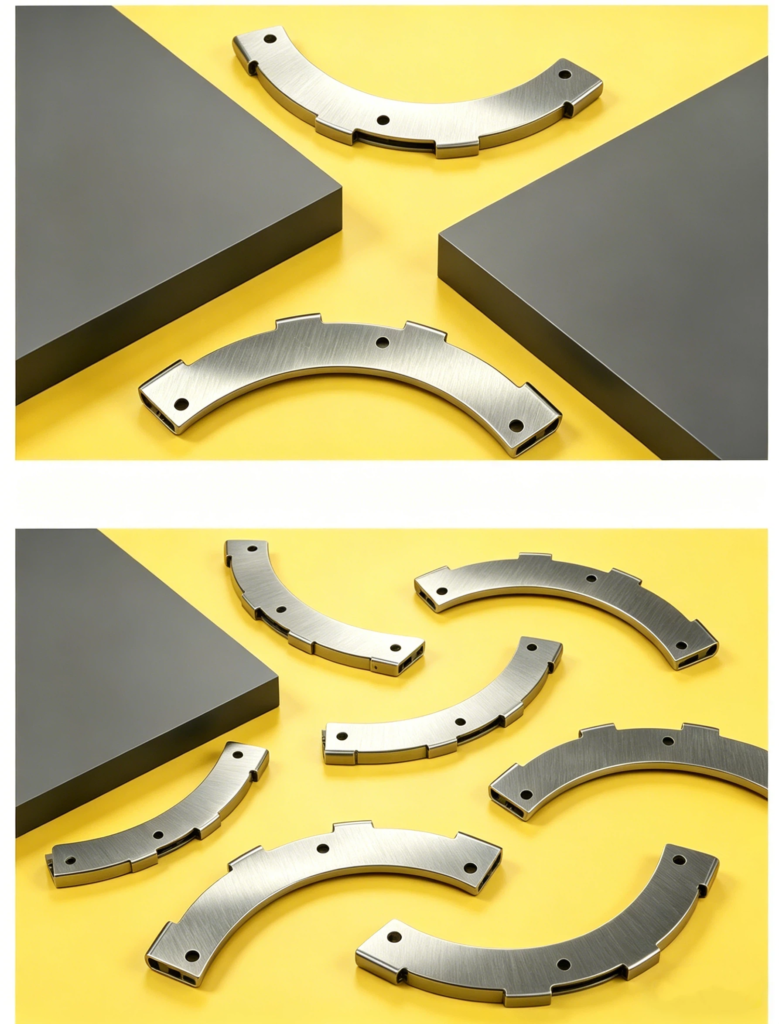
Types of Spring Clip Fasteners:
U-Shape Spring Clip:
Formed into a U shape that slides over the edge of panels or sheets. Provides secure retention with spring tension on both sides. Commonly used for trim panels, nameplates, and edge trim attachment.
J-Shape Spring Clip:
Formed into a J shape that hooks over panel edges. Provides retention on one side with spring tension. Commonly used for wire harness retention, cable management, and panel attachments.
Edge Clip:
Designed to grip the edge of sheet metal panels. Provides a threaded or smooth mounting point for screws or studs. Commonly used in automotive trim, appliance assembly, and electronics enclosures.
Tube Clip:
Formed to wrap around tubes, pipes, or cylindrical components. Provides secure retention with spring tension. Commonly used for hydraulic line retention, wire harness bundling, and tube mounting.
Retaining Ring Clip:
Circular clip that fits into grooves on shafts or housings. Retains bearings, gears, or other components axially. Commonly used in power transmission and mechanical assemblies.
Custom Spring Clip Fastener:
Engineered to exact specifications including unique shapes, wire diameters, spring rates, and mounting configurations.
Common Materials for Spring Clip Fasteners:
Spring Steel:
High carbon spring steel is the most common material for spring clip fasteners. It offers excellent spring properties, high fatigue resistance, and good strength. Zinc plating provides corrosion resistance. Suitable for most general purpose applications including automotive, industrial, and consumer products.
Stainless Steel:
Stainless steel in grades 301, 304, and 316 provides superior corrosion resistance with good spring properties. Suitable for medical devices, marine applications, food processing equipment, and outdoor environments where rust resistance is critical.
Phosphor Bronze:
Phosphor bronze offers good spring properties, excellent corrosion resistance, and electrical conductivity. Suitable for electrical contacts, marine hardware, and applications requiring non-magnetic properties.
Applications Across Industries:
Automotive Industry:
Spring clip fasteners are used throughout vehicles for trim panel attachment, wire harness retention, hose and tube securing, nameplate and emblem mounting, and interior component fastening. They withstand vibration, temperature extremes, and provide reliable service over vehicle life.
Electronics and Appliances:
Spring clip fasteners secure circuit boards, retain batteries, mount control panels, attach nameplates, and retain covers in consumer electronics and household appliances. Tool-free installation simplifies manufacturing and field service.
Aerospace and Defense:
Spring clip fasteners in aircraft and military equipment retain access panels, secure wiring bundles, mount instrumentation, and hold thermal insulation. Corrosion-resistant stainless steel clips meet stringent reliability requirements.
Industrial Equipment:
Spring clip fasteners retain machine guards, secure cable trays, mount control boxes, and hold access covers in industrial machinery. Quick installation reduces assembly time and maintenance downtime.
Medical Devices:
Spring clip fasteners in diagnostic equipment, patient monitors, and surgical instruments require stainless steel construction for cleanroom compatibility and corrosion resistance.
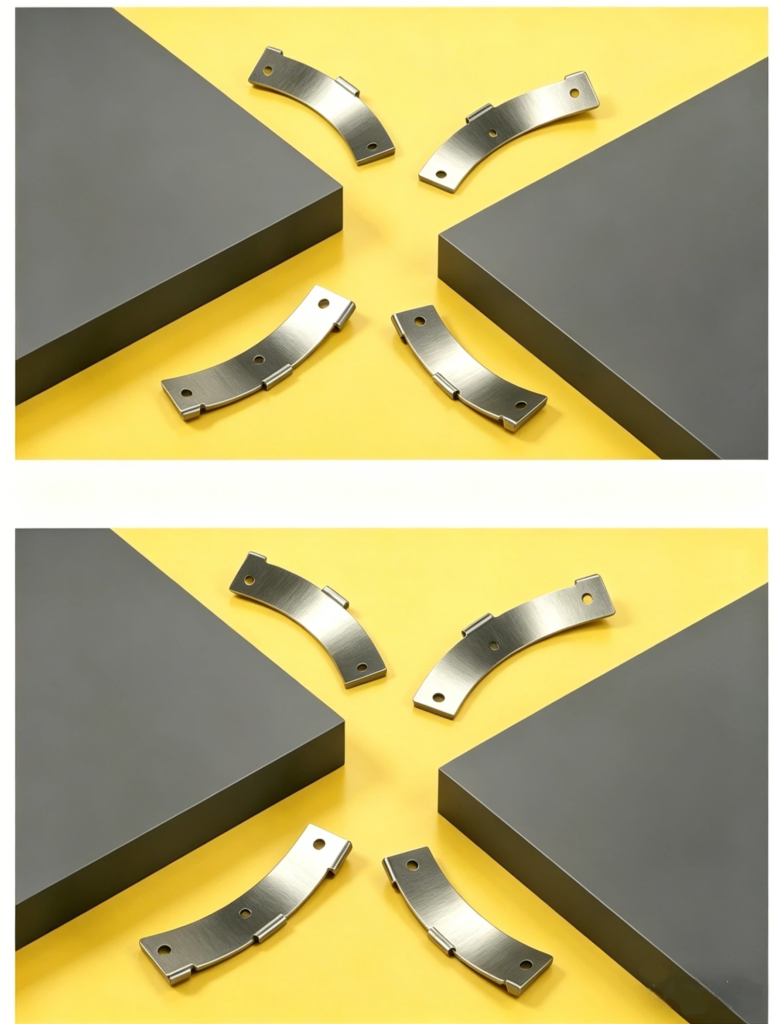
Excellent Case: Automotive Door Trim Attachment:
Background: An automotive manufacturer needed to attach interior door trim panels to the door frame. Traditional screws required alignment, drilling, and 30 seconds per fastener, slowing assembly line production. Vibration also caused screws to loosen over time.
Solution: A U-shape spring clip fastener was designed from spring steel with zinc plating. The clip slid over the door frame edge and provided spring tension against the trim panel. Installation required no tools and took 2 seconds per clip.
Results:
- Installation Time: Reduced from 30 seconds to 2 seconds per clip
- Assembly Cost: 90 percent reduction in fastening labor cost
- Vibration Resistance: Clips maintained retention after 100,000 test cycles
- Weight: Reduced by 80 percent compared to screw and nut assemblies
- Serviceability: Trim removal time reduced from 5 minutes to 30 seconds
This case demonstrates how spring clip fasteners dramatically reduce assembly time while improving vibration resistance in automotive applications.
How to Select the Right Spring Clip Fastener:
Choosing the appropriate spring clip fastener requires careful consideration of several factors. Panel or component thickness determines the clip gap and clamping force needed. Material thickness and strength affect spring tension and fatigue life. Environmental conditions determine corrosion protection requirements, with stainless steel for harsh environments. Installation access influences clip geometry, with edge clips for panel edges and tube clips for cylindrical components. Retention force must be sufficient for the application but allow removal when needed. Quantity determines whether standard or custom clips are most cost-effective.
Common Failure Modes:
Understanding potential failures helps with preventive maintenance. Fatigue cracking occurs from repeated flexing beyond material limits, prevented by proper clip selection and heat treatment. Corrosion affects uncoated steel clips in moist environments, prevented by stainless steel or plated finishes. Permanent set occurs when clip is overstressed beyond elastic limit, reducing clamping force, prevented by correct sizing and installation. Loss of tension results from material relaxation over time, prevented by proper material selection and heat treatment.
Conclusion:
Spring clip fasteners represent an efficient, cost-effective solution for attaching components quickly without tools or additional hardware. By using spring tension for retention, they eliminate loose parts, reduce assembly time, and provide consistent clamping force. By understanding the types, materials, and selection criteria outlined in this guide, the right spring clip fastener can be selected for any application—from standard automotive trim attachments to custom engineered solutions for demanding aerospace, medical, and industrial environments.