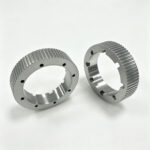
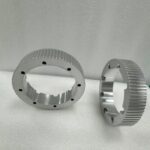
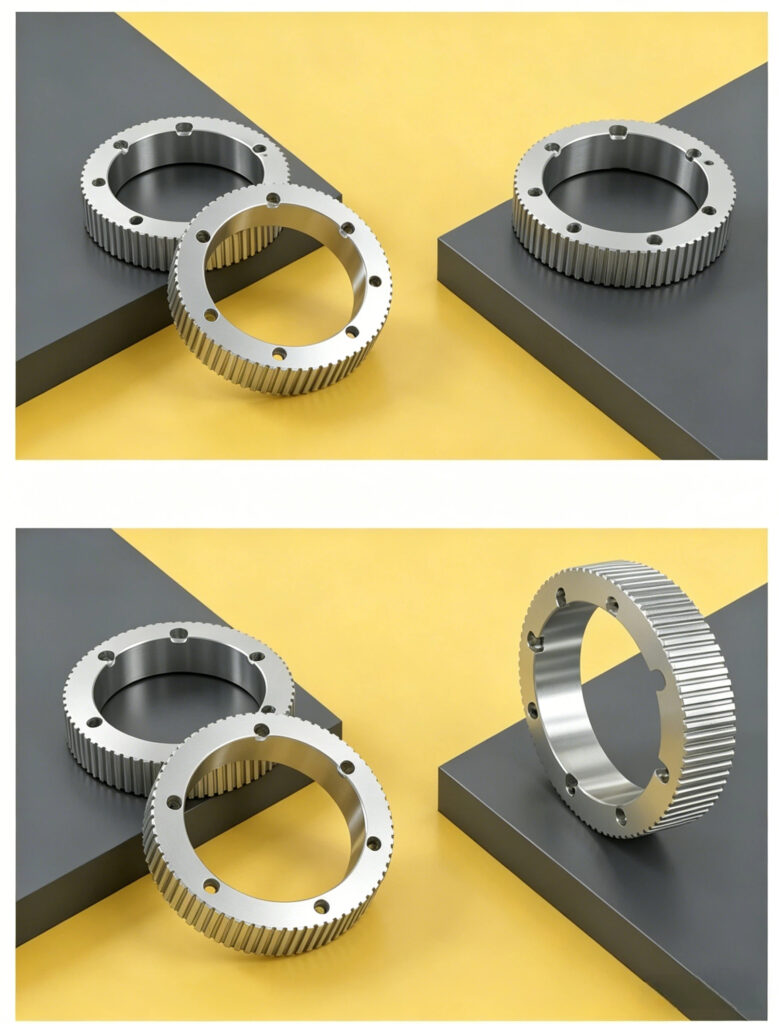
Custom Reliable Engineered Spline Sleeve 3 Set Screw Configuration High Torque Spline Sleeve
Request a Quote
Enter the quantity you need and add to your quote list for pricing inquiries.
Product Details
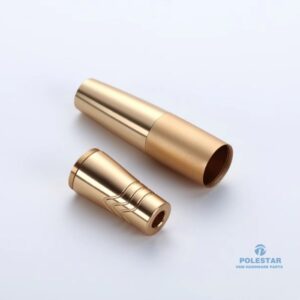
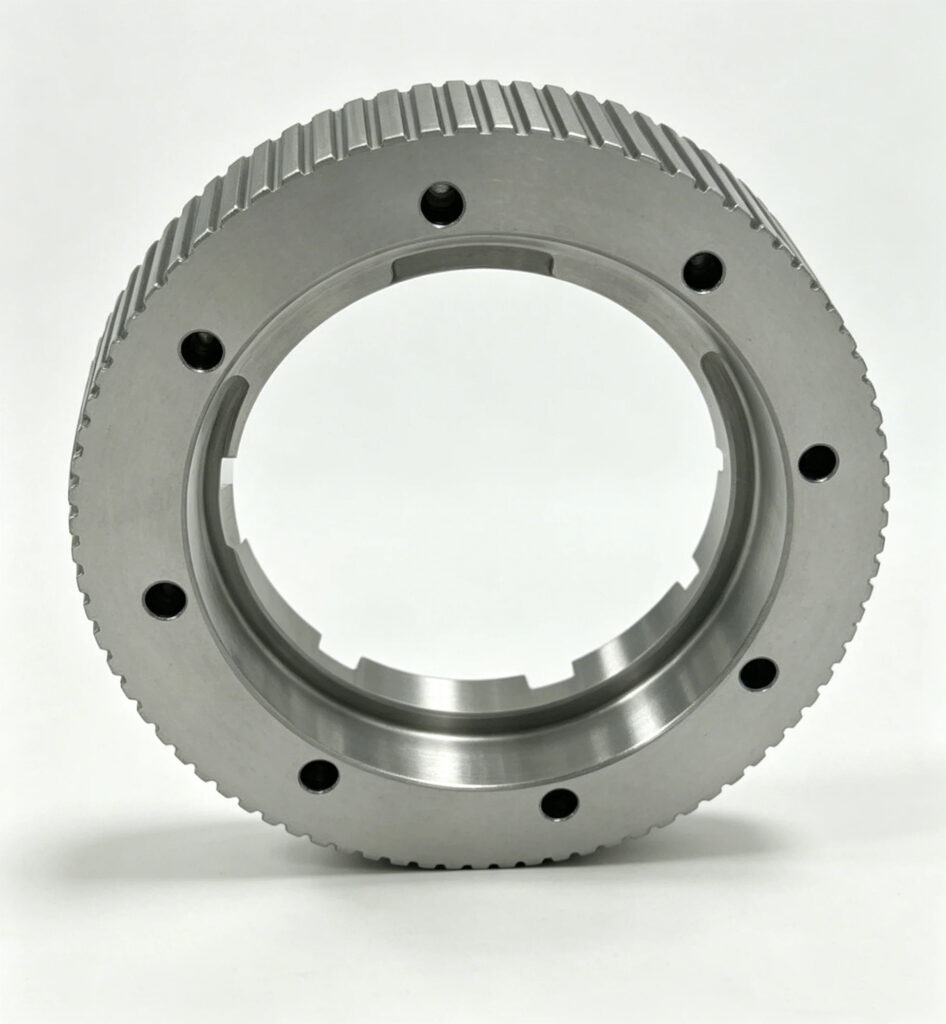
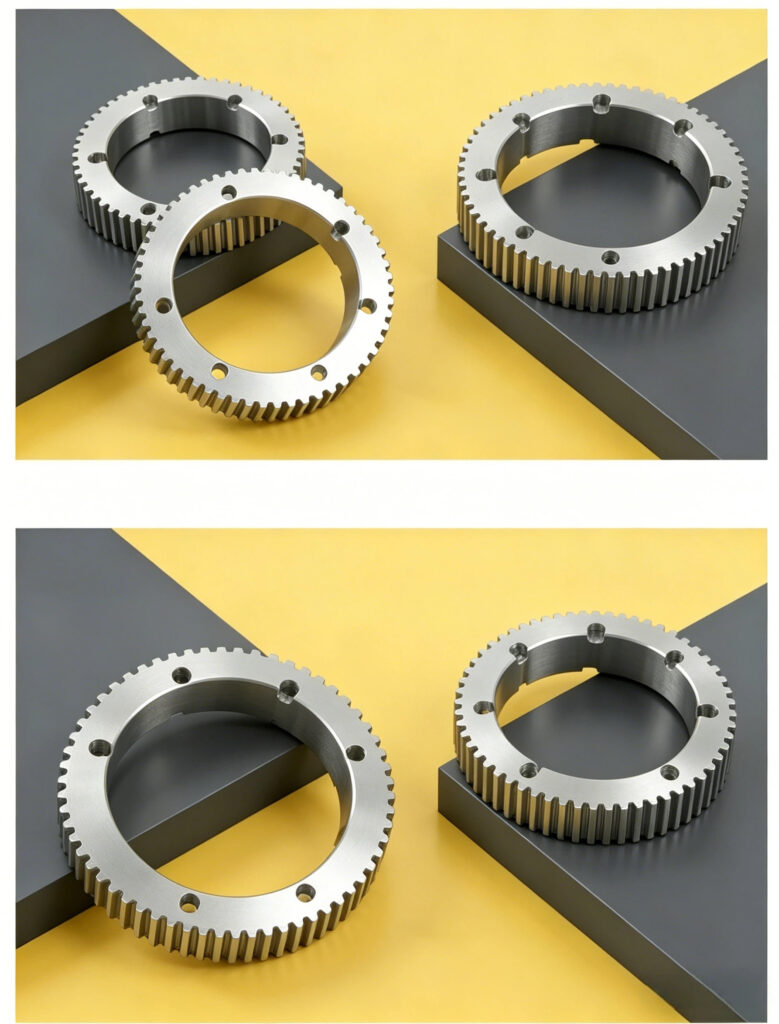
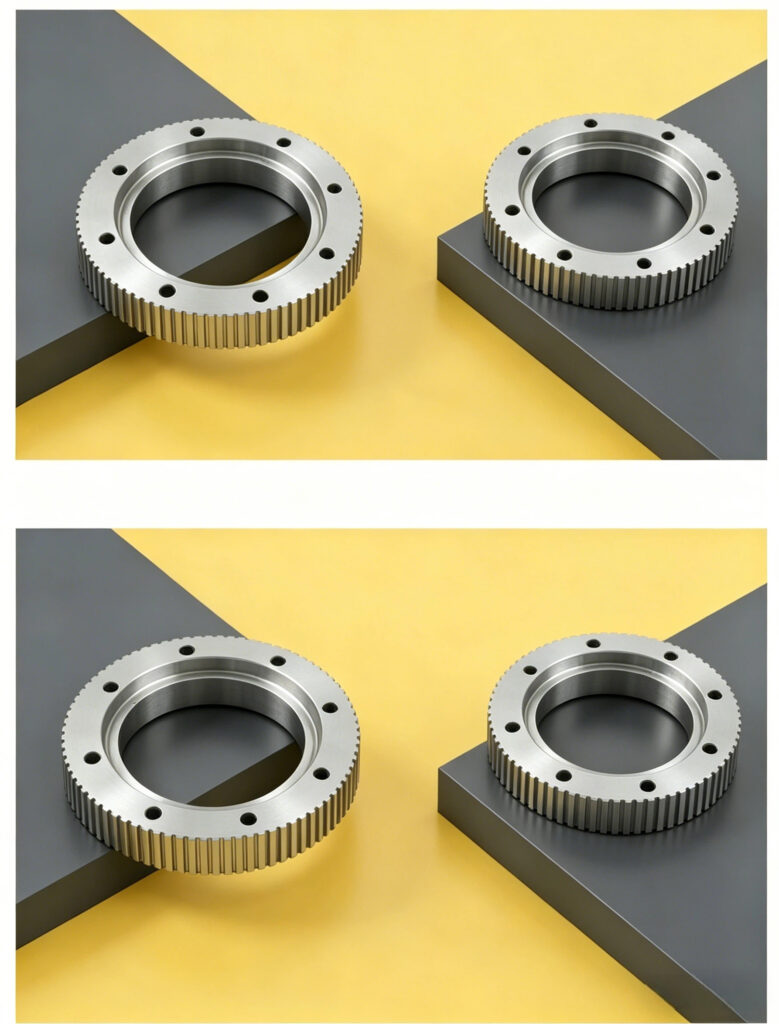
A spline sleeve is a cylindrical component with internal or external splines that transmits torque between rotating shafts or between a shaft and a mating part. It allows for axial movement while maintaining precise rotational alignment. Manufactured from alloy steel, stainless steel, carbon steel, or aluminum. Available in custom bore sizes, lengths, and spline profiles including involute and straight-sided. Features include precision ground splines, heat treated surfaces, and corrosion resistant coatings. Custom spline sleeves available with specific tooth counts and pressure angles.
What Is a Spline Sleeve?
A spline sleeve is a cylindrical mechanical component with internal or external splines designed to transmit torque between rotating shafts or between a shaft and a mating component. Unlike keyed connections that use a single key, the spline sleeve uses multiple spline teeth to distribute load evenly, providing higher torque capacity, better concentricity, and the ability to accommodate axial movement while maintaining rotational alignment.
It is characterized by its precision-machined spline teeth, which can be involute or straight-sided profiles. Typical features include a precisely ground internal or external spline tooth profile, heat-treated surfaces for wear resistance, bore diameters from 6mm to 100mm, lengths from 10mm to 200mm, and various pressure angles including 30°, 37.5°, and 45°. The spline sleeve provides a robust connection that resists rotational slip, accommodates misalignment, and allows for thermal expansion during operation.
Manufacturing Process:
The production of it follows a precise sequence of operations. Raw material such as alloy steel, stainless steel, or carbon steel is selected based on torque requirements. The material is cut to length and turned to rough outer diameter. The inner bore is drilled and rough bored. Spline teeth are cut using spline hobbing, shaping, or broaching machines. For high-precision applications, the spline teeth are ground after heat treatment to achieve tight tolerances. Heat treatment including carburizing, nitriding, or induction hardening achieves surface hardness of 58 to 62 HRC. Surface finishing including zinc plating, black oxide, or passivation is applied as required. Each spline sleeve undergoes spline gauge inspection, dimensional verification, and hardness testing.
Common Materials for Spline Sleeve:
Alloy Steel:
Alloy steel such as 8620, 4140, or 4340 is the most common material for spline sleeve production. These materials offer high strength, excellent wear resistance after carburizing, and good fatigue life. Suitable for heavy-duty power transmission, automotive drivelines, and industrial machinery.
Stainless Steel:
Stainless steel in grades 303, 304, and 316 provides superior corrosion resistance. Suitable for marine environments, food processing equipment, medical devices, and outdoor applications where rust resistance is critical.
Carbon Steel:
Carbon steel like 1045 offers good strength at lower cost. Suitable for light to medium-duty applications where corrosion resistance is not required.
Aluminum:
Aluminum provides lightweight construction for low-torque applications. Suitable for instrumentation, robotics, and applications where weight reduction is critical.
Types of Spline Sleeves:
Internal Spline Sleeve:
Features spline teeth on the inner diameter of the sleeve. Accepts a splined shaft or external spline component. Commonly used in transmission components, clutch assemblies, and drive shafts.
External Spline Sleeve:
Features spline teeth on the outer diameter of the sleeve. Fits into a splined housing or internal spline component. Commonly used as an adapter between different spline sizes or as a wear surface.
Floating Spline Sleeve:
Designed with clearance that allows axial movement between mating components. Accommodates thermal expansion and misalignment. Commonly used in drive shafts, pump couplings, and telescoping assemblies.
Locking Spline Sleeve:
Features additional locking mechanisms such as set screws or locking collars to prevent axial movement. Used in applications requiring fixed axial positioning.
Custom Spline Sleeve:
Engineered to exact specifications including unique tooth counts, pressure angles, bore sizes, and overall dimensions.
Applications Across Industries:
Automotive Driveline:
Spline sleeves are essential in transmission components including output shafts, input shafts, and synchronizer assemblies. They connect the transmission to drive shafts, transfer case components, and differential assemblies. High torque capacity and reliability are critical.
Industrial Power Transmission:
Spline sleeves connect gearboxes to motors, pumps to drives, and conveyor components to drive shafts. They provide a reliable, serviceable connection that accommodates misalignment and thermal expansion.
Agricultural Equipment:
Spline sleeves in tractors, harvesters, and implements connect power take-off shafts to driven equipment. They withstand shock loads, dust, and outdoor conditions.
Marine Propulsion:
Spline sleeves connect engine outputs to propeller shafts and transmission components. Corrosion-resistant stainless steel or coated steel sleeves are essential for saltwater environments.
Aerospace:
Spline sleeves in aircraft actuation systems, landing gear drives, and engine accessories demand precision tolerances and high reliability. Lightweight alloy steel or titanium sleeves are common.
Excellent Case: Heavy-Duty Truck Driveshaft
Background: A heavy-duty truck manufacturer experienced premature spline wear in driveshaft slip joints, leading to driveline vibration and warranty claims after 200,000 miles. The original carbon steel spline sleeve had insufficient surface hardness.
Solution: A custom spline sleeve was designed using 8620 alloy steel with carburized case hardening to 60 HRC. The sleeve featured an involute spline profile with 30° pressure angle and precision ground teeth. A protective zinc plating was applied for corrosion resistance.
Results:
- Spline Life: Extended from 200,000 to 600,000 miles
- Wear Reduction: 70 percent reduction in spline tooth wear
- Torque Capacity: Increased by 25 percent
- Vibration: Eliminated driveline vibration issues
- Warranty Claims: 80 percent reduction in driveline-related claims
This case demonstrates how it delivers extended service life and reliability in demanding heavy-duty applications.
Installation Best Practices:
Proper installation ensures the spline sleeve performs reliably. Clean both the sleeve and mating shaft thoroughly to remove debris. Apply appropriate lubricant to spline teeth before assembly. Slide the sleeve onto the shaft without forcing. For press-fit applications, use proper installation tools to avoid damaging spline teeth. Secure any locking mechanisms such as set screws or retaining rings. Verify axial movement for floating designs after installation.
Conclusion:
The spline sleeve represents a critical component for high-torque power transmission, providing reliable torque transfer while accommodating axial movement and misalignment. By understanding the materials, types, and selection criteria outlined in this guide, the right spline sleeve can be selected for any application—from standard automotive drivelines to custom engineered solutions for demanding industrial and aerospace applications