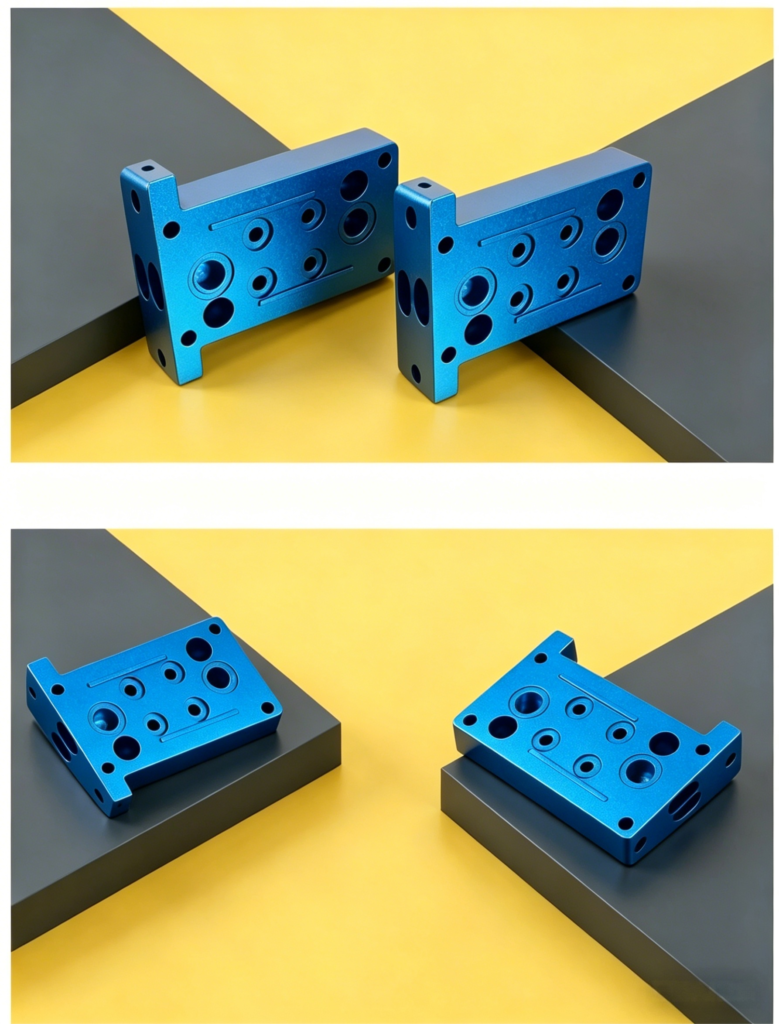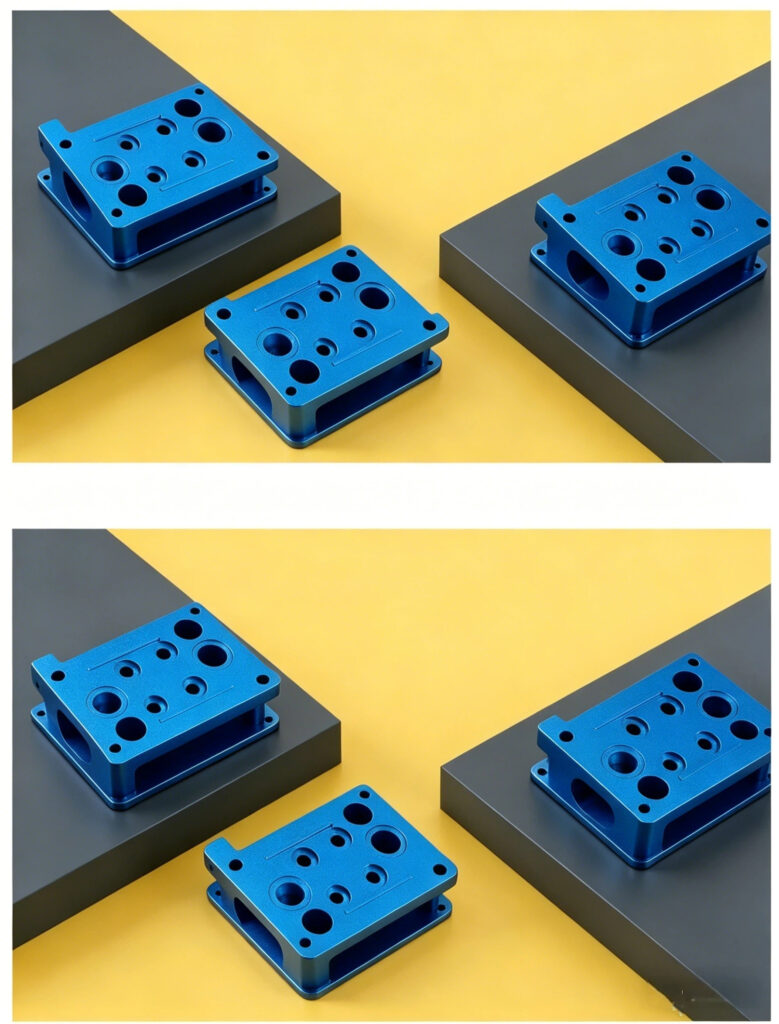

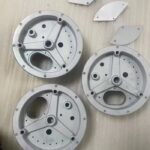
Bespoke Reliable Motor End Bell 8mm Wall Thickness Heat Treated Aluminum End Bell
Request a Quote
Enter the quantity you need and add to your quote list for pricing inquiries.
Product Details
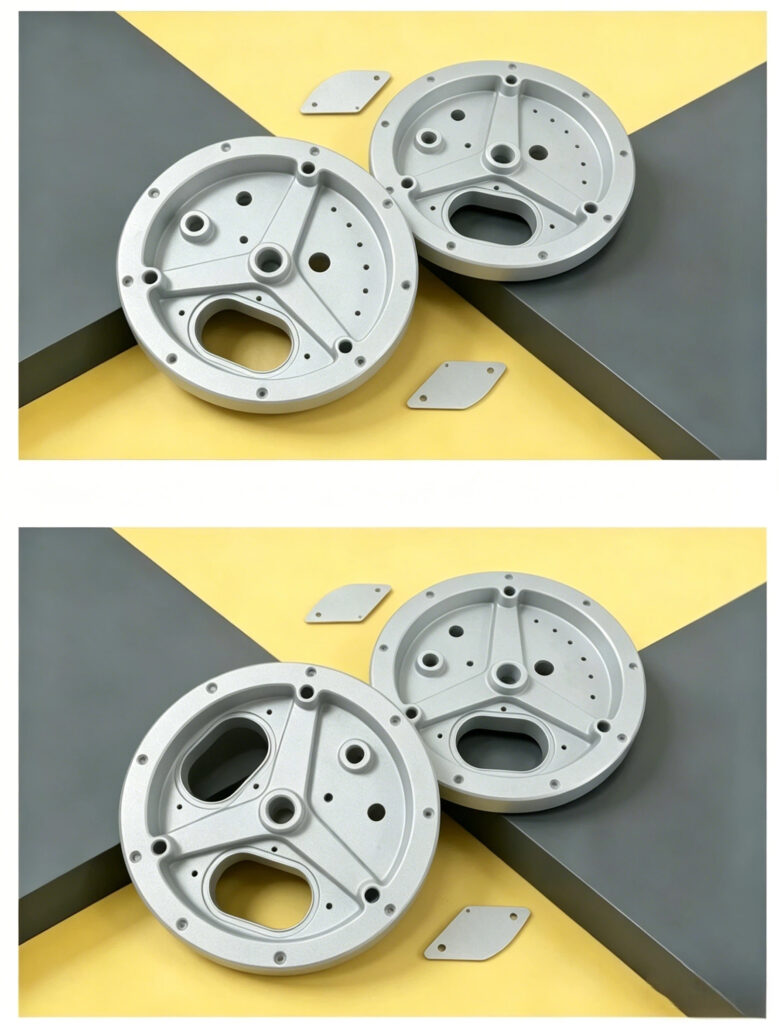
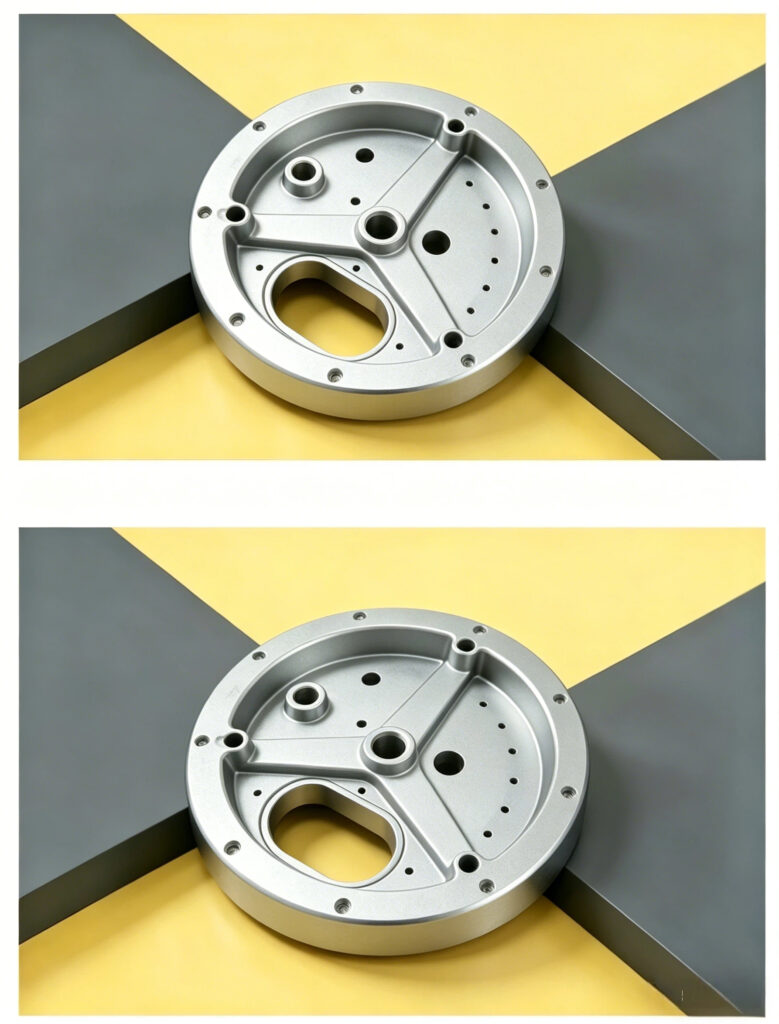
A motor end bell is a housing component that encloses the bearing and protects internal components at one end of an electric motor. It supports the rotor shaft, holds the bearing in position, and provides mounting points. Manufactured from cast aluminum, stainless steel, or cast iron. Available in custom diameters from 20mm to 300mm. Features include bearing seats, mounting flanges, terminal boxes, and ventilation slots. Custom end bells available with specific bore sizes, hole patterns, and finishes including anodizing and powder coating.
What Is a Motor End Bell?
A motor end bell is a housing component that encloses the bearing and protects the internal components at one end of an electric motor. The motor end bell supports the rotor shaft, holds the bearing in position, and provides mounting points for the motor housing or external equipment. Along with the main housing and opposite end bell, it forms the complete motor enclosure.
The motor end bell is characterized by its precise bearing seat, mounting flange, and structural integrity. Typical features include a bearing pocket machined to precise tolerances for press-fit bearing installation, mounting holes for bolting to the main motor housing, shaft opening for rotor shaft extension, terminal box or wire exit provisions, cooling fins or ventilation slots for heat dissipation, and mounting feet or flanges for equipment attachment. Outer diameters typically range from 20mm to 300mm, with depths from 10mm to 100mm. The motor end bell is critical for motor alignment, bearing life, and overall motor reliability.
Common Materials for Motor End Bell:
Cast Aluminum:
Cast aluminum is the most common material for motor end bell production. Offers excellent strength-to-weight ratio, good thermal conductivity for heat dissipation, and natural corrosion resistance. Ideal for general purpose motors, fans, pumps, and industrial equipment. A380 or ADC12 alloys are typically used.
Stainless Steel:
Stainless steel provides superior corrosion resistance and high strength. Suitable for marine motors, food processing equipment, chemical pumps, and medical devices where washdown or corrosive resistance is critical. Grades 304 and 316 are common.
Cast Iron:
Cast iron offers excellent vibration damping, high strength, and durability. Suitable for large industrial motors, heavy-duty equipment, and applications where noise reduction is important. Gray iron or ductile iron grades are typical.
Aluminum with Thermal Coating:
Aluminum motor end bells with ceramic or thermal barrier coatings provide enhanced heat dissipation and protection. Suitable for high-temperature environments and continuous-duty motors.
Types of Motor End Bells:
Flanged Motor End Bell:
Features an integral mounting flange for direct attachment to equipment or machinery. The flange includes bolt holes for secure mounting. Commonly used in pump motors, fan motors, and conveyor drive motors.
Trunnion Mount Motor End Bell:
Features trunnion pins or mounting bosses on the sides for pivot mounting. Allows the motor to rotate for belt tension adjustment. Commonly used in agricultural equipment and adjustable drive systems.
C-Face Motor End Bell:
Designed with a standardized C-face mounting pattern (NEMA or IEC). Allows direct mounting of pumps, gearboxes, or other C-face compatible equipment. Commonly used in industrial motors and machine tools.
Explosion Proof Motor End Bell:
Features heavy-duty construction with flame paths and labyrinth seals. Contains internal explosions and prevents ignition of external atmospheres. Used in hazardous locations such as chemical plants and oil refineries.
Brake Motor End Bell:
Includes an extended housing or mounting provisions for an electromagnetic brake. Commonly used in hoists, elevators, and positioning applications requiring holding brakes.
Custom Motor End Bell:
Engineered to exact specifications including unique bearing sizes, mounting patterns, cooling features, and material requirements.
Applications Across Industries:
Industrial Electric Motors:
Motor end bells are essential components in AC induction motors, DC motors, and servo motors used throughout industrial facilities. They provide bearing support, shaft alignment, and environmental protection for motors ranging from fractional horsepower to thousands of horsepower.
HVAC Systems:
Fan motors, blower motors, and compressor motors rely on motor end bells for reliable operation in heating, ventilation, and air conditioning equipment. Aluminum construction with cooling fins is typical for heat dissipation.
Pumps:
Centrifugal pumps, submersible pumps, and chemical pumps use motor end bells that often integrate with pump housings. Stainless steel or coated aluminum end bells provide corrosion resistance for water and chemical applications.
Power Tools:
Handheld power tools such as drills, grinders, and saws use compact motor end bells that integrate bearing supports with tool housing interfaces. Lightweight aluminum construction is typical.
Automotive:
Electric motors in vehicles—including window motors, wiper motors, cooling fan motors, and seat adjustment motors—use motor end bells designed for high-volume, cost-effective production.
Medical Equipment:
Surgical tools, diagnostic equipment, and patient care devices use precision motor end bells made from materials compatible with cleanroom and sterilization requirements. Stainless steel or anodized aluminum is common.
Excellent Case: High-Temperature Fan Motor
Background: A industrial ventilation fan manufacturer needed a motor end bell capable of withstanding continuous operation at 180°C ambient temperature. Standard aluminum end bells experienced thermal expansion issues, causing bearing misalignment and premature failure.
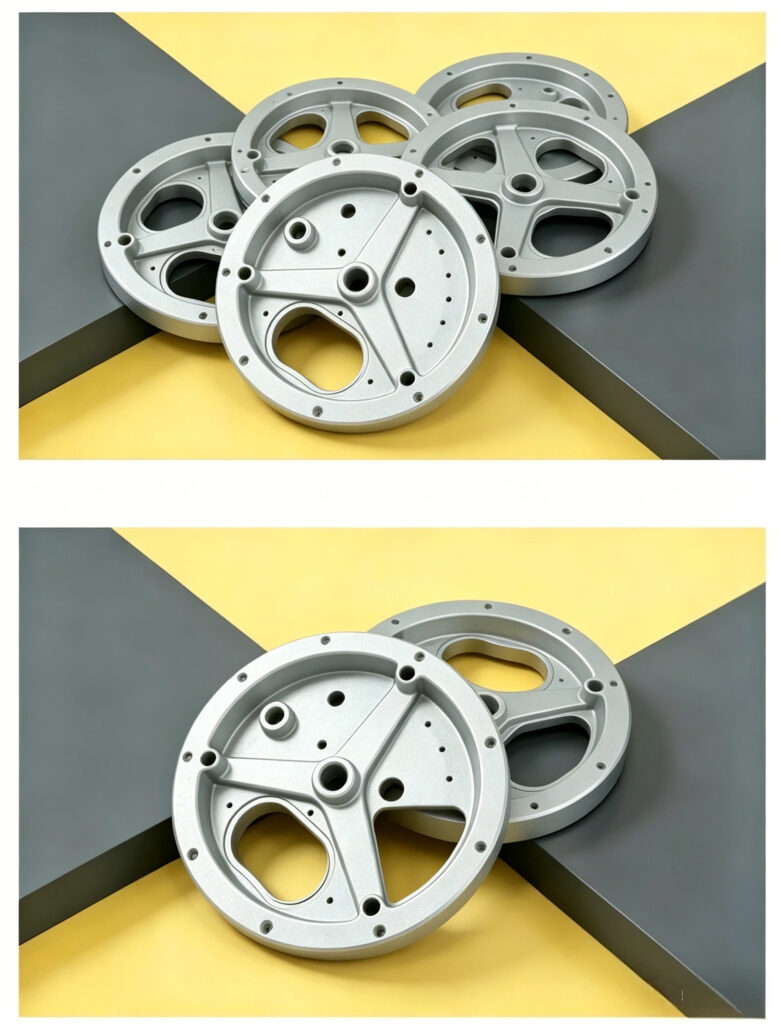
Solution: A custom motor end bell was designed using cast aluminum with enhanced thermal coating and redesigned cooling fins. The bearing pocket was machined with expanded clearance to accommodate thermal growth. Ventilation slots were increased in size and quantity.
Results:
- Temperature Rating: Achieved continuous operation at 200°C
- Bearing Life: Extended from 5,000 to 20,000 hours
- Thermal Expansion: Controlled with optimized bearing clearance
- Heat Dissipation: 30 percent improvement with redesigned cooling fins
- Reliability: Zero end bell-related failures over 18 months of field operation
This case demonstrates how the motor end bell can be engineered for demanding high-temperature applications.
How to Select the Right Motor End Bell:
Choosing the appropriate motor end bell requires careful consideration of several factors. Motor frame size determines the outer diameter and mounting pattern of the end bell. Bearing size determines the bearing pocket dimensions and tolerance requirements. Operating environment influences material selection, with cast aluminum for general use, stainless steel for corrosive conditions, and cast iron for high-vibration applications. Thermal requirements determine cooling features such as fins or ventilation slots. Mounting configuration specifies whether flanged, trunnion, or C-face mounting is needed. Precision requirements determine bearing bore tolerance grade.
Installation Best Practices:
Proper installation ensures the motor end bell performs reliably. Clean all mating surfaces before assembly to remove debris that could affect bearing fit. Press bearings into the end bell using proper tools that apply force to the bearing outer race only. Avoid pressing on the inner race which can damage bearings. Apply appropriate thread-locking compound to mounting bolts in high-vibration applications. Torque mounting bolts evenly in a cross pattern to prevent distortion. Verify shaft rotation after assembly to ensure no binding or interference.
Common Failure Modes:
Understanding potential failures helps with preventive maintenance. Bearing bore wear occurs from bearing spinning in the pocket due to insufficient interference fit. Cracking results from over-torquing mounting bolts or impact damage, more common in cast aluminum than steel. Corrosion affects uncoated aluminum in chemical environments, prevented by anodizing or powder coating. Thermal distortion occurs from inadequate cooling features in high-temperature applications, prevented by proper fin design and ventilation.
Conclusion:
The motor end bell represents a critical component in every electric motor, providing bearing support, shaft alignment, and environmental protection. By understanding the materials, types, and selection criteria outlined in this guide, the right motor end bell can be selected for any application—from standard industrial motors to custom engineered solutions for high-temperature, corrosive, or precision applications.