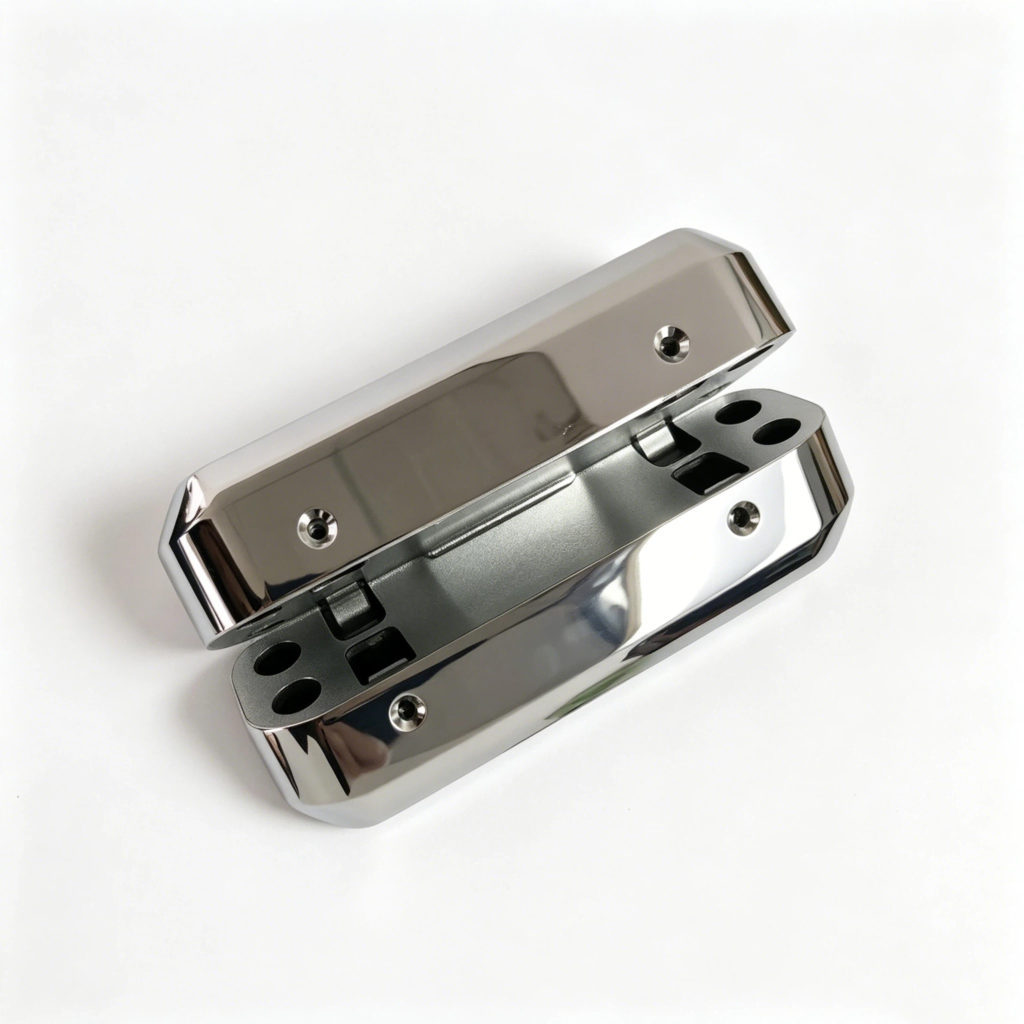
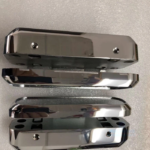
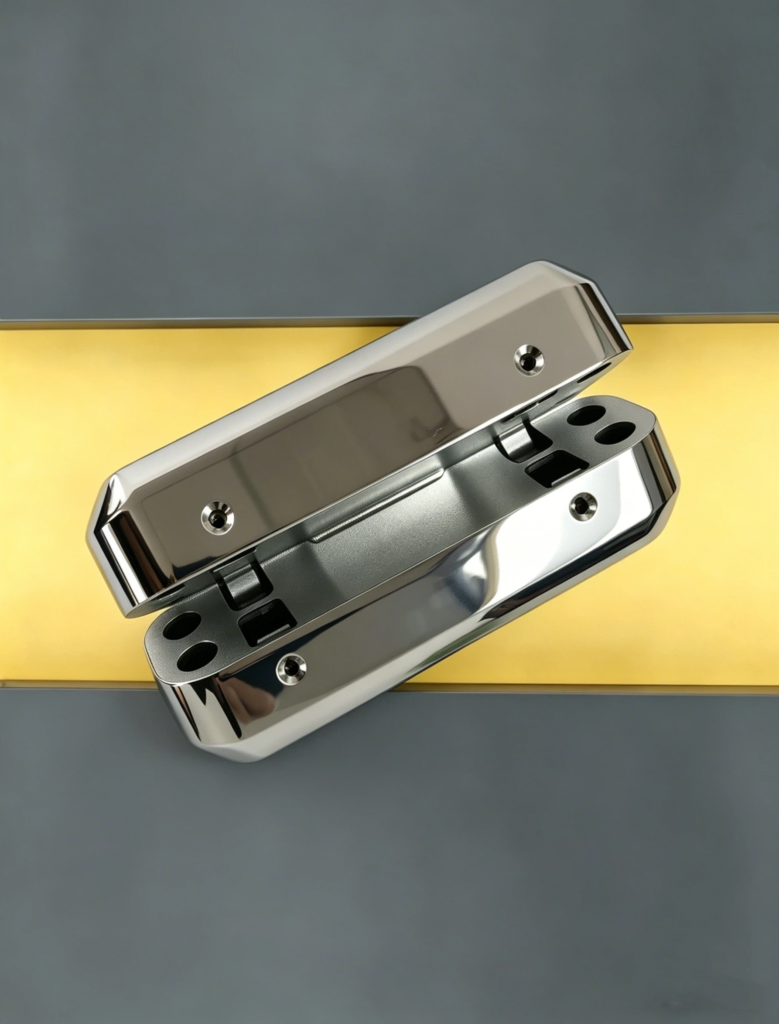
Adjustable High Quality Door Lock Cover Plate 5mm to 8mm Thickness Universal Fit Cover Plate
Request a Quote
Enter the quantity you need and add to your quote list for pricing inquiries.
Product Details
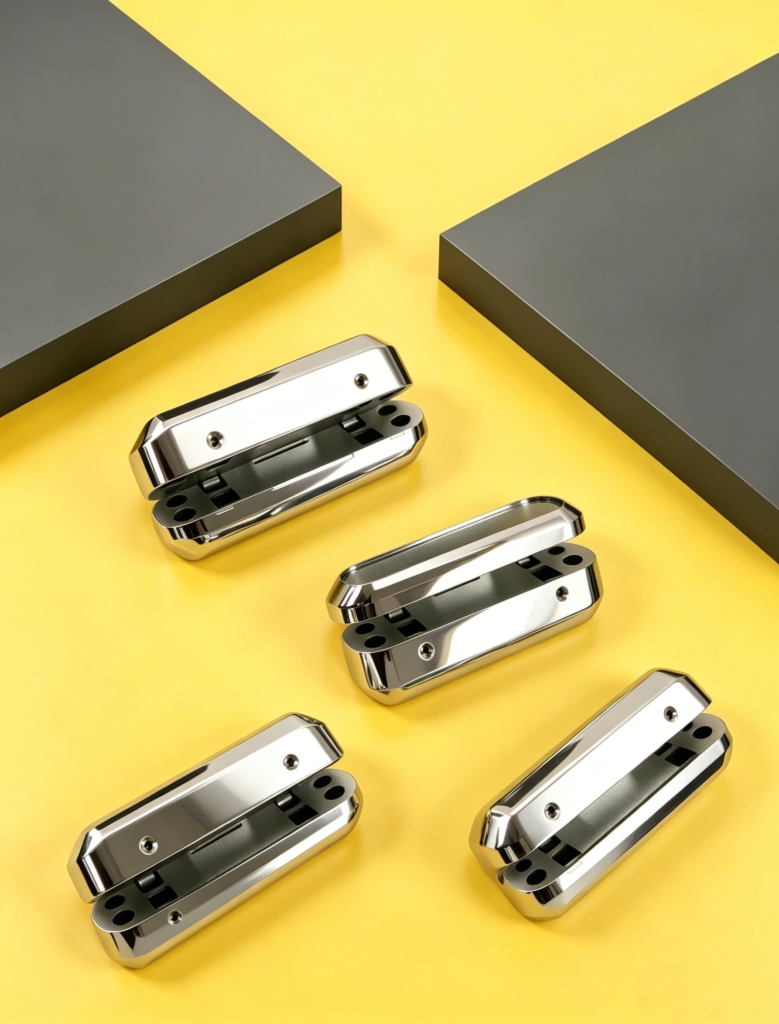
A door lock cover plate is a decorative and protective trim piece that mounts over a door lock mechanism, covering the keyhole, latch, and mounting screws. It enhances security, prevents tampering, and improves door appearance. Manufactured from stainless steel, brass, zinc alloy, or aluminum. Available in custom sizes, finishes including polished brass, satin nickel, antique bronze, and matte black, and configurations for mortise, cylindrical, or electronic locks. Features include corrosion resistant coatings, screw covers, and reinforced strike plates. Suitable for residential, commercial, and industrial doors. Custom plates available with specific hole patterns and finishes.
What Is a Door Lock Cover Plate?
A door lock cover plate is a flat or contoured trim piece that mounts on the surface of a door, covering the lock mechanism. Also known as an escutcheon or lock rose, the door lock cover plate conceals the keyhole, cylinder, latch, and mounting screws, providing a clean, finished appearance while adding a layer of security.
The door lock cover plate is characterized by its shape, hole configuration, and mounting method. Typical features include a keyhole opening for cylinder access, screw holes for secure mounting, a latch opening for bolt extension, decorative contours or beveled edges, and a durable finish that resists wear and corrosion. Sizes typically range from 1.5 to 4 inches in diameter or length. The door lock cover plate is available for mortise locks, cylindrical locks, and electronic locks.
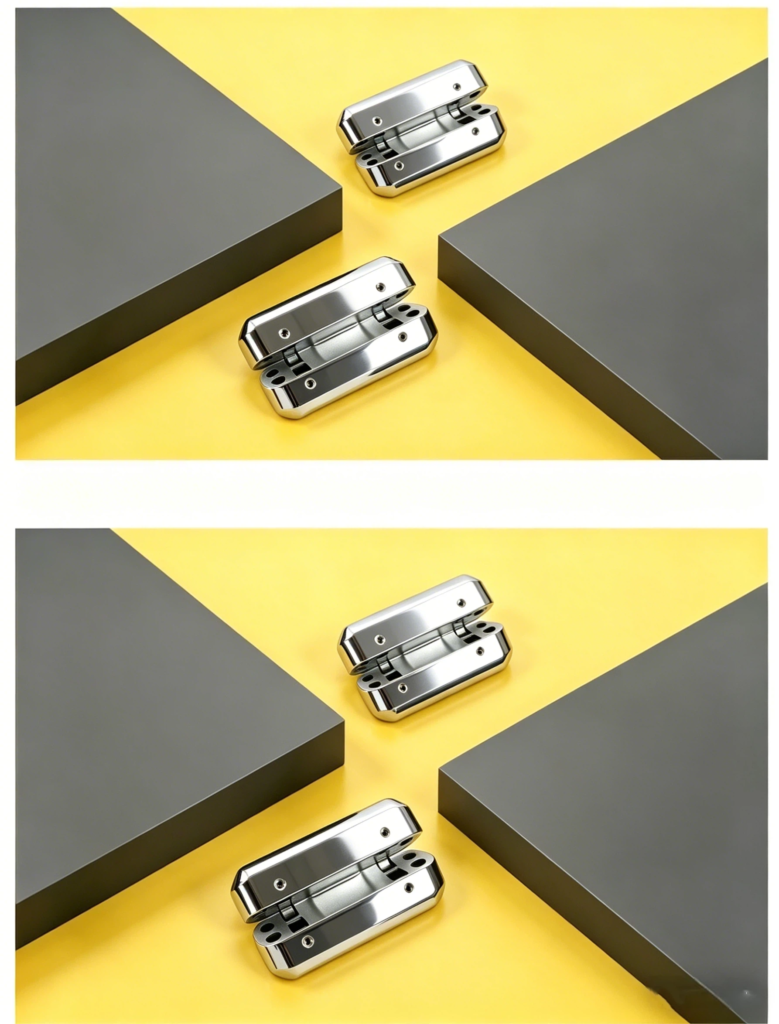
Common Materials for Door Lock Cover Plate:
Stainless Steel is the most durable material for door lock cover plate production. It offers excellent corrosion resistance, high strength, and modern appearance. Suitable for commercial and high-traffic applications.
Brass provides classic, timeless appearance with good durability. Solid brass plates can be polished, satin, or antiqued. Suitable for residential and traditional commercial settings.
Zinc Alloy offers cost-effective alternative with good corrosion resistance. Often plated to mimic brass or nickel finishes. Suitable for budget-conscious residential applications.
Aluminum is lightweight and corrosion resistant. Suitable for modern and minimalist door designs.
Wrought Steel offers maximum strength for security applications. Often powder coated for corrosion protection.
Types of Door Lock Cover Plate:
Mortise Lock Cover Plate:
Designed for mortise locks recessed into the door edge. Features a larger, rectangular shape covering the entire lock body. Common on commercial and high-end residential doors.
Cylindrical Lock Cover Plate:
Designed for cylindrical (bore) locks. Features two separate plates: one for the exterior key cylinder and one for the interior turn knob. Most common on residential doors.
Keyhole Cover Plate:
Minimalist door lock cover plate covering only the keyhole. Used on antique or decorative locks where the lock mechanism is exposed.
Strike Plate Cover:
A door lock cover plate that mounts on the door frame, covering the latch strike plate. Protects the strike plate and improves frame appearance.
Reinforced Security Cover Plate:
A heavy-duty door lock cover plate with hardened steel construction and anti-pry design. Provides additional protection against forced entry.
Electronic Lock Cover Plate:
Designed for keypad, biometric, or card reader locks. Features cutouts for wiring and electronic components.
Finishes for Door Lock Cover Plate:
Polished Brass offers bright, gold appearance for traditional and classic door styles.
Satin Nickel provides warm, silver-gray appearance suitable for modern and transitional decor.
Brushed Chrome offers cool, silver appearance ideal for contemporary and commercial applications.
Antique Bronze delivers dark, aged appearance perfect for rustic and vintage styles.
Matte Black provides flat, dark finish popular for modern and industrial door hardware.
Oil Rubbed Bronze offers dark finish with copper undertones for traditional craftsman style.
Polished Chrome delivers bright, mirror-like finish for high-end modern applications.
Applications Across Industries:
Residential Homes:
Door lock cover plate finishes door locks on entry doors, bedroom doors, bathroom doors, and closet doors. Decorative plates match door hardware and home decor.
Commercial Buildings:
Door lock cover plate protects locks on office doors, conference rooms, and restrooms. Durable stainless steel resists wear in high-traffic areas.
Hotels and Hospitality:
Door lock cover plate complements guest room door hardware. Electronic lock plates accommodate keycard and RFID systems.
Industrial Facilities:
Door lock cover plate with reinforced security plates protect against forced entry on warehouse and equipment room doors.
Government and Institutional:
Door lock cover plate meets security and durability standards for schools, hospitals, and government buildings.
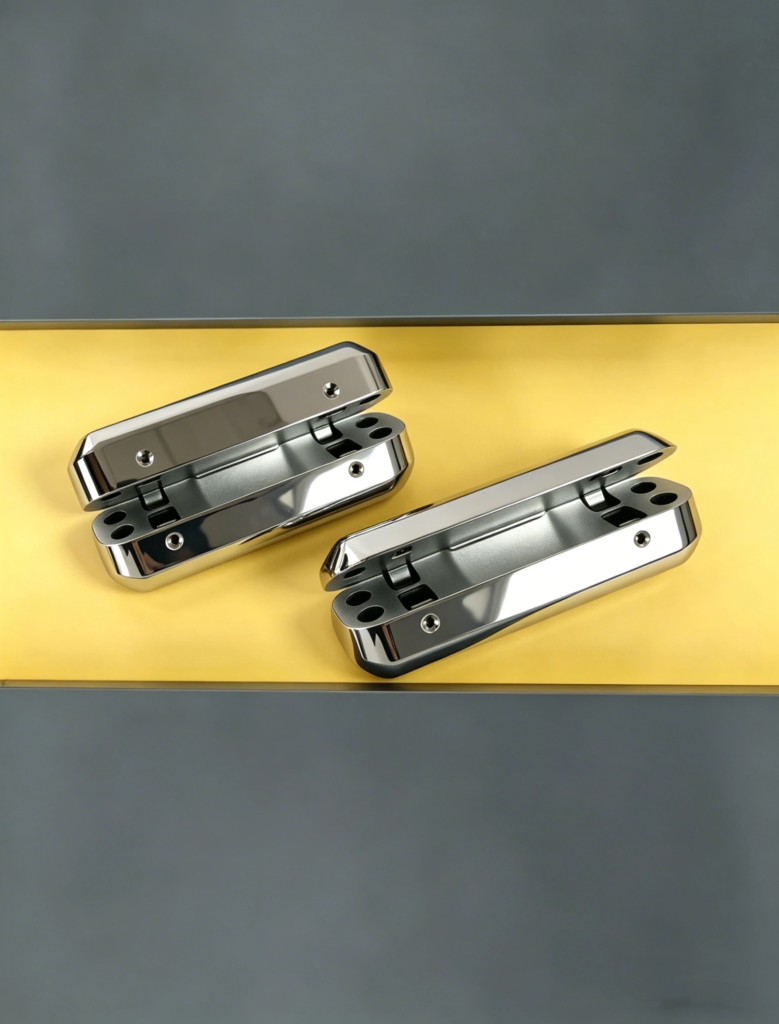
Excellent Case: Apartment Building Lock Upgrade
Background: An apartment building owner needed to upgrade 50 unit door locks. The original cover plates were worn, corroded, and detracted from property appearance.
Solution: New door lock cover plate units were installed with satin nickel finish. The plates were 2.5 inches in diameter, made of zinc alloy with corrosion resistant coating.
Results:
- Appearance: Uniform, professional look across all units
- Durability: No corrosion after 2 years of use
- Tenant Satisfaction: Improved perception of building maintenance
- Security: Tight fit prevented lock tampering
- Installation: 5 minutes per door using existing screws
This case demonstrates how the door lock cover plate improves appearance and durability in multi-unit residential buildings.
How to Select the Right Door Lock Cover Plate:
Choosing the appropriate door lock cover plate requires careful consideration of several factors. Lock type determines plate configuration, with mortise locks needing larger rectangular plates and cylindrical locks needing round plates. Door thickness affects screw length requirements. Finish must match existing door hardware for cohesive appearance. Security requirements determine whether standard or reinforced plates are needed. Budget balances material quality and finish options.
Installation Best Practices:
Proper installation ensures the door lock cover plate performs reliably. Remove the old cover plate and clean the door surface. Position the new plate over the lock cylinder and latch. Insert mounting screws and hand-tighten. Verify the key inserts and turns freely. For reinforced plates, use longer screws that reach into the door frame. Check that the plate sits flush against the door surface.
Maintenance and Care:
Regular maintenance extends door lock cover plate life. Clean plates with mild soap and water. Avoid abrasive cleaners that can damage finishes. Tighten loose screws promptly. Replace corroded or damaged plates immediately. For brass plates, use metal polish periodically to maintain shine.
Conclusion:
The door lock cover plate represents a small but essential hardware component that protects lock mechanisms, enhances security, and improves door appearance. By understanding the types, materials, and selection criteria outlined in this guide, the right door lock cover plate can be selected for any application—from residential homes to commercial buildings and industrial facilities.