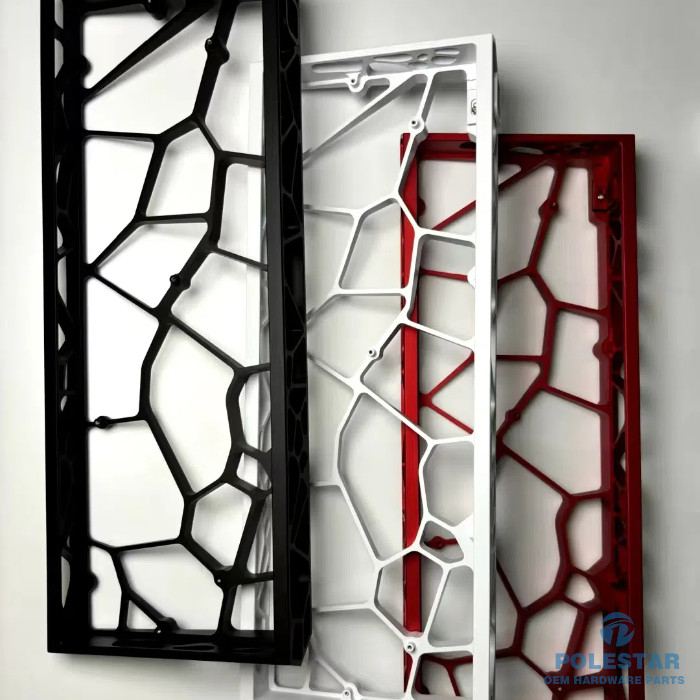
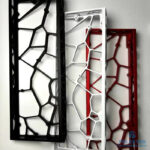
Custom Anodized Keyboard Chassis with Complex Geometry for Mechanical Keyboards
Request a Quote
Enter the quantity you need and add to your quote list for pricing inquiries.
Description
What Is a Keyboard Chassis?
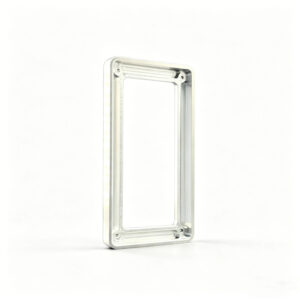
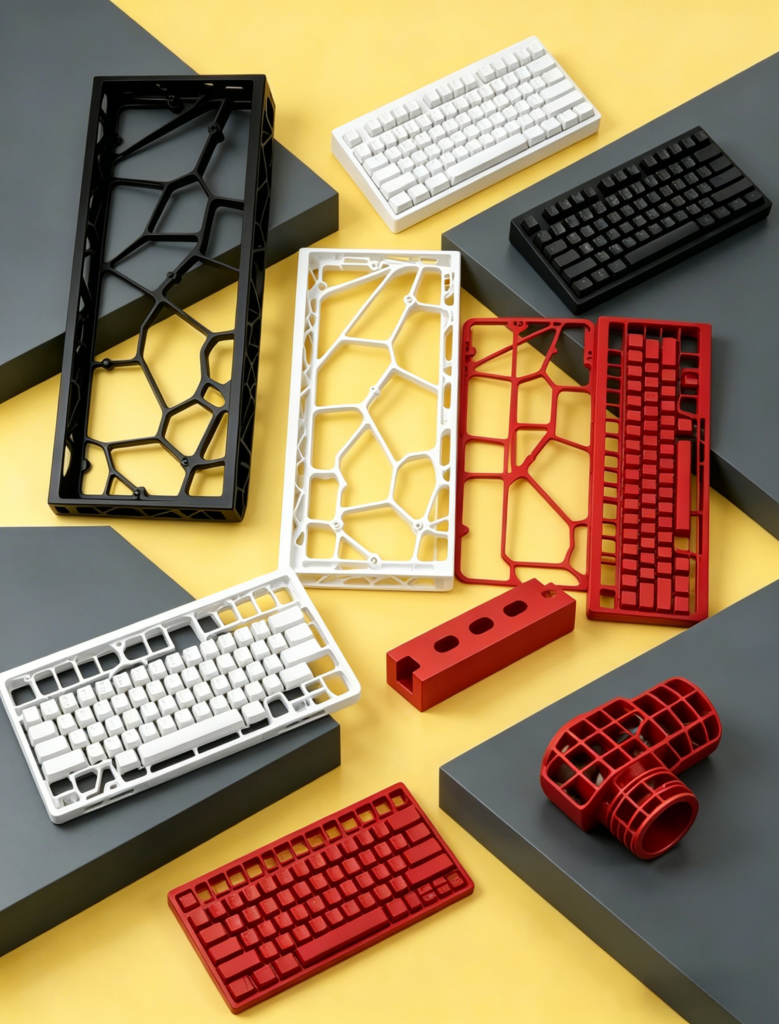
A Keyboard Chassis refers to the structural frame or housing that supports all internal components of a mechanical keyboard, including the PCB (printed circuit board), switches, stabilizers, and mounting plate. It serves as the foundational architecture that defines the keyboard’s rigidity, typing feel, acoustics, and overall durability.
In high-end applications, a keyboard chassis is typically manufactured using precision CNC machining from aluminum, magnesium alloy, or stainless steel. This ensures tight tolerances, consistent structural integrity, and premium surface finishes.
Beyond aesthetics, the chassis plays a critical engineering role in:
- Reducing vibration during typing
- Enhancing acoustic performance
- Improving long-term mechanical stability
- Supporting ergonomic layout designs
Materials and Manufacturing Process:
Modern keyboard chassis design relies heavily on advanced manufacturing techniques:
Common Materials:
- Aluminum alloy (6061 / 7075): Lightweight, corrosion-resistant, widely used in premium keyboards
- Stainless steel: Heavy, ultra-durable, ideal for industrial-grade builds
- Magnesium alloy: High strength-to-weight ratio for ultra-light premium keyboards
Manufacturing Methods:
- CNC milling (primary process for precision geometry)
- CNC turning for cylindrical or hybrid structures
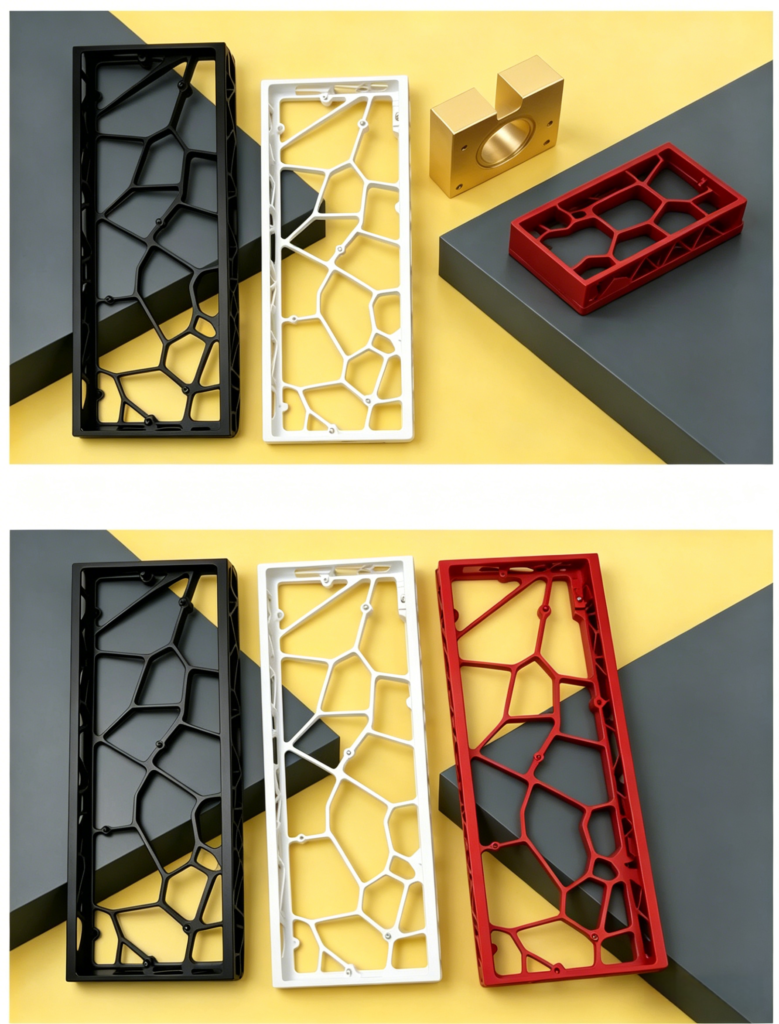
- Anodizing for color and corrosion resistance
- Sandblasting / brushing for texture refinement
- Powder coating for durable surface protection
CNC machining ensures micron-level accuracy, which is essential for consistent switch alignment and structural fit.
Design Engineering Considerations:
A high-performance keyboard chassis is not just a shell—it is an engineered system. Key design considerations include:
1. Structural Rigidity:
A rigid chassis reduces flex during typing, improving key consistency and tactile feedback.
2. Acoustic Tuning:
Material density and internal cavity design influence sound profile—ranging from “clacky” to “thocky” typing experiences.
3. Mounting System:
Common mounting structures include:
- Gasket mount (soft, flexible feel)
- Top mount (firm and stable)
- Tray mount (cost-efficient structure)
4. Thermal and Wear Resistance:
Although keyboards are not high-heat devices, surface treatment ensures resistance to oxidation, sweat, and long-term wear.
Industrial Application Case: Polestar Inspired Design Philosophy
The design philosophy of Polestar emphasizes minimalism, precision engineering, and material honesty. This approach has influenced industrial design across multiple sectors, including precision peripherals like keyboard chassis systems.
In a similar way to Polestar vehicle interiors—where aluminum, clean geometry, and functional aesthetics are carefully balanced—premium keyboard chassis design follows the same principle:
- Minimal visual noise, maximum structural clarity
- Functional components integrated into clean geometry
- Premium surface finishing for tactile and visual consistency
This cross-industry design alignment demonstrates how automotive-grade engineering standards are increasingly shaping consumer electronics and input devices.
Applications of Keyboard Chassis:
Keyboard chassis structures are widely used in:
- Mechanical gaming keyboards
- Custom enthusiast keyboards (custom builds)
- Industrial control input systems
- Programming and workstation keyboards
- High-end productivity devices for designers and engineers
In professional environments, chassis quality directly affects typing endurance and user comfort over long working hours.
Benefits of a High-Quality Keyboard Chassis:
Investing in a precision-machined keyboard chassis offers several advantages:
- Enhanced typing stability and reduced flex
- Improved acoustic control for quieter operation
- Longer lifespan due to structural durability
- Premium aesthetic value for custom builds
- Better compatibility with modular keyboard systems
For OEM and ODM manufacturers, it also enables brand differentiation through design uniqueness and surface engineering.
Custom CNC Keyboard Chassis Solutions:
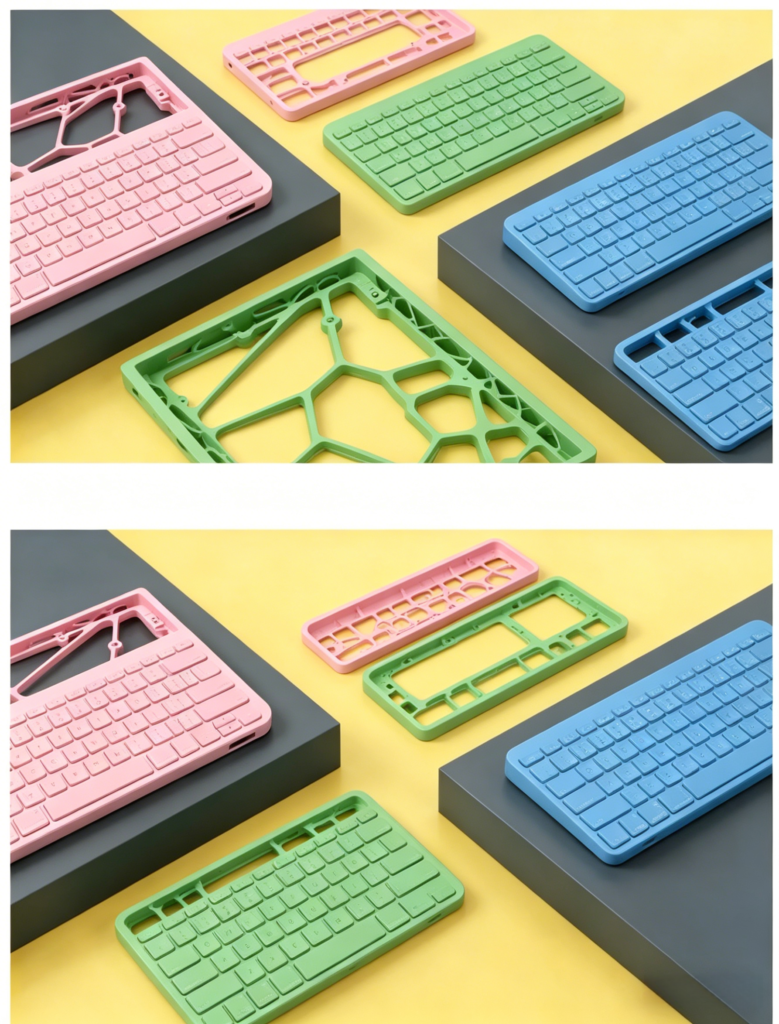
Modern manufacturing allows full customization of keyboard chassis designs, including:
- Layout customization (60%, 75%, TKL, full-size)
- Material selection and hybrid structures
- Logo engraving and branding integration
- Surface finishing options (anodizing, PVD coating, powder coating)
- Internal acoustic tuning modifications
This level of flexibility makes CNC machining ideal for both boutique keyboard brands and industrial-scale production.
FAQ:
1. What is the main purpose of a keyboard chassis?
It provides structural support, alignment for components, and influences typing feel and acoustic performance.
2. Why is aluminum commonly used?
Aluminum offers an excellent balance of strength, weight, machinability, and corrosion resistance.
3. Does the chassis affect typing sound?
Yes. Material density, internal cavity design, and mounting style all significantly affect acoustics.
4. Can keyboard chassis be customized?
Yes. CNC machining enables full customization in shape, layout, finishing, and branding.
5. What is the difference between CNC and injection molding chassis?
CNC machining offers higher precision, stronger materials, and premium finishes, while injection molding is lower cost but less refined.
Conclusion:
A Keyboard Chassis is more than a structural component—it is the engineering foundation of typing experience, acoustic behavior, and product identity. With advanced CNC machining and design inspiration from industries such as automotive engineering, modern keyboard chassis systems have evolved into highly refined precision products.
Whether for gaming, productivity, or industrial applications, a well-designed chassis significantly elevates both performance and user experience.
If you are developing a custom keyboard or exploring CNC-machined housing solutions, partnering with an experienced precision manufacturer ensures better performance, consistency, and design freedom.