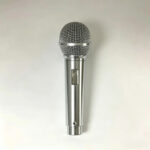
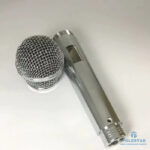
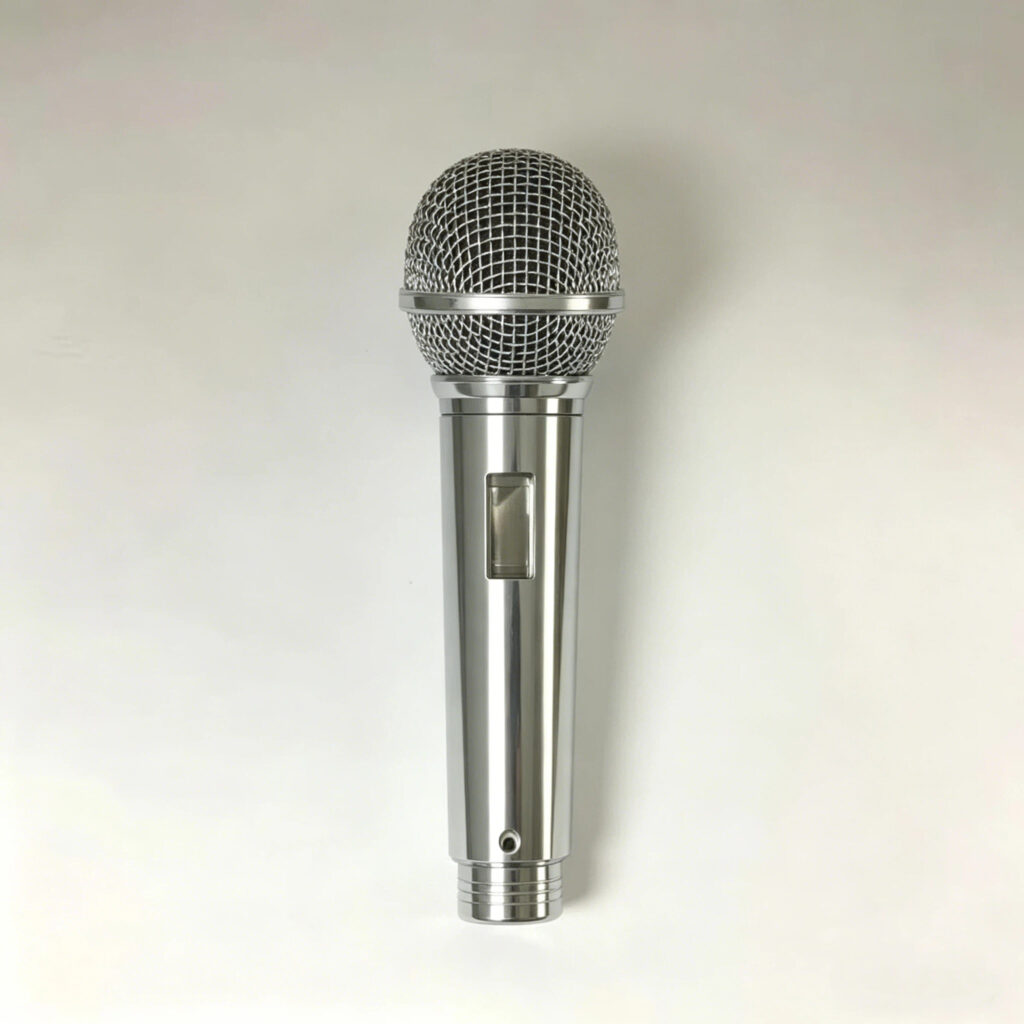
High Reliable 360° Microphone Housing with Precision Mesh Grille
Request a Quote
Enter the quantity you need and add to your quote list for pricing inquiries.
Product Details
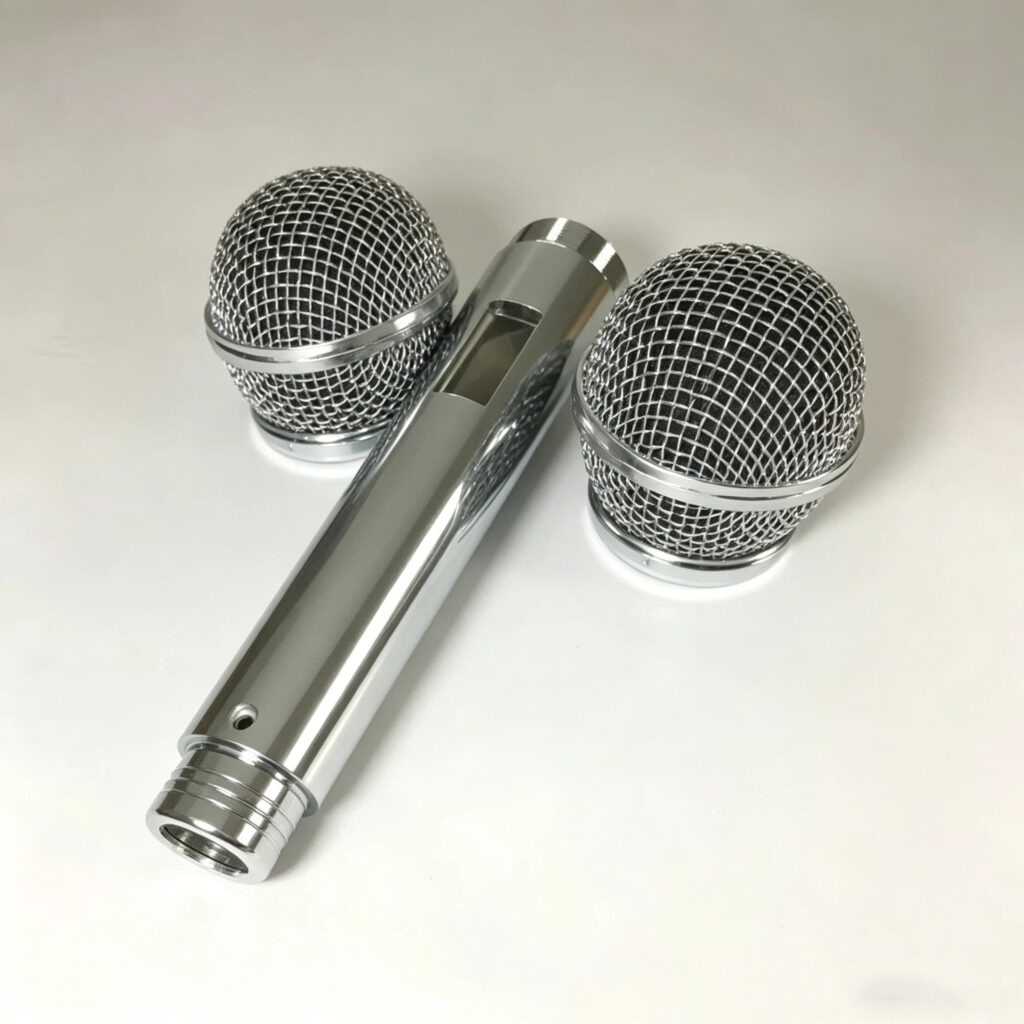
Microphone Housing is a precision-engineered enclosure designed to protect microphone internal components while ensuring stable acoustic performance. It provides structural support, vibration resistance, and environmental shielding in demanding industrial and commercial applications. Typical designs balance durability with acoustic transparency, allowing sound waves to pass with minimal distortion. Microphone housings are widely used in communication systems, audio devices, and industrial monitoring equipment where signal clarity and mechanical reliability are essential. Their design is optimized for noise reduction, impact resistance, and long-term operational stability.
What is Microphone Housing:
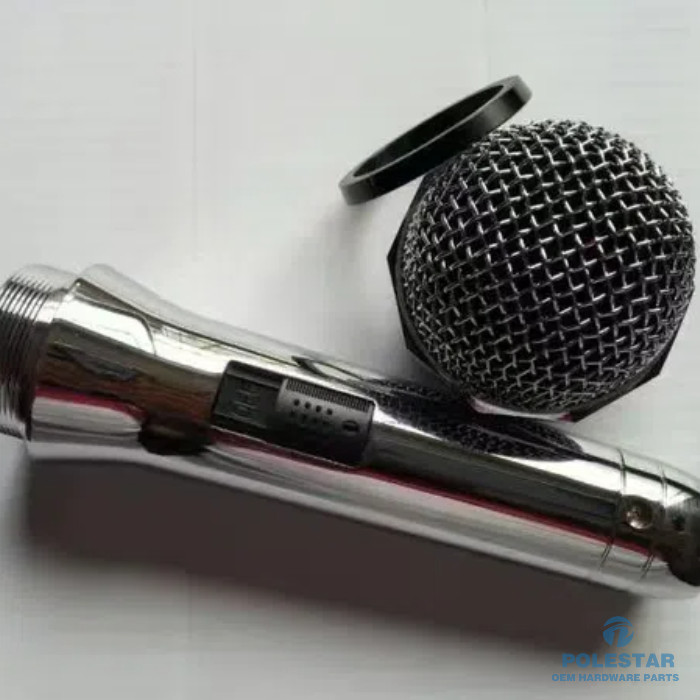
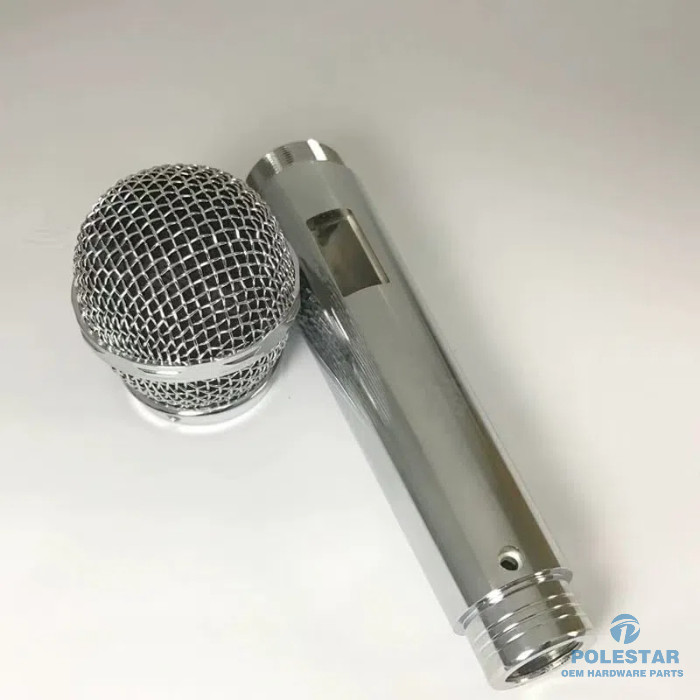
A Microphone Housing is the external casing that encases sensitive microphone elements such as diaphragms, capsules, and circuit assemblies. Its primary function is to protect internal components from dust, moisture, and mechanical impact while maintaining consistent acoustic transmission. The housing structure is engineered to minimize resonance and unwanted noise interference. Depending on application requirements, it may include perforations, mesh layers, or acoustic vents. In industrial environments, microphone housings are critical for ensuring accurate sound capture under variable temperature, vibration, and humidity conditions.
Microphone Housing Materials:
Microphone housings are manufactured from materials selected for strength, acoustic stability, and environmental resistance.
Common material options include:
- Aluminum Alloy: Lightweight, corrosion-resistant, and widely used in portable audio devices and communication equipment
- Stainless Steel: High durability, excellent corrosion resistance, suitable for harsh industrial or outdoor environments
- ABS Plastic: Cost-effective, lightweight, and easy to mold for consumer electronics and general-purpose applications
- Zinc Alloy: Provides structural rigidity and good electromagnetic shielding performance
- Brass: Offers stability and premium acoustic characteristics in specialized audio applications
Material selection depends on durability requirements, acoustic performance targets, and environmental exposure conditions.
Microphone Housing Surface Treatment:
Surface treatments enhance both performance and appearance of microphone housings. Anodizing is commonly applied to aluminum housings to improve corrosion resistance and surface hardness while maintaining lightweight properties. Electroplating, such as nickel or chrome plating, is used on metal housings to enhance wear resistance and electromagnetic shielding. Powder coating provides additional protection against scratches and environmental exposure. For acoustic mesh areas, precision perforation and anti-clogging coatings may be applied to maintain consistent sound transmission over time.
Product Advantages of Microphone Enclosure:
Microphone housings offer multiple engineering advantages in both industrial and consumer-grade applications. They provide reliable protection against physical impact, dust ingress, and moisture exposure, extending the service life of internal microphone components. Their acoustic-optimized structure reduces signal distortion and preserves sound fidelity. The use of corrosion-resistant materials ensures stable performance in outdoor and high-humidity environments. Additionally, precision machining allows consistent dimensional accuracy, supporting seamless integration into electronic assemblies and modular device designs.
Application Fields:
Microphone housings are used across a wide range of technical and commercial sectors:
- Industrial communication systems and intercom devices
- Consumer electronics such as smartphones and headsets
- Automotive voice recognition and in-cabin communication systems
- Security monitoring and surveillance audio equipment
- Aerospace and defense communication modules
- Smart home and IoT voice-controlled devices
- Professional audio recording and broadcasting equipment
Their versatility allows deployment in both high-end acoustic systems and rugged industrial environments where reliability is critical.
Why Choose Us?
We provide precision-engineered microphone housings designed for consistent acoustic performance and long-term durability. Our production process emphasizes tight tolerance control, advanced CNC machining, and strict material selection standards. Customization options include geometry design, venting patterns, surface finishing, and material selection to match specific acoustic and environmental requirements. We support OEM and MRO procurement with stable supply capacity, ensuring reliable delivery for large-scale production and replacement needs. Each unit undergoes quality inspection to ensure structural integrity and acoustic consistency.
Excellent Case Studies:
In a smart intercom system project, precision-machined aluminum microphone housings improved voice clarity while reducing ambient noise interference in high-traffic environments. In automotive applications, stainless steel housings enhanced durability and maintained stable audio performance under vibration and temperature fluctuations. In industrial monitoring equipment, ABS-based housings provided cost-efficient protection while maintaining acceptable acoustic sensitivity for real-time system alerts. Across these implementations, optimized housing design contributed to improved signal reliability, extended service life, and reduced maintenance frequency.