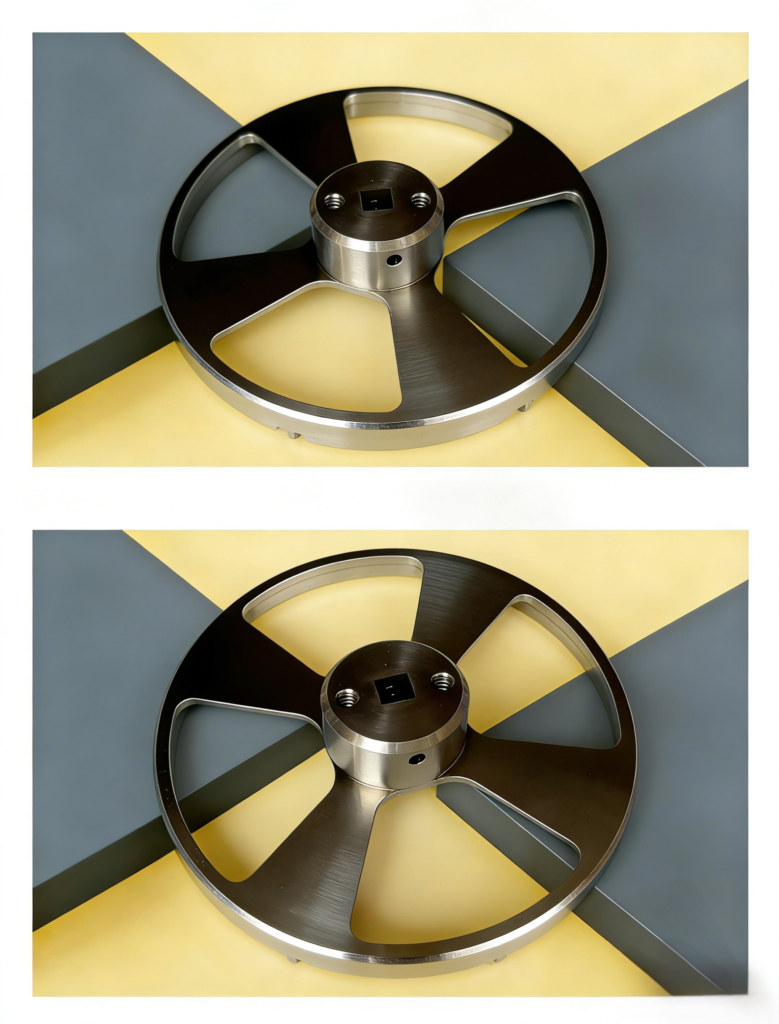
High Reliable Personalized 4 Spoke Wheel 8 Spoke Variant Design CNC Machined Billet Aluminum High-quality
Request a Quote
Enter the quantity you need and add to your quote list for pricing inquiries.
Product Details
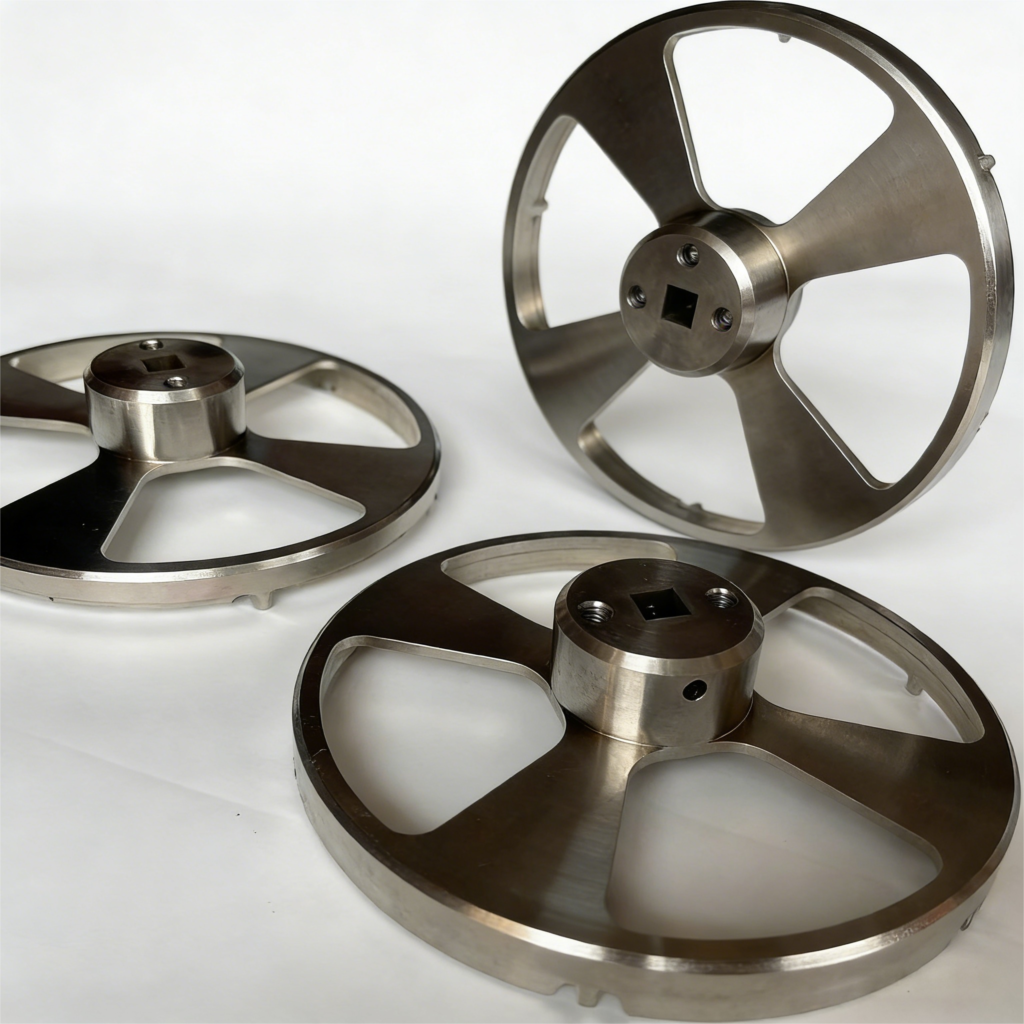
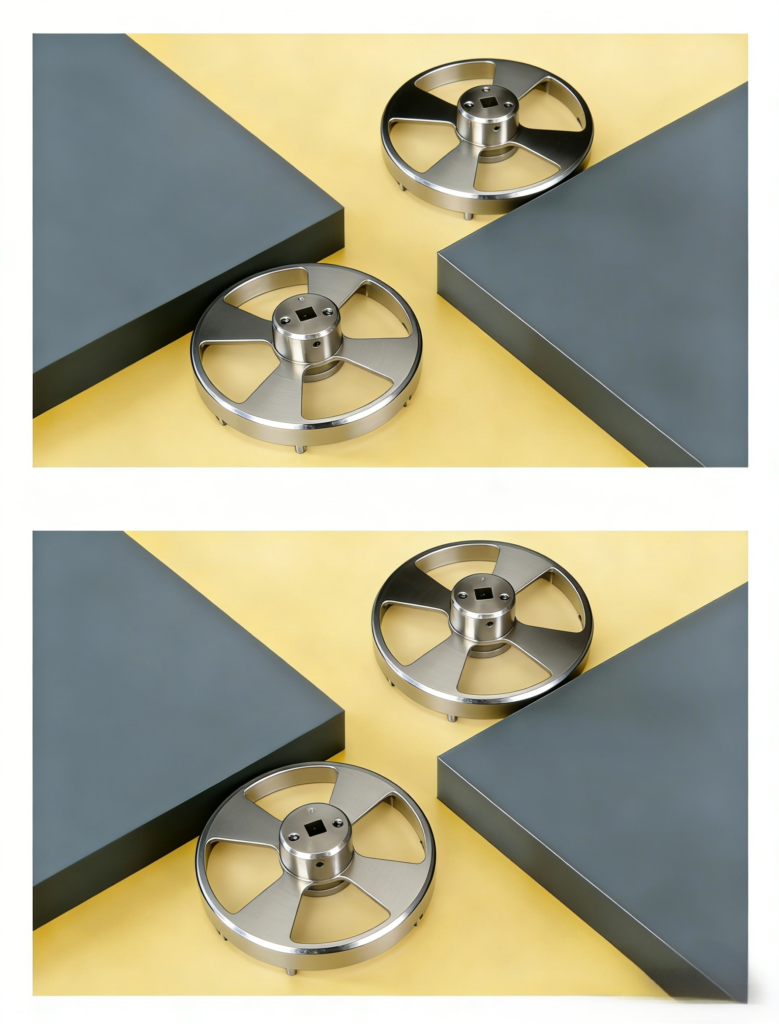
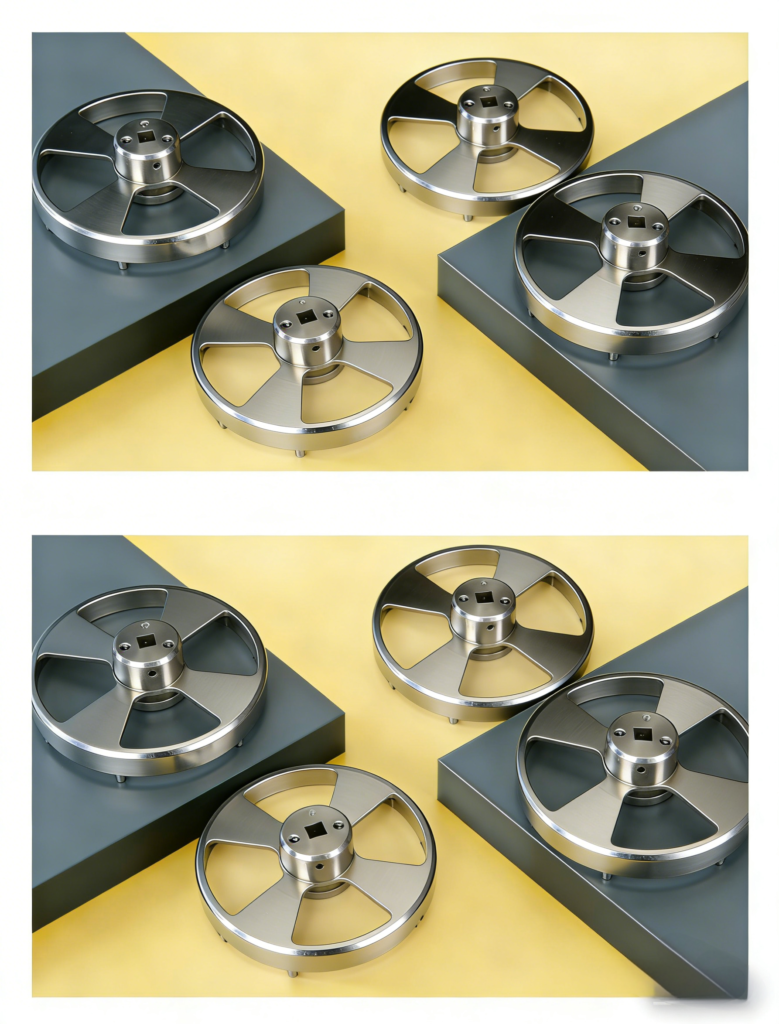
The 4 spoke wheel is a high performance wheel design featuring four solid, aerodynamically shaped spokes that connect the hub to the rim. This configuration offers exceptional stiffness, reduced air resistance, and striking visual appeal. Manufactured from materials including carbon fiber, aluminum, and magnesium alloy. Available in 700c size for track bikes and fixed gear bicycles, as well as custom sizes for automotive and specialty applications. Suitable for track racing, time trials, fixed gear commuting, and custom vehicle builds. Custom 4 spoke wheels can be engineered with specific offsets, bolt patterns, and finishes to meet unique requirements.
What Is a 4 Spoke Wheel?
A 4 spoke wheel is a bicycle wheel design that features four solid, aerodynamically shaped spokes connecting the hub to the rim. Unlike traditional wheels that use 16 to 36 thin, round wire spokes, the four-spoke configuration replaces multiple components with four robust blades. This design philosophy prioritizes aerodynamic efficiency and lateral stiffness over the weight savings typically associated with traditional spoked wheels.
The 4 spoke wheel is particularly popular in fixed-gear and track cycling communities. The rigid structure provides exceptional power transfer—every watt of energy applied to the pedals translates directly to forward motion with minimal energy loss through wheel flex. This characteristic makes the 4 spoke wheel highly valued for sprinting, track racing, and high-speed urban riding.
Available in both front and rear configurations, 4 spoke wheel sets are typically manufactured in 700c diameter (622mm bead seat diameter), making them compatible with most track frames, fixed-gear conversions, and some road bikes. Some manufacturers also offer 26-inch and 650c options for specialty applications.
How a 4 Spoke Wheel Works:
The operation of a 4 spoke wheel differs fundamentally from traditional spoked wheels. Traditional wheels rely on tensioned wire spokes that can flex and deform under load. When a rider applies torque during acceleration or climbing, wire spokes temporarily “wind up,” storing energy that is released later rather than being used for immediate forward motion.
In contrast, the 4 spoke wheel uses four solid spokes integrated directly into both the hub and rim structure. This integration creates an exceptionally stiff wheel that resists lateral deflection during hard cornering and torsional flex during sprinting. When a rider applies torque to the pedals, it transfers that force to the ground with virtually no energy loss. This stiffness translates to instant acceleration response and precise handling—critical advantages in sprint racing and technical urban environments.
Aerodynamically, it reduces drag by minimizing air turbulence. Each blade-like spoke is shaped using computational fluid dynamics to allow air to flow smoothly over its surface. The solid design eliminates the turbulence created by multiple round wire spokes, each of which creates its own wake of disturbed air. Wind tunnel tests have shown that four-spoke wheels can reduce drag by 15 to 25 percent compared to standard 32-spoke wheels at speeds above 30 km/h.
Types of 4 Spoke Wheels:
To optimize for SEO and help users find the right product, it is important to categorize the different types of 4 spoke wheel available:
Carbon Fiber 4 Spoke Wheel:
Engineered for peak performance, carbon fiber 4 spoke wheel designs offer the highest strength-to-weight ratio available. These wheels provide the lightest weight and best aerodynamic profile, making them the choice of competitive track cyclists. Advantages include superior stiffness for maximum power transfer, excellent aerodynamics, and high performance in time trials and track events. Limitations include high cost, typically $500 to $1,500 per wheel, and vulnerability to impact damage from potholes or rough handling.
Aluminum 4 Spoke Wheel:
A cost-effective and durable alternative, aluminum 4 spoke wheel designs deliver solid performance for everyday riders. While heavier than carbon options, they offer excellent resilience against bumps, potholes, and urban riding hazards. The four-spoke design still provides noticeable aerodynamic benefits over standard wheels. Prices typically range from $150 to $400 per wheel, making them accessible to a wider range of riders.
Magnesium 4 Spoke Wheel:
Magnesium alloys offer an intermediate option between aluminum and carbon. Magnesium 4 spoke wheel designs provide good strength-to-weight ratios, excellent vibration damping characteristics, and moderate weight. They are lighter than aluminum but more affordable than carbon. However, magnesium can be susceptible to corrosion if not properly finished.
Composite 4 Spoke Wheel:
Advanced composite materials combine fibers and resins to create 4 spoke wheel designs with tailored properties. These wheels offer good strength, moderate weight, and improved impact resistance compared to pure carbon fiber. They represent a compromise between performance and durability.
Key Specifications:
Understanding the specifications of a 4 spoke wheel helps in selecting the right product:
Size and Compatibility:
Most bicycle 4 spoke wheel products are 700c (622mm bead seat diameter), compatible with standard road and track frames. Tire compatibility typically ranges from 700x23c to 700x32c, depending on rim width. Always verify frame clearance before purchasing.
Hub Specifications:
Front hub spacing is typically 100mm for track and road bikes. Rear hub spacing varies: 120mm for track frames, 130mm for road frames, and 135mm for some fixed-gear conversions. Many models feature sealed cartridge bearings for smooth rotation and reduced maintenance. Rear hubs often include flip-flop design for fixed/fixed or fixed/free configurations.
Rim Depth:
Rim depth varies by model, typically 40mm to 88mm. Deeper rims offer greater aerodynamic benefits at high speeds but increase crosswind sensitivity and add weight. Shallower rims provide better handling in windy conditions.
Weight:
Aluminum 4 spoke wheel wheels weigh approximately 1.8kg to 2.2kg per wheel. Carbon options can be significantly lighter at 1.2kg to 1.6kg per wheel. Weight affects acceleration and climbing performance.
Brake Compatibility:
Most 4 spoke wheel wheels are compatible with rim brakes (caliper or V-brakes). Some carbon models require specific brake pads designed for carbon braking surfaces. Disc brake compatible four-spoke wheels are rare but available from some manufacturers.
Performance Characteristics:
Aerodynamic Efficiency:
At speeds above 30 km/h (18.6 mph), aerodynamic drag becomes the dominant force opposing motion. The 4 spoke wheel reduces spoke-induced turbulence by approximately 70 percent compared to traditional 32-spoke wheels, allowing riders to maintain higher average speeds with less perceived exertion. This advantage is most noticeable in time trials, track racing, and fast group rides.
Stiffness and Power Transfer:
The solid spoke design provides exceptional lateral and torsional stiffness. Independent testing has shown 4 spoke wheel designs can be 30 to 40 percent stiffer than traditional spoked wheels of similar weight. This stiffness ensures minimal energy loss during aggressive pedaling or sprints, making these wheels ideal for track cycling where instantaneous power delivery is critical.
Weight Considerations:
It is important to note that 4 spoke wheel wheels are generally heavier than lightweight spoked wheels. A typical carbon spoked wheel might weigh 1.1kg, while a carbon four-spoke wheel might weigh 1.4kg. This additional weight affects acceleration and climbing performance. Riders who prioritize climbing or stop-and-go urban riding may prefer lighter spoked wheels.
Crosswind Sensitivity:
Deep-profile 4 spoke wheel wheels can be affected by strong crosswinds. The solid blade design presents a larger surface area to side winds compared to open spoked wheels. Riders in windy coastal areas or exposed terrain may want to consider this factor, especially when using a four-spoke wheel on the front.
Applications:
The versatility of the 4 spoke wheel makes it suitable for various cycling disciplines:
Track Racing and Velodrome:
In controlled indoor environments, 4 spoke wheel wheels excel. The aerodynamic advantage and stiffness provide measurable time savings in pursuit events, keirin, and sprints. Many professional track cyclists use four-spoke or tri-spoke front wheels paired with disc rear wheels.
Fixed-Gear Urban Riding:
For style-conscious city riders, 4 spoke wheel wheels offer a distinctive, aggressive look. Aluminum models provide durability for daily use on city streets. The rigid design provides responsive handling for navigating traffic.
Time Trials and Triathlon:
Competitive time trialists and triathletes use 4 spoke wheel wheels for their aerodynamic efficiency, often pairing a four-spoke or tri-spoke front wheel with a disc rear wheel for maximum speed over flat courses.
Custom and Show Bikes:
For bicycle enthusiasts building show bikes or unique custom creations, 4 spoke wheel wheels provide a dramatic visual statement that sets their build apart from conventional designs.
Installation and Maintenance:
Proper installation and maintenance ensure the 4 spoke wheel performs reliably:
Installation:
Use a torque wrench for axle nuts and bolts. Ensure proper chain tension for fixed-gear operation. Verify wheel is centered in frame and fork. Check brake pad alignment with rim braking surface. For carbon wheels, use carbon-specific brake pads.
Maintenance:
Unlike wire-spoked wheels, 4 spoke wheel wheels cannot be trued—damage typically requires full replacement. Keep rims clean, especially braking surfaces. Inspect regularly for cracks, delamination (carbon), or impact damage. Clean bearings and lubricate as needed.
Conclusion:
The 4 spoke wheel represents a unique combination of form and function in cycling. Whether you prioritize aerodynamic efficiency for track racing, durability for urban commuting, or distinctive style for your custom build, four-spoke wheels offer compelling advantages over traditional designs.
By understanding the materials, specifications, and selection criteria outlined in this guide, you can confidently choose the right 4 spoke wheel for your riding style and budget—whether a durable aluminum wheelset for daily commuting or a premium carbon setup for competitive track racing.