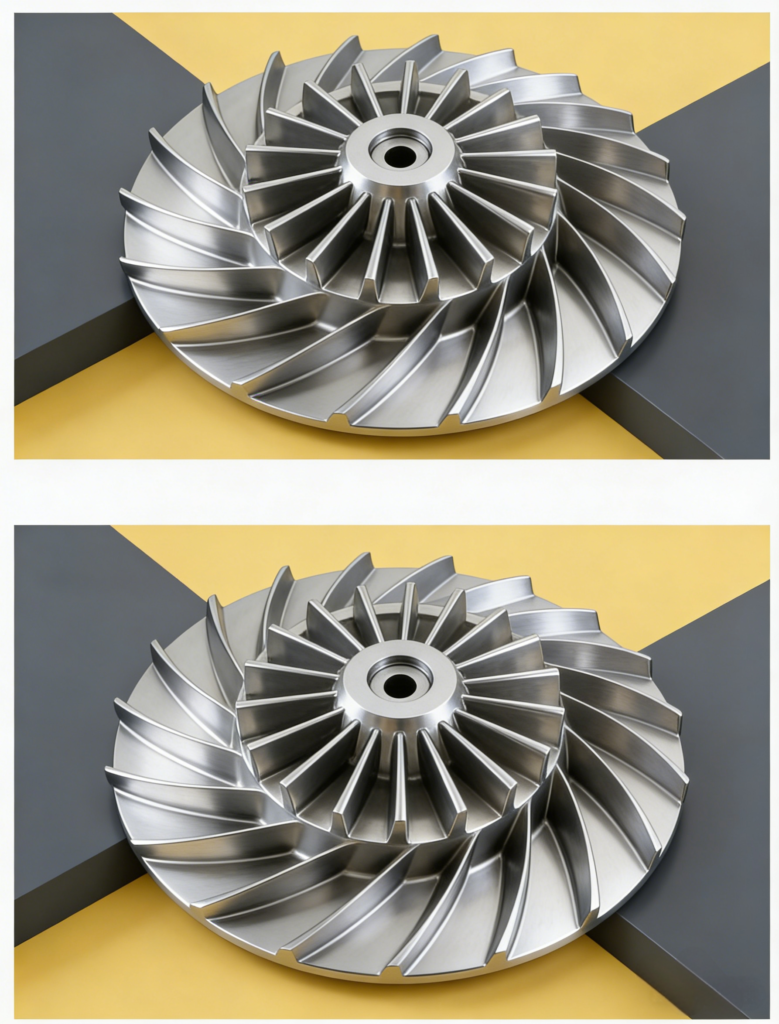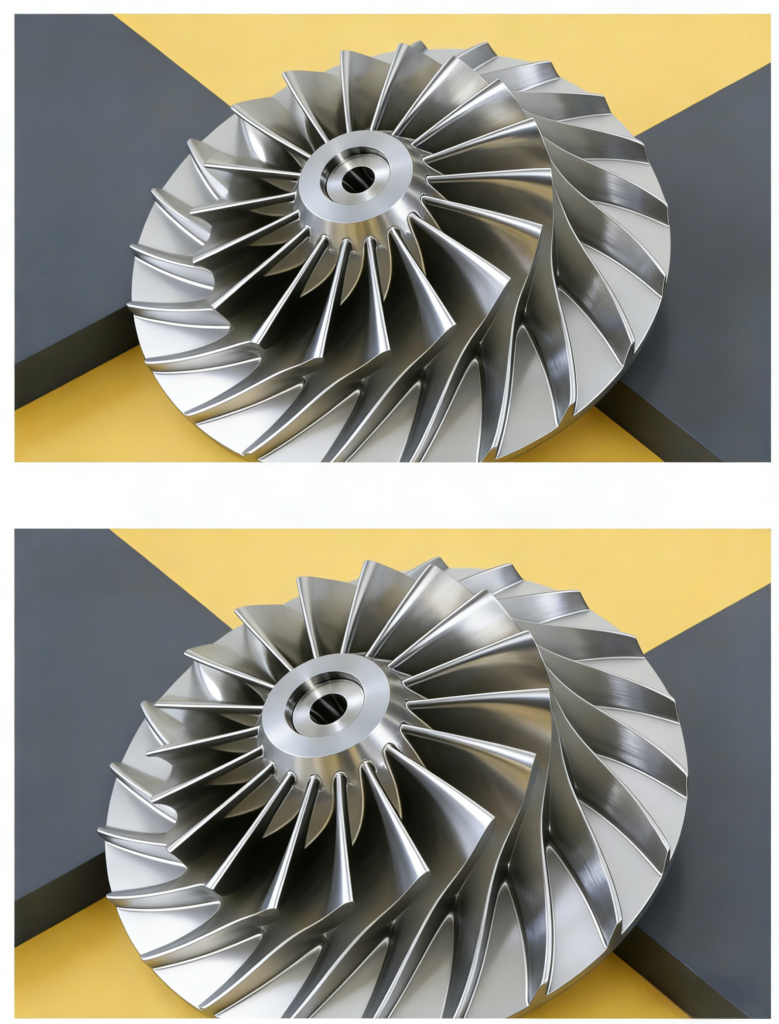
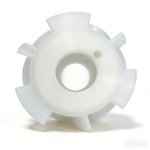
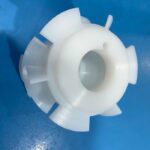
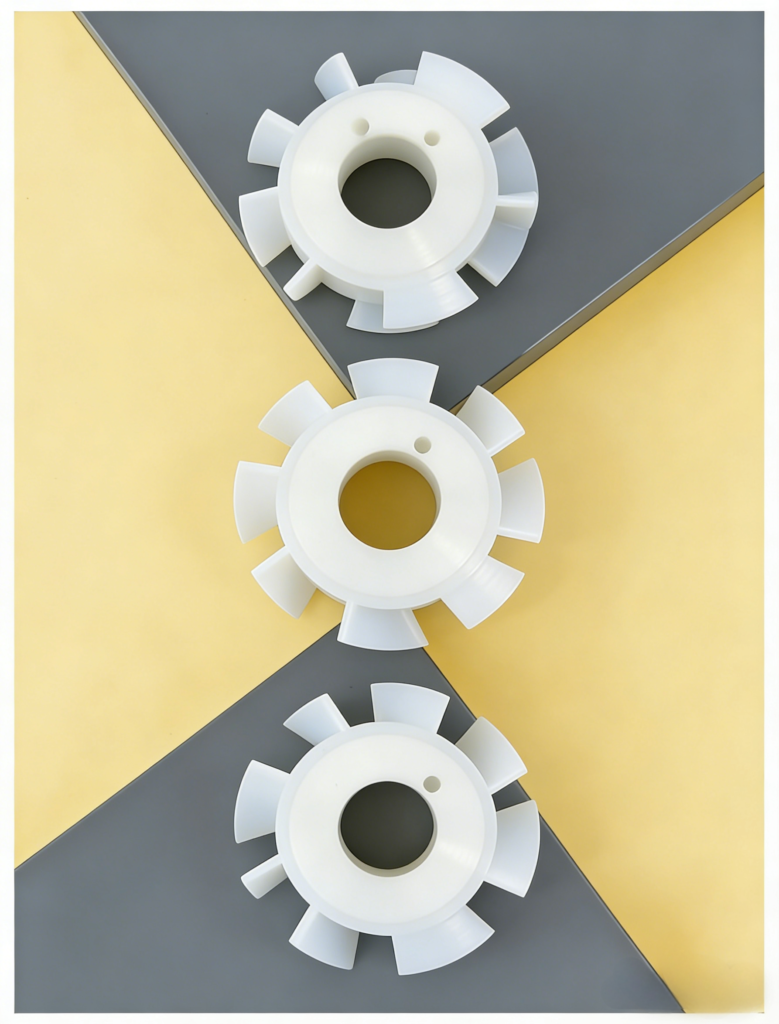
Fine Surface Tailored Plastic Impeller 5 Piece Assembly High Temperature PC Impeller for Industrial Pumps
Request a Quote
Enter the quantity you need and add to your quote list for pricing inquiries.
Product Details
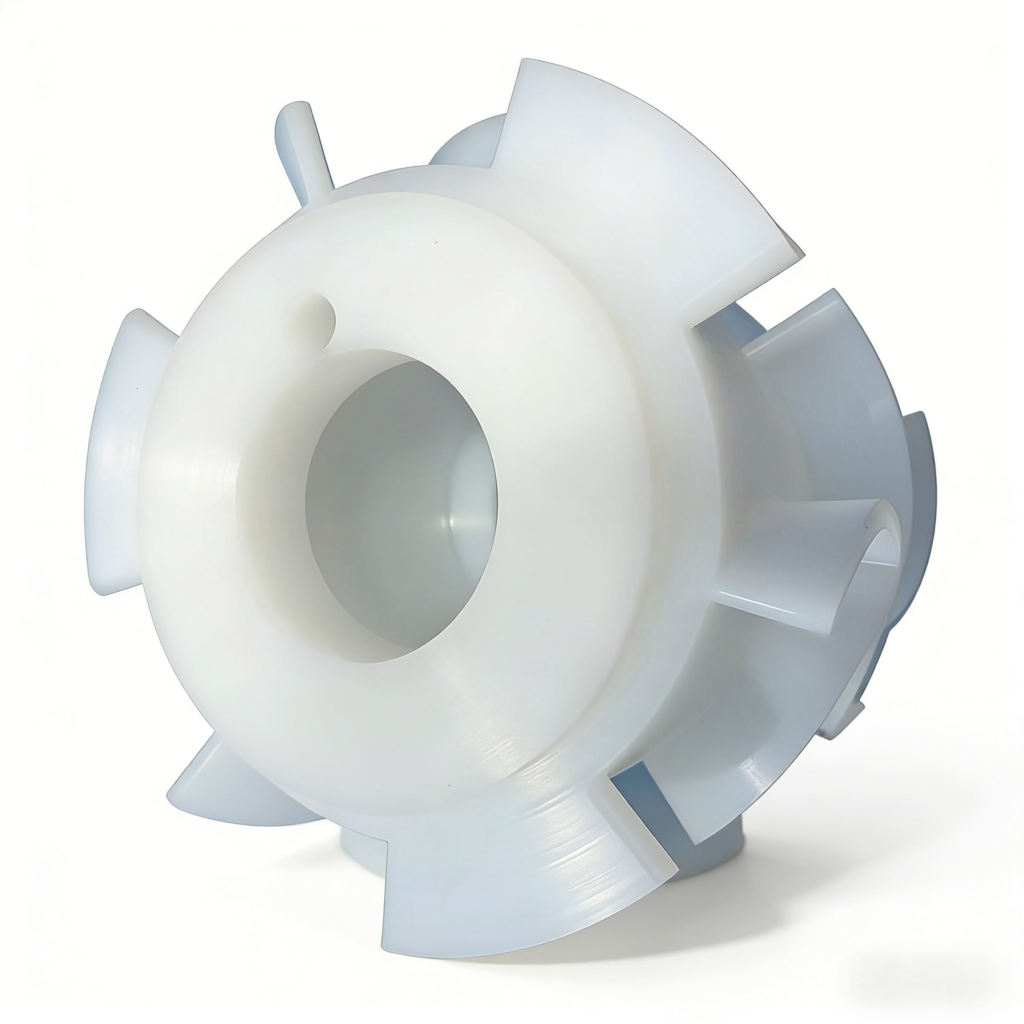
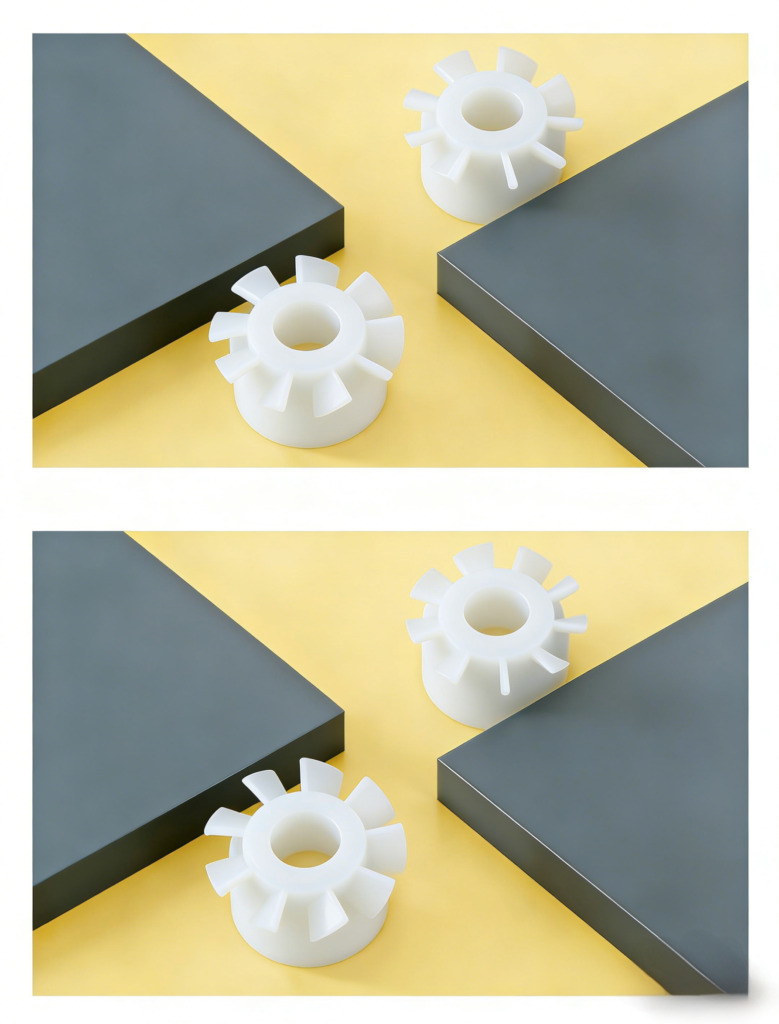
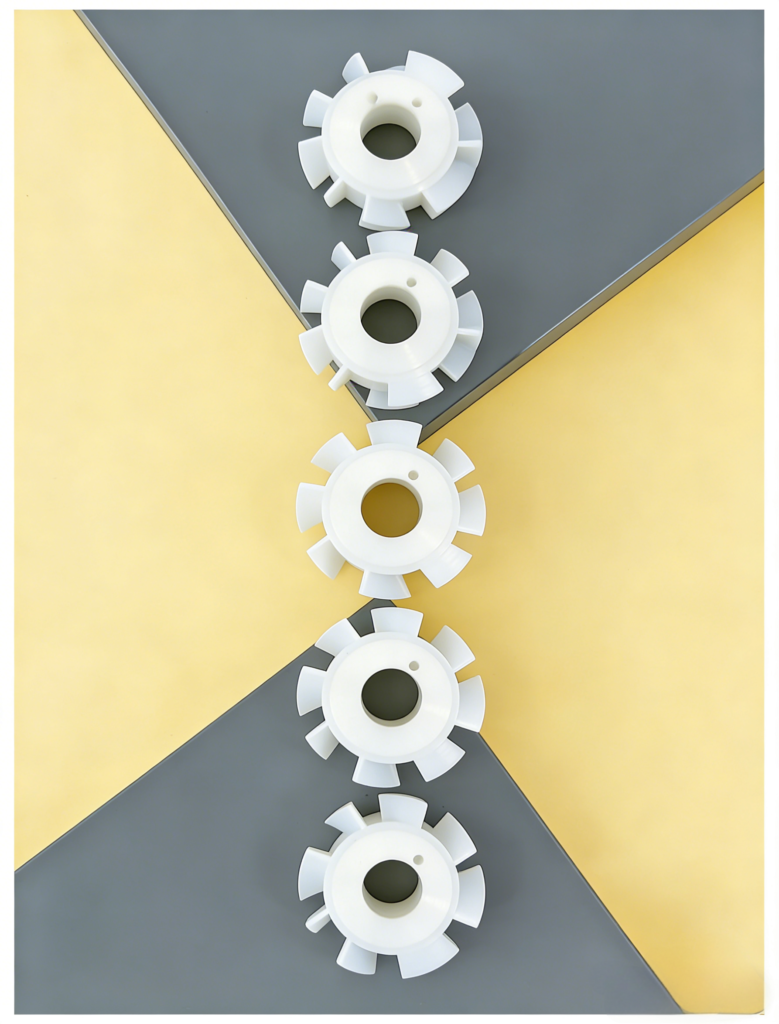
The plastic impeller is a lightweight, corrosion resistant rotating component designed for fluid movement in pumps, compressors, and mixing equipment. It features precision engineered blades that create centrifugal force to move liquids or gases efficiently. Manufactured from high performance thermoplastics including PPS, PP, POM, PVDF, nylon, PEEK, and PC. Available in custom blade counts, diameters, and hub configurations. Suitable for water pumps, chemical pumps, fuel pumps, pool pumps, and medical pump applications. Custom impellers can be injection molded or machined with tight tolerances for optimal hydraulic performance.
What Is a Plastic Impeller?
A plastic impeller is a rotating component manufactured from engineered thermoplastics, designed to move fluids by converting rotational energy into fluid flow. Typically mounted within a pump housing or compressor casing,it uses centrifugal force or positive displacement principles to draw fluid into the center and expel it at higher pressure through the outlet.
This component performs several critical functions. It creates fluid flow by transferring energy from the motor to the liquid or gas. It generates pressure rise across the impeller from inlet to outlet. It handles corrosive chemicals that would quickly destroy metal impellers. It reduces overall pump weight for portable or vehicle mounted applications. It provides electrical insulation in sensitive electronic cooling systems.
Available in thousands of configurations, the plastic impeller is fundamental to fluid handling systems across virtually every industry where corrosion resistance, weight reduction, or cost efficiency is important.
How a Plastic Impeller Works:
The operation of a plastic impeller depends on the pump type, but centrifugal designs are most common. As the motor rotates it, fluid enters the impeller eye (center). The rotating blades capture the fluid and accelerate it outward through the impeller passages. Centrifugal force throws the fluid toward the impeller outer diameter. The fluid gains velocity and pressure as it moves through the diverging passages between blades. The volute or diffuser converts velocity energy into additional pressure energy.
Several critical factors affect impeller performance. Blade angle determines flow characteristics and pressure generation. Number of blades affects efficiency and flow stability. Impeller diameter influences maximum pressure and flow capacity. Surface finish affects friction losses and efficiency. Material properties determine chemical compatibility and temperature limits.
For optimal performance, the plastic impeller must be precisely balanced, properly matched to the pump casing, and manufactured from materials compatible with the fluid being handled.
Materials for Plastic Impellers:
The performance and chemical compatibility of a plastic impeller depend heavily on material selection:
Polypropylene (PP): Excellent chemical resistance to acids, alkalis, and many solvents. Good cost effectiveness. Temperature range up to 180°F (82°C). Ideal for chemical processing, water treatment, and industrial applications.
Polyphenylene Sulfide (PPS): High strength and stiffness. Excellent chemical resistance and thermal stability. Temperature range up to 400°F (204°C). Ideal for automotive cooling systems, hot water pumps, and demanding industrial applications.
Polyoxymethylene (POM / Acetal): Good strength, stiffness, and dimensional stability. Excellent wear resistance. Low friction coefficient. Suitable for fuel pumps, metering pumps, and moving component applications.
Polyvinylidene Fluoride (PVDF): Superior chemical resistance to acids, halogens, and solvents. High purity suitable for pharmaceutical and semiconductor applications. Temperature range up to 280°F (138°C).
Polyamide (Nylon): Good strength and wear resistance. Available in reinforced grades for higher strength. Suitable for water pumps, pool pumps, and general industrial applications.
Polyetheretherketone (PEEK): High performance engineering plastic. Excellent chemical resistance, high temperature capability up to 480°F (250°C), and outstanding mechanical properties. Used in medical, aerospace, and high end industrial pumps.
Polycarbonate (PC): Good impact resistance and transparency. Suitable for visual inspection applications and lower temperature service.
Acrylonitrile Butadiene Styrene (ABS): Good impact resistance and cost effectiveness. Used in consumer pumps and lower stress applications.
Manufacturing Processes:
Quality plastic impellers are produced through several precision manufacturing processes:
Injection Molding:
Molten plastic is injected into precision steel molds under high pressure. Produces complex blade geometries with excellent dimensional repeatability. Most cost effective for high volume production of plastic impellers. Achieves tight tolerances and smooth surface finishes.
CNC Machining:
Plastic impellers are machined from solid plastic bar stock or molded blanks. Ideal for prototypes, custom designs, and low volume production. Allows design changes without tooling investment.
3D Printing / Additive Manufacturing:
Rapid prototyping of plastic impellers for design validation. Suitable for custom, low volume, and complex geometries not possible with molding.
Ultrasonic Welding:
Multiple component plastic impellers can be assembled using ultrasonic welding for strong, hermetic bonds.
Types of Plastic Impellers:
To optimize for SEO and help users find the right product, it is important to categorize the different types available:
Closed Plastic Impeller: Features shrouds on both sides of the blades. Highest efficiency and pressure capability. Ideal for clean fluids and high pressure applications.
Semi Open Plastic Impeller: Shroud on one side only. Better for fluids with some solids. Easier to clean and inspect.
Open Plastic Impeller: No shrouds on either side. Best for fluids containing solids or fibers. Lowest efficiency but most tolerant of debris.
Vortex Plastic Impeller: Recessed design that creates a vortex for handling solids without contact. Ideal for sewage and slurry applications.
Magnetic Drive Plastic Impeller: Designed for magnetically coupled pumps with no shaft seal. Eliminates leakage risk for hazardous chemicals.
Custom Plastic Impeller: Engineered to exact specifications including unique diameters, blade counts, angles, and material selections.
How to Select the Right Plastic Impeller:
Choosing the appropriate plastic impeller requires careful consideration of several factors:
Fluid Compatibility: Identify all chemicals, temperatures, and concentrations the impeller will contact. Select material with proven resistance.
Temperature Range: Consider both continuous operating temperature and maximum intermittent exposure.
Pressure Requirements: Higher pressure applications may require reinforced materials or closed impeller designs.
Flow Rate: Select impeller diameter and blade design to achieve required flow at available motor speed.
Solids Handling: Fluids containing solids or fibers require open or vortex impeller designs.
Regulatory Requirements: Food, pharmaceutical, and potable water applications require certified materials.
Volume Requirements: High volumes justify injection molding tooling. Low volumes favor machined or 3D printed impellers.
Key Applications Across Industries:
The versatility of the plastic impeller makes it essential across numerous sectors:
Water and Wastewater Treatment: Plastic impellers handle corrosive chemicals, chlorinated water, and abrasive slurries. Applications include chemical feed pumps, circulation pumps, and sludge handling equipment.
Chemical Processing: Chemical pumps use corrosion resistant plastic impellers for handling acids, alkalis, solvents, and aggressive chemicals. PVDF and PPS materials are common choices.
Automotive Engine cooling systems use plastic impellers in water pumps for weight reduction and corrosion resistance. Electric vehicle battery cooling systems also utilize plastic impellers.
Marine: Boat engine cooling pumps and bilge pumps use corrosion resistant plastic impellers that withstand saltwater exposure without galvanic corrosion issues.
Pool and Spa: Circulation pumps, filter pumps, and heater pumps use plastic impellers for chlorine resistance and cost effectiveness.
Food and Beverage: Sanitary plastic impellers made from food grade materials handle beverages, sauces, and food ingredients without contamination concerns.
Medical and Pharmaceutical: Medical pumps use high purity plastic impellers made from USP Class VI or FDA compliant materials for drug delivery and diagnostic equipment.
HVAC: Chillers, boilers, and circulating pumps use plastic impellers for corrosion resistance and quiet operation.
Customization Capabilities:
For applications requiring unique specifications, it offer tailored solutions:
Diameter and Width: Specific dimensions to fit custom pump housings or achieve performance targets.
Blade Count and Geometry: Custom blade angles, counts, and profiles for specific flow and pressure characteristics.
Material Selection: From commodity plastics to high performance engineering resins.
Insert Molding: Metal inserts for shaft mounting or magnetic drive applications.
Balancing: Dynamic balancing to specified grade for smooth, quiet operation.
Color: Custom colors for branding or application identification.
Installation and Maintenance Best Practices:
Proper installation and maintenance ensure the plastic impeller performs reliably:
Verify Direction: Ensure impeller rotation matches pump design. Reverse rotation drastically reduces performance.
Check Clearance: Verify impeller to housing clearance within manufacturer specifications. Excessive clearance reduces efficiency.
Use Proper Tools: Avoid damaging impeller during installation. Use shaft protectors and soft faced tools.
Inspect Regularly: Check for wear, cracking, or chemical attack during routine maintenance.
Replace When Worn: Worn impellers reduce pump performance and efficiency. Replace at recommended intervals.
Common Failure Modes:
Understanding potential issues helps with preventive maintenance:
Chemical Attack: Material incompatibility causes swelling, softening, or cracking. Verify chemical resistance before installation.
Thermal Degradation: Exceeding material temperature limits causes softening, deformation, or melting.
Abrasive Wear: Suspended solids erode blade edges, reducing efficiency over time.
Fatigue Cracking: Cyclic stress from pressure pulsations or vibration causes crack initiation and propagation.
Cavitation Damage: Low inlet pressure causes vapor bubble formation and collapse, eroding blade surfaces.
Conclusion:
The plastic impeller may appear to be a simple component, but its role in fluid handling is profound. By combining corrosion resistance, lightweight construction, and design flexibility, this essential component enables reliable, efficient pump operation across countless industries.
By understanding the materials, designs, and selection criteria outlined in this guide, you can confidently choose the right plastic impeller for your application—whether a standard off the shelf product or a custom engineered solution.