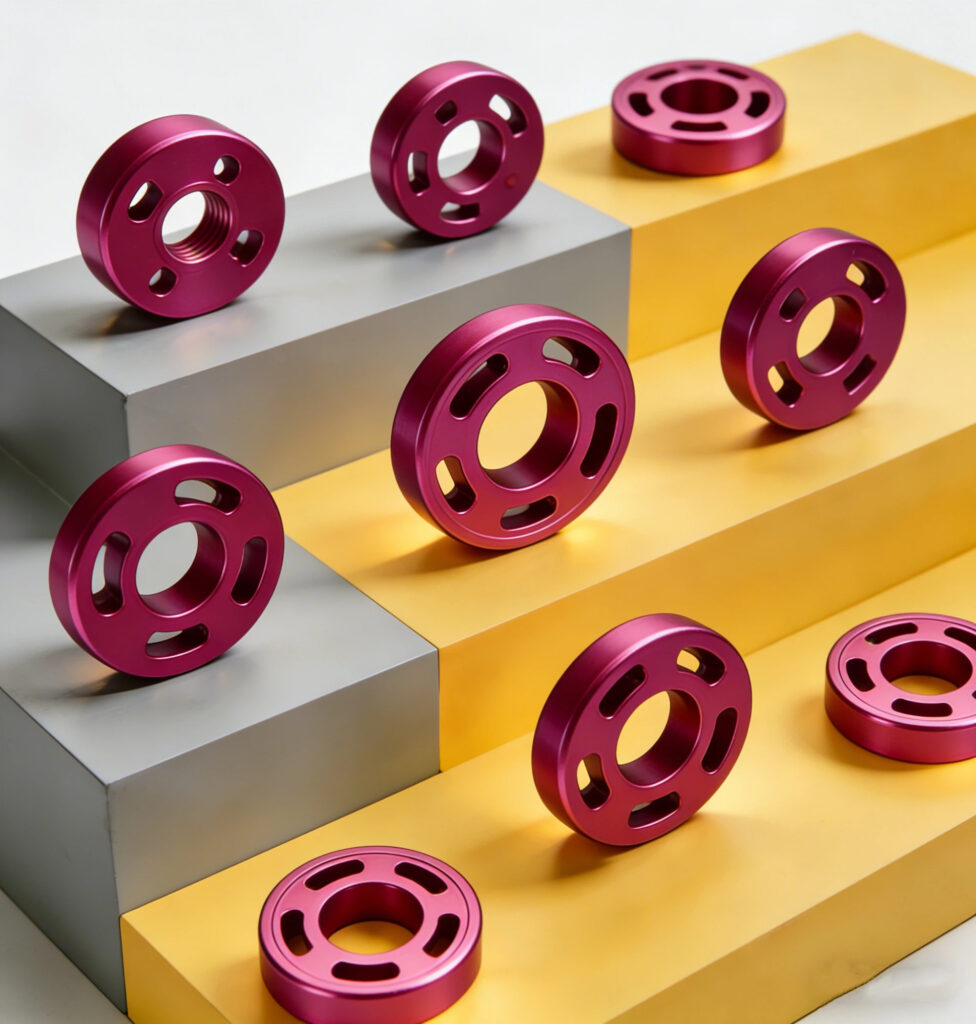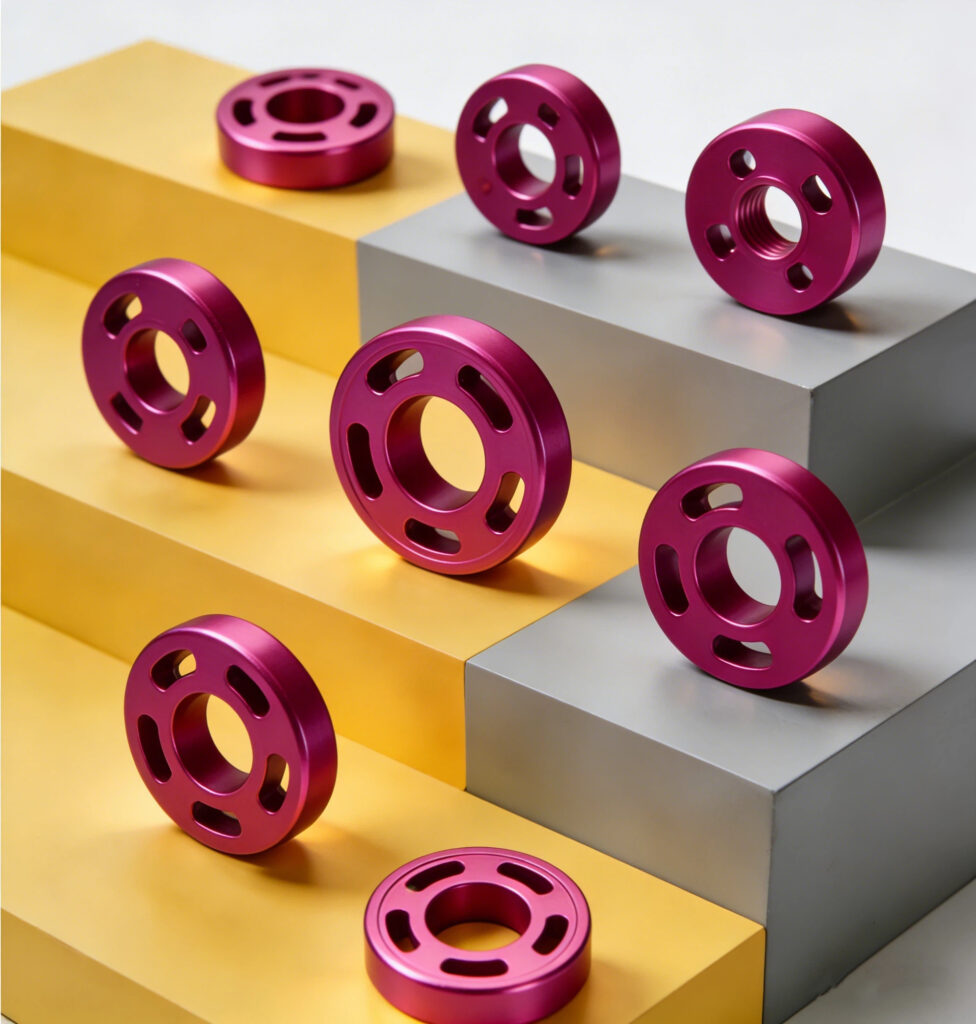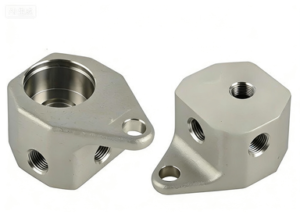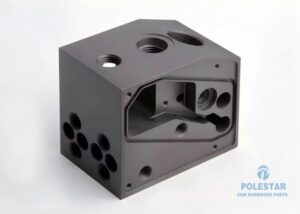
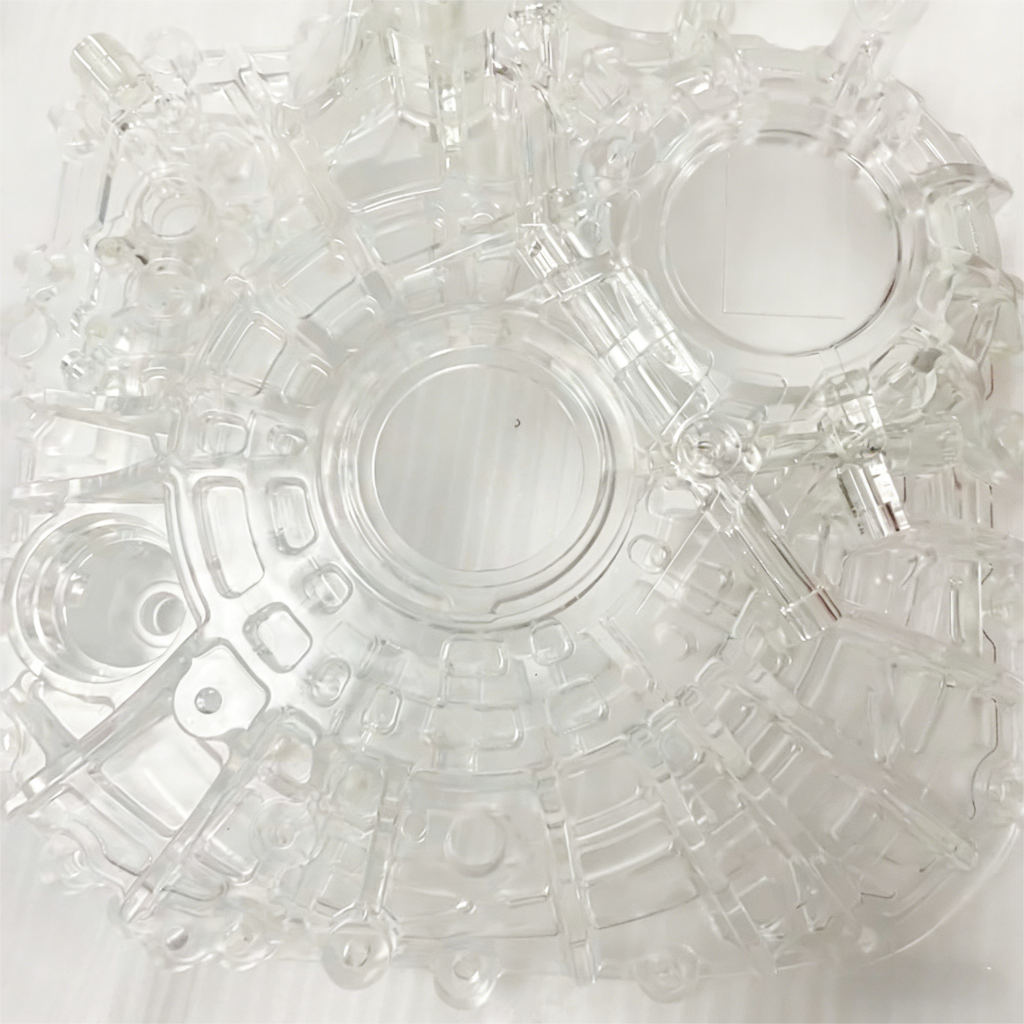
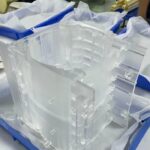
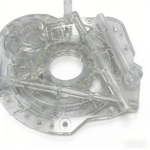
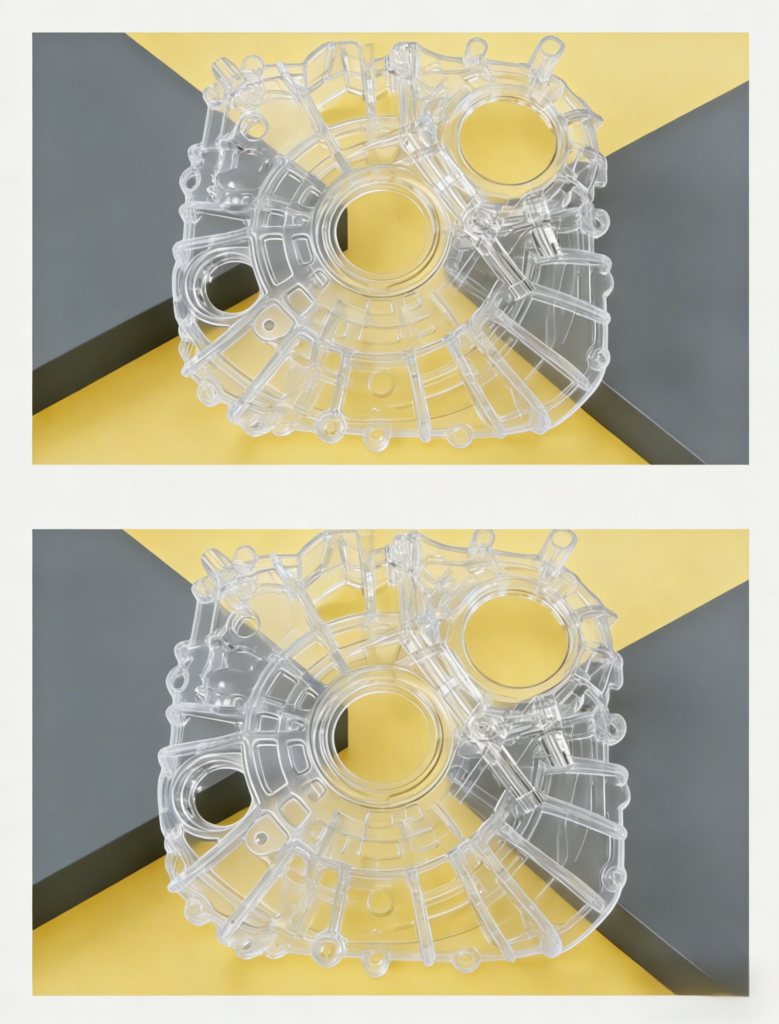
Reliable Custom Engineered Acrylic Parts 8 Hole Pattern High Impact Resistant Acrylic Components for Electronics
Request a Quote
Enter the quantity you need and add to your quote list for pricing inquiries.
Product Details
Acrylic parts are precision manufactured components made from high quality polymethyl methacrylate (PMMA) material. They offer excellent optical clarity, high light transmission, UV resistance, and impact strength. Available in clear, translucent, or colored finishes. Common applications include display stands, signage, lighting diffusers, automotive lenses, medical device components, and point of purchase displays. Custom acrylic parts can be laser cut, CNC machined, or heat bent to exact specifications with tight tolerances for perfect fit and appearance.
What Are Acrylic Parts?
Acrylic parts are components manufactured from polymethyl methacrylate (PMMA), a transparent thermoplastic known for its exceptional optical clarity, high light transmission, and excellent weather resistance. Often used as a lightweight, shatter resistant alternative to glass, acrylic parts offer superior strength and impact resistance compared to traditional glass while maintaining comparable clarity.
These components serve numerous critical functions across various applications. They provide transparent protective barriers that allow visibility while preventing contamination. They diffuse and transmit light efficiently for signage and lighting applications. They protect sensitive components from dust, moisture, and physical damage. They enhance product aesthetics with crystal clear or colored finishes. They offer chemical resistance for laboratory and medical environments.
Available in sheets, rods, tubes, and custom fabricated shapes, acrylic parts are fundamental to countless products and systems across virtually every industry.
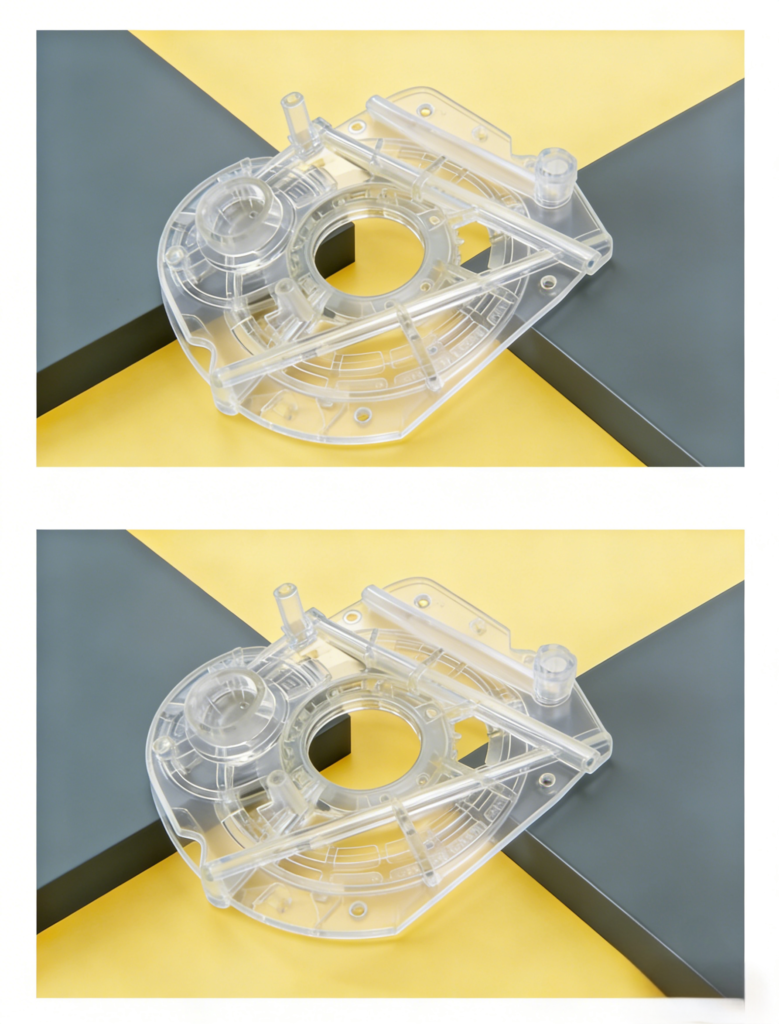
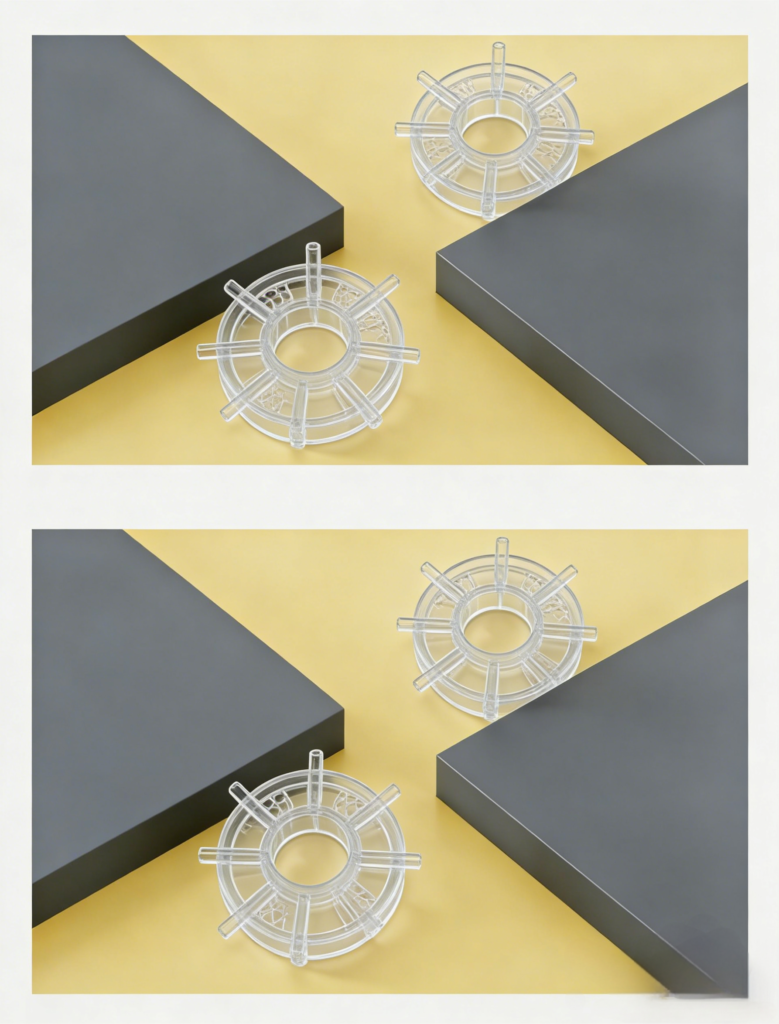
Material Properties of Acrylic:
Understanding the properties of acrylic is essential for specifying the right acrylic parts for your application:
Optical Clarity: Acrylic offers up to 92% light transmission, exceeding glass clarity. Ideal for windows, lenses, and display applications.
Impact Resistance: Acrylic is up to 10 times more impact resistant than glass, making it suitable for safety glazing and protective barriers.
Weather Resistance: Excellent UV resistance prevents yellowing and degradation from sunlight exposure. Suitable for outdoor signage and automotive applications.
Lightweight: Acrylic is approximately half the weight of glass, reducing shipping costs and structural support requirements.
Chemical Resistance: Resistant to diluted acids, alkalis, and aliphatic hydrocarbons. Not recommended for strong solvents or aromatic hydrocarbons.
Temperature Resistance: Service temperature range from -30°C to 80°C (-22°F to 176°F). Suitable for most indoor and outdoor applications.
Fabrication Flexibility: Can be laser cut, CNC machined, heat bent, polished, and bonded with acrylic adhesives.
Manufacturing Processes for Acrylic Parts:
Quality acrylic parts are produced through several precision manufacturing processes:
Laser Cutting: CO2 lasers cut acrylic with smooth, flame polished edges. Ideal for intricate shapes, tight tolerances, and rapid prototyping. Achieves edge quality that often requires no additional finishing.
CNC Machining: Computer controlled routing and milling produce precise acrylic parts with complex geometries, drilled holes, and counterbores. Suitable for thicker materials and high volume production.
Heat Bending: Acrylic sheets heated to forming temperature and bent around fixtures. Creates curved components for displays, signage, and enclosures.
Diamond Polishing: Edges are polished using diamond abrasives to achieve optical clarity equivalent to the original sheet surface.
Flame Polishing: Edges are exposed to a hydrogen oxygen flame, creating clear, glossy surfaces. Faster than diamond polishing but requires skill to avoid bubbling.
Adhesive Bonding: Specialized acrylic adhesives (solvent cements) create strong, optically clear bonds between acrylic parts.
Vacuum Forming: Heated acrylic sheet is drawn over a mold using vacuum pressure. Ideal for producing large quantities of identical curved parts.
Types of Acrylic Parts:
To optimize for SEO and help users find the right product, it is important to categorize the different types of acrylic parts available:
Extruded Acrylic Parts: Produced by continuous extrusion process. Excellent dimensional consistency and surface finish. Ideal for sheets, rods, and tubes.
Cast Acrylic Parts: Manufactured by pouring liquid acrylic into molds. Superior optical clarity and stress resistance. Better for machining and polishing.
Laser Cut Acrylic Parts: Precision cut from acrylic sheets using laser technology. Clean edges, tight tolerances, and complex shapes.
CNC Machined Acrylic Parts: Milled or routed from acrylic blocks or sheets. Suitable for three dimensional parts and components with drilled features.
Heat Bent Acrylic Parts: Curved components for displays, guards, and enclosures.
Bonded Acrylic Assemblies: Multiple acrylic components joined with solvent cement to create larger structures.
Custom Acrylic Parts: Engineered to exact specifications including unique dimensions, shapes, tolerances, and special features.
Key Applications Across Industries:
The versatility of acrylic parts makes them essential across numerous sectors:
Retail Displays and Signage: Acrylic parts dominate the display industry. Brochure holders, shelf talkers, countertop displays, light boxes, illuminated signs, and point of purchase displays all rely on acrylic clarity and fabrication flexibility.
Medical and Laboratory: Medical devices use acrylic parts for protective barriers, diagnostic equipment components, specimen containers, and surgical instrument trays. Chemical resistance and sterilizability are critical.
Automotive: Acrylic parts are used in tail light lenses, instrument clusters, interior trim components, and sunroof wind deflectors. UV resistance and impact strength are essential.
Architectural and Interior Design: Acrylic partitions, balustrades, furniture components, decorative panels, and lighting diffusers benefit from acrylic clarity and design freedom.
Electronics and Consumer Products: Display windows, remote control covers, phone cases, and appliance trim components use acrylic parts for protection and aesthetics.
Aquariums and Terrariums: Large acrylic panels and custom fabricated parts create clear, strong viewing panels for aquatic environments.
Industrial Safety:
Machine guards, safety shields, and protective barriers use acrylic parts for impact resistance and visibility.
How to Select the Right Acrylic Parts:
Choosing the appropriate acrylic parts requires careful consideration of several factors:
Material Grade: Extruded for general purpose and economy, cast for superior clarity and machining.
Thickness: Select based on structural requirements, span, and impact resistance needs.
Optical Requirements: Clear for maximum transparency, translucent for light diffusion, colored for aesthetic effects.
UV Resistance:
Standard acrylic offers good UV resistance. Enhanced grades available for extreme outdoor exposure.
Fabrication Method: Laser cutting for intricate shapes, CNC machining for three dimensional parts, heat bending for curves.
Tolerance Requirements: Precision applications may require ±0.005 inch tolerances. General use may accept ±0.020 inch.
Surface Finish: Flame polished edges for clarity, diamond polished for optical quality, machined finish for non visible areas.
Quantity: Prototype quantities suit laser cutting. High volumes may justify tooling for vacuum forming or injection molding.
Customization Capabilities:
For applications requiring unique specifications, custom acrylic parts offer tailored solutions. Customization options include:
Dimensions: Specific lengths, widths, and thicknesses to fit exact space constraints.
Shape: Rectangular, square, circular, or complex custom geometries.
Hole Patterns: Custom hole sizes, spacing, and configurations for mounting.
Edge Treatment: Flame polished, diamond polished, machined, or beveled edges.
Surface Treatment: Anti reflective coating, anti scratch coating, or UV protective coating.
Color: Clear, translucent, or custom colored acrylic.
Tolerances:
Precision tolerances such as ±0.005 inch on critical dimensions.
Volume Production:
From single piece prototypes to high volume production runs.
Installation and Maintenance Best Practices:
Proper installation ensures acrylic parts perform reliably:
Handle with Care: Acrylic surfaces scratch easily. Use clean, soft gloves during handling.
Use Proper Fasteners: Avoid over tightening screws or bolts which can crack acrylic. Use washers to distribute load.
Allow for Expansion: Acrylic expands and contracts with temperature changes. Provide adequate clearance in mounting holes.
Clean Correctly: Use mild soap and water or specialized acrylic cleaners. Avoid ammonia based or abrasive cleaners.
Protect from Solvents: Keep acrylic away from acetone, alcohol, and other solvents that can craze or dissolve the material.
Common Failure Modes:
Understanding potential issues helps with preventive measures:
Scratching: Surface marring from abrasive contact. Use protective films during fabrication and installation.
Cracking: Stress cracking from over tightening fasteners or chemical exposure.
Yellowing: UV degradation over time. Use UV stabilized grades for outdoor applications.
Crazing: Fine cracks from solvent exposure or internal stress. Avoid aggressive chemicals.
Future Trends:
Acrylic parts continue to evolve with manufacturing technology:
Bio Based Acrylic: Renewable source acrylic materials for sustainability.
Antimicrobial Acrylic: Inhibits bacterial growth for medical and food contact applications.
Self Healing Coatings: Scratch resistant surfaces that repair minor damage.
Advanced Fabrication: 5 axis CNC and robotic polishing for complex geometries.
Conclusion:
Acrylic parts may appear simple, but their role in modern products and systems is profound. By combining optical clarity, impact resistance, and fabrication flexibility, this versatile material enables countless applications from retail displays to medical devices.
By understanding the properties, manufacturing processes, and selection criteria outlined in this guide, you can confidently specify the right acrylic parts for your application—whether standard components or custom engineered solutions.