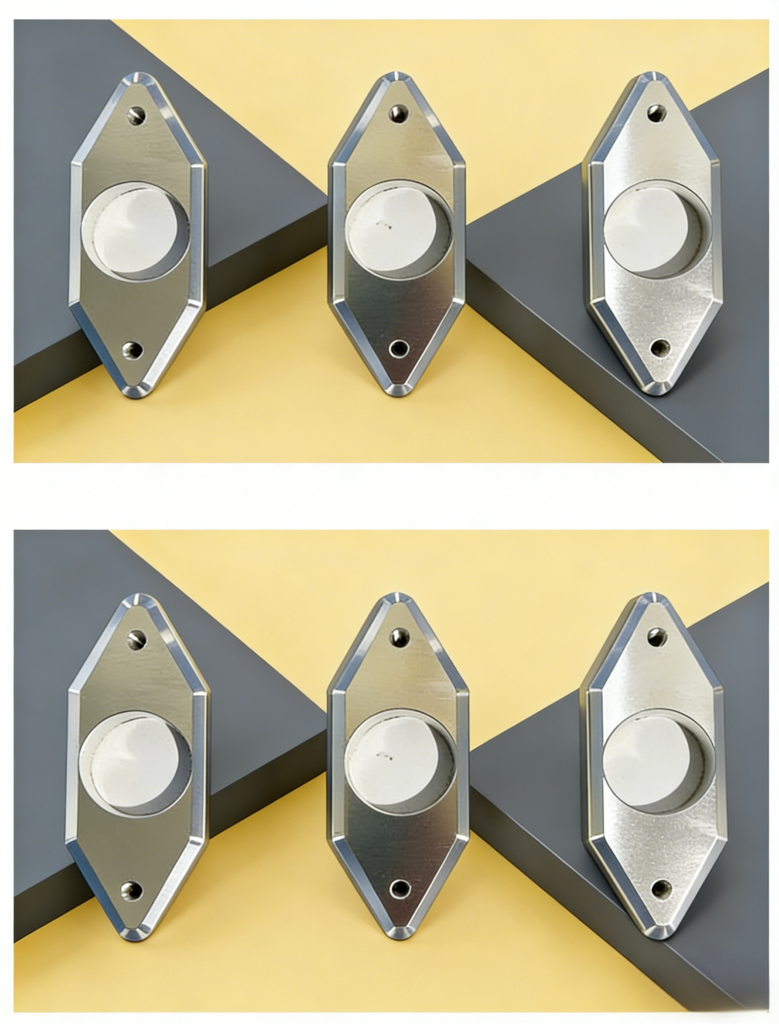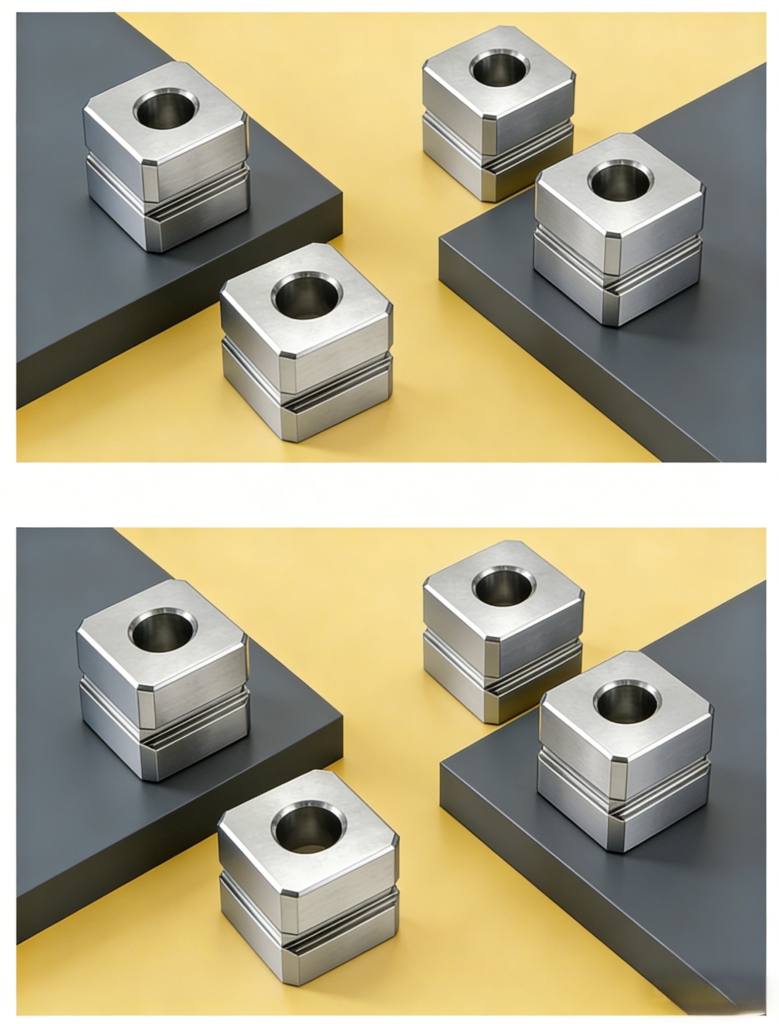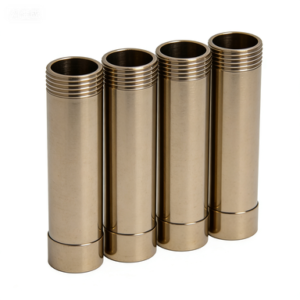
SUS420 Medical Grade Stainless Steel Ground Shaft with Awesome Hardness CNC Turning Component
Request a Quote
Enter the quantity you need and add to your quote list for pricing inquiries.
Product Details
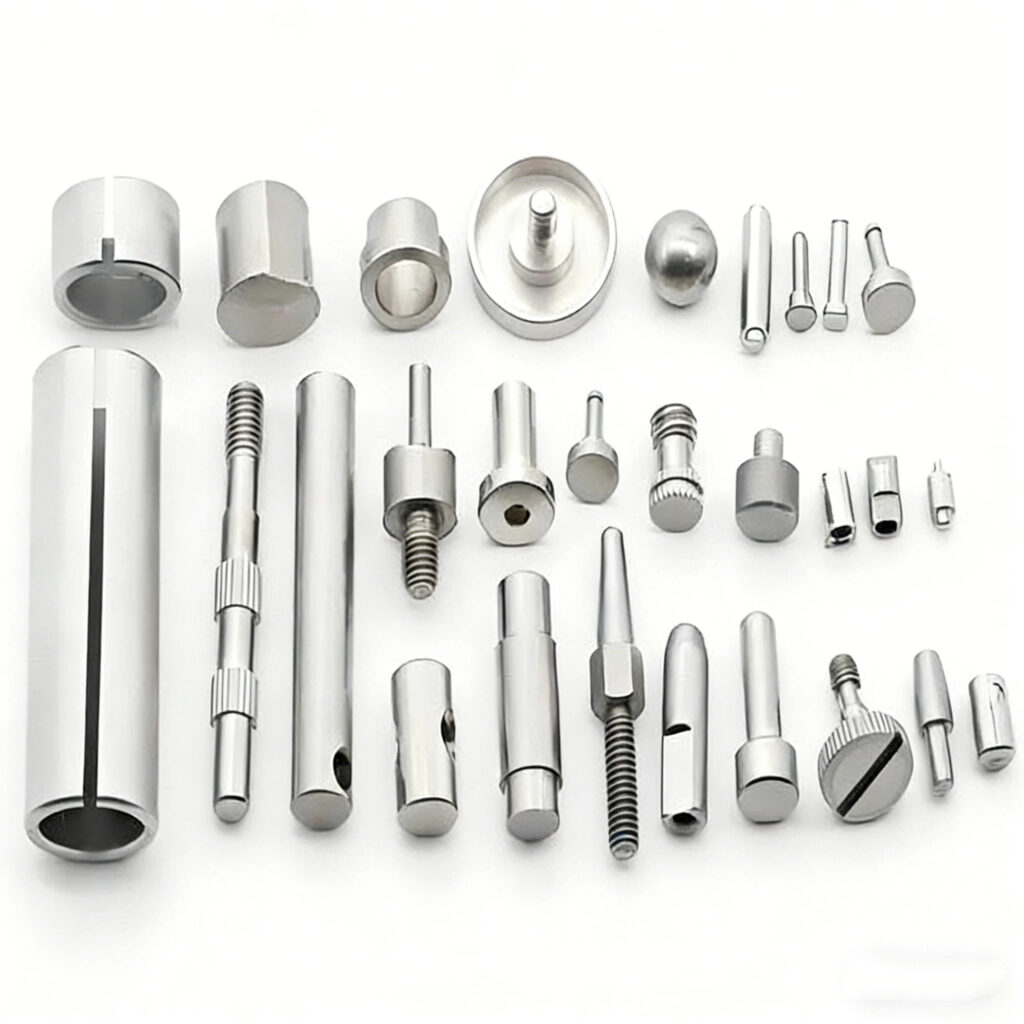
Engineered for high-stress mechanical and structural applications, our Ground Shafts serve as the critical interface between dynamic machinery and static foundations. Designed to transmit torque with minimal deflection, these components are essential for maintaining alignment in heavy-duty industrial systems. Whether anchoring high-speed pumps or serving as the primary drive for earth-moving equipment, our shafts deliver exceptional tensile strength and fatigue resistance. We provide robust metallurgical solutions that minimize vibration, reduce maintenance downtime, and ensure operational safety in the most demanding North American industrial environments.
What is a Ground Shaft?
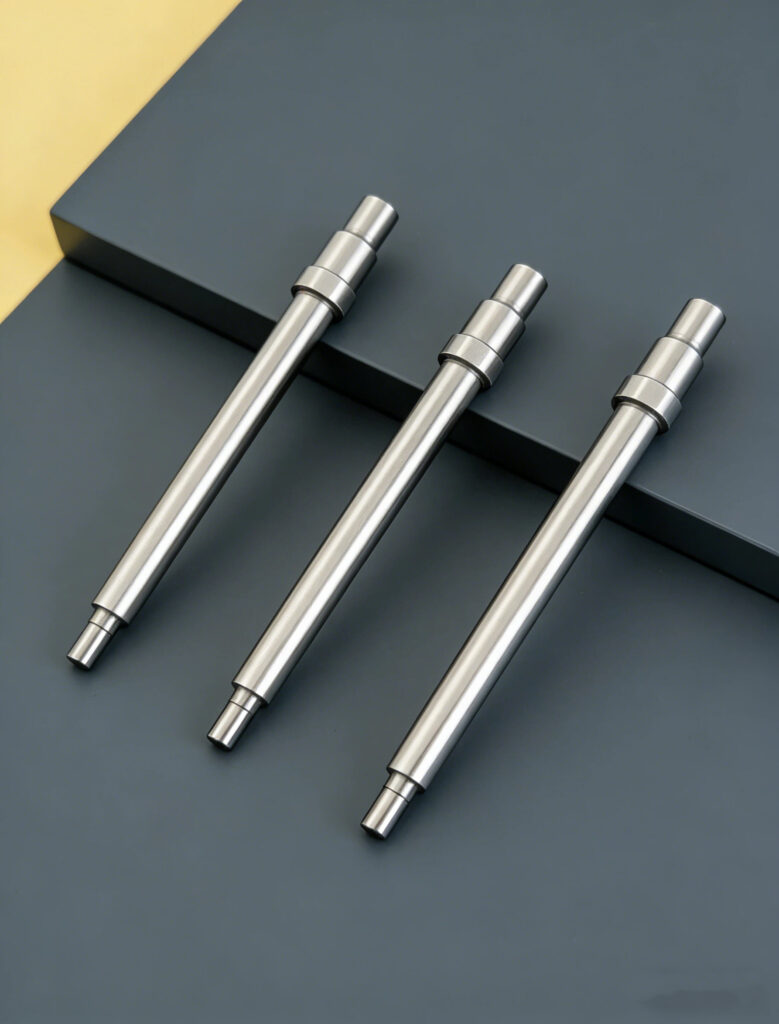
In the context of industrial procurement and mechanical engineering, a Ground Shaft is a precision-machined cylindrical component, typically fabricated from high-grade steel, designed to transmit rotary motion or provide structural support. The term “ground” refers to the finishing process where the shaft’s surface is abraded to achieve extremely tight dimensional tolerances and a superior surface finish.
Unlike standard hot-rolled bars, ground shafts are manufactured to strict specifications, often featuring a surface roughness (Ra) of less than 0.4 µm and diameter tolerances within ±0.001 inches. This precision is vital for reducing friction in bearing assemblies and ensuring the longevity of seals. In structural applications, such as helical piles, the “shaft” acts as the load-bearing column that transfers the weight of a structure (like a solar farm or bridge) deep into the soil strata, resisting both compression and uplift forces.
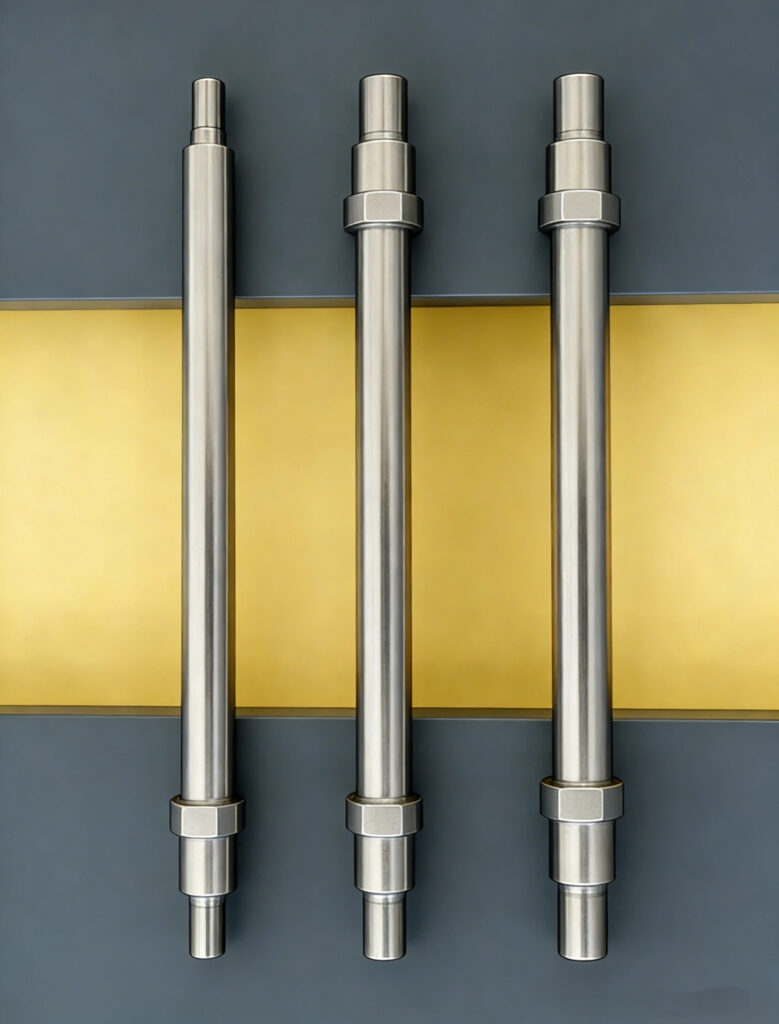
Material Specifications:
We utilize premium metallurgy to ensure performance under extreme loads and environmental conditions:
- Alloy Steel (e.g., 4140/4340): The standard for high-strength mechanical shafts. These medium-carbon alloy steels offer excellent toughness, high fatigue resistance, and superior torsional strength, making them ideal for drive systems and gear trains.
- Stainless Steel (316/17-4 PH): Specifically selected for applications involving corrosive elements, such as seawater pumps or chemical processing equipment. 17-4 PH offers high strength comparable to alloy steel with the added benefit of corrosion resistance.
- Carbon Steel (Q235/Q345): Widely used for structural ground shafts and helical piles. These grades provide high yield strength for foundation support while remaining cost-effective for large-scale civil engineering projects.
Surface Treatment Technologies:
To enhance durability and performance, our shafts undergo rigorous surface processing:
- Precision Grinding: The defining characteristic of our mechanical shafts. This process removes surface imperfections and decarburization layers, ensuring a mirror-like finish that extends seal and bearing life by reducing abrasive wear.
- Hot-Dip Galvanizing: Essential for structural shafts exposed to soil and moisture. This coating provides a thick, metallurgically bonded zinc layer that offers cathodic protection, preventing rust and extending the service life of foundation piles by decades.
- Induction Hardening: A heat treatment process that increases surface hardness (often up to HRC 58-62) while maintaining a tough, ductile core. This is critical for shafts subject to high contact stress and wear.
- Chrome Plating: Applied to mechanical shafts to provide a hard, low-friction surface that resists corrosion and abrasion, ideal for hydraulic cylinders and piston rods.
Application:
- Industrial Fluid Handling: Serving as pump shafts and bearing journals in high-pressure centrifugal pumps where straightness tolerances of <0.001 inches are required to prevent vibration.
- Renewable Energy Infrastructure: Acting as helical piles (screw piles) for solar panel mounting systems, providing stable foundations in varied soil types without the need for concrete.
- Heavy Machinery: Utilized in drive axles and gear shafts for construction equipment, transmitting high torque from motors to wheels or tracks.
- Mining & Tunneling: Used in vertical shaft sinking and excavation machinery, where they must withstand immense compressive forces and abrasive rock contact.
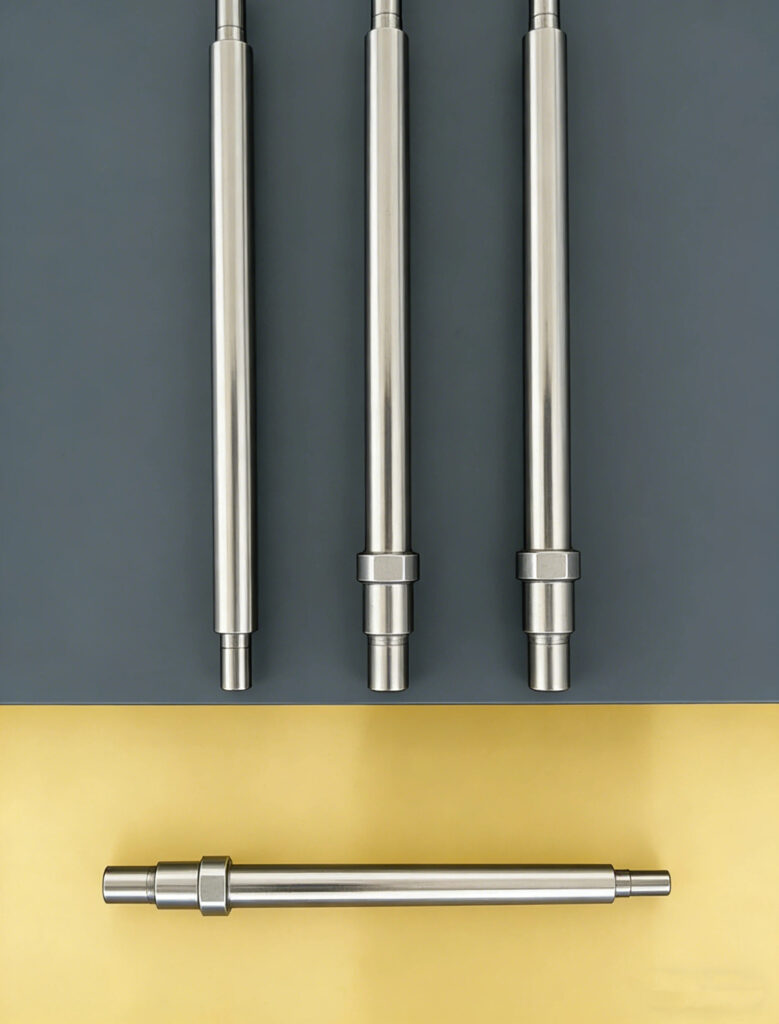
Case Study: Offshore Pumping System
Selected Solution:
An offshore oil and gas platform faced recurring failures in their seawater injection pumps due to shaft corrosion and fretting. The client required a replacement solution that could withstand saline environments while maintaining high-speed rotation (3,600 RPM). We supplied Custom 17-4 PH Stainless Steel Ground Shafts. These shafts were machined to a strict straightness tolerance of 0.0005 inches and featured a specialized passivation treatment to maximize the chromium oxide layer. The design included a surface hardness of HRC 60 at the bearing journals to prevent brinelling during installation.
Results:
The implementation of the 17-4 PH ground shafts resulted in a 300% increase in Mean Time Between Failures (MTBF). The precision grinding eliminated the micro-vibrations that were previously damaging the mechanical seals, completely stopping fluid leaks. Furthermore, the corrosion-resistant material withstood the harsh saline environment without pitting, eliminating the need for the client to perform quarterly replacement maintenance. This solution saved the operator an estimated $150,000 annually in unscheduled downtime and maintenance labor costs.
Why Choose Our Ground Shafts?
Precision Beyond Standard:
We don’t just cut metal; we engineer surfaces. Our grinding capabilities ensure that every shaft meets or exceeds ISO and DIN standards for straightness and roundness, ensuring seamless integration with your bearings and couplings.
Material Integrity:
From certified alloy steels to marine-grade stainless, our material traceability is absolute. We understand that in MRO (Maintenance, Repair, and Operations), material failure is not an option. Our supply chain is vetted to ensure chemical composition compliance.
Application-Specific Engineering:
Whether you need a shaft for a high-speed spindle or a foundation pile for a solar farm, we tailor the metallurgy and heat treatment to the specific stressors of your environment—be it torque, tension, or corrosion.
Reduced Total Cost of Ownership:
By minimizing friction and maximizing wear resistance, our ground shafts extend the lifecycle of your entire assembly. The upfront investment in precision ground components pays for itself through reduced downtime and fewer replacement parts.