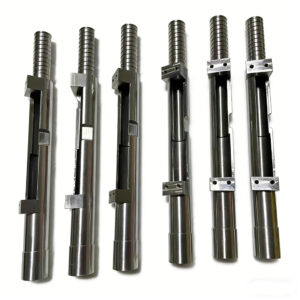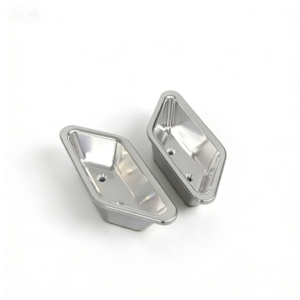
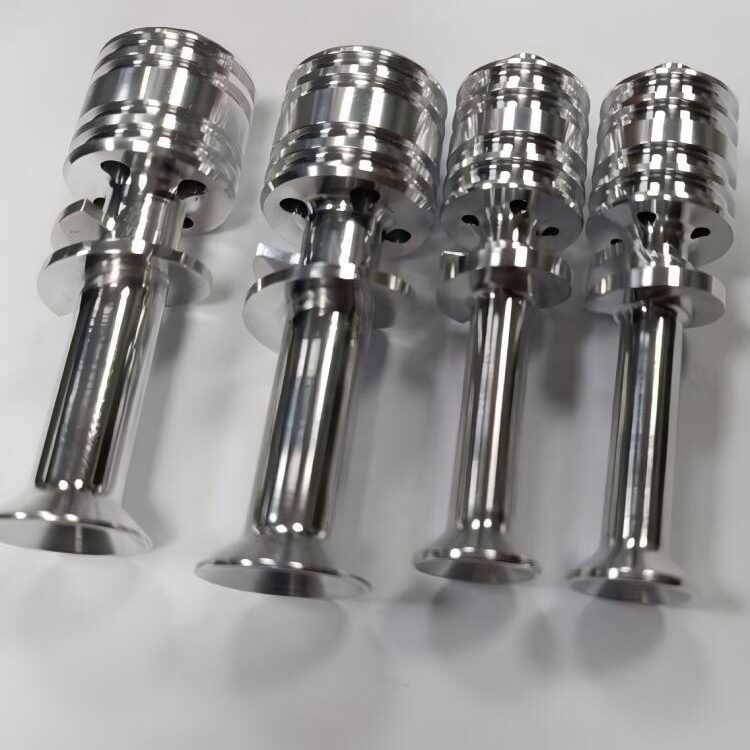
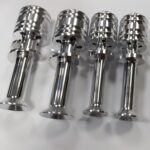
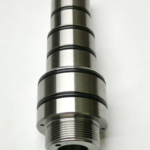
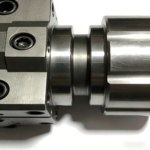
Reliable Precision Engineered Hydraulic Spool Valve 100 to 300 LPM Flow Capacity Hardened Spool Enhanced Wear Resistance
Request a Quote
Enter the quantity you need and add to your quote list for pricing inquiries.
Description
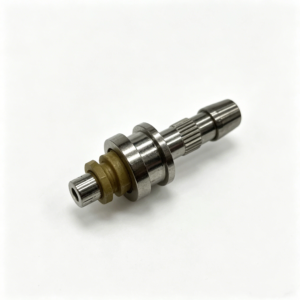
Precision ground hydraulic spool valve delivers reliable directional flow control for demanding hydraulic systems. Manufactured from high strength steel with hardened and ground spool for smooth operation and extended service life. Available in multiple configurations including 2 way 3 way and 4 way with 2 position or 3 position options. Tight tolerances ensure minimal internal leakage and consistent performance under high pressure conditions. Ideal for industrial machinery mobile equipment and automation systems requiring precise fluid control.
What Is a Hydraulic Spool Valve?
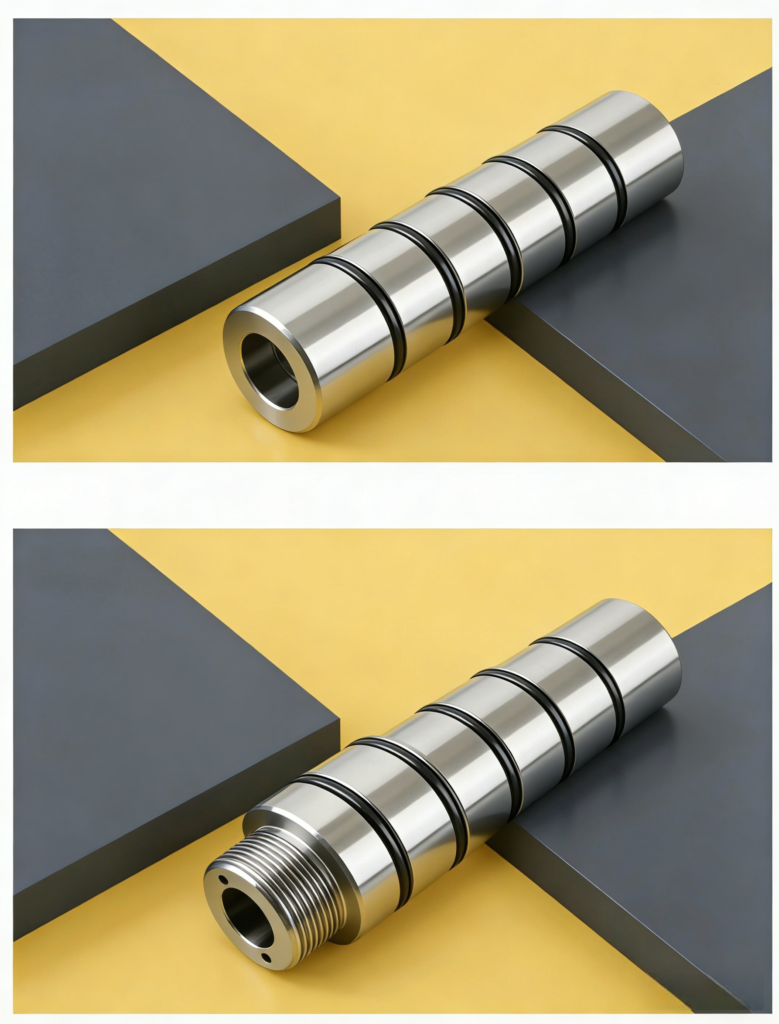
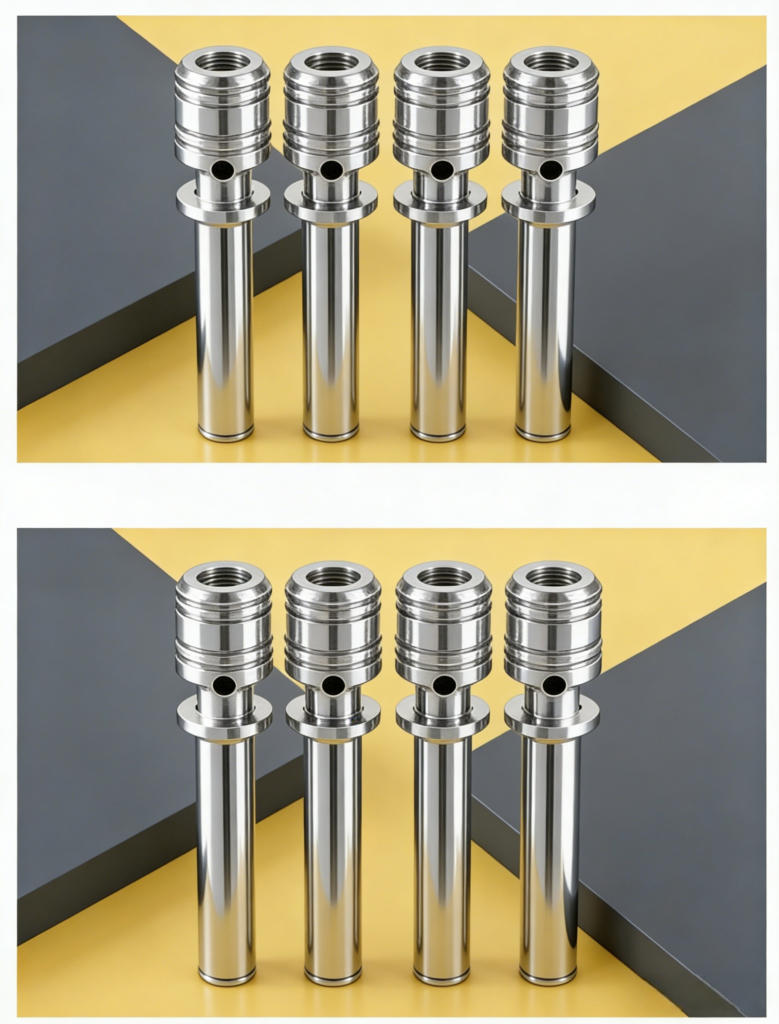
A hydraulic spool valve is a directional control valve that uses a cylindrical spool sliding within a precisely machined housing to open, close, or redirect fluid flow paths. The spool features machined lands and grooves that align with ports in the valve body to control the direction of hydraulic fluid to actuators such as cylinders or motors.
When the spool is shifted mechanically, electrically, or hydraulically, it creates different flow paths, allowing the operator to control the start, stop, and direction of hydraulic actuators. This precise control makes spool valves the backbone of modern hydraulic systems across countless industries.
The spool is typically manufactured from hardened steel with precision ground surfaces to achieve tight clearances within the valve body, typically measured in microns. This close fit minimizes internal leakage while maintaining smooth sliding motion.
How Hydraulic Spool Valves Work:
The fundamental operating principle of a hydraulic spool valve is based on the alignment of spool lands and grooves with the valve body ports:
Neutral Position: In the neutral or center position, the spool blocks all flow paths or directs fluid to tank, depending on the valve design. The actuator remains stationary with no fluid flow.
Shifted Position: When the spool is shifted to one side, the grooves align with specific ports, allowing pressurized fluid to flow from the pump port to the actuator port while simultaneously connecting the opposite actuator port to the tank return path. This causes the actuator to extend or rotate in one direction.
Opposite Shifted Position: Shifting the spool in the opposite direction reverses the flow paths, causing the actuator to move in the reverse direction.
The number of positions (typically 2 or 3) and the number of ways (flow paths, typically 2, 3, or 4) determine the valve’s functionality. Common configurations include 2/2 way, 3/2 way, and 4/3 way valves.
Types of Hydraulic Spool Valves:
Hydraulic spool valves are classified by several characteristics:
By Number of Positions:
- 2 Position Valves: Shift between two states, typically used for on-off control
- 3 Position Valves: Include a neutral center position with various center configurations (open center, closed center, tandem center, float center)
By Number of Ways:
- 2 Way Valves: Two ports, used for simple on-off flow control
- 3 Way Valves: Three ports, commonly used for single-acting cylinders
- 4 Way Valves: Four ports, the most common type for double-acting cylinders and motors
By Actuation Method:
- Manual: Lever, knob, pedal, or handwheel operated
- Solenoid Operated: Electrically actuated for remote or automated control
- Hydraulic Pilot Operated: Hydraulic pressure shifts the spool for high flow applications
- Proportional: Provides variable flow proportional to input signal
- Servo: High precision closed loop control
By Mounting Type:
- Subplate Mounted: Valve mounts on a machined subplate for easy replacement
- Cartridge: Threaded or slip-in cartridge valves for compact installations
- Monoblock: Multiple valve sections in a single housing
- Sectional: Modular sections that can be stacked to add functions
Construction and Materials Hydraulic Spool Valve:
High quality hydraulic spool valves are manufactured with precision and durability in mind:
Spool Material: The spool is typically machined from hardened steel such as 52100 bearing steel or case hardened 8620 alloy steel. Hardness typically ranges from 58 to 62 HRC to resist wear and maintain dimensional stability.
Valve Body: Bodies are commonly manufactured from cast iron, ductile iron, or aluminum for strength and corrosion resistance. High pressure applications may use steel bodies.
Precision Grinding: The spool and valve body bore are precision ground to achieve clearances typically between 3 to 10 microns. This close fit minimizes internal leakage while maintaining smooth operation.
Surface Treatments: Hard chrome plating, nitriding, or other surface treatments enhance wear resistance and corrosion protection.
Seals: High performance seals such as nitrile rubber, polyurethane, or PTFE ensure leak-free operation across temperature extremes.
Key Advantages of Hydraulic Spool Valves:
Hydraulic spool valves offer numerous benefits that make them the preferred choice for fluid power control:
Precise Flow Control: The precision fit between spool and body allows for accurate metering of fluid flow, enabling smooth, controlled actuator movement.
Low Internal Leakage: Tight clearances and precision ground surfaces minimize leakage across the spool, improving system efficiency and reducing energy waste.
High Pressure Capability: Well designed spool valves can operate at pressures up to 350 bar (5000 psi) or higher, suitable for demanding hydraulic applications.
Fast Response: The direct sliding action of the spool provides rapid shifting, enabling quick actuator response and precise positioning.
Versatile Configurations: Available in numerous configurations including various port sizes, actuation methods, and center positions to suit virtually any application.
Durability and Long Life: Hardened spools and quality materials provide long service life even under demanding conditions with proper maintenance.
Modular Design: Sectional and cartridge valves allow flexible system design and easy expansion.
Key Applications Across Industries:
Hydraulic spool valves are essential components across a vast range of industries:
Construction Equipment: Excavators, loaders, bulldozers, cranes, and backhoes rely on spool valves to control boom, arm, bucket, and swing functions.
Agricultural Machinery: Tractors, harvesters, sprayers, and balers use spool valves for implement control, steering, and auxiliary functions.
Material Handling: Forklifts, aerial lifts, and pallet jacks utilize spool valves for lift, tilt, and steering control.
Industrial Machinery: Presses, injection molding machines, machine tools, and material handling equipment depend on precise spool valve control.
Mobile Equipment: Concrete pumps, refuse trucks, fire trucks, and snowplows incorporate spool valves for various hydraulic functions.
Marine and Offshore: Deck machinery, steering systems, and stabilizers utilize corrosion resistant spool valves.
Aerospace: Aircraft hydraulic systems use high reliability spool valves for landing gear, flight controls, and braking.
How to Select the Right Hydraulic Spool Valve:
Choosing the optimal hydraulic spool valve for your application requires careful consideration of several factors:
Flow Rating: Select a valve with adequate flow capacity for your system. Undersized valves cause pressure drop and heat generation; oversized valves may be less responsive.
Pressure Rating: Ensure the valve pressure rating matches or exceeds the maximum system pressure. Consider peak pressures and pressure spikes.
Port Size: Select port sizes compatible with system piping or hoses. Common sizes include SAE, BSPP, and NPT threads.
Actuation Type: Choose manual, solenoid, or pilot actuation based on control requirements, accessibility, and automation needs.
Spool Configuration: Select the appropriate number of positions and ways based on actuator type and control requirements.
Center Position Type:
For 3 position valves, select the appropriate center configuration:
- Open Center: Pump flow returns to tank in neutral, suitable for constant pump systems
- Closed Center: All ports blocked in neutral, suitable for variable displacement pumps
- Tandem Center: Pump port to tank, actuator ports blocked
- Float Center: Both actuator ports to tank, allowing free movement
Mounting Type: Consider subplate, cartridge, or sectional mounting based on system layout and maintenance requirements.
Installation and Best Practices:
Proper installation is critical for optimal valve performance and longevity:
Cleanliness: Hydraulic systems must be clean. Contamination is the leading cause of spool valve failure. Flush system thoroughly before valve installation.
Proper Torque: Follow manufacturer specifications for mounting bolt torque to avoid distortion of the valve body.
Alignment: Ensure proper alignment of subplate or manifold to prevent binding of spool or damage to mounting hardware.
Correct Fluid: Use hydraulic fluid meeting manufacturer viscosity and additive requirements.
Filter Maintenance: Maintain filtration at recommended levels, typically 10 to 25 microns for most systems.
Common Troubleshooting:
Spool Sticking: Causes include contamination, damaged seals, or valve body distortion. Clean system and replace damaged components.
Excessive Leakage: Worn spool or bore, contamination, or incorrect clearance. Replace valve or rebuild with new spool.
Slow Response: Insufficient pilot pressure, contamination, or worn components. Verify pilot pressure and clean system.
Erratic Operation: Air in system, contamination, or electrical issues for solenoid valves. Bleed air and inspect electrical connections.
Maintenance and Service Life:
Regular maintenance extends valve service life:
Inspect for Leakage: Periodically check external leakage at seals and mounting interfaces.
Monitor Fluid Condition: Regular fluid analysis identifies contamination, degradation, or water ingress.
Test Valve Operation: Verify smooth shifting and proper actuator response.
Replace Worn Components: Rebuild valves with genuine replacement spools, seals, and springs when wear is detected.
Industry Trends and Innovations:
The hydraulic spool valve market continues to evolve:
Electrohydraulic Integration: Proportional and servo valves with integrated electronics enable precise closed loop control and connectivity with industrial networks.
Compact Design: Cartridge valves and miniaturization allow more functions in smaller packages.
Digital Control: CAN bus and IO Link connectivity enable remote monitoring, diagnostics, and predictive maintenance.
Energy Efficiency: Optimized spool designs reduce pressure drop and energy consumption.
Smart Valves: Embedded sensors provide real-time feedback on position, pressure, and temperature.
Conclusion:
The hydraulic spool valve is a fundamental component in modern fluid power systems, providing precise, reliable control of hydraulic fluid direction and flow. From heavy construction equipment to precision industrial machinery, these valves enable the smooth, efficient operation that modern applications demand. By understanding the various types, selection criteria, and best practices outlined in this guide, engineers and maintenance professionals can optimize system performance, reduce downtime, and extend equipment life.