
Ultimate Precision Weld Neck Flanges 1 Micron Surface Finish Zero Tolerance Engineering Perfect Fit
Request a Quote
Enter the quantity you need and add to your quote list for pricing inquiries.
Product Details
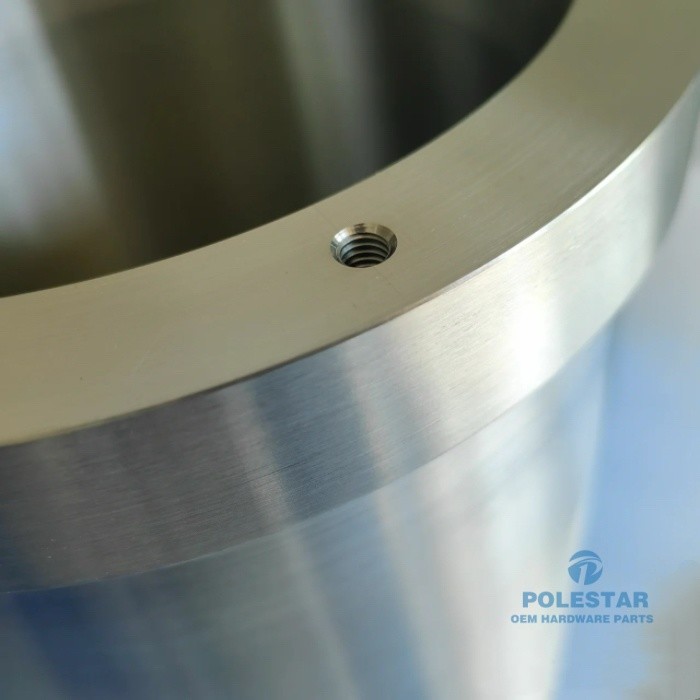
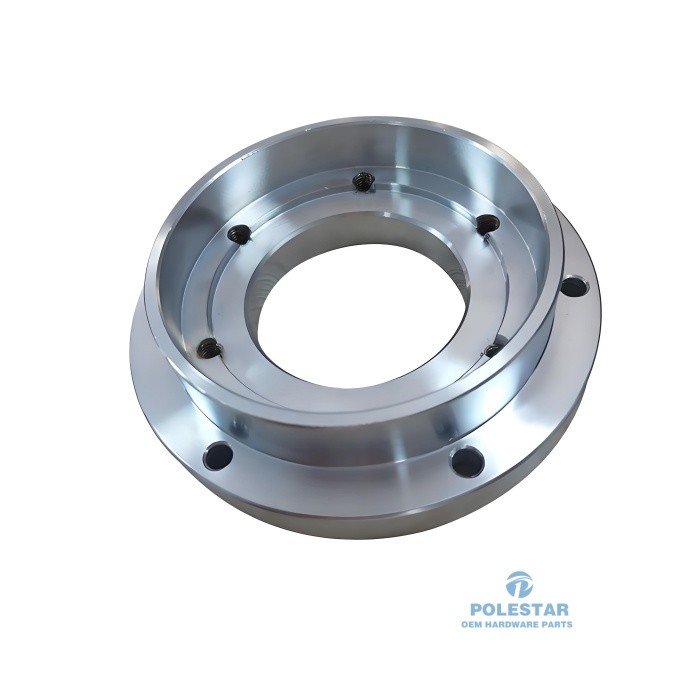
Weld Neck Flanges are precision-engineered components designed for high-pressure and high-temperature applications. Featuring a long tapered hub, they provide exceptional strength, stress distribution, and leak-proof reliability. Ideal for critical industries such as oil and gas, petrochemical, and power generation, these flanges ensure superior weld integrity and long-term performance.
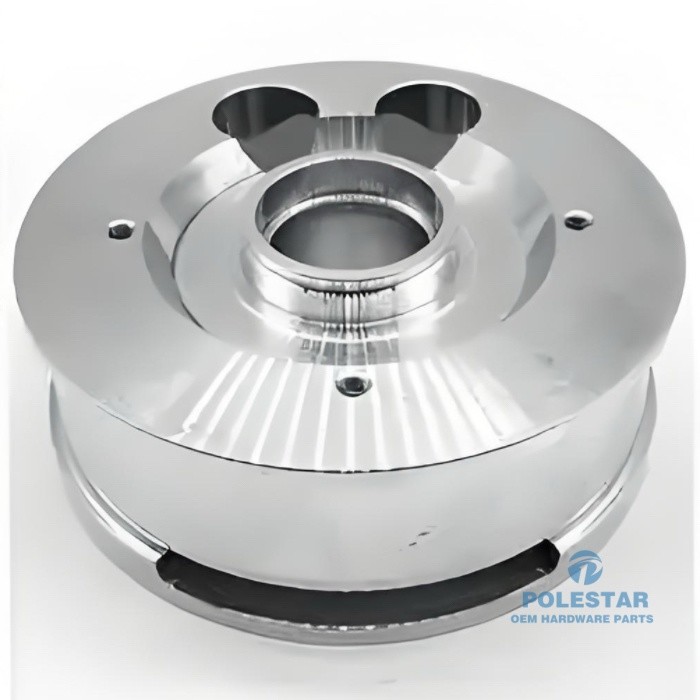
What Are Weld Neck Flanges?
Weld neck flanges are a type of pipe flange characterized by a long, tapered hub that extends gradually from the flange base to the pipe wall. This distinctive design serves a critical engineering purpose: it distributes mechanical stress evenly across the joint, significantly reducing stress concentration at the weld point. Unlike slip-on or threaded flanges, weld neck flanges are joined to the pipe through a full penetration butt weld, creating a permanent, monolithic connection that can withstand extreme pressures, thermal cycling, and mechanical vibration.
The tapered hub also ensures that the flange bore matches the pipe bore when properly aligned, resulting in smooth flow characteristics with minimal turbulence, pressure drop, or erosion. This makes weld neck flanges the preferred choice for applications where flow efficiency and system integrity are paramount.
Why Choose Weld Neck Flanges Over Other Flange Types?
Superior Strength and Stress Distribution:
The long tapered hub of weld neck flanges provides a gradual transition of stress from the flange to the pipe. This eliminates the sharp stress concentration points common in other flange designs, making weld neck flanges ideal for cyclic loading, thermal expansion, and high-pressure applications.
Leak-Proof Reliability:
The full penetration butt weld used to attach weld neck flanges creates a permanent, continuous connection. This weld joint is fully inspectable via radiography and ultrasound, ensuring the highest level of integrity and virtually eliminating the risk of leakage.
High-Pressure and High-Temperature Capability:
Weld neck flanges are available in pressure classes from Class 150 to Class 2500, making them suitable for the most demanding service conditions. When combined with appropriate materials such as alloy steel or stainless steel, they excel in high-temperature environments exceeding 1000°F.
Smooth Flow Characteristics:
Because the bore of a weld neck flange matches the bore of the pipe, there is no internal obstruction or sudden change in diameter. This reduces fluid turbulence, minimizes erosion, and prevents debris accumulation.
Full Inspectability:
The butt weld joint used with weld neck flanges allows for comprehensive non-destructive testing. This ensures that every connection meets rigorous quality standards before being placed into service.
Materials – Selecting the Right Weld Neck Flange for Your Environment:
The performance and longevity of weld neck flanges depend heavily on proper material selection. Below are the most common material categories and their typical applications.
Carbon Steel Weld Neck Flanges:
- Standards: ASTM A105, A350 LF2
- Applications: General industrial piping, oil and gas transmission, water treatment, moderate temperature services
- Advantages: Cost-effective, readily available, good mechanical properties
Stainless Steel Weld Neck Flanges:
- Standards: ASTM A182 F304, F304L, F316, F316L, F321, F347
- Applications: Chemical processing, food and beverage, pharmaceutical, marine environments
- Advantages: Excellent corrosion resistance, hygienic surfaces, wide temperature range
Alloy Steel Weld Neck Flanges:
- Standards: ASTM A182 F5, F9, F11, F22, F91
- Applications: Power generation, refineries, high-temperature process piping
- Advantages: High-temperature strength, creep resistance, oxidation resistance
Duplex and Super Duplex Weld Neck Flanges:
- Standards: ASTM A182 F51, F53, F55
- Applications: Offshore platforms, seawater systems, chemical processing
- Advantages: High strength, exceptional chloride corrosion resistance
Nickel Alloy Weld Neck Flanges:
- Standards: Inconel 600, 625, Monel 400, Hastelloy C276
- Applications: Highly corrosive environments, aerospace, pharmaceutical
- Advantages: Unmatched corrosion resistance, extreme temperature capability
Surface Finishes – Enhancing Performance and Longevity:
Surface treatment of weld neck flanges plays a crucial role in corrosion protection, sealing effectiveness, and service life.
| Finish Type | Description | Best Application |
|---|---|---|
| Oil Coating | Temporary rust prevention | Carbon steel flanges during storage |
| Zinc Plating | Thin protective layer | Indoor and mild atmospheric conditions |
| Hot Dip Galvanizing | Thick zinc coating | Outdoor, marine, high-humidity environments |
| Epoxy Coating | Chemical-resistant barrier | Chemical plants, water treatment |
| PTFE Coating | Non-stick, inert surface | Corrosive fluids, high-purity systems |
| Passivation | Oxide layer enhancement | Stainless steel corrosion resistance |
| Electropolishing | Smooth, bright finish | Pharmaceutical, food, sanitary applications |
Specifications – Understanding Standards and Ratings:
When sourcing weld neck flanges, adherence to established standards ensures compatibility, safety, and reliability.
Dimensional Standards:
- ASME B16.5 – Covers sizes 1/2″ to 24″
- ASME B16.47 Series A & B – Covers sizes 26″ to 60″
- EN 1092-1 – European standard
- JIS B2220 – Japanese standard
- DIN, GOST – Other regional standards
Pressure Classes:
- Class 150, 300, 600, 900, 1500, 2500 – Higher classes indicate thicker flanges capable of higher pressure ratings
Size Range:
- 1/2 inch to 60 inches (DN15 to DN1500) – Custom sizes available upon request
Wall Thickness Schedules:
- Schedule 10S through Schedule 160, XXS – Must match the pipe schedule for proper fit
Facing Types:
- Raised Face (RF) – Most common, concentrates gasket pressure
- Flat Face (FF) – Used with flat-faced equipment
- Ring Type Joint (RTJ) – Metal gasket seal for extreme pressures
Application Areas – Where Weld Neck Flanges Excel:
Weld neck flanges are specified across a wide range of industries where safety, reliability, and performance are non-negotiable.
Oil and Gas Industry: From offshore platforms to downstream refineries, weld neck flanges are used in high-pressure pipelines, wellhead connections, and processing equipment. Their ability to withstand corrosive hydrocarbons, extreme pressures, and temperature fluctuations makes them indispensable.
Petrochemical and Chemical Processing: Reactors, distillation columns, and process piping systems rely on weld neck flanges to handle aggressive chemicals, high temperatures, and hazardous materials safely.
Power Generation: Thermal power plants, nuclear facilities, and combined cycle plants use weld neck flanges in main steam lines, feedwater systems, and cooling circuits. High-temperature alloys and heavy-wall designs are common.
Pharmaceutical and Biotechnology: Sanitary weld neck flanges with electropolished finishes ensure product purity, cleanability, and compliance with strict regulatory standards.
Marine and Shipbuilding: Seawater systems, fuel lines, and firefighting systems on vessels and offshore installations utilize corrosion-resistant weld neck flanges in copper nickel or duplex stainless steel.
Water and Wastewater Treatment: High-pressure water transmission, desalination plants, and treatment facilities depend on weld neck flanges for reliable, leak-proof connections.
Polestar Excellent Case – Offshore Platform Success Story:
A leading offshore oil operator operating in the North Sea faced persistent reliability issues with flange connections in their hydrocarbon processing system. Operating conditions included sub-zero temperatures, high-pressure hydrocarbon flow, and constant vibration from platform operations. Traditional flange types exhibited stress fatigue cracking at weld points after approximately 18 months of service, leading to costly unplanned shutdowns and safety concerns.
The operator conducted a comprehensive engineering review and decided to standardize on weld neck flanges manufactured from ASTM A182 F316L stainless steel with Ring Type Joint (RTJ) facing. The long tapered hub design eliminated stress concentration at the weld joint, while the 316L material provided superior resistance to chloride-induced corrosion from seawater exposure. RTJ facing ensured a metal-to-metal seal capable of withstanding thermal cycling and vibration without loosening.
After installation, the system underwent rigorous non-destructive testing including radiographic inspection of all butt welds. Five years of continuous operation followed with zero leakage incidents and no flange-related maintenance requirements. The operator reported a 40% reduction in flange-related maintenance costs and standardized weld neck flanges across all new platform installations. The success of this implementation led to the adoption of weld neck flanges as the corporate standard for all critical service applications.
How to Select the Right Weld Neck Flange Supplier?
Choosing a reliable supplier for weld neck flanges is as important as selecting the right flange specification. Consider the following factors:
Quality Certifications: Look for suppliers with ISO 9001 certification and material traceability systems. Compliance with international standards such as ASME, ASTM, and EN ensures product quality.
Testing Capabilities: Reputable suppliers provide non-destructive testing services including radiography, ultrasonic testing, and positive material identification (PMI).
Inventory and Lead Times: Suppliers with extensive stock of weld neck flanges in common materials and sizes can reduce project lead times significantly.
Custom Manufacturing Capabilities: For specialized applications, suppliers offering custom sizes, materials, and finishes provide valuable flexibility.
Technical Support: Experienced suppliers offer engineering support to help with material selection, specification interpretation, and installation guidance.