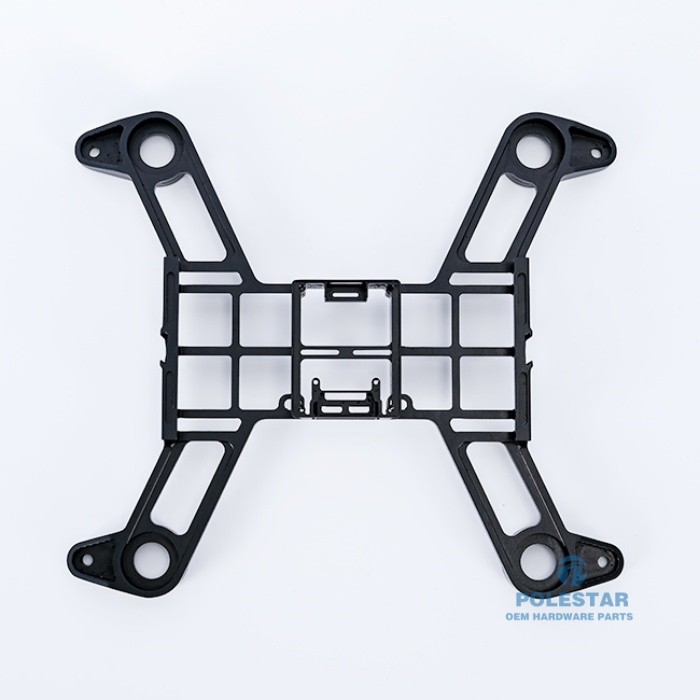
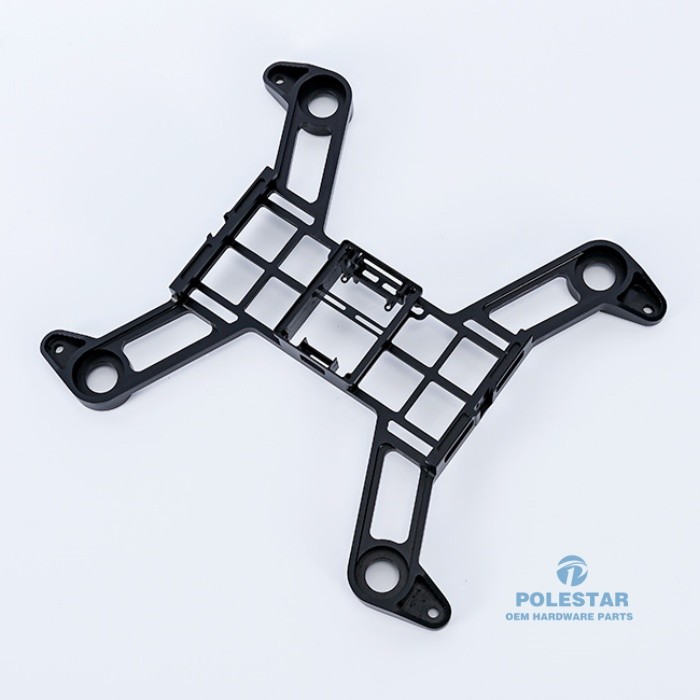
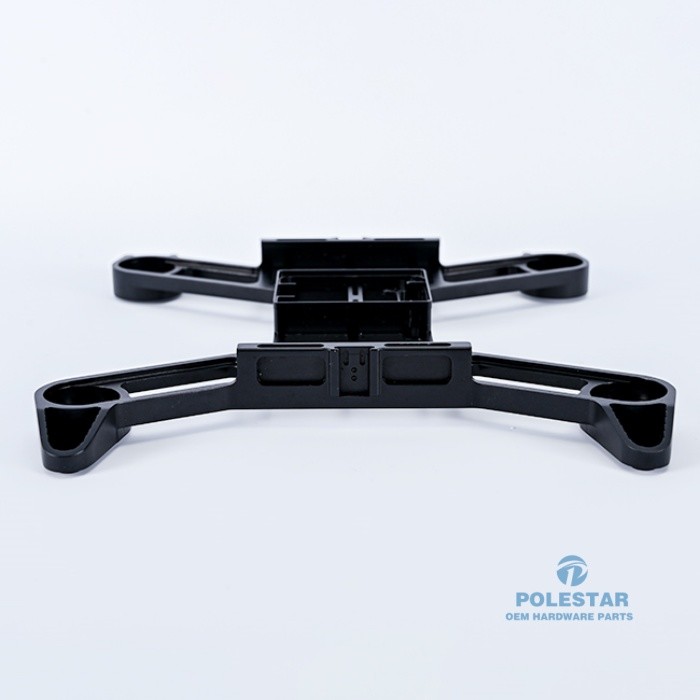
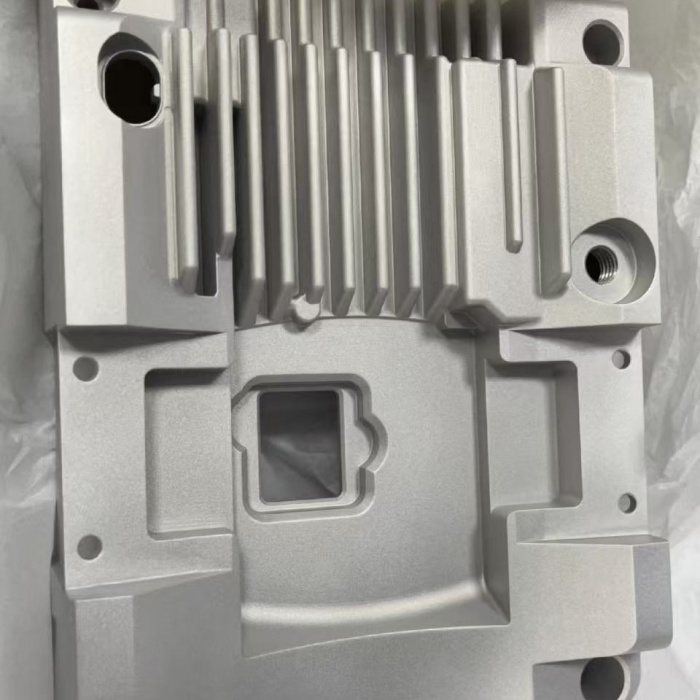
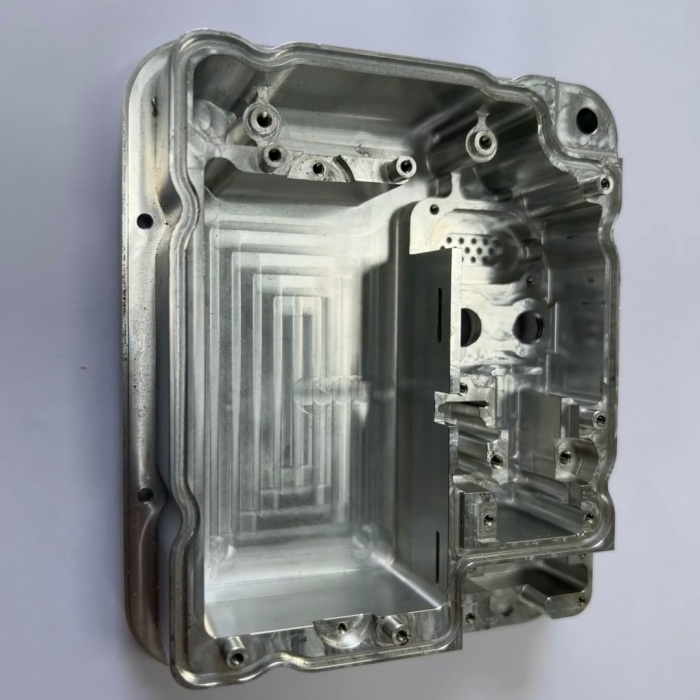
High Precision Beautiful UAV Enclosure OEM Custom CNC Machining Parts
Request a Quote
Enter the quantity you need and add to your quote list for pricing inquiries.
Product Details
UAV enclosures are lightweight protective housings for drone electronics, including flight controllers, GPS modules, cameras, and batteries. They shield sensitive components from dust, moisture, and impact while minimizing weight. Typical materials include carbon fiber, aluminum, and engineered plastics.
What is a UAV Enclosure?
A UAV (Unmanned Aerial Vehicle) enclosure is a protective housing designed to mount and shield electronic components on drones. Unlike industrial enclosures, UAV enclosures prioritize extreme lightweight construction, aerodynamic profiles, and vibration damping. They house flight controllers (FC), power distribution boards (PDB), electronic speed controllers (ESC), GPS receivers, telemetry radios, cameras, and batteries.
Key requirements include weight minimization (typically 5-50 grams for small UAVs), structural rigidity to prevent flex during maneuvering, electromagnetic interference (EMI) shielding for sensitive RF components, and environmental protection ranging from IP00 (open frame) to IP54 (dust/splash resistant). Materials include carbon fiber (highest stiffness-to-weight ratio), 6061 aluminum (machined for precision fit), polycarbonate (impact-resistant for crash protection), and nylon or ABS (cost-effective for consumer drones). UAV enclosures are often designed with cooling vents, cable pass-throughs, and mounting patterns (30.5 x 30.5 mm standard “stack” for flight controllers).
Material Specifications of UAV Enclosures:
- Carbon Fiber (3K/6K Twill or Plain Weave): Highest stiffness-to-weight ratio; density 1.6 g/cm³ (80% lighter than aluminum); tensile strength 3,500 MPa; excellent vibration damping; EMI shielding properties. Used for structural frames and enclosure lids. Requires conductive grounding for electronics.
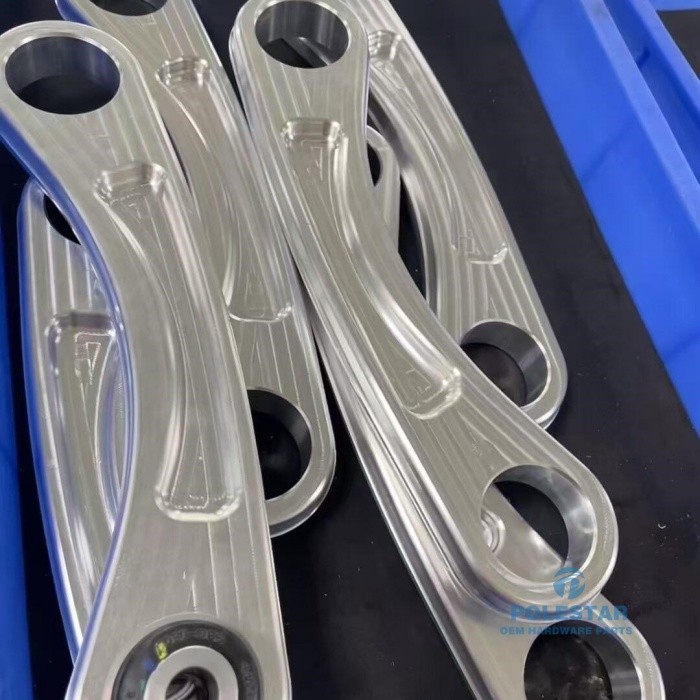
- Aluminum (6061-T6): Density 2.70 g/cm³; machined enclosures for precision component fit; good thermal conductivity (167 W/m·K) for heat dissipation; EMI shielding. Heavier than carbon fiber but lower cost for small volumes. Typically anodized.
- Polycarbonate (PC): Density 1.2 g/cm³; impact-resistant (50× tougher than ABS); transparent options for component visibility; good for crash-prone applications. Lower stiffness than carbon fiber; prone to scratching.
- Nylon (PA12/PA6): Density 1.01-1.15 g/cm³; flexible; vibration-damping; chemically resistant; often 3D-printed or injection molded. Lower strength and stiffness than carbon/aluminum.
- ABS (Acrylonitrile Butadiene Styrene): Density 1.04 g/cm³; low-cost; impact-resistant; easily 3D-printed. Lower temperature resistance (softens at 90°C) – unsuitable for high-power electronics.
- Magnesium Alloy (AZ91D): Density 1.81 g/cm³ (33% lighter than aluminum); high strength; EMI shielding; used in premium UAVs. Higher cost; corrosion-prone without coating.
- PEEK (Polyether Ether Ketone): Density 1.32 g/cm³; high-temperature resistance (260°C continuous); chemical resistance; strength comparable to aluminum. Expensive; used in military/industrial UAVs.
Surface Finishes:
| Finish | Material | Thickness | Key Benefits |
| Anodizing (Type II) | Aluminum | 5-25 µm | Clear or colored; corrosion protection; non-conductive finish |
| Anodizing (Type III Hardcoat) | Aluminum | 25-75 µm | Wear resistance; hardness 70 HRC; for high-wear surfaces |
| Conductive Anodize (Chromate) | Aluminum | 5-15 µm | Maintains electrical conductivity; EMI grounding |
| Powder Coating | Aluminum | 60-120 µm | Durable; color options; heavier than anodizing |
| UV-Resistant Clear Coat | Carbon Fiber | 25-50 µm | Prevents epoxy yellowing from UV exposure |
| Electroless Nickel | Aluminum | 5-25 µm | EMI shielding; uniform coating; wear resistance |
| As-Molded | Plastic | N/A | Matte or textured; standard for 3D printed parts |
| Vapor Smoothing (ABS/Nylon) | Plastic | N/A | Chemical smoothing; glossy finish; improved layer adhesion |
Applications:
- Racing & FPV Drones: Open-frame enclosures for flight controller and ESC stacks. Carbon fiber or aluminum plates with nylon standoffs. Weight-critical: UAV enclosures under 10 grams. Minimal environmental protection (IP00).
- Commercial Surveying & Mapping: UAV enclosures for GPS, IMU, and survey-grade cameras. Weather-resistant (IP54) with sun shields for sensor thermal stability. Aluminum or carbon fiber with anodized finish. Payloads 500g-5kg.
- Agricultural Spraying: Fully sealed enclosures for flight computers and flow controllers. Chemical-resistant (exposure to fertilizers/pesticides). IP67 rating (submersible) for washdown. 316 stainless hardware; polycarbonate or aluminum with electroless nickel.
- Military & Tactical: Ruggedized UAV enclosures for classified electronics, jamming payloads, and surveillance gear. MIL-STD-810 shock/vibration; IP67. Hard-anodized aluminum or carbon fiber with conductive coatings for EMI security.
- Delivery & Logistics: UAV enclosures for autopilots and redundant flight systems. Fire-retardant materials; temperature management for high-current components (50A+). Aluminum with thermal pads and ventilation.
- Inspection (Industrial): UAV enclosures for thermal cameras, ultrasonic sensors, and gas detectors. Non-magnetic materials (aluminum/plastic) for sensor compatibility. Weather-sealed (IP65). Quick-change mounts for sensor swapping.
- Underwater ROV (Tethered Drones): Pressure-rated UAV enclosures for depths 50-300m. Aluminum or titanium with O-ring seals (IP68). Corrosion-resistant hardcoat anodizing or electroless nickel.
Best Practice Application Example:
Scenario: GPS interference and overheating in commercial surveying UAV.
A commercial surveying company experienced GPS signal dropouts (5-8 per 20-minute flight) and autopilot overheating warnings on their hexacopter during summer operations (ambient 35°C). The existing ABS plastic enclosure provided no EMI shielding, allowing radiated noise from power cables (50A current) to interfere with the GPS receiver (signal-to-noise ratio dropped from 40dB to 25dB). Internal temperature reached 72°C, exceeding the 65°C operating limit of the flight controller. The company conducted 150 survey flights annually, each dropout requiring repeat flights costing $450.
Selected Solution:
- UAV Enclosures: Two-piece CNC-machined 6061-T6 aluminum enclosure (70 x 70 x 25mm). Wall thickness 2.0mm. Internal compartmentalization: isolated GPS section (front), autopilot section (center), power distribution section (rear).
- Surface Finish: Type II clear anodize (15µm) for corrosion protection on exterior; interior surfaces unanodized for electrical conductivity to chassis ground.
- Thermal Management: Thermal transfer pads (3mm, 3.5 W/m·K) between FETs and enclosure floor. Exterior cooling fins (4mm height, 2mm pitch) on top surface.
- EMI Shielding: Conductive gasket (silicone with silver-plated aluminum filler, 50A) between enclosure halves, creating Faraday cage. GPS cable routed through ferrite bead (240Ω at 100MHz).
- Sealing: Silicone O-ring (1.5mm cross-section) for dust/moisture protection (IP54). Gore vent for pressure equalization.
- Mounting: Four M3 countersunk screws (stainless 304) through vibration-damping silicone grommets (50 durometer).
Results:
- GPS signal: SNR improved from 25dB to 42dB; zero dropouts over 200 test flights (previous: 5-8 per flight)
- Operating temperature: Internal temperature reduced from 72°C to 48°C at 35°C ambient (24°C reduction)
- Weight: 38g complete enclosure (vs. 22g original ABS) – 16g increase acceptable for 3kg UAV
- Mission success rate: Increased from 85% to 99.5% (one repeat flight per 200 vs. 30 per 200)
- Annual savings: 29 avoided repeat flights × $450 = $13,050 + $4,200 in prevented electronics replacement = $17,250
- Investment: $120 per enclosure × 3 UAVs = $360 (CNC machined, anodized, assembled)
- ROI: Achieved within 1 week of operation
Product Advantages:
- Weight optimization: Carbon fiber (1.6 g/cm³) and aluminum (2.70 g/cm³) structures; 5-50g typical for small UAVs
- EMI shielding: Aluminum and carbon fiber (with conductive grounding) block radiated noise from power systems
- Thermal management: Aluminum enclosures act as heat sinks (167 W/m·K); thermal pad interfaces transfer heat from FETs and regulators
- Environmental protection: IP54 to IP67 sealing for dust, rain, washdown, and submersion (ROV applications)
- Vibration damping: Carbon fiber attenuates high-frequency motor vibrations; silicone mounting grommets isolate sensitive electronics
- Precision fit: CNC-machined enclosures achieve ±0.05mm tolerances for component alignment and connector pass-throughs
- RF transparency: Polycarbonate and nylon sections for GPS/antenna windows (no signal attenuation)
Why Choose Us?
- 5-axis CNC machining for complex organic shapes (aerodynamic profiles)
- In-house anodizing (Type II/III) and electroless nickel plating
- Carbon fiber layup and curing for custom shapes (autoclave or oven-cured)
- 3D printing (FDM, SLS) for nylon and ABS prototypes – 3-day lead time
- EMI testing (radiated emissions/immunity) per MIL-STD-461
- Design for manufacturing (DFM) review for weight optimization and thermal performance