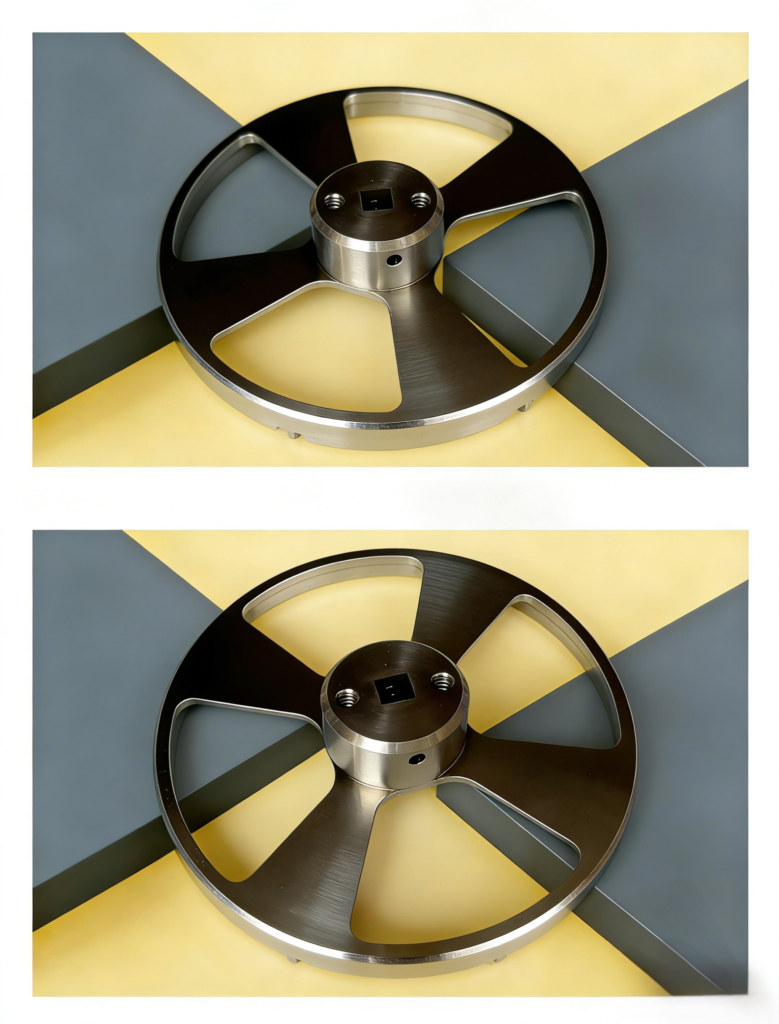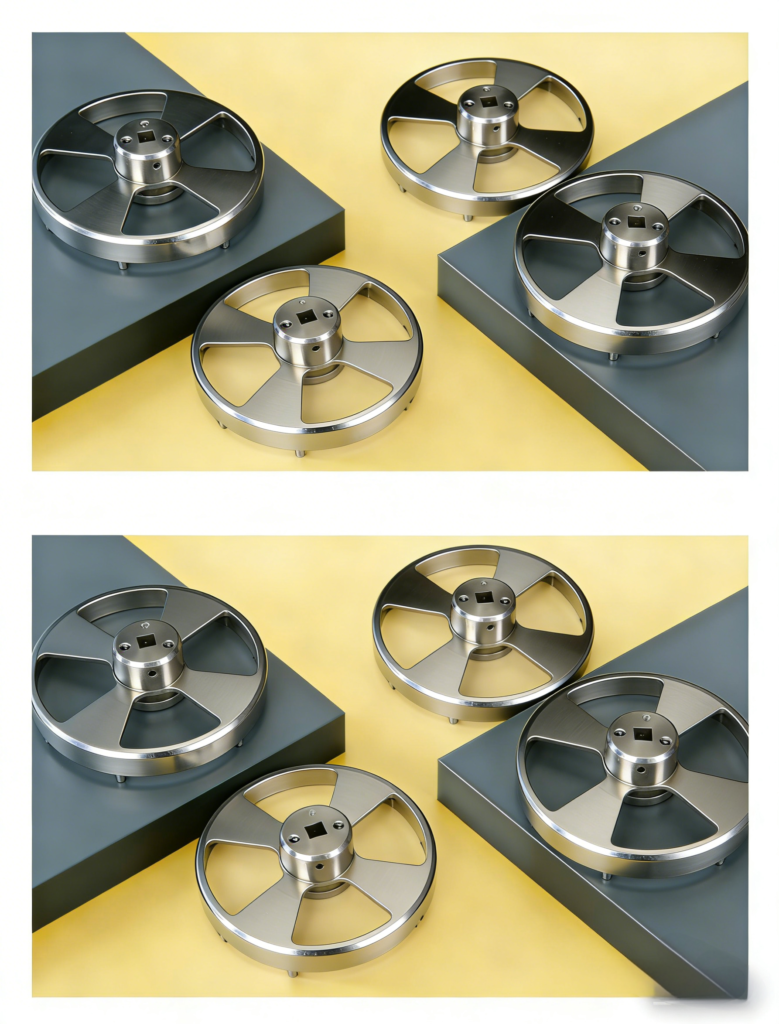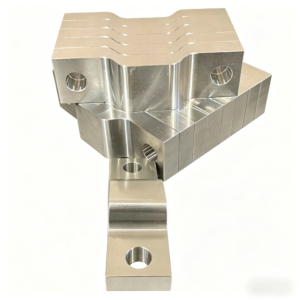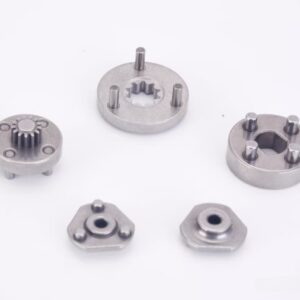
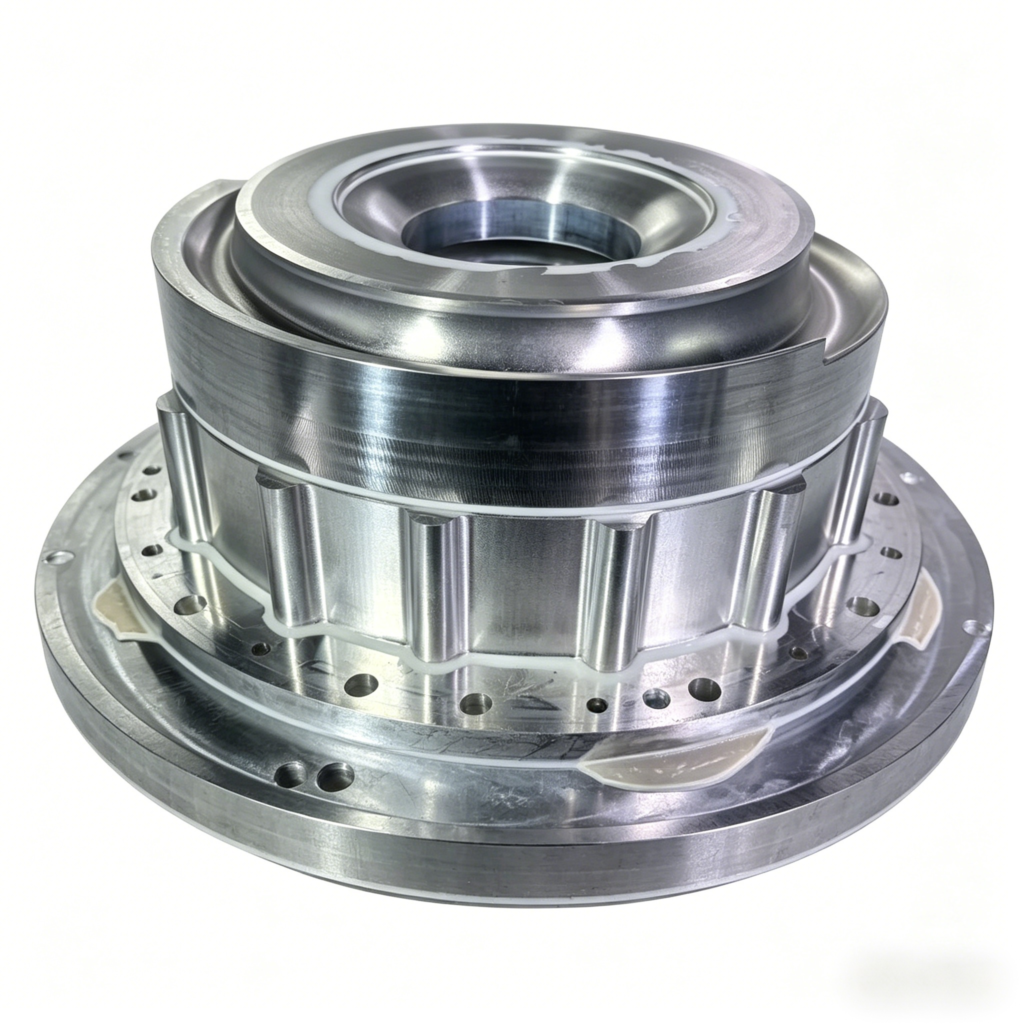
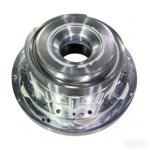
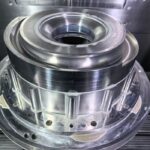
Custom Professional Transmission Component 2 Piece Design High Strength Steel Gearbox Part for Automotive Drivetrain
Request a Quote
Enter the quantity you need and add to your quote list for pricing inquiries.
Product Details
A transmission component is an individual part used in power transmission systems to transfer torque and motion from engines or motors to driven equipment. Common types include gears, shafts, housings, synchronizers, clutches, and bearings. Manufactured from alloy steel, carbon steel, ductile iron, and aluminum. Features precision tolerances of ±0.001 to ±0.005 inches and surface hardness up to 62 HRC. Suitable for automotive transmissions, industrial gearboxes, agricultural machinery, and wind turbine drives. Custom components available with specific materials, heat treatment, and machining requirements.
What Is a Transmission Component?
A transmission component is any individual part that makes up a power transmission system, responsible for transferring torque and rotational motion from a power source to driven equipment. These transmission components work together to control speed, torque, and direction of motion in vehicles, industrial machinery, and power generation equipment.
The transmission component category includes gears, shafts, housings, synchronizers, clutches, bearings, and seals. Typical characteristics include high strength requirements, precise dimensional tolerances of ±0.001 to ±0.005 inches, surface hardness of 58 to 62 HRC for wear-resistant parts, and materials selected for fatigue resistance under cyclic loading. Weight range for a typical transmission component varies from less than 100 grams for small synchronizer rings to over 50 kilograms for heavy-duty transmission housings.
Manufacturing Process:
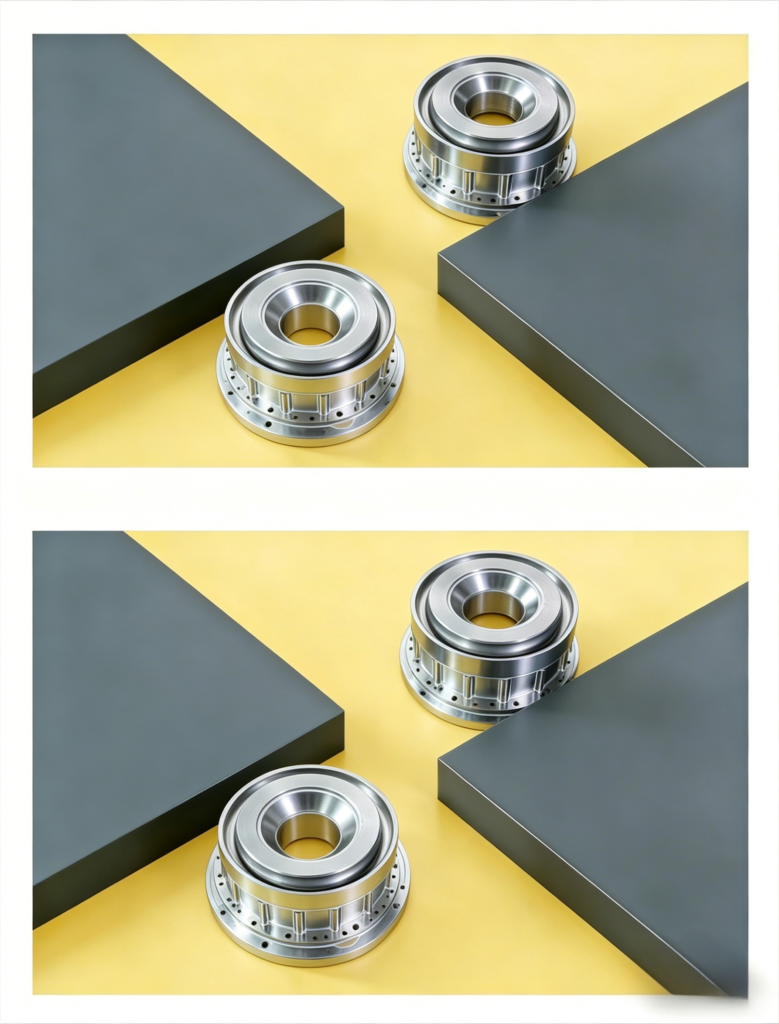
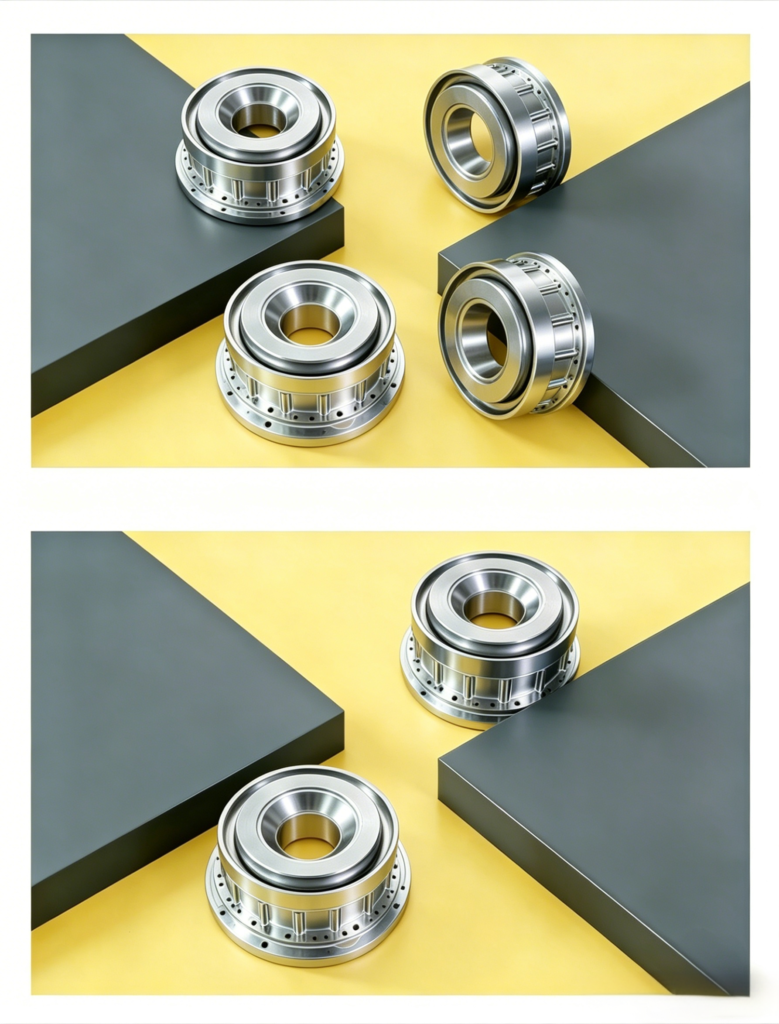
The production of a transmission component follows a precise sequence of operations. Raw material such as steel, aluminum, or ductile iron is selected based on application requirements. For gears and shafts, the material is forged to create near-net shapes with optimal grain structure. The component is then rough machined on CNC lathes and milling machines. Heat treatment including carburizing, nitriding, or induction hardening achieves surface hardness of 58 to 62 HRC while maintaining a tough core. Precision grinding and finishing operations achieve final dimensional tolerances. Each transmission component undergoes dimensional inspection, hardness testing, and magnetic particle or ultrasonic inspection for defects.
Common Materials for Transmission Component:
Alloy Steel such as 8620, 4320, or 9310 is widely used for gears and shafts. These materials offer excellent hardenability, high fatigue strength, and good wear resistance after carburizing. Ideal for automotive and industrial transmission components.
Carbon Steel like 1045 or 4140 provides good strength at lower cost. Suitable for less demanding applications such as low-speed gearboxes and agricultural equipment.
Ductile Iron offers excellent vibration damping and castability for transmission housings. Good strength-to-weight ratio and machinability. Commonly used for transmission cases and differential housings.
Aluminum Alloy such as A380 or A356 is lightweight and corrosion resistant. Used for transmission housings, synchronizer rings, and valve bodies where weight reduction is critical.
Stainless Steel grades 304 and 316 provide corrosion resistance for marine and food processing transmission components.
Types of Transmission Components:
Gears:
Gears are rotating transmission components with teeth that mesh to transmit torque. Types include spur gears, helical gears, bevel gears, worm gears, and planetary gears. Applications include automotive transmissions, industrial gearboxes, and differentials.
Shafts:
Shafts are cylindrical transmission components that support rotating parts and transmit torque. Input shafts, output shafts, countershafts, and drive shafts are common types. Applications include manual and automatic transmissions, transfer cases, and power take-off units.
Housings and Cases:
Housings are structural transmission components that enclose and protect internal parts. They maintain alignment of gears and shafts, contain lubricant, and provide mounting points. Applications include transmission cases, bell housings, and differential carriers.
Synchronizers:
Synchronizers are transmission components that match shaft speeds before gear engagement, preventing grinding and enabling smooth shifting. Applications include manual transmissions and automated manual transmissions.
Clutches and Brakes:
Clutches and brakes are transmission components that engage and disengage power flow. Friction plates, pressure plates, and bands are common types. Applications include automatic transmissions, torque converters, and power shift transmissions.
Bearings and Seals:
Bearings support rotating shafts within the transmission. Seals prevent lubricant leakage and contamination ingress. Applications include all transmission types.
Specifications:
Typical specifications for a transmission component include:
| Parameter | Typical Range |
| Material | Alloy steel, carbon steel, ductile iron, aluminum |
| Hardness | 58 to 62 HRC (gears and shafts) |
| Dimensional Tolerance | ±0.001 to ±0.005 inches |
| Surface Finish | Ra 0.4 to 1.6 μm |
| Operating Temperature | -40°C to +150°C |
| Load Capacity | Varies by component typ |
Applications Across Industries:
Automotive Industry:
Transmission components are essential in passenger cars, trucks, and SUVs. Applications include manual transmission gears and synchronizers, automatic transmission planetary gear sets and valve bodies, dual-clutch transmission shafts and forks, and transfer case chains and housings for four-wheel drive vehicles.
Industrial Machinery:
Transmission components are used in gearboxes for conveyors, mixers, pumps, and compressors. Heavy-duty gears and shafts handle continuous operation under high loads.
Agricultural Equipment:
Tractors, harvesters, and sprayers use transmission components designed for dusty, dirty environments. Applications include power take-off shafts, gearbox housings, and range shift components.
Construction and Mining:
Transmission components in bulldozers, excavators, and loaders must withstand shock loads and extreme conditions. Heavy-duty planetary gears, torque converter components, and clutch packs are common applications.
Marine and Offshore:
Corrosion-resistant transmission components are used in marine gearboxes and propulsion systems. Stainless steel shafts and aluminum housings resist saltwater corrosion.
Wind Energy:
Wind turbine gearboxes use precision transmission components including planetary gears, high-speed shafts, and main bearings designed for 20+ year service life.

Excellent Use Case: Heavy-Duty Truck Transmission Upgrade
Background:
A commercial truck manufacturer needed to improve the durability of a 10-speed manual transmission used in long-haul tractors. The original countershaft gears experienced premature wear and pitting after 300,000 miles, leading to warranty claims and customer dissatisfaction.
Solution:
A custom transmission component solution was developed. The countershaft gears were redesigned using 8620 alloy steel with deeper carburizing case depth of 1.5mm and improved surface finish of Ra 0.4 μm. The gear tooth profile was optimized for reduced contact stress.
Results:
- Service Life: Extended from 300,000 to 750,000 miles
- Wear Reduction: 60% reduction in gear pitting and surface fatigue
- Noise Reduction: 5 dB reduction in gear whine noise
- Warranty Claims: 70% reduction in transmission-related warranty claims
- Customer Satisfaction: Improved reliability ratings from fleet operators
This case demonstrates how engineered transmission components deliver extended service life and reliability in demanding heavy-duty applications.
How to Select the Right Transmission Component:
Choosing the appropriate transmission component requires careful consideration of several factors. Torque and power requirements determine gear size, material strength, and heat treatment needs. Operating speed affects gear tooth design, balancing requirements, and lubrication needs. Duty cycle influences material selection, with continuous operation demanding higher fatigue strength. Environmental conditions determine corrosion protection and seal requirements. Precision requirements specify dimensional tolerances and surface finish needs. Cost targets balance material grade, manufacturing method, and quality level.
Installation and Maintenance:
Proper installation ensures transmission component reliability. Clean all components thoroughly before assembly to remove contaminants that cause wear. Use proper assembly tools to avoid damaging precision surfaces. Apply correct lubricant type and quantity before operation. Follow manufacturer torque specifications for all fasteners. Inspect for proper clearance and preload during assembly.
Regular maintenance extends transmission component life. Change lubricant at recommended intervals to remove wear particles. Monitor oil pressure and temperature during operation. Listen for unusual noises indicating wear or damage. Inspect magnetic drain plugs for metal particles indicating internal wear. Perform vibration analysis on critical equipment to detect early component degradation.
Common Failure Modes:
Understanding potential failures helps with preventive maintenance. Tooth fatigue causes gear tooth breakage from cyclic loading exceeding material limits. Pitting and spalling create surface fatigue from contact stress, leading to progressive surface damage. Wear from insufficient lubrication or contamination gradually removes material from gear teeth and bearing surfaces. Bearing failure from overload or contamination causes shaft misalignment and secondary damage. Seal leakage allows lubricant loss and contamination ingress, accelerating all other failure modes.
Conclusion:
The transmission component represents the building block of every power transmission system, from automotive drivetrains to industrial gearboxes and wind turbine drives. By understanding the materials, types, and selection criteria outlined in this guide, the right transmission component can be specified for any application—from standard replacement parts to custom engineered solutions for demanding heavy-duty and high-performance applications.