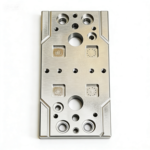
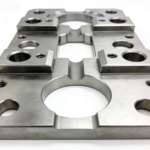
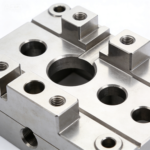
High Precision Tooling Plate 0.01mm Flatness Guaranteed Rigid Aluminum Construction Zero Deflection
Request a Quote
Enter the quantity you need and add to your quote list for pricing inquiries.
Product Details
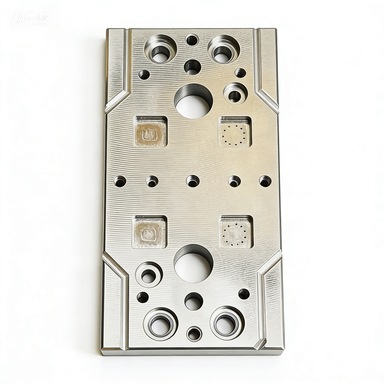
Precision ground tooling plate provides a rigid flat reference surface for accurate fixturing and workholding in machining and assembly operations. Manufactured from high strength aluminum or cast iron with superior flatness tolerance and surface finish. Available in multiple sizes and thickness options with pre drilled hole patterns for quick setup and repeatable positioning. Ideal for CNC machining inspection fixtures robotic workstations and industrial assembly lines where precision and stability are critical.
What Is a Tooling Plate?
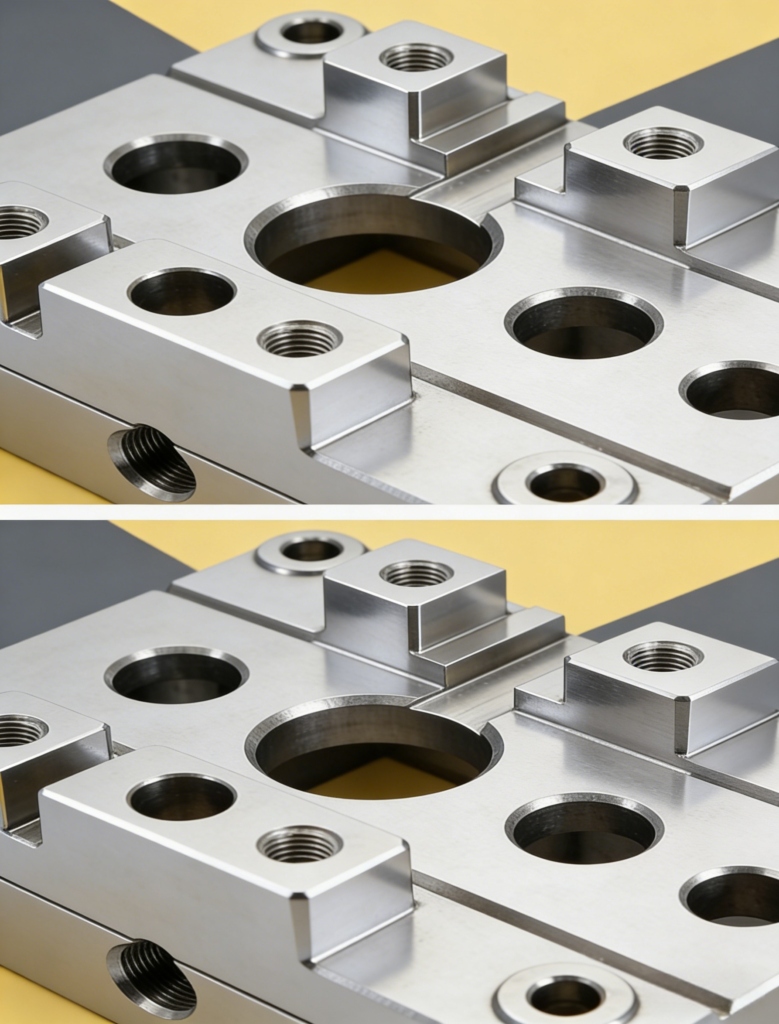
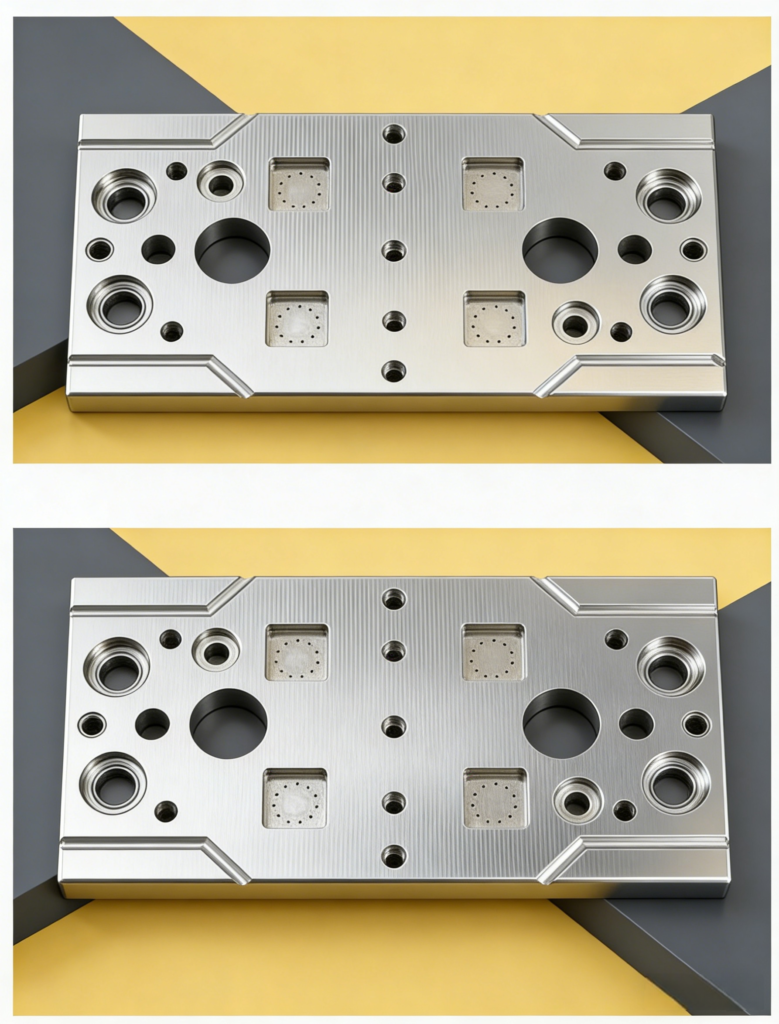
A tooling plate is a precision machined flat plate used as a reference surface for fixturing, workholding, and positioning in manufacturing, inspection, and assembly operations. Tooling plates provide a stable, repeatable foundation upon which fixtures, vises, clamps, and other workholding devices are mounted. They feature precisely located holes, typically threaded or reamed, arranged in grid patterns to accommodate modular fixturing components and enable quick, accurate setup changes.
Tooling plates are manufactured from materials such as aluminum, cast iron, or steel, with surfaces precision ground or machined to achieve exceptional flatness and surface finish. The combination of material stability, dimensional accuracy, and versatile hole patterns makes tooling plates indispensable in modern manufacturing environments.
Common Materials for Tooling Plates:
The choice of material for a tooling plate directly impacts its performance, durability, and suitability for specific applications:
Aluminum Tooling Plates:
Aluminum is the most widely used material for tooling plates due to its excellent strength-to-weight ratio, good machinability, and corrosion resistance. Common alloys include 6061-T6 and 7075-T6. Aluminum plates are lightweight, making them easy to handle and reposition, while still providing adequate rigidity for many machining and assembly applications. They are ideal for CNC machining centers, inspection fixtures, and robotic workstations where weight reduction is beneficial.
Cast Iron Tooling Plates:
Cast iron offers exceptional rigidity, vibration damping properties, and dimensional stability. Grey cast iron, such as ASTM A48 Class 30 or 40, is commonly used for high precision applications. Cast iron plates maintain flatness over time and resist deflection under heavy loads, making them the preferred choice for heavy-duty machining, surface plate applications, and long-term fixturing systems.
Steel Tooling Plates:
Steel provides the highest strength and wear resistance among common tooling plate materials. Carbon steel, tool steel, and stainless steel options are available depending on application requirements. Steel plates are ideal for applications involving high clamping forces, abrasive conditions, or where magnetic fixturing is desired. Stainless steel offers corrosion resistance for cleanroom or food processing environments.
Manufacturing Processes:
The precision of a tooling plate is achieved through carefully controlled manufacturing processes:
Precision Machining: Tooling plates are first rough machined to approximate dimensions using CNC milling machines. Material removal rates are optimized to minimize induced stress.
Stress Relieving: To ensure long term dimensional stability, plates undergo stress relieving processes such as thermal treatment or vibration stress relief. This step is critical for maintaining flatness over the life of the plate.
Surface Grinding: The top surface is precision ground to achieve exceptional flatness, typically within 0.05 mm per meter or better. High precision plates may achieve flatness tolerances of 0.01 mm or less.
Hole Drilling and Tapping: Holes are precisely drilled and tapped or reamed according to specified grid patterns. Common hole spacing includes 50 mm x 50 mm, 100 mm x 100 mm, or imperial equivalents such as 2 inch x 2 inch.
Surface Finishing: Depending on material and application, plates may receive surface treatments such as anodizing for aluminum, black oxide for steel, or precision scraping for cast iron reference surfaces.
Key Advantages of Tooling Plates:
Tooling plates offer numerous benefits that enhance manufacturing efficiency and quality:
Exceptional Flatness: Precision ground surfaces provide a true reference plane, ensuring that fixtured workpieces are accurately positioned relative to machine axes or inspection equipment.
Rigid Stability: High quality materials and robust construction provide the rigidity needed to resist deflection under clamping forces and machining loads.
Repeatable Positioning: Precisely located hole grids enable quick, repeatable setup changes. Fixtures can be removed and reinstalled with minimal repositioning time.
Modular Flexibility: Standardized hole patterns accommodate a wide range of modular fixturing components including clamps, stops, risers, vises, and locating pins.
Reduced Setup Time: Pre drilled hole patterns eliminate the need for custom drilling or tapping for each setup, significantly reducing changeover time.
Improved Accuracy: A stable, flat reference surface eliminates variables associated with irregular or non precision workholding surfaces.
Versatile Applications: Tooling plates serve multiple functions including CNC machining, inspection, assembly, welding, and robotic workholding.
Key Applications Across Industries:
Tooling plates are essential components across a wide range of industries:
CNC Machining: Tooling plates serve as machine tables, subplates, or fixture bases for milling, turning, and grinding operations. They enable quick changeover between jobs and provide accurate workpiece positioning.
Inspection and Metrology: Used as surface plates or fixture bases for coordinate measuring machines (CMM), optical comparators, and manual inspection stations. Flatness and stability are critical for accurate measurement.
Robotics and Automation: Tooling plates provide mounting surfaces for robotic workcells, end of arm tooling, and automated assembly stations. Precise hole patterns ensure repeatable positioning of components.
Assembly and Manufacturing: Assembly stations, workbenches, and manual fixturing operations utilize tooling plates for consistent workpiece positioning and modular tooling arrangements.
Welding and Fabrication: Tooling plates provide flat, stable surfaces for welding fixtures, reducing distortion and ensuring consistent part alignment.
Aerospace and Defense: High precision tooling plates are used in the manufacture of critical components where tight tolerances and repeatable setups are essential.
Automotive Manufacturing: Production lines and machining cells utilize tooling plates for quick changeover between different part variants.
Medical Device Manufacturing: Cleanroom compatible aluminum or stainless steel plates support precision machining and assembly of medical components.
How to Select the Right Tooling Plate:
Choosing the optimal tooling plate for your application requires careful consideration of several factors:
Material Selection:
Select material based on load requirements, environmental conditions, and weight considerations. Aluminum is suitable for lightweight applications, cast iron is ideal for maximum rigidity and vibration damping, and steel is preferred for high strength and magnetic fixturing applications.
Size and Thickness:
Determine the required plate dimensions based on workpiece size and available machine table space. Thickness should be sufficient to resist deflection under maximum loads. Typical thickness ranges from 12 mm to 50 mm or more depending on application requirements.
Flatness Tolerance:
Specify flatness tolerance based on application precision requirements. Standard plates typically offer 0.05 mm per meter flatness, while high-precision plates can achieve 0.01 mm per meter or better.
Hole Pattern Configuration:
Select hole spacing and thread sizes compatible with existing fixturing components. Common patterns include metric grids (50 mm, 100 mm) and imperial grids (2 inch, 4 inch). Standard thread sizes include M10, M12, 3/8-16, and 1/2-13.
Surface Finish:
Consider surface finish requirements for the application. Ground surfaces provide excellent flatness and smoothness, while anodized or coated surfaces offer additional corrosion protection and durability.
Mounting Features:
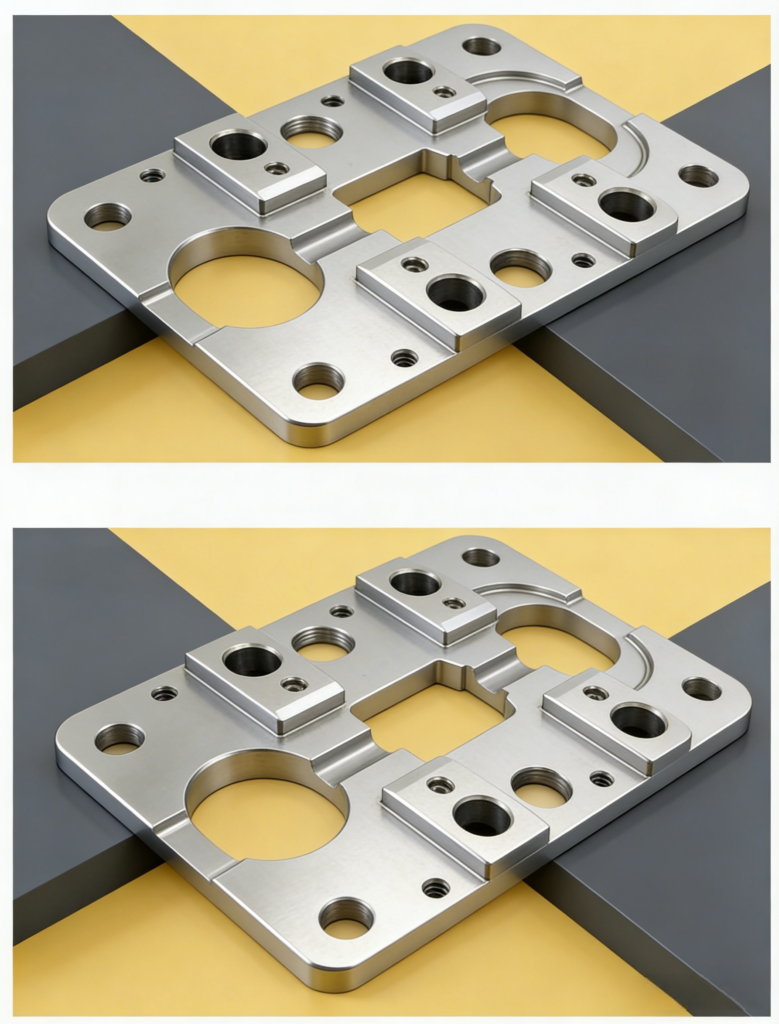
Determine whether the plate requires mounting holes, counterbores, or T-slots for secure attachment to machine tables or workstations.
Standard Hole Patterns:
Tooling plates feature standardized hole patterns that enable modular fixturing:
Metric Grid Patterns:
- 50 mm x 50 mm spacing with M10 or M12 threaded holes
- 100 mm x 100 mm spacing with M12 or M16 threaded holes
- 25 mm x 25 mm spacing for smaller plates and precision applications
Imperial Grid Patterns:
- 2 inch x 2 inch spacing with 3/8-16 or 1/2-13 threaded holes
- 4 inch x 4 inch spacing with 1/2-13 or 5/8-11 threaded holes
Hole Types:
- Threaded Holes: Accept standard bolts and fixturing components
- Reamed Holes: Precision holes for locating pins and dowels
- Counterbored Holes: For flush mounting of socket head cap screws
- T-Slots: For flexible clamping with T-nuts
Surface Treatments and Coatings:
Tooling plates can be enhanced with various surface treatments:
Anodizing (Aluminum): Provides corrosion resistance, improved wear resistance, and a durable finish. Type II anodizing offers decorative and protective properties; Type III hard anodizing provides enhanced wear resistance.
Black Oxide (Steel): Provides mild corrosion resistance and a uniform dark finish, reducing glare and improving appearance.
Precision Scraping (Cast Iron): Hand scraping creates an exceptionally flat, oil retaining surface ideal for reference applications.
Nickel or Chrome Plating: Provides hard, wear resistant surfaces with excellent corrosion protection.
Common Applications and Use Cases:
CNC Machine Subplates: Tooling plates mounted directly on CNC machine tables provide a sacrificial work surface that protects the machine table while enabling quick fixture changes.
Modular Fixturing Systems: Tooling plates serve as the foundation for modular fixturing kits, allowing rapid configuration of custom fixtures without dedicated tooling.
Inspection Fixture Bases: Precision plates provide stable bases for inspection fixtures, ensuring accurate measurement results.
Robotic Workcells: Multiple tooling plates mounted on rotary tables or pallet systems enable automated part handling and processing.
Industry Trends and Innovations:
The tooling plate market continues to evolve with new technologies:
Smart Tooling Plates: Embedded sensors for monitoring temperature, vibration, and fixture status enable predictive maintenance and process optimization.
Composite Materials: Advanced composites offer exceptional stiffness-to-weight ratios for specialized applications.
Quick Change Systems: Magnetic and vacuum based quick change systems reduce setup time further.
Digital Twin Integration: Tooling plate configurations integrated with CAD/CAM systems enable virtual fixture design and offline programming.
Conclusion:
The tooling plate is a foundational component in modern manufacturing, providing the precision, rigidity, and repeatability essential for efficient production operations. Whether for CNC machining, inspection, assembly, or robotics, a quality tooling plate delivers measurable benefits including reduced setup time, improved accuracy, and enhanced productivity. By understanding the material options, selection criteria, and best practices outlined in this guide, manufacturers can optimize their workholding systems and achieve consistently high quality results.