Ultimate Precision Titanium CNC Machined Parts – 100% Heat Resistant for Durable Electronics & Smartphones
Request a Quote
Enter the quantity you need and add to your quote list for pricing inquiries.
Product Details
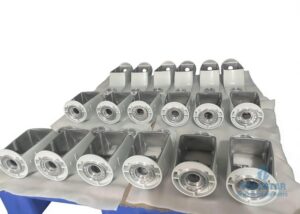
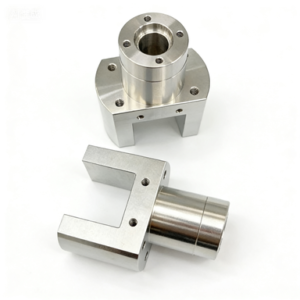
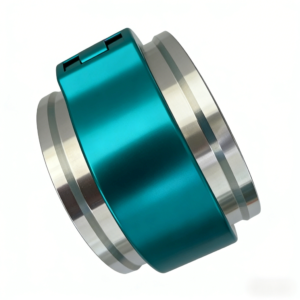
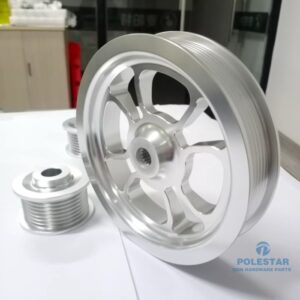
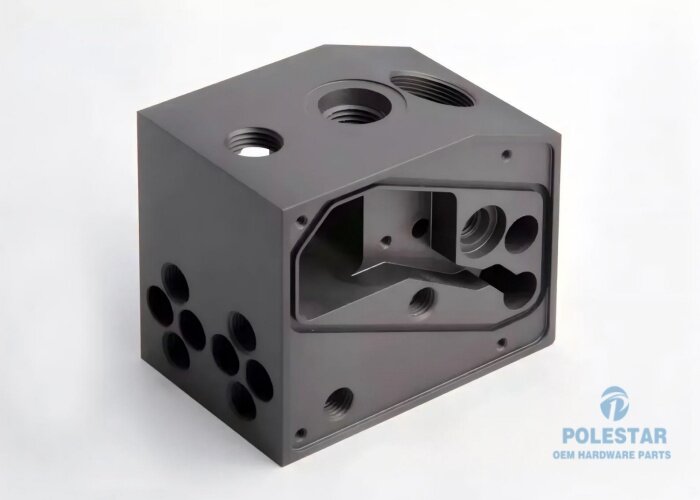
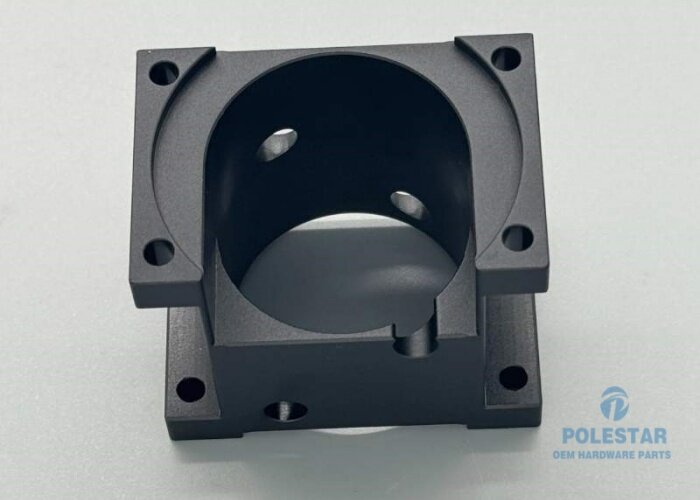
Titanium CNC Machined Parts are precision-engineered components manufactured through advanced CNC machining processes. Made from high-performance titanium alloys, these parts offer exceptional heat resistance, high strength, lightweight structure, and excellent corrosion resistance. They are widely used in durable electronics, smartphones, automotive, aerospace, and industrial equipment, ensuring long service life, stable performance, and tight dimensional accuracy. Custom designs are available to meet specific application requirements.
Why Titanium?
Titanium is a remarkable material that offers a unique combination of properties that few other metals can match. Understanding these characteristics is essential for engineers and designers seeking optimal performance from their components.
Exceptional Strength-to-Weight Ratio:
Titanium is as strong as steel but approximately 45 percent lighter. This property makes titanium CNC machined parts ideal for applications where weight reduction is critical without compromising structural integrity. Aerospace components, high-performance automotive parts, and portable medical devices all benefit from titanium’s lightweight strength.
Superior Corrosion Resistance:
Titanium naturally forms a protective oxide layer that provides exceptional resistance to corrosion in harsh environments. It withstands exposure to seawater, chlorine, acids, and industrial chemicals, making it ideal for marine applications, chemical processing equipment, and medical implants that must endure long-term exposure to bodily fluids.
Excellent Biocompatibility:
Titanium is non-toxic and fully biocompatible, meaning it does not react negatively with human tissue. This property makes titanium the preferred material for medical implants including orthopedic screws, dental implants, and surgical instruments. Titanium CNC machined parts for medical applications meet stringent regulatory requirements for safety and performance.
High Temperature Resistance:
Titanium maintains its mechanical properties at elevated temperatures, with some grades performing effectively up to 600°C. This thermal stability is essential for aerospace engine components, exhaust systems, and high-temperature industrial equipment.
Fatigue Strength:
Titanium exhibits excellent fatigue resistance, allowing components to withstand repeated cyclic loading without failure. This property is critical for applications such as aircraft structures, automotive suspension components, and rotating machinery parts.
Titanium Grades Used in CNC Machining:
Different titanium grades offer varying properties suited to specific applications. Understanding the distinctions helps in selecting the optimal material for each project.
Grade 2 Titanium – Commercially Pure:
Grade 2 titanium is commercially pure and offers excellent corrosion resistance, formability, and weldability. It is commonly used in chemical processing equipment, marine components, and applications requiring superior corrosion protection. Grade 2 is softer and more ductile than alloy grades, making it suitable for applications where moderate strength is acceptable.
Grade 5 Titanium – Ti-6Al-4V:
Grade 5 titanium, also known as Ti-6Al-4V, is the most widely used titanium alloy. It contains 6 percent aluminum and 4 percent vanadium, providing exceptional strength, heat resistance, and fatigue performance. Grade 5 titanium CNC machined parts are extensively used in aerospace structural components, medical implants, automotive racing parts, and high-performance industrial equipment.
Grade 23 Titanium – Ti-6Al-4V ELI:
Grade 23 titanium is an extra-low interstitial version of Grade 5, offering improved fracture toughness and ductility. It is specifically formulated for medical implants and other applications requiring enhanced fatigue resistance and biocompatibility.
Grade 9 Titanium – Ti-3Al-2.5V:
Grade 9 titanium contains 3 percent aluminum and 2.5 percent vanadium, offering a balance of strength and formability. It is commonly used in aerospace tubing, bicycle frames, and applications requiring cold formability.
Precision CNC Machining of Titanium:
Machining titanium presents unique challenges due to its material properties. Successful production of titanium CNC machined parts requires specialized equipment, optimized cutting parameters, and extensive expertise.
CNC Turning: CNC turning is used to produce cylindrical titanium components such as shafts, bushings, fasteners, and connector bodies. Titanium’s low thermal conductivity means heat generated during cutting remains concentrated at the tool tip, requiring appropriate coolant delivery and cutting speeds to prevent tool wear and maintain surface finish.
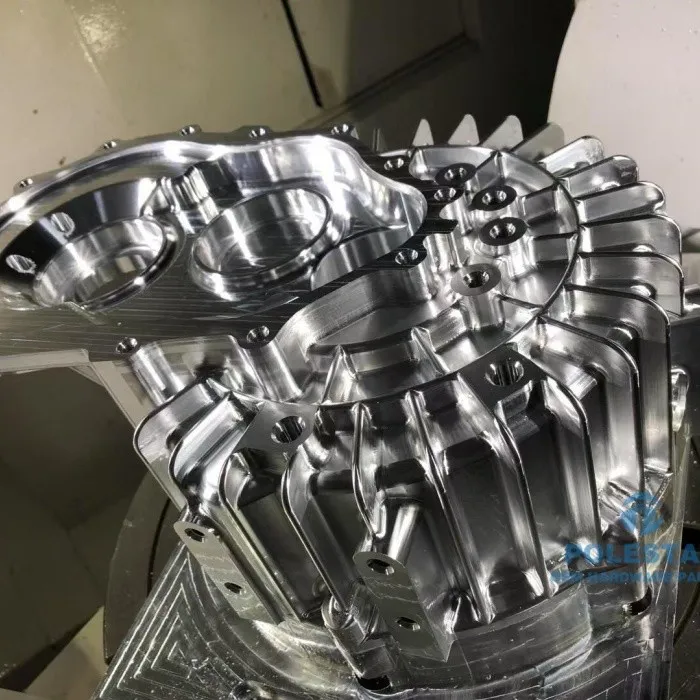
CNC Milling: CNC milling creates complex geometries including pockets, slots, contours, and threaded features. Multi-axis milling centers enable the production of intricate titanium parts with minimal setups. Proper tool selection, chip evacuation strategies, and rigid workholding are essential for achieving tight tolerances in titanium.
5-Axis Machining: For the most complex titanium CNC machined parts, 5-axis machining centers provide the ability to machine multiple faces in a single setup. This approach reduces fixturing errors, improves accuracy, and shortens lead times for complex aerospace and medical components.
Threading and Tapping: Titanium’s work-hardening characteristics require specialized techniques for thread cutting and tapping. Proper tool geometry, cutting fluids, and feed rates are essential for producing clean, accurate threads without galling or tool breakage.
Surface Finishing and Treatment:
Titanium CNC machined parts can benefit from various surface treatments that enhance performance and appearance.
Passivation: Passivation removes surface contaminants and enhances the natural oxide layer, improving corrosion resistance. This treatment is essential for medical implants and components exposed to aggressive environments.
Anodizing: Titanium anodizing creates a decorative oxide layer that can be colored while improving wear resistance and corrosion protection. Anodized titanium components are common in medical devices, consumer products, and aerospace applications.
Polishing and Finishing: Mechanical polishing, electropolishing, and vibratory finishing can achieve various surface finishes, from matte to mirror-like. Surface finish affects wear resistance, fatigue performance, and aesthetic appearance.
Applications Across Industries:
Titanium CNC machined parts serve critical functions across a diverse range of industries.
Aerospace and Defense:
Aerospace applications demand components that combine lightweight construction with exceptional strength and reliability. Titanium CNC machined parts are used in aircraft structural components, engine mounts, landing gear components, hydraulic system fittings, and fasteners. The aerospace industry relies on titanium for its fatigue resistance and ability to withstand extreme operating conditions.
Medical and Dental:
The medical industry is one of the largest users of titanium CNC machined parts. Orthopedic implants including hip stems, knee components, and spinal fixation devices are commonly manufactured from Grade 5 and Grade 23 titanium. Dental implants, surgical instruments, and surgical tooling also rely on titanium’s biocompatibility and corrosion resistance.
Automotive and Motorsports:
High-performance automotive applications benefit from titanium’s lightweight strength. Titanium CNC machined parts are used in connecting rods, valve train components, suspension components, and exhaust systems. Motorsports applications prioritize weight reduction without sacrificing durability or performance.
Marine and Offshore:
Titanium’s exceptional corrosion resistance in seawater makes it ideal for marine applications. Components including propeller shafts, pump housings, valves, and underwater instrumentation housings are commonly manufactured from Grade 2 and Grade 5 titanium.
Industrial Equipment:
Chemical processing equipment, power generation components, and high-temperature industrial machinery utilize titanium CNC machined parts for their corrosion resistance and thermal stability. Heat exchangers, reactor components, and pressure vessels benefit from titanium’s durability.
Manufacturing Capabilities:
Producing high-quality titanium CNC machined parts requires advanced manufacturing capabilities and rigorous quality control.
Advanced CNC Equipment: Multi-axis CNC machining centers equipped with high-pressure coolant systems, rigid workholding, and precision tooling are essential for titanium machining. Our facilities utilize state-of-the-art equipment capable of holding tight tolerances while maintaining efficient production rates.
Quality Control: Comprehensive quality control ensures that every titanium CNC machined part meets or exceeds specifications. In-process inspection, CMM verification, and documentation provide confidence in dimensional accuracy and consistency.
Material Certification: All titanium materials are sourced from certified suppliers with full traceability. Material certifications verify chemical composition and mechanical properties, ensuring compliance with industry standards.
Custom Titanium CNC Machined Parts:
Standard titanium components cannot always meet the specific requirements of every application. Custom solutions offer the flexibility to optimize performance for unique design parameters.
Prototype Machining: Rapid prototyping allows for design validation and functional testing before production. Titanium prototype machining enables engineers to evaluate performance characteristics and refine designs with minimal lead time.
Low-Volume Production: For specialty applications and market testing, low-volume production runs provide the flexibility to produce exactly what is needed without excess inventory.
High-Volume Production: When products launch successfully, scalable manufacturing capabilities support high-volume production with consistent quality and competitive pricing.
Quality Assurance and Certification:
ISO 9001:2015 Certification: Our quality management system is ISO 9001 certified, demonstrating commitment to consistent processes, continuous improvement, and customer satisfaction.
Material Traceability: Complete material traceability ensures that every component can be traced back to its original material certification, essential for regulated industries.
First Article Inspection: First article inspection provides complete dimensional verification before production begins, ensuring that manufacturing processes are capable of meeting specifications.
Polestar Metal Excellence in Action: The High-Performance Drone Frame
A leading drone manufacturer approached us with a challenge: to produce a lightweight yet extremely rigid central frame for a new industrial inspection drone. The part required complex internal channels for cable routing, precise mounting points for sensors and motors, and had to withstand vibration and minor impacts.
our solution:
1. Material: We selected 7075-T6 Aluminum for its exceptional strength and fatigue resistance, crucial for flight dynamics and durability.
2. Precision Machining: Utilizing our 5-axis CNC machines, we machined the part from a solid billet, achieving tight tolerances (±0.05mm) on all critical interfaces and perfectly executing the intricate internal channels in a single setup.
3. Surface Treatment: A Type III Hard Anodizing finish was applied. This not only provided a sleek, scratch-resistant black surface but also significantly increased surface hardness and corrosion resistance for operations in varied environments.
Conclusion:
Titanium CNC machined parts represent the highest standard of precision manufacturing, combining exceptional material properties with advanced machining capabilities. From aerospace structures to medical implants, these components deliver the strength, reliability, and performance that critical applications demand.
Whether your project requires prototype development or high-volume production, partnering with an experienced titanium machining expert ensures that your components meet the most demanding specifications.
Request a Quote Today – Contact us to discuss your titanium CNC machined parts requirements and discover how our precision manufacturing capabilities can bring your designs to life.