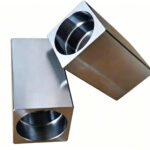
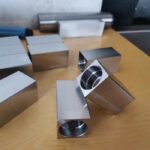
Custom Reliable Threaded Spacer 2 Piece Design High Strength Steel Spacer for Precision Assembly
Request a Quote
Enter the quantity you need and add to your quote list for pricing inquiries.
Product Details
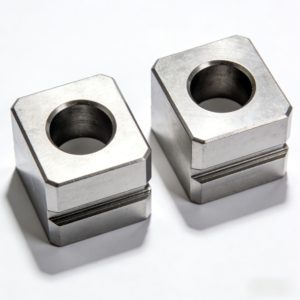
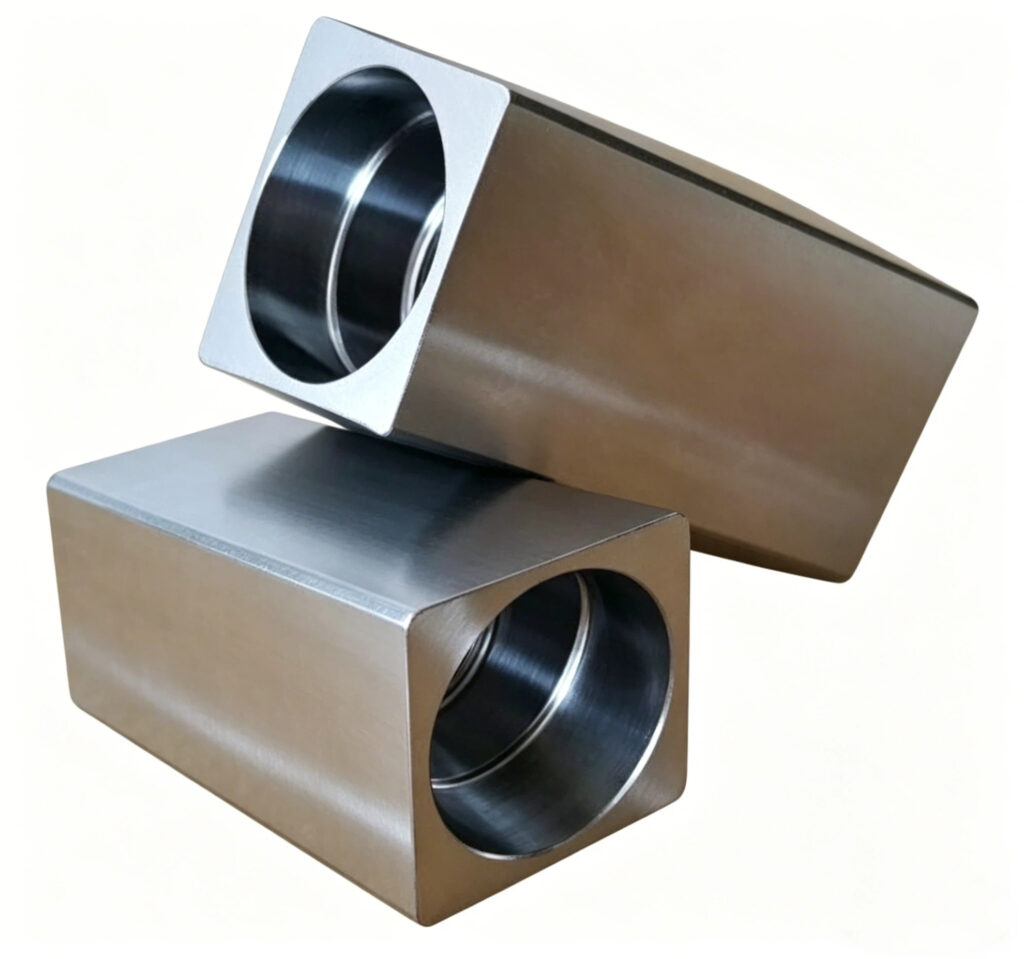
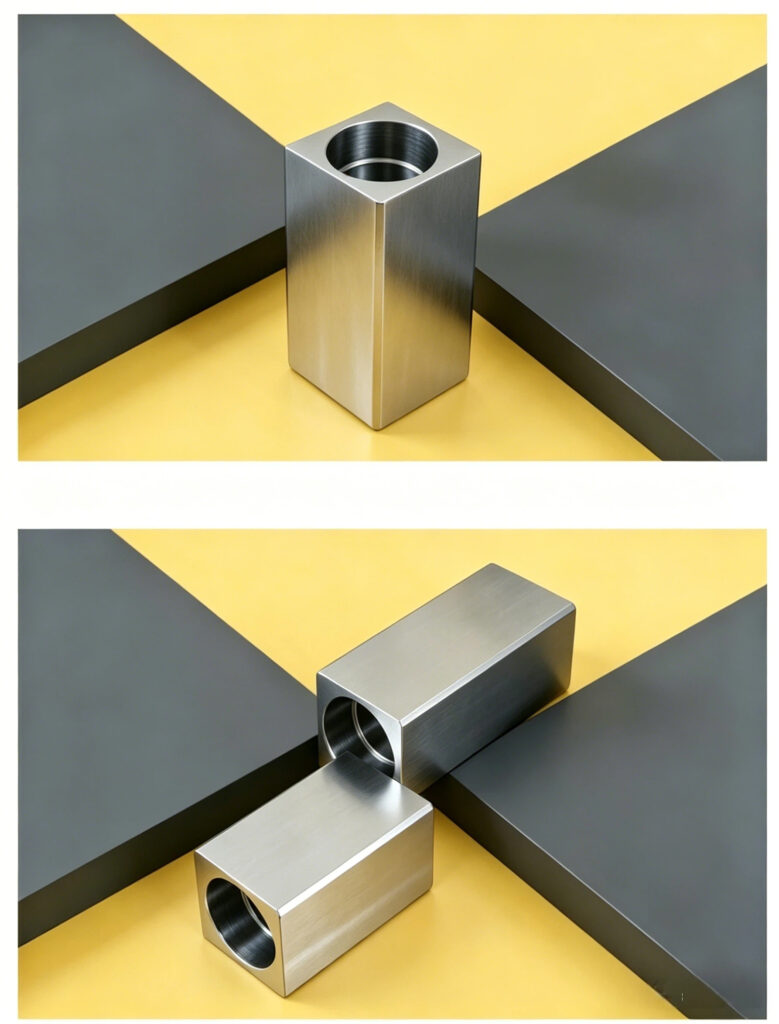
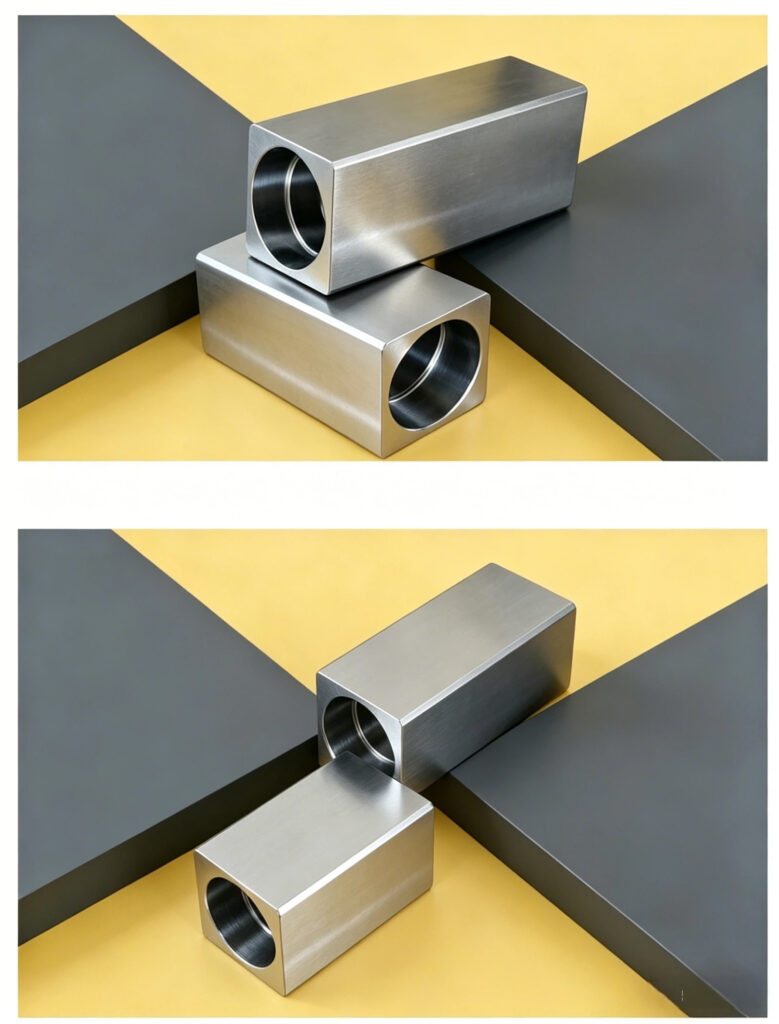
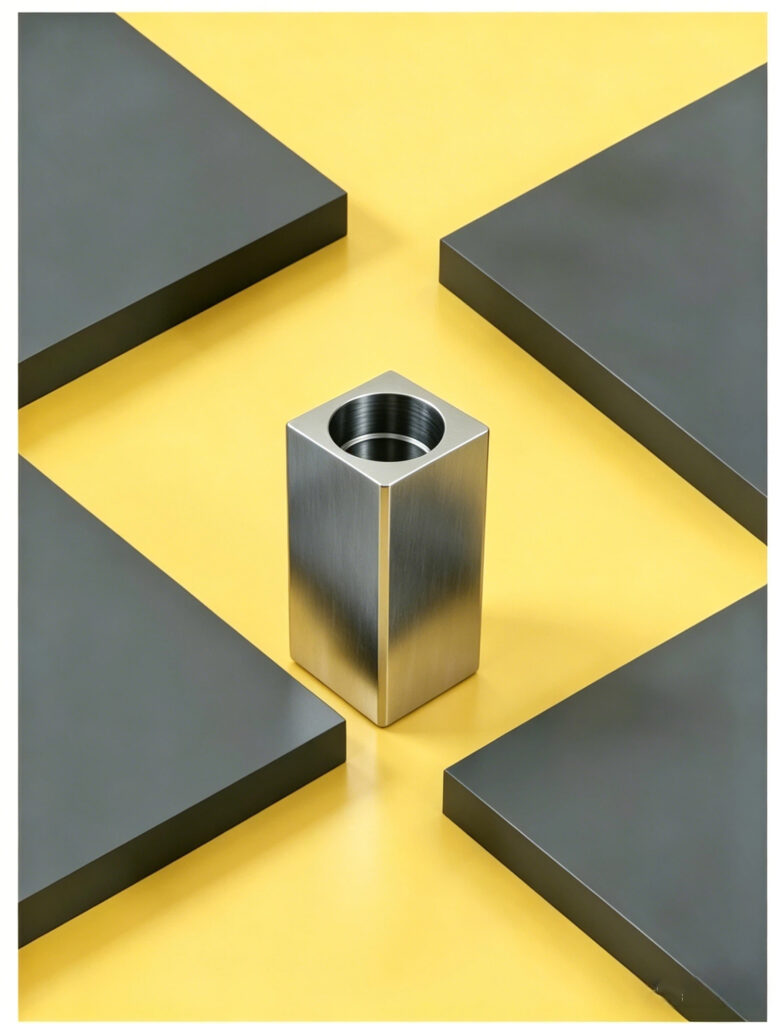
The threaded spacer is a cylindrical component with internal threads that creates precise spacing while providing secure fastening. It combines spacing and threading in one part, eliminating separate nuts. Made from steel, stainless steel, aluminum, brass, or nylon. Available in round, hexagonal, or square profiles. Lengths from 3mm to 100mm, thread sizes M2 to M20. Suitable for PCB mounting, electronics, automotive, and medical devices. Custom sizes and finishes available.
What Is a Threaded Spacer?
A threaded spacer is a precision cylindrical component with internal threads machined along its axis, designed to create accurate spacing between assembled parts while providing secure fastening capability. Unlike plain spacers that only provide separation, the threaded spacer combines the functions of a spacer and a threaded standoff in one component, allowing bolts or screws to pass through and engage with the internal threads.
The threaded spacer is characterized by its dual functionality of spacing and fastening. Typical features include internal threads ranging from M2 to M20 or 2-56 to 1/2-20, outside diameters from 4mm to 25mm, lengths from 3mm to 100mm, and various profiles including round, hexagonal, and square shapes. The threaded spacer eliminates the need for separate nuts or additional hardware, reducing assembly time and component count. Weight range for a typical threaded spacer varies from less than 1 gram for small electronic applications to over 100 grams for industrial machinery.
Manufacturing Process:
The production of a threaded spacer follows a precise sequence of operations:
Material Selection:
Raw material in bar form—steel, stainless steel, aluminum, brass, or nylon—is selected based on application requirements.
Cutting and Turning:
The material is cut to approximate length using automatic sawing or shearing equipment. The outer profile is turned on CNC lathes to achieve the specified diameter and shape, whether round, hexagonal, or square.
Drilling and Threading:
The center hole is drilled to the appropriate size for threading. Internal threads are cut using taps or thread milling tools, achieving precise thread classes such as 6H for metric or 2B for unified threads.
Finishing and Inspection:
The ends are chamfered and deburred to remove sharp edges. Surface finishing including anodizing, zinc plating, passivation, or powder coating is applied as required. Each threaded spacer undergoes dimensional inspection, thread gauge verification, and visual quality checks.
Common Materials for Threaded Spacer:
Steel:
Steel offers high strength and durability at an economical cost. Zinc plating provides corrosion resistance for general industrial applications. Suitable for heavy-duty machinery and automotive assemblies.
Stainless Steel:
Stainless steel in grades 303, 304, and 316 provides superior corrosion resistance. Suitable for medical devices, food processing equipment, marine environments, and outdoor installations.
Aluminum:
Aluminum is lightweight and naturally corrosion resistant. Anodizing is available for enhanced wear resistance and color options. Ideal for aerospace and portable electronics.
Brass:
Brass offers excellent corrosion resistance, good electrical conductivity, and a decorative appearance. Commonly used in electronic and plumbing applications.
Nylon:
Nylon is lightweight, non-conductive, and corrosion-proof. Suitable for electrical insulation and chemical environments.
Specifications:
Typical specifications for a threaded spacer include:
| Parameter | Typical Range |
| Thread Size | M2 to M20 or 2-56 to 1/2-20 |
| Outside Diameter | 4mm to 25mm |
| Length | 3mm to 100mm |
| Profile | Round, hexagonal, or square |
| Material | Steel, stainless steel, aluminum, brass, nylon |
| Thread Class | 6H (metric) or 2B (unified) |
| Dimensional Tolerance | ±0.05mm to ±0.10mm |
| Surface Finish | Plain, zinc plated, anodized, passivated, powder coated |
Applications Across Industries:
Electronics and PCB Assembly:
Threaded spacers mount circuit boards to chassis, create standoffs between stacked boards, and provide mounting points for components. Common applications include computer motherboards, power supplies, control panels, and telecommunications equipment.
Automotive Manufacturing:
Threaded spacers provide spacing between interior trim panels, mount electronic control units, and create standoffs for dashboard components. Corrosion-resistant materials are essential for under-hood applications.
Industrial Machinery:
Threaded spacers create precise gaps between machine components, mount control panels to equipment frames, and provide adjustable spacing for alignment. Heavy-duty steel spacers are used in demanding environments.
Medical Devices:
Threaded spacers mount circuit boards within diagnostic equipment, create standoffs for imaging system components, and provide secure fastening for surgical instrument assemblies. Stainless steel or anodized aluminum is typically required.
Aerospace Applications:
Threaded spacers mount avionics components, create spacing between structural elements, and provide lightweight fastening solutions. Aluminum and stainless steel with anodized or passivated finishes are common.
Excellent Use Case: High-Density PCB Assembly:
Background:
A leading electronics manufacturer needed a reliable fastening solution for a high-density PCB assembly in a medical diagnostic device. Standard plastic snap-in spacers provided inadequate vibration resistance, causing board movement and intermittent connection failures during shipping and field operation.
Solution:
A stainless steel threaded spacer was selected with M3 internal threads, hexagonal profile, and 10mm length. The spacer was installed between the main PCB and a daughter board, providing precise 10mm spacing while allowing screws to securely fasten both boards to the chassis.
Results:
- Vibration Resistance: Improved by 400 percent compared to plastic snap-in spacers
- Assembly Time: Reduced by 25 percent, eliminating need for separate nuts
- Reliability: 99.99 percent connection reliability with no field failures
- Corrosion Protection: Stainless steel construction suited the medical environment
- Space Efficiency: Compact hexagonal profile allowed installation in tight spaces
This case demonstrates how the threaded spacer delivers reliable, precise fastening for demanding electronic applications.
How to Select the Right Threaded Spacer:
Choosing the appropriate threaded spacer requires careful consideration of several factors:
Thread Size:
Must match the mating screw or bolt. Metric or unified standards based on geographic region.
Length:
Determines the spacing distance between assembled components.
Outside Diameter:
Affects clearance and strength requirements.
Material:
Depends on environmental conditions, strength needs, and corrosion resistance.
Profile Type:
Hexagonal for wrench tightening, round for space-constrained areas.
Surface Finish:
Influences corrosion protection and appearance.
Conclusion:
The threaded spacer represents an efficient, reliable solution for creating precise spacing while providing secure fastening across countless applications. By combining spacing and threading functions into a single component, it reduces part count, simplifies assembly, and improves reliability. By understanding the materials, types, and selection criteria outlined in this guide, the right threaded spacer can be selected for any application—from standard electronic assemblies to custom engineered solutions for demanding industrial and medical environments.