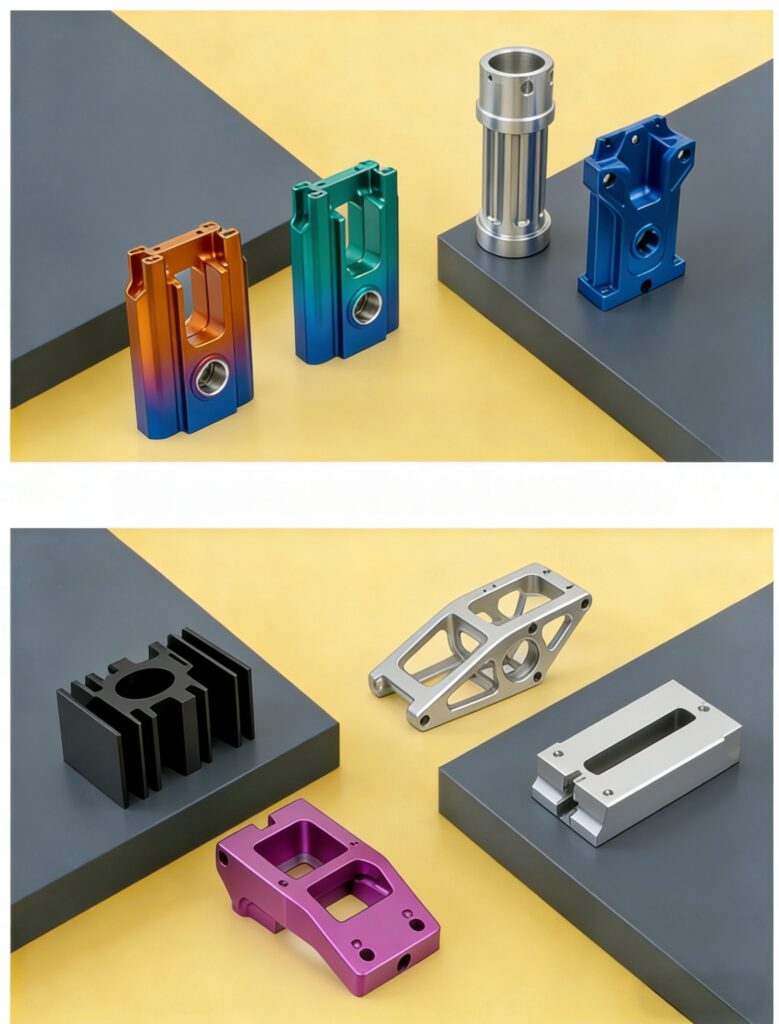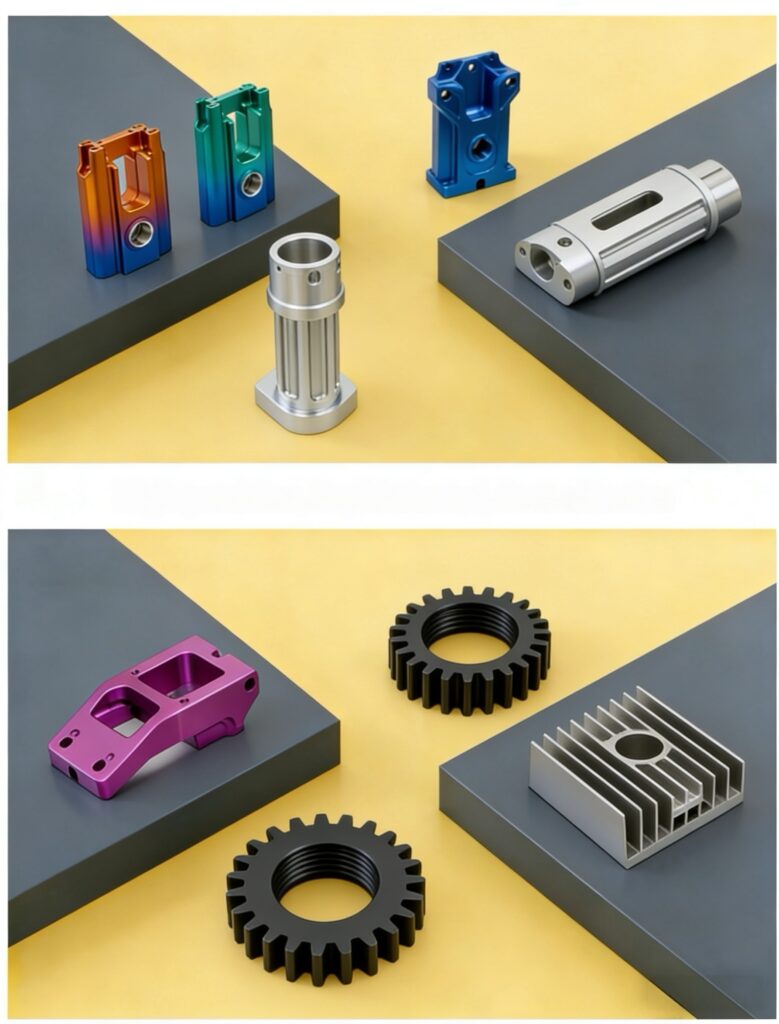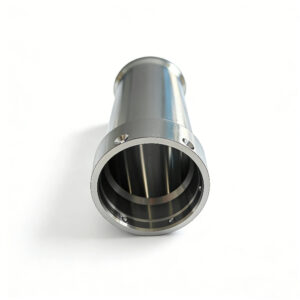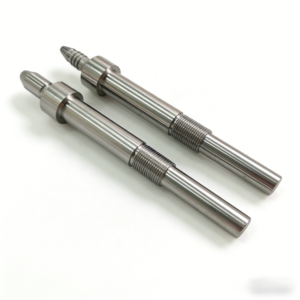
Guaranteed Stainless Steel Threaded Sleeve 6mm to 50mm Diameter Range Extreme Reliability Long Service Life
Request a Quote
Enter the quantity you need and add to your quote list for pricing inquiries.
Product Details
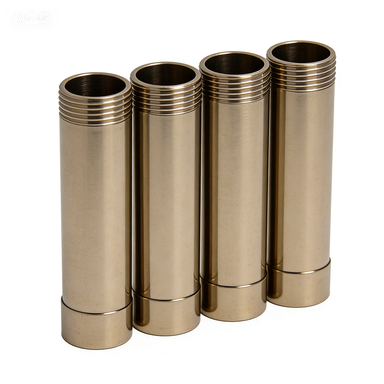
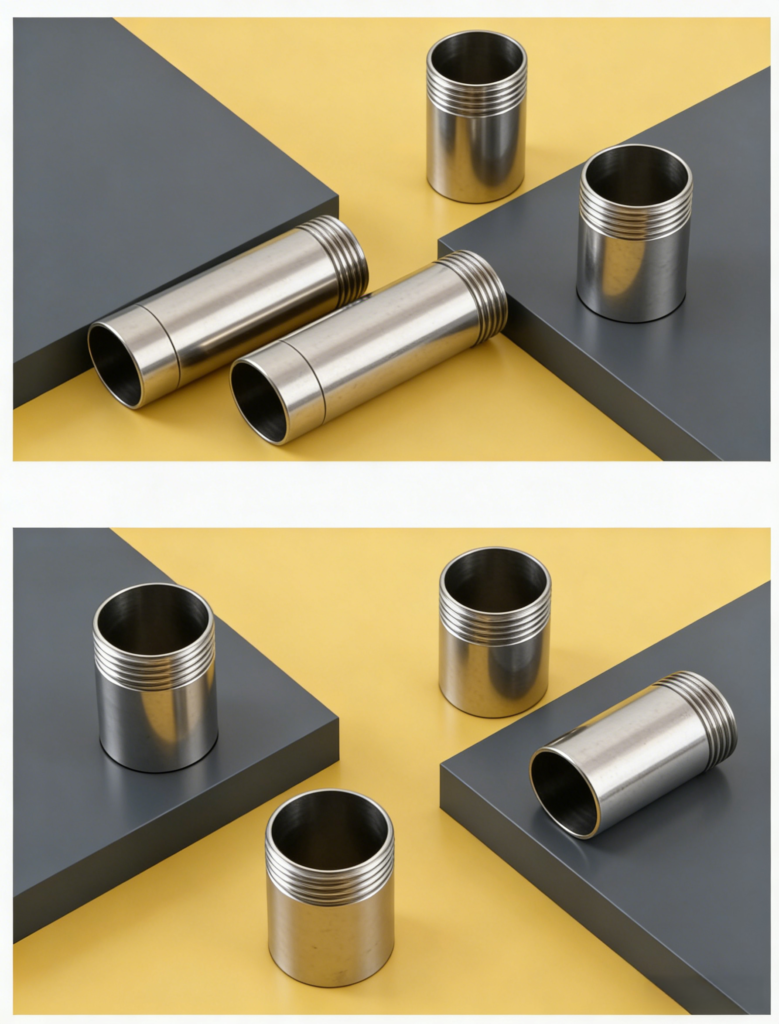
Precision machined threaded sleeve provides reliable threaded connections for joining components in mechanical assemblies and structural applications. Manufactured from high grade steel or stainless steel with precision cut internal or external threads for consistent fit and secure engagement. Available in multiple sizes thread types and configurations including plain flanged or stepped designs. Ideal for automotive industrial equipment machinery repair and structural fastening where strength durability and corrosion resistance are required.
What Is a Threaded Sleeve?
A threaded sleeve is a cylindrical mechanical component with precision machined internal threads, external threads, or both, designed to facilitate threaded connections between components. Threaded sleeves serve multiple functions including joining two threaded components together, extending threaded length, repairing damaged threads, providing a wear-resistant threaded interface, or enabling disassembly and reassembly in mechanical systems.
Threaded sleeves are manufactured from various materials including steel, stainless steel, brass, aluminum, and high strength alloys. They are produced through precision machining processes such as CNC turning, thread cutting, thread rolling, or cold forming to achieve accurate thread profiles and tight dimensional tolerances.
Threaded sleeves come in various configurations including plain sleeves with internal threads, externally threaded sleeves, stepped sleeves, flanged sleeves, and locking sleeves with integrated locking features.
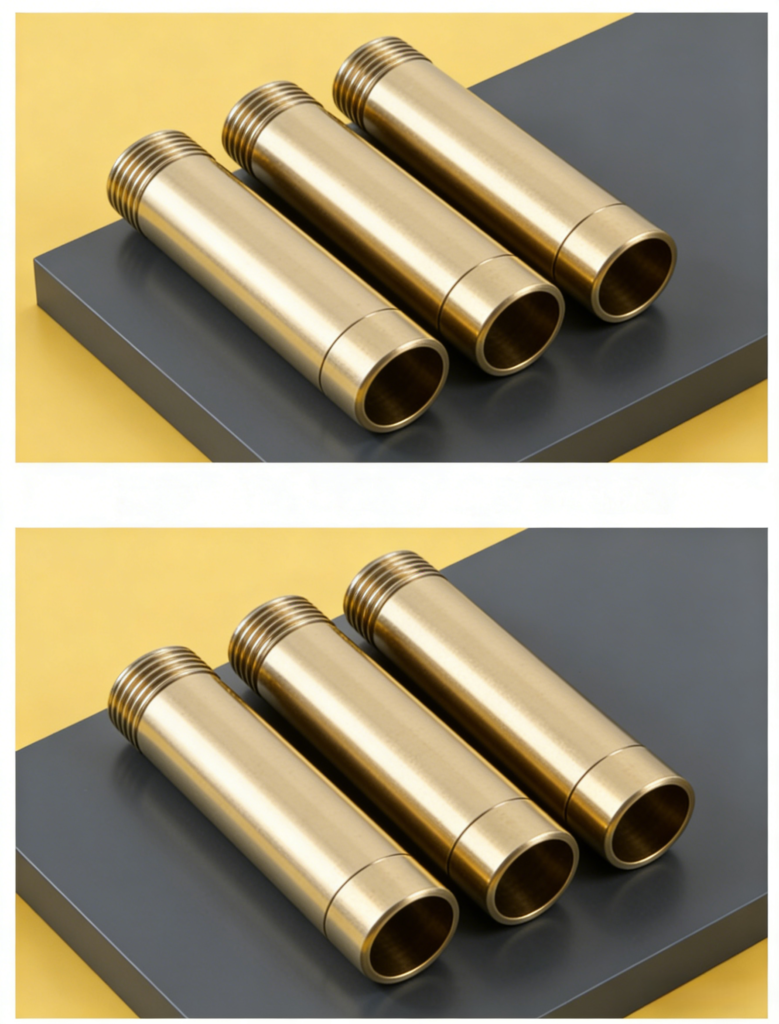
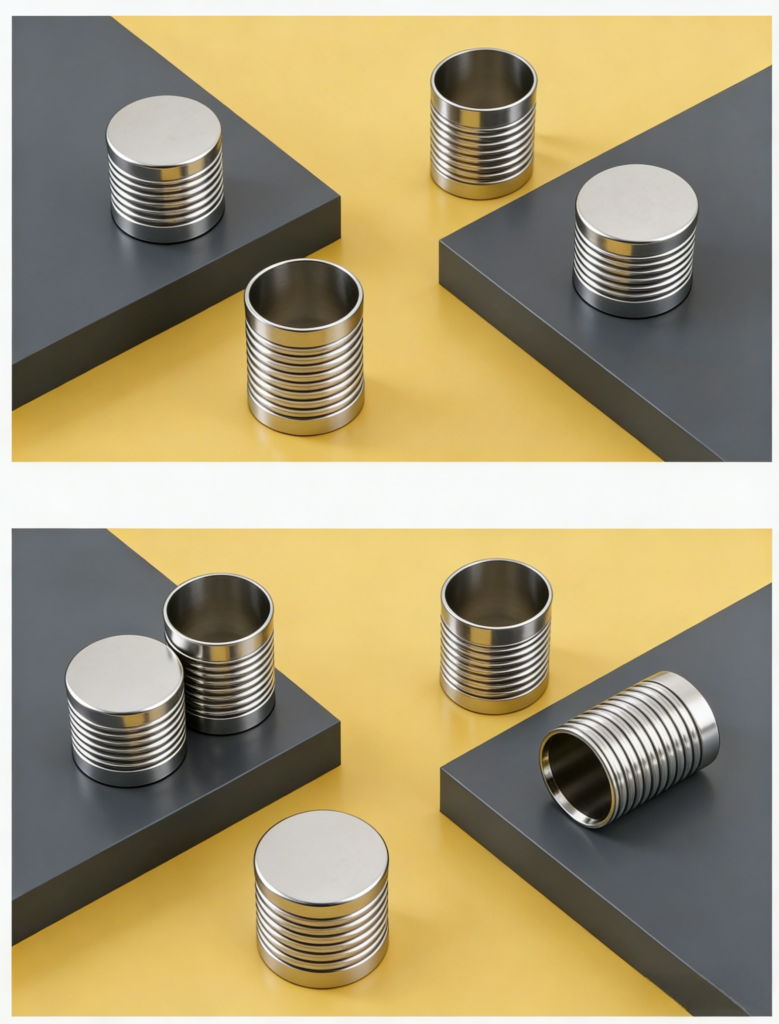
Common Types of Threaded Sleeves:
Threaded sleeves are available in several configurations to suit different application requirements:
Internal Threaded Sleeves: These sleeves feature precision cut internal threads and are used to provide a threaded receptacle within a component, extend thread depth, or repair damaged threads.
External Threaded Sleeves: These sleeves have external threads and serve as threaded studs, adapters, or extensions for connecting components.
Threaded Coupling Sleeves: Coupling sleeves have internal threads at both ends, allowing them to join two externally threaded components together. They are commonly used in piping, hydraulic systems, and structural connections.
Flanged Threaded Sleeves: These sleeves feature an integral flange that provides a bearing surface, facilitates mounting, or serves as a stop for positioning.
Stepped Threaded Sleeves: Stepped sleeves have different thread sizes on each end or different outer diameters, enabling connections between components with mismatched thread sizes.
Locking Threaded Sleeves: Locking sleeves incorporate features such as nylon patches, deformed threads, or set screws to prevent loosening under vibration.
Helical Threaded Inserts: Also known as thread repair inserts, these coiled wire inserts provide durable, wear-resistant threads in softer materials.
Common Materials for Threaded Sleeves:
The choice of material for a threaded sleeve directly impacts its strength, corrosion resistance, and suitability for specific environments:
Carbon Steel:
Carbon steel offers excellent strength and affordability. Common grades include 12L14, 1045, and 4140. Carbon steel sleeves are often zinc plated or black oxide coated for corrosion protection. Typical applications include general industrial machinery, automotive components, and structural fastening.
Stainless Steel:
Stainless steel provides superior corrosion resistance, making it ideal for marine, food processing, chemical, and outdoor applications. Common grades include 303, 304, 316, and 17-4 PH. Stainless steel sleeves maintain strength and appearance in harsh environments.
Brass:
Brass offers good corrosion resistance, electrical conductivity, and non-sparking properties. It is commonly used in plumbing, electrical applications, and marine environments where corrosion resistance is important.
Aluminum:
Aluminum sleeves provide lightweight construction with good corrosion resistance. They are ideal for aerospace, automotive, and applications where weight reduction is critical.
Alloy Steel:
High-strength alloy steels such as 4140, 4340, or AISI 8620 provide exceptional strength and wear resistance for demanding applications including heavy machinery, mining equipment, and aerospace components.
Manufacturing Processes:
The quality and precision of threaded sleeves are achieved through controlled manufacturing processes:
CNC Turning: Precision CNC lathes machine the sleeve to exact outer diameter, length, and internal bore dimensions with tight tolerances.
Thread Cutting: Threads are precision cut using single point threading tools or taps and dies to achieve accurate thread profiles and pitch diameters.
Thread Rolling: Thread rolling is a cold forming process that displaces material to form threads. Rolled threads offer superior strength, improved surface finish, and better fatigue resistance compared to cut threads.
Heat Treatment: Depending on material and application, sleeves may undergo heat treatment processes such as case hardening, through hardening, or stress relieving to achieve desired mechanical properties.
Surface Finishing: Various surface treatments are applied including zinc plating, black oxide, passivation, anodizing, or nickel plating for corrosion protection and appearance.
Key Advantages of Threaded Sleeves:
Threaded sleeves offer numerous benefits that make them indispensable in mechanical assembly and repair:
Thread Repair Capability: Threaded sleeves provide an effective solution for repairing stripped, damaged, or worn threads without replacing the entire component, saving time and cost.
Increased Thread Strength: High strength threaded sleeves can provide stronger threads than the parent material, particularly when installing in softer materials such as aluminum or plastic.
Wear Resistance: Hardened steel sleeves offer excellent wear resistance for applications involving frequent assembly and disassembly.
Corrosion Protection: Stainless steel and coated sleeves provide corrosion resistance, protecting the threaded connection from environmental degradation.
Design Flexibility: Threaded sleeves allow designers to specify different thread sizes on each end, enabling connections between components with mismatched threads.
Easy Replacement: Worn or damaged sleeves can be replaced without modifying the parent component, simplifying maintenance and repair.
Vibration Resistance: Locking threaded sleeves provide secure connections that resist loosening under vibration and dynamic loads.
Key Applications Across Industries:
Threaded sleeves are essential components across a vast range of industries:
Automotive and Transportation: Engine components, suspension systems, transmission assemblies, brake systems, and exhaust connections utilize threaded sleeves for reliable fastening.
Industrial Machinery: Machine tools, presses, conveyors, and manufacturing equipment incorporate threaded sleeves for assembly, adjustment, and repair.
Aerospace and Defense: Aircraft structures, engine components, and defense systems use high strength, precision threaded sleeves for critical connections.
Marine and Offshore: Boat hardware, deck fittings, and offshore platform equipment utilize corrosion resistant stainless steel or brass sleeves.
Construction and Structural: Steel structures, bridges, and building components use threaded sleeves for bolted connections and tensioning systems.
Plumbing and Piping: Pipe connections, valves, and fittings use threaded coupling sleeves for joining and repair.
Electronics and Electrical: Connector housings, terminal blocks, and equipment enclosures use threaded sleeves for mounting and connection.
Medical Devices: Surgical instruments, implantable devices, and diagnostic equipment utilize precision threaded sleeves.
How to Select the Right Threaded Sleeve:
Choosing the optimal threaded sleeve for your application requires careful consideration of several factors:
Thread Size and Pitch: Specify the thread size (e.g., M6 x 1.0, 1/4-20 UNC) and thread class (e.g., 2A, 2B) to ensure compatibility with mating components.
Material Selection: Select material based on strength requirements, environmental conditions, and corrosion resistance needs. Stainless steel for corrosive environments, carbon steel for general applications, brass for plumbing.
Configuration: Determine whether internal thread, external thread, coupling, flanged, or stepped configuration is required for the application.
Length and Diameter: Specify overall length, outer diameter, and wall thickness based on available space and load requirements.
Strength Requirements: Consider tensile strength, yield strength, and shear strength requirements for the application. Consult engineering specifications for critical applications.
Surface Treatment: Select appropriate surface finish for corrosion protection, appearance, or lubricity requirements.
Locking Feature: For applications subject to vibration, consider locking sleeves with nylon patches, deformed threads, or mechanical locking features.
Installation Best Practices:
Proper installation ensures optimal performance and reliability:
Thread Preparation: Ensure threads are clean and free from debris, burrs, or damage before installation.
Lubrication: Apply appropriate thread lubricant or anti-seize compound to prevent galling and achieve proper torque values.
Torque Control: Use calibrated torque tools to apply specified torque values. Over-torquing can damage threads; under-torquing may result in loosening.
Thread Locking Compounds: For permanent or vibration resistant installations, consider using thread locking adhesives appropriate for the application.
Inspection: Verify proper engagement depth and alignment after installation.
Common Troubleshooting:
Galling or Seizing: Causes include insufficient lubrication, dissimilar materials, or excessive torque. Use appropriate lubricants and follow torque specifications.
Loosening Under Vibration: Use locking sleeves, thread locking compounds, or mechanical locking features for vibration-prone applications.
Corrosion: Select corrosion resistant materials such as stainless steel or apply protective coatings for harsh environments.
Thread Damage: Replace damaged sleeves promptly to avoid compromising the connection.
Industry Trends and Innovations:
The threaded sleeve market continues to evolve with advancing technologies:
High Strength Alloys: Advanced materials such as Inconel, titanium, and superalloys enable applications in extreme environments.
Coating Technologies: Advanced coatings including PTFE, DLC (diamond-like carbon), and ceramic coatings reduce friction and enhance wear resistance.
Smart Fasteners: Threaded sleeves with embedded sensors enable real-time monitoring of torque, tension, and temperature.
Additive Manufacturing: 3D printed threaded sleeves enable complex geometries and custom configurations for specialized applications.
Conclusion:
The threaded sleeve is a versatile and essential component in mechanical assembly, repair, and structural fastening. Its ability to provide reliable threaded connections, repair damaged threads, and enable design flexibility makes it indispensable across countless industries. By understanding the material options, configuration types, selection criteria, and installation best practices outlined in this guide, engineers, maintenance professionals, and procurement specialists can make informed decisions that ensure secure, durable, and reliable threaded connections.