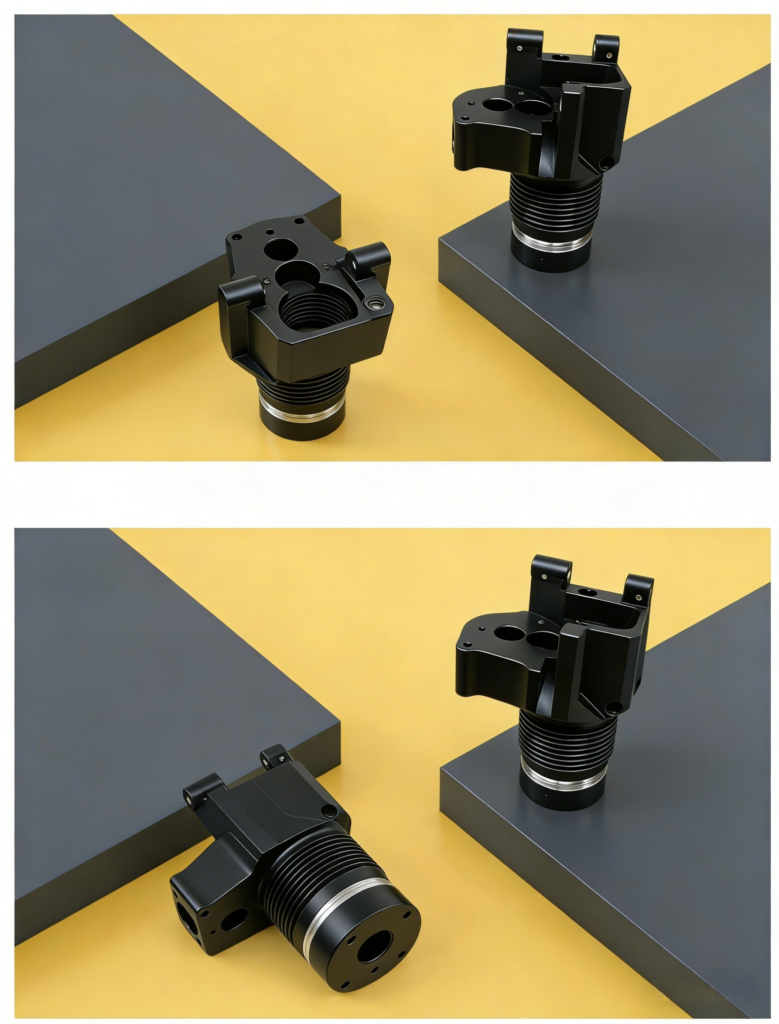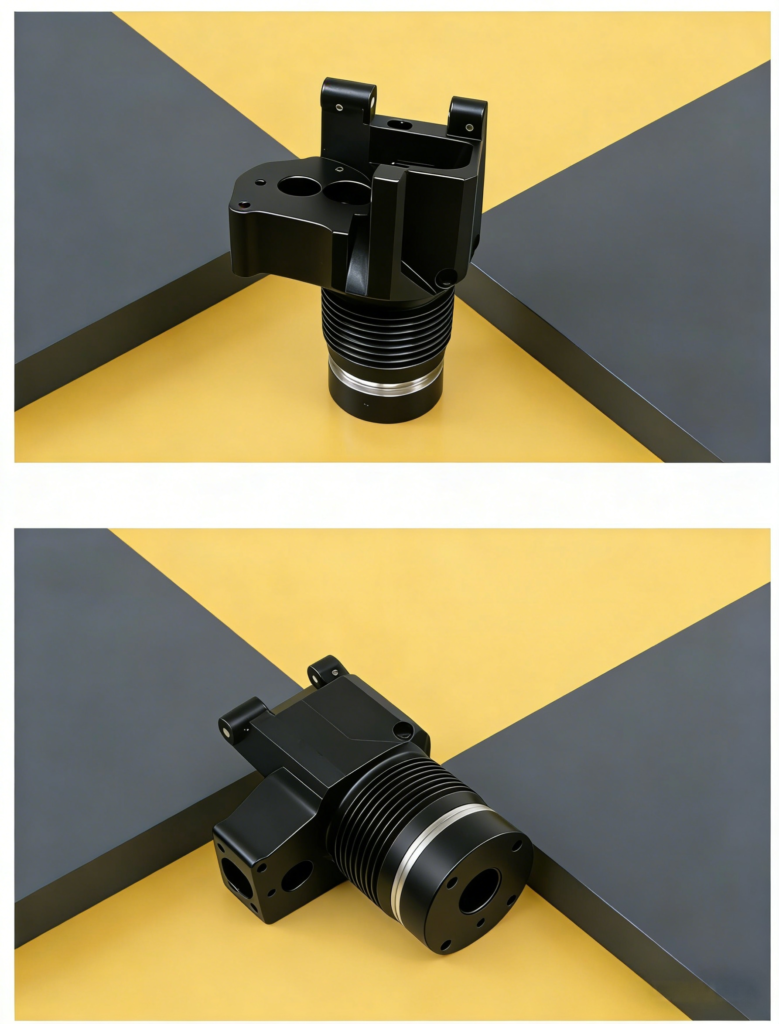
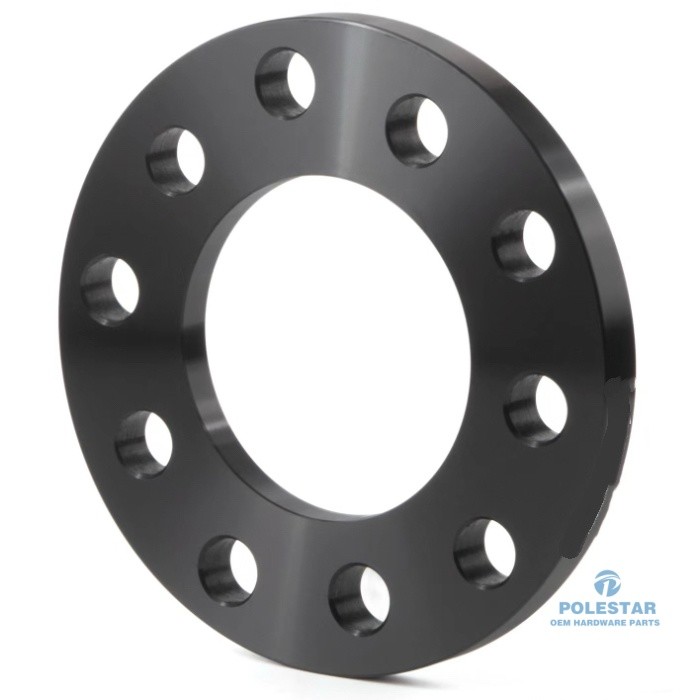
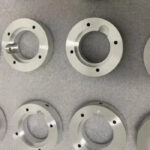
Superior Anti-Rust Threaded Blind Flange with Durable Teflon Coating
Request a Quote
Enter the quantity you need and add to your quote list for pricing inquiries.
Description
What is a Threaded Blind Flange?
A Threaded Blind Flange is a type of pipe flange used to seal or close the end of a piping system without welding. Unlike standard blind flanges that are bolted to a matching flange, the Threaded Blind Flange connects through internal threading, allowing it to be screwed directly onto a pipe or fitting.
This design makes it especially useful in systems where welding is not practical, or where future disassembly, maintenance, or inspection is required. It provides a secure, leak-resistant closure while maintaining flexibility in installation and removal.
In industrial piping systems, the Threaded Blind Flange plays a critical role in pressure control, system isolation, and safe termination of pipelines.
Key Features of Threaded Blind Flange:
The Threaded Blind Flange is widely used because of its practical engineering advantages:
- No welding required, reducing installation time and cost
- Easy installation and removal, suitable for maintenance-heavy systems
- Strong sealing capability for medium to high-pressure applications
- Reusability, making it cost-efficient over time
- Compatibility with threaded pipes, especially in small to medium pipe sizes
These features make it a preferred choice in industries such as oil & gas, chemical processing, water treatment, and mechanical engineering.
Materials and Manufacturing Options:
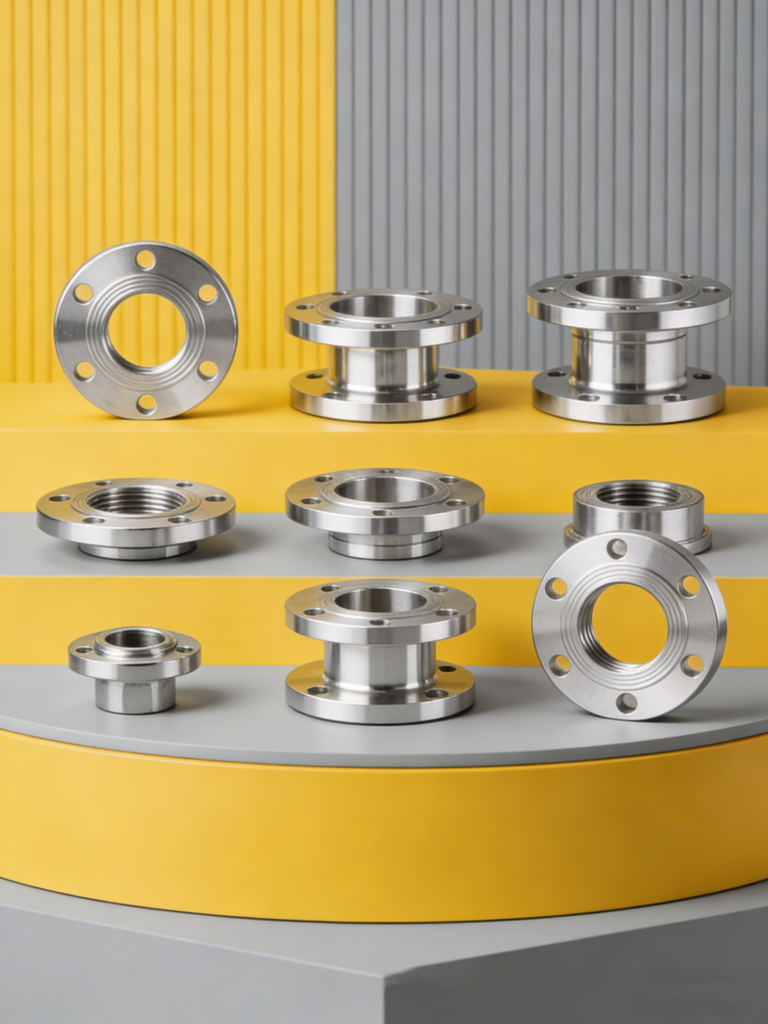
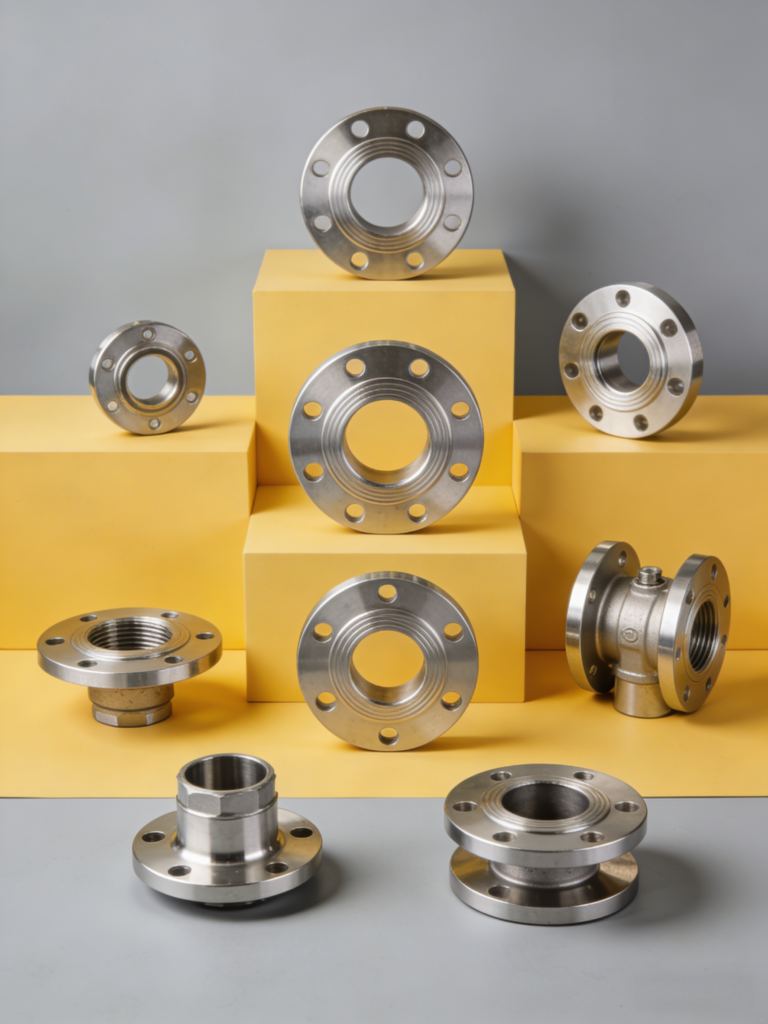
A Threaded Blind Flange can be manufactured from various materials depending on the working environment:
- Carbon steel (general industrial applications)
- Stainless steel (corrosion-resistant environments)
- Alloy steel (high-pressure and high-temperature systems)
- Brass or copper alloys (special fluid systems)
Advanced CNC machining ensures precise threading, smooth sealing surfaces, and strict dimensional accuracy. In high-performance applications, surface treatments like galvanizing, black oxide, or anti-corrosion coatings are often applied to extend service life.
Applications Across Industries:
The Threaded Blind Flange is used in many engineering systems where sealing and flexibility are both required.
1. Oil & Gas Industry:
It is commonly used to seal pipeline ends during maintenance or pressure testing. Its threaded design allows quick installation in remote environments.
2. Chemical Processing:
In chemical plants, the flange helps isolate sections of pipelines carrying aggressive or hazardous fluids.
3. Water Treatment Systems:
It is used to close unused pipeline outlets or reserve future expansion points.
4. HVAC and Mechanical Systems:
Provides a simple solution for system modification without welding or cutting pipes.
5. Marine Engineering:
In marine piping systems, corrosion resistance and easy maintenance are key, making the Threaded Blind Flange a reliable choice.
Engineering Advantages in Real Projects:
One of the key strengths of the Threaded Blind Flange is its adaptability in real-world engineering projects. It allows engineers to design systems that are both modular and service-friendly.
Instead of permanently sealing a pipeline end, engineers can use threaded connections to keep future access options open. This reduces downtime during system upgrades or inspections.
Polestar Case Study: Automotive Engineering Application with Polestar
In a recent automotive engineering supply chain project involving Polestar, precision-engineered components were required for fluid and thermal management systems used in vehicle testing environments.
During prototype development, engineers needed a reliable sealing solution for temporary pipeline endpoints in coolant circulation and pressure testing rigs. Traditional welded blind flanges were too permanent for the iterative testing process.
The Threaded Blind Flange provided an ideal solution:
- Allowed fast installation and removal during repeated testing cycles
- Ensured leak-free sealing under variable pressure conditions
- Supported rapid design modifications without re-welding
- Reduced downtime in prototype validation phases
By using threaded sealing solutions, the engineering team improved testing efficiency and reduced system reconfiguration time significantly. This type of flexibility is increasingly important in modern EV development workflows, where rapid iteration is essential.
Why Choose Threaded Blind Flange for Modern Systems?
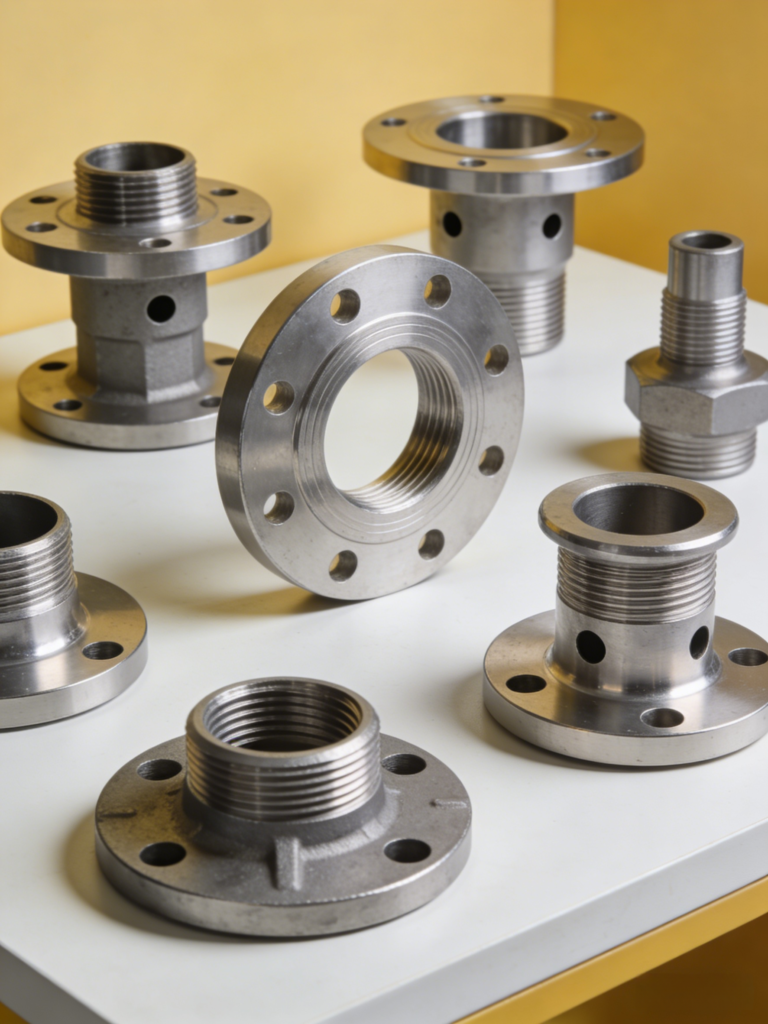
Modern industrial systems demand both reliability and flexibility. The Threaded Blind Flange offers a balanced solution:
- It ensures secure sealing performance
- It supports modular system design
- It reduces maintenance complexity
- It improves operational efficiency
For companies managing complex piping networks, this component is not just a connector—it is a strategic design element that improves lifecycle management.
Installation Considerations:
To ensure optimal performance of a Threaded Blind Flange, engineers should consider:
- Proper thread sealing using PTFE tape or sealant
- Correct torque application during installation
- Compatibility between pipe and flange thread standards
- Regular inspection in high-vibration environments
Following correct installation procedures ensures long-term reliability and leak prevention.
Future Trends in Threaded Flange Design:
With increasing demand for modular and maintainable systems, the Threaded Blind Flange is expected to evolve in several ways:
- Higher precision CNC threading for improved sealing
- Advanced anti-corrosion coatings for extreme environments
- Lightweight alloy materials for aerospace and automotive use
- Smart monitoring integration in industrial piping systems
These innovations will further enhance its role in next-generation engineering systems.
Conclusion:
The Threaded Blind Flange is a simple yet highly effective solution for sealing pipeline ends without permanent welding. Its combination of strength, flexibility, and ease of maintenance makes it an essential component across multiple industries.
From chemical plants to automotive engineering projects like those involving Polestar, this component continues to prove its value in both traditional and advanced manufacturing environments.