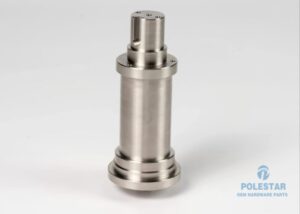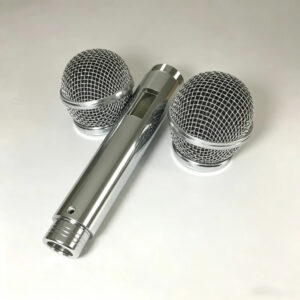
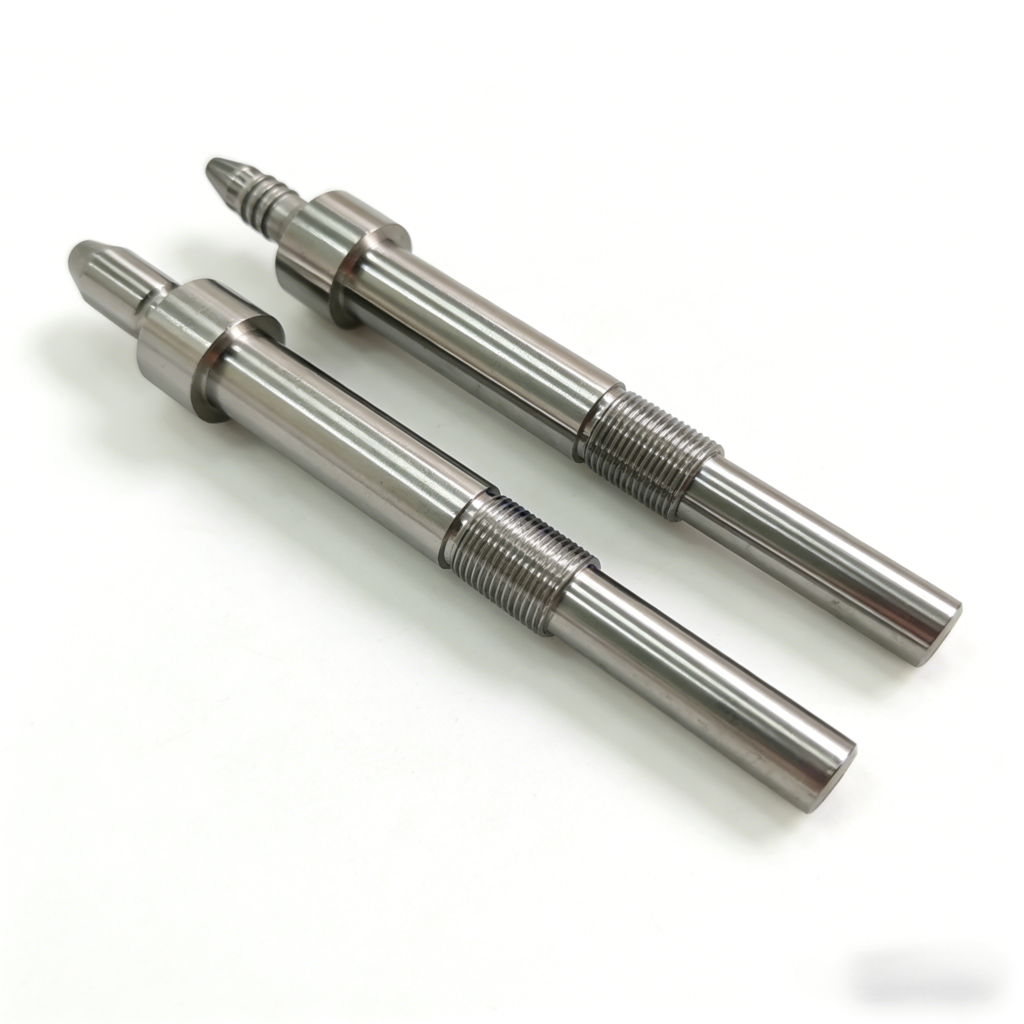
High Quality Turned Stainless Steel Shaft Any Size From 4mm To 40mm Diameter Custom Made For Any Application
Request a Quote
Enter the quantity you need and add to your quote list for pricing inquiries.
Product Details
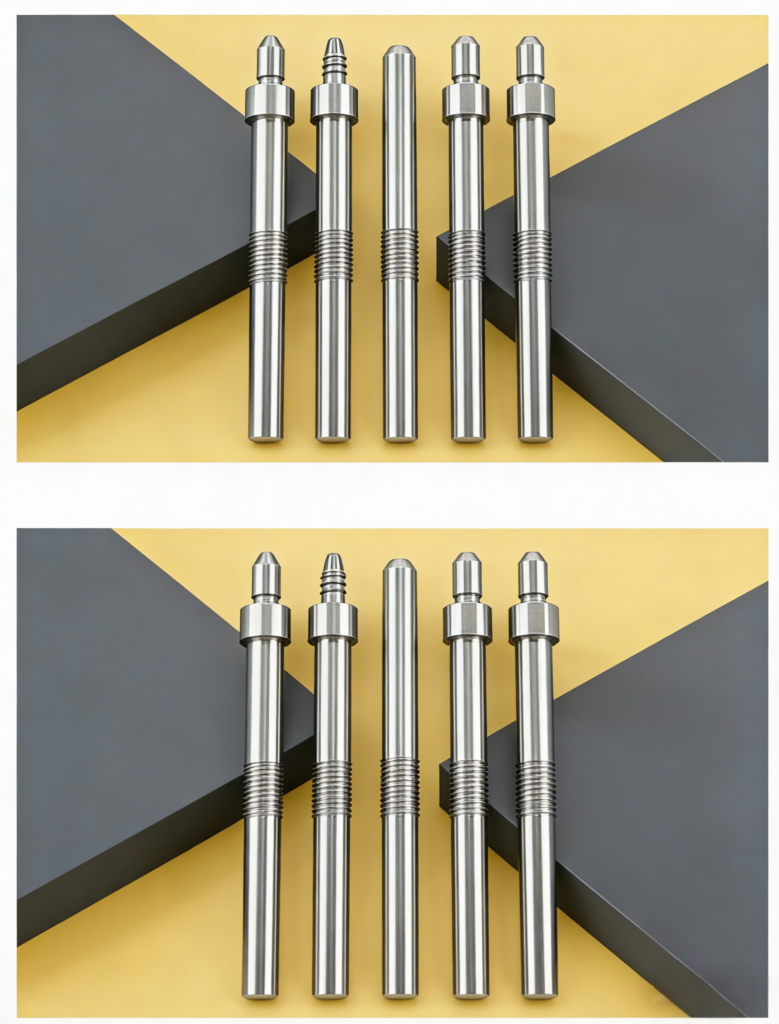
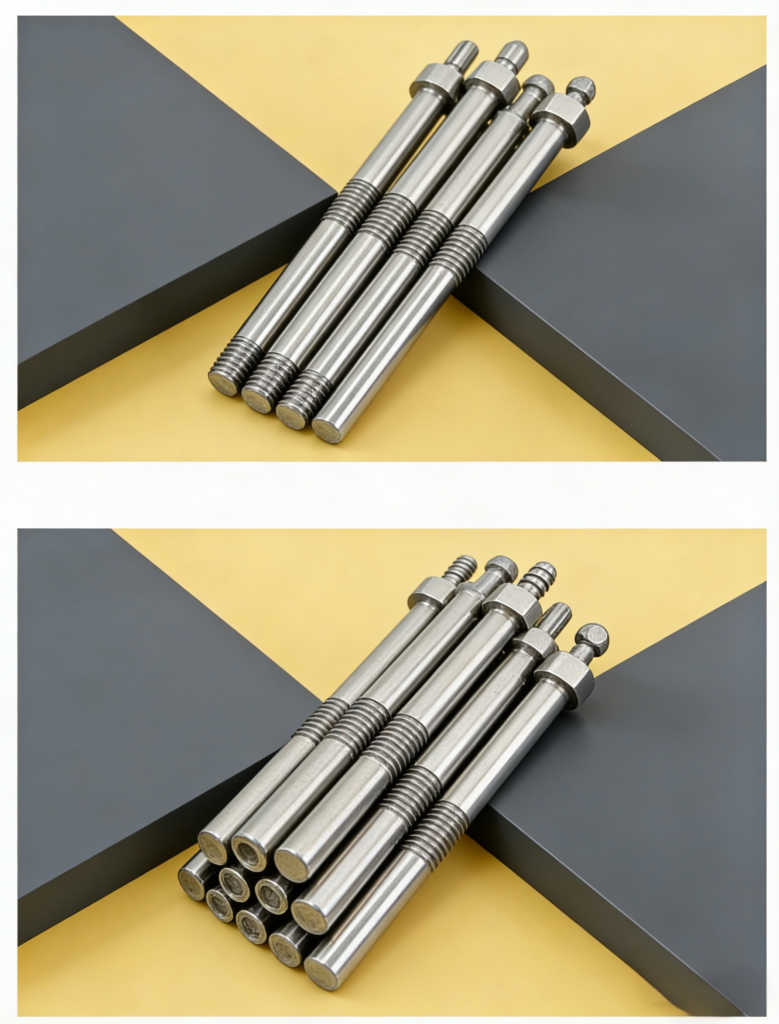
The stainless steel shaft is a precision round rod for power transmission, linear motion, and structural support. Made from grades 303, 304, 316, or 17-4 PH for excellent corrosion resistance and high strength. Available in custom diameters, lengths, and finishes including ground and polished. Ideal for pumps, actuators, marine gear, and medical devices. Custom shafts available with tight tolerances and machined features.
What Is a Stainless Steel Shaft?
A stainless steel shaft is a precision machined round bar that transmits rotational power, supports rotating components, or provides linear motion guidance. Unlike carbon steel shafts, the stainless steel version contains chromium which forms a passive oxide layer, providing exceptional resistance to rust and corrosion.
These components are manufactured in various diameters, lengths, and surface finishes to meet diverse application requirements. A typical stainless steel shaft features a ground or polished surface for smooth operation, precise diameter tolerances for proper fit with bearings and bushings, straightness for vibration free rotation, and cut to length specifications for each unique application.
Available in both metric and imperial dimensions, the stainless steel shaft serves as the foundation for pumps, motors, conveyors, linear bearings, medical devices, food processing equipment, and marine systems.
How a Stainless Steel Shaft Works:
The operation of a stainless steel shaft depends on its specific application. In rotating applications, the shaft transmits torque from a power source such as an electric motor to a driven component such as a pump impeller, conveyor roller, or gear. Bearings support the shaft, allowing smooth rotation while minimizing friction.
In linear motion applications, the stainless steel shaft serves as a precision rail for linear bearings or bushings. As the bearing travels along the shaft, it guides attached components with high accuracy and minimal resistance.
Several critical factors determine shaft performance. Material hardness affects wear resistance and load capacity. Surface finish influences friction and seal life. Diameter tolerance determines bearing fit quality. Straightness impacts vibration and bearing life. Corrosion resistance affects longevity in harsh environments.
For optimal performance, the stainless steel shaft must be manufactured with appropriate material grade, precise dimensional tolerances, and suitable surface finish for each specific application.
Types of Stainless Steel Shafts:
To optimize for SEO and help users find the right product, it is important to categorize the different types available:
Precision Ground Stainless Steel Shaft:
Centerless ground to tight diameter tolerances of ±0.0005 inch or better. Ideal for linear motion systems and applications requiring precise bearing fit.
Polished Stainless Steel Shaft:
Features a smooth, reflective surface finish that reduces friction and improves seal life. Common in hydraulic and pneumatic cylinders.
Hardened Stainless Steel Shaft:
Heat treated for increased surface hardness and wear resistance. Suitable for high load or high cycle applications.
Hollow Stainless Steel Shaft:
Reduced weight while maintaining strength. Used in applications requiring fluid passage or weight reduction.
Step Stainless Steel Shaft:
Features multiple diameters along its length for mounting bearings, gears, or other components.
Threaded Stainless Steel Shaft:
Includes threaded ends for attaching nuts, couplings, or other fasteners.
Keyed Stainless Steel Shaft:
Features keyways for positive torque transmission with gears or pulleys.
Custom Stainless Steel Shaft:
Engineered to exact specifications including unique diameters, lengths, tolerances, and special features.
Material Grades and Properties:
The performance of a stainless steel shaft depends heavily on the material grade selected:
303 Stainless Steel:
Free machining grade with excellent machinability. Suitable for complex shafts requiring extensive machining. Good corrosion resistance. Ideal for general purpose applications.
304 Stainless Steel:
The most common austenitic grade. Excellent corrosion resistance and good strength. Suitable for food processing, medical, and general industrial applications. Non magnetic in annealed condition.
316 Stainless Steel:
Superior corrosion resistance, especially against chlorides and salt water. Contains molybdenum for enhanced protection. Ideal for marine, chemical, and pharmaceutical applications.
17-4 PH Stainless Steel:
Precipitation hardening grade offering high strength combined with good corrosion resistance. Heat treatable to various hardness levels. Suitable for high stress applications.
440C Stainless Steel:
High carbon martensitic grade offering excellent hardness and wear resistance. Suitable for bearing shafts and high wear applications.
Key Applications Across Industries:
The versatility of the stainless steel shaft makes it essential across numerous sectors:
Food Processing:
Corrosion resistant shafts for mixers, conveyors, fillers, and packaging equipment. Easy to clean surfaces prevent bacterial growth.
Medical and Pharmaceutical:
Precision shafts for surgical instruments, diagnostic equipment, and drug delivery devices. Biocompatible materials meet regulatory requirements.
Marine and Offshore:
316 stainless steel shafts for boat steering systems, propeller shafts, and deck equipment. Saltwater corrosion resistance is essential.
Pumps and Valves:
Shafts for centrifugal pumps, gear pumps, and control valves. Wear resistance and dimensional stability ensure reliable operation.
Linear Motion Systems:
Precision ground shafts for linear bearings, guide rails, and actuator systems. Smooth surfaces enable low friction movement.
Automotive:
Shafts for steering systems, fuel injection pumps, and transmission components. High strength and wear resistance required.
Aerospace:
Lightweight, high strength shafts for flight control systems and landing gear.
How to Select the Right Stainless Steel Shaft:
Choosing the appropriate stainless steel shaft requires careful consideration of several factors:
Material Grade:
Select based on corrosion resistance, strength, and machinability requirements. 304 for general use, 316 for marine, 17-4 for high strength.
Diameter and Tolerance:
Specify nominal diameter and required tolerance range. Precision applications demand ±0.0005 inch or better. General use may accept ±0.001 inch.
Length:
Determine required overall length including allowances for mounting features.
Surface Finish:
Ground finishes for bearing surfaces, polished for seal contact, turned for non critical areas.
Hardness Requirement:
Hardened shafts for wear resistance, annealed for machinability.
Straightness:
Specify maximum allowable bow or bend per foot of length.
Special Features:
Identify requirements for threads, keyways, grooves, cross holes, or stepped diameters.
Environmental Conditions:
Consider temperature extremes, chemical exposure, and moisture levels.
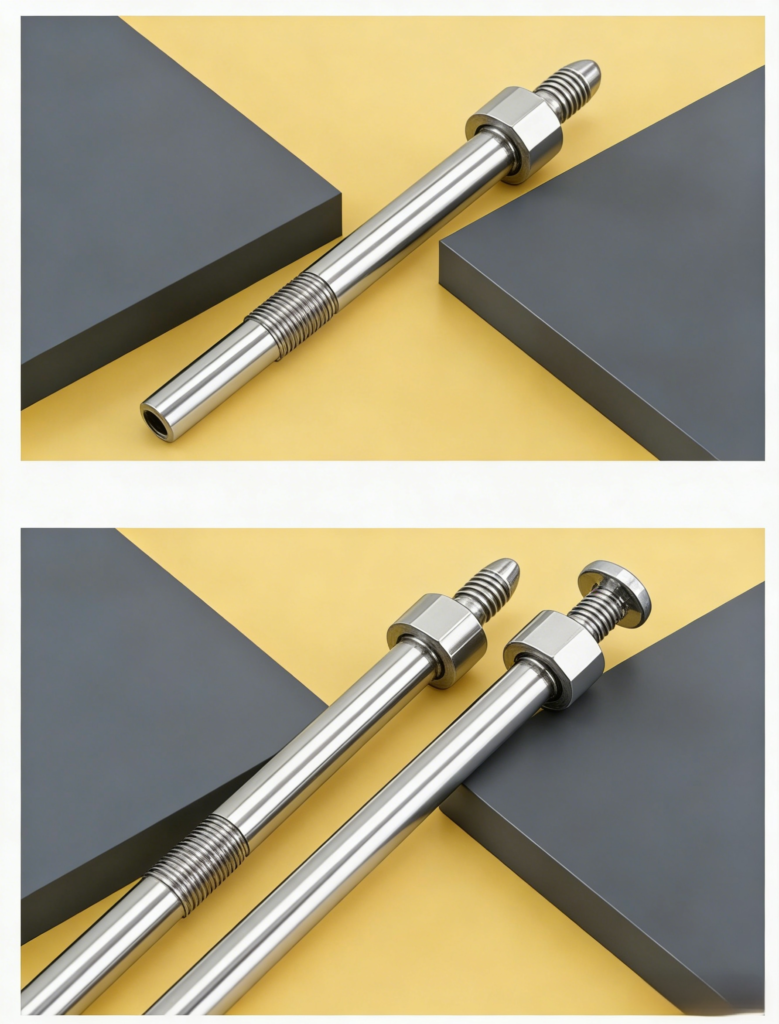
Customization Capabilities:
For applications requiring unique specifications, custom stainless steel shafts offer tailored solutions. Customization options include:
Customization Capabilities:
For applications requiring unique specifications, custom stainless steel shafts offer tailored solutions. Customization options include:
Diameter Tolerances:
Tight as ±0.0002 inch for precision bearing fits.
Surface Finishes:
Ground, polished, mirror polished, or matte finishes.
Heat Treatment:
Through hardening, case hardening, or stress relieving.
Machined Features:
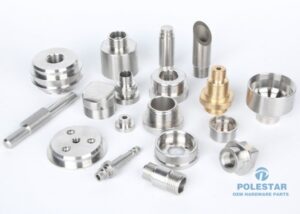
Threaded ends, keyways, retaining ring grooves, lubrication holes, wrench flats, and tapered sections.
Material Certification:
Chemical analysis and mechanical test reports for quality verification.
Manufacturing Processes:
Quality stainless steel shafts are produced through several precision processes:
Centerless Grinding: Produces precise diameter tolerances and smooth surface finishes. Ideal for linear motion shafts.
Turning: CNC lathe machining for stepped diameters, threads, and end features.
Polishing: Achieves mirror like finishes for seal surfaces and aesthetic applications.
Heat Treatment: Improves hardness and wear resistance for demanding applications.
Straightening: Corrects any bow or bend to meet straightness specifications.
Installation Best Practices:
Proper installation ensures the stainless steel shaft performs reliably:
Handle with Care: Protect ground and polished surfaces from nicks and scratches that can damage seals or bearings.
Clean Before Installation: Remove all shipping preservatives and debris. Use appropriate solvents that won’t damage seals.
Lubricate Properly: Apply recommended lubricant to bearing and seal contact surfaces.
Support During Assembly: Use proper tools to avoid bending or damaging the shaft during installation.
Verify Alignment: Check shaft alignment with bearings, seals, and driven components before operation.
Maintenance and Troubleshooting:
Regular attention to the stainless steel shaft prevents equipment failures:
Inspect for Wear: Check shaft surface for scoring, pitting, or galling. Replace worn shafts promptly.
Check for Corrosion: Even stainless steel can corrode in aggressive environments. Inspect regularly.
Verify Straightness: Periodically check shaft straightness, especially after overload events.
Monitor Bearing Condition: Worn bearings can damage shaft surfaces. Replace bearings at recommended intervals.
Common Failure Modes:
Understanding potential failure points helps with preventive maintenance:
Surface Scoring: Caused by contaminated lubricant or failed bearings. Damages seals and increases friction.
Corrosion Pitting: Occurs in aggressive environments with incompatible material grade.
Bending or Warping: Results from overload, improper handling, or excessive belt tension.
Wear at Bearing Surfaces: Progressive wear from normal operation, accelerated by contamination or poor lubrication.
Future Trends:
The stainless steel shaft continues to evolve with manufacturing technology:
Advanced Surface Treatments: Coatings that improve wear resistance and reduce friction.
Near Net Shape Manufacturing: Precision forging and rolling reduce machining requirements.
Additive Manufacturing: 3D printed shafts for complex, low volume applications.
Improved Alloys: New stainless grades with enhanced properties for specific applications.
Conclusion:
The stainless steel shaft may appear to be a simple component, but its role in modern machinery is profound. By providing reliable power transmission, precise linear guidance, and exceptional corrosion resistance, this essential component enables countless industrial applications to operate efficiently and dependably.
By understanding the material grades, selection criteria, and customization options outlined in this guide, you can confidently choose the right stainless steel shaft for your application—whether a standard off the shelf product or a custom engineered solution.