Reliable Stainless Steel Machining: Delivering Complex Parts with ±0.005mm Precision & Superior Finish
Request a Quote
Enter the quantity you need and add to your quote list for pricing inquiries.
Product Details
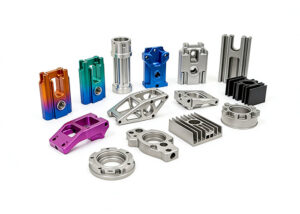
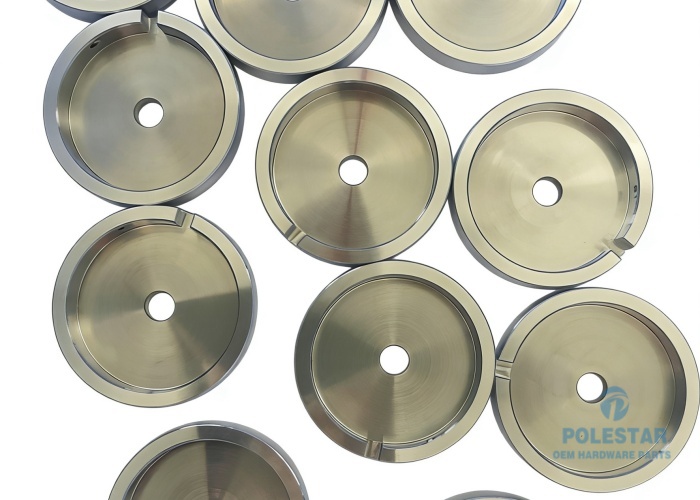
Stainless steel machining is the precision process of shaping and finishing stainless steel materials into high-quality components using advanced CNC technology. Known for its strength, corrosion resistance, and durability, stainless steel is ideal for demanding applications in aerospace, medical, automotive, and industrial equipment. Common grades such as 303, 304, 316, and 17-4 PH offer specific properties for diverse requirements. Through CNC turning, milling, and multi-axis machining, manufacturers achieve tight tolerances, complex geometries, and superior surface finishes. From prototypes to high-volume production, stainless steel machining delivers reliable, long-lasting components that meet rigorous quality standards.
Why Stainless Steel Machining?
Stainless steel is a family of iron-based alloys containing a minimum of 10.5 percent chromium, which forms a passive oxide layer that provides exceptional corrosion resistance. This unique characteristic, combined with outstanding mechanical properties, makes stainless steel one of the most widely used materials in precision machining.
Exceptional Corrosion Resistance:
The chromium content in stainless steel creates a self-healing oxide layer that protects against rust and corrosion in harsh environments. This property makes stainless steel machining ideal for components exposed to moisture, chemicals, saltwater, and extreme temperatures.
High Strength and Durability:
Stainless steel offers excellent tensile strength and impact resistance, ensuring that machined components maintain structural integrity under heavy loads and repeated stress. This durability translates to longer service life and reduced maintenance requirements.
Heat Resistance:
Many stainless steel grades maintain their mechanical properties at elevated temperatures, making them suitable for high-temperature applications such as exhaust systems, heat exchangers, and engine components.
Hygienic Properties:
Stainless steel’s non-porous surface resists bacterial growth and is easy to clean and sterilize. This makes it the material of choice for medical devices, pharmaceutical equipment, and food processing machinery.
Aesthetic Appeal:
Stainless steel components offer a clean, professional appearance that can be enhanced through various finishing techniques. The material’s natural luster and ability to accept surface treatments make it suitable for visible applications.
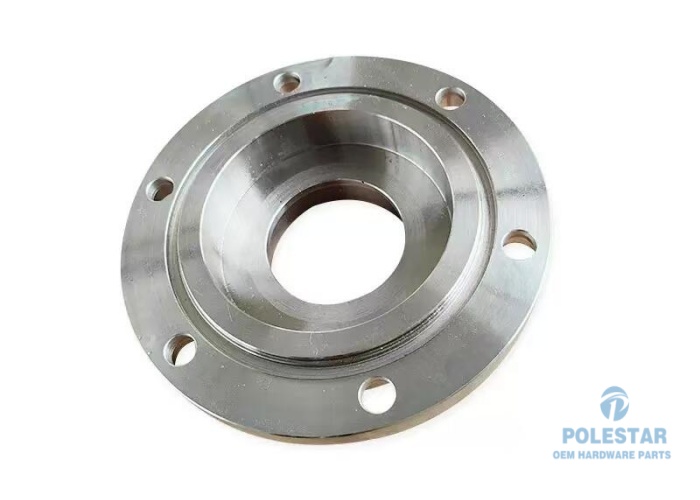
Common Stainless Steel Grades for Machining:
Different stainless steel grades offer varying properties suited to specific applications. Understanding these distinctions is essential for selecting the optimal material for each project.
303 Stainless Steel – Free Machining Grade:
303 stainless steel is specifically formulated for improved machinability. The addition of sulfur creates a free-machining alloy that produces clean chips and allows for higher cutting speeds. 303 is ideal for complex components requiring extensive machining, including fittings, shafts, gears, and fasteners. While it offers slightly lower corrosion resistance than 304, it remains suitable for most general applications.
304 Stainless Steel – Versatile General Purpose Grade:
304 stainless steel is the most widely used austenitic stainless steel. It offers excellent corrosion resistance, good formability, and high strength. 304 stainless steel machining is common for applications including food processing equipment, chemical containers, architectural components, and medical devices. Its combination of properties makes it suitable for a broad range of industries.
316 Stainless Steel – Marine Grade:
316 stainless steel contains molybdenum, which enhances corrosion resistance, particularly against chlorides and saltwater. 316 stainless steel machining is essential for marine applications, chemical processing equipment, pharmaceutical manufacturing, and medical implants. Its superior resistance to pitting and crevice corrosion makes it the preferred choice for harsh environments.
17-4 PH Stainless Steel – Precipitation Hardening Grade:
17-4 PH stainless steel combines high strength with good corrosion resistance. Through heat treatment, it achieves exceptional hardness while maintaining machinability in its pre-hardened state. 17-4 PH stainless steel machining is common for aerospace components, turbine blades, pump shafts, and high-stress industrial equipment.
416 Stainless Steel – Free Machining Martensitic Grade:
416 stainless steel offers excellent machinability combined with moderate corrosion resistance. It can be heat treated to achieve high hardness, making it suitable for valves, pump components, and mechanical parts requiring wear resistance.
Precision CNC Machining Processes for Stainless Steel:
Machining stainless steel presents unique challenges due to its work-hardening characteristics, low thermal conductivity, and high strength. Successful stainless steel machining requires specialized equipment, optimized cutting parameters, and extensive expertise.
CNC Turning:
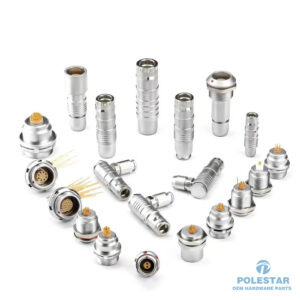
CNC turning produces cylindrical stainless steel components such as shafts, bushings, connectors, and fasteners. Stainless steel’s tendency to work-harden requires careful control of cutting speeds, feed rates, and tool selection. High-pressure coolant systems help manage heat generation and improve chip evacuation.
CNC Milling:
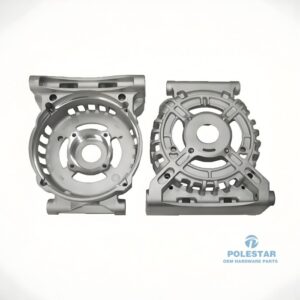
CNC milling creates complex geometries including pockets, slots, contours, and threaded features. Stainless steel milling demands rigid workholding, sharp cutting tools, and appropriate cutting parameters to prevent tool wear and maintain surface finish. Multi-axis milling centers enable the production of intricate parts with minimal setups.
Multi-Axis Machining:
For complex stainless steel components, 5-axis machining centers provide the ability to machine multiple faces in a single setup. This approach reduces fixturing errors, improves accuracy, and shortens lead times for aerospace, medical, and industrial components.
Swiss-Type Machining:
Swiss-type lathes are ideal for machining small, complex stainless steel components with high precision. This process is commonly used for medical devices, dental implants, and precision electronic components requiring tight tolerances and excellent surface finishes.
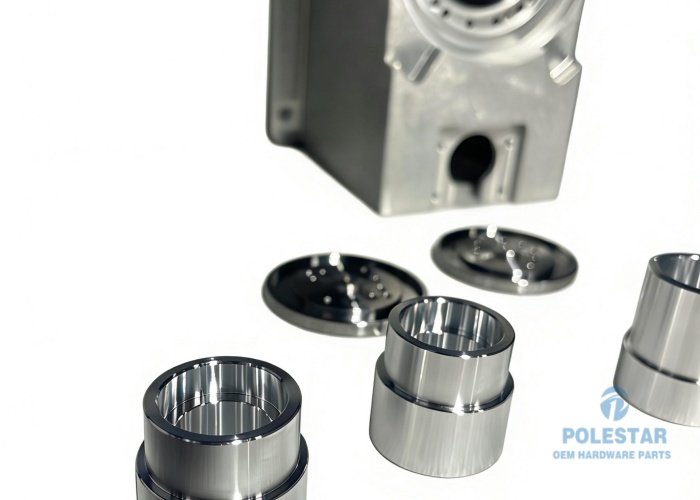
Surface Finishing and Treatments of Stainless Steel Machining:
Stainless steel machined parts can benefit from various surface treatments that enhance performance, corrosion resistance, and appearance.
Passivation:
Passivation removes free iron and surface contaminants while enhancing the natural oxide layer that provides corrosion resistance. This chemical treatment is essential for medical devices, pharmaceutical equipment, and components exposed to corrosive environments.
Electropolishing:
Electropolishing removes microscopic surface material, creating a smooth, bright finish that improves corrosion resistance and reduces surface roughness. This process is commonly used for medical implants, food processing equipment, and components requiring superior cleanability.
Mechanical Polishing:
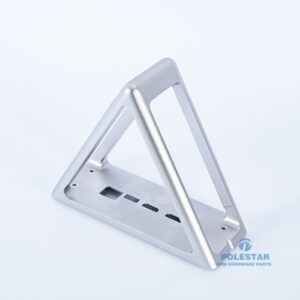
Mechanical polishing achieves various surface finishes, from matte to mirror-like. Surface finish affects wear resistance, fatigue performance, and aesthetic appearance. Polished stainless steel components are common in architectural, consumer, and visible industrial applications.
Heat Treatment:
Certain stainless steel grades, particularly precipitation hardening alloys like 17-4 PH, benefit from heat treatment to achieve specific mechanical properties. Heat treatment can increase hardness, strength, and wear resistance.
Applications Across Industries:
Stainless steel machining serves critical functions across a diverse range of industries.
Aerospace and Defense:
Aerospace applications demand components that combine high strength with corrosion resistance and reliability. Stainless steel machined parts are used in aircraft structural components, engine mounts, hydraulic system fittings, fasteners, and landing gear components. The aerospace industry relies on stainless steel for its durability and ability to withstand extreme operating conditions.
Medical and Healthcare:
The medical industry requires components manufactured to the highest standards of precision, cleanliness, and biocompatibility. Stainless steel machined parts are used in surgical instruments, orthopedic implants, dental devices, diagnostic equipment, and medical device housings. 316 stainless steel is particularly valued for its corrosion resistance and biocompatibility.
Automotive and Transportation:
Automotive applications benefit from stainless steel’s strength, heat resistance, and durability. Stainless steel machined parts include engine components, exhaust system components, fuel system parts, transmission components, and structural elements. Motorsports applications prioritize reliability and performance under extreme conditions.
Food and Beverage Processing:
The food industry requires components that resist corrosion, are easy to clean, and meet stringent hygiene standards. Stainless steel machined parts are used in processing equipment, packaging machinery, valves, fittings, and sanitary components. 304 and 316 stainless steel are preferred for their corrosion resistance and cleanability.
Industrial Equipment:
Chemical processing equipment, power generation components, and manufacturing machinery utilize stainless steel machined parts for their durability and corrosion resistance. Pump components, valve bodies, heat exchangers, and pressure vessels commonly rely on stainless steel.
Marine and Offshore:
Marine applications demand exceptional corrosion resistance in saltwater environments. Stainless steel machined parts are used in propeller shafts, pump housings, valves, fittings, and underwater instrumentation housings. 316 stainless steel is the standard choice for marine environments.
Quality Assurance and Certification:
ISO 9001:2015 Certification: Our quality management system is ISO 9001 certified, demonstrating commitment to consistent processes, continuous improvement, and customer satisfaction.
Material Traceability: Complete material traceability ensures that every component can be traced back to its original material certification, essential for regulated industries such as aerospace and medical.
In-Process Inspection: Quality is monitored throughout the machining process with real-time dimensional checks and statistical process control, enabling immediate correction of any deviations.
CMM Verification: Coordinate Measuring Machines provide final verification of component dimensions, ensuring that even the tightest tolerances are consistently achieved.
Selecting the Right Stainless Steel Machining Partner:
Choosing the right partner for stainless steel machining is essential for achieving optimal results.
Technical Expertise: Stainless steel machining requires specialized knowledge of tooling, cutting parameters, and process optimization. An experienced partner understands the nuances that distinguish successful machining from costly failures.
Equipment Capabilities: Advanced CNC equipment with high-pressure coolant systems, rigid workholding, and precision tooling is essential for efficient stainless steel machining.
Quality Systems: Comprehensive quality systems ensure consistent production, documented traceability, and compliance with industry standards.
Scalable Solutions: From prototype development to high-volume production, the right partner offers capabilities that scale with your project requirements.
Conclusion:
Stainless steel machining is a precision manufacturing discipline that transforms one of the world’s most versatile materials into high-performance components for critical applications. From aerospace structures to medical implants, these parts deliver the strength, corrosion resistance, and reliability that demanding environments require.
Whether your project requires prototype development or high-volume production, partnering with an experienced stainless steel machining expert ensures that your components meet the most demanding specifications.
Request a Quote Today – Contact us to discuss your stainless steel machining requirements and discover how our precision manufacturing capabilities can bring your designs to life.