
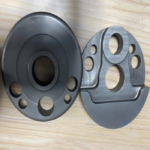
OEM Custom Reliable Stainless Steel Flange Plate 150mm Diameter 316 Threaded Flange Plate
Request a Quote
Enter the quantity you need and add to your quote list for pricing inquiries.
Product Details
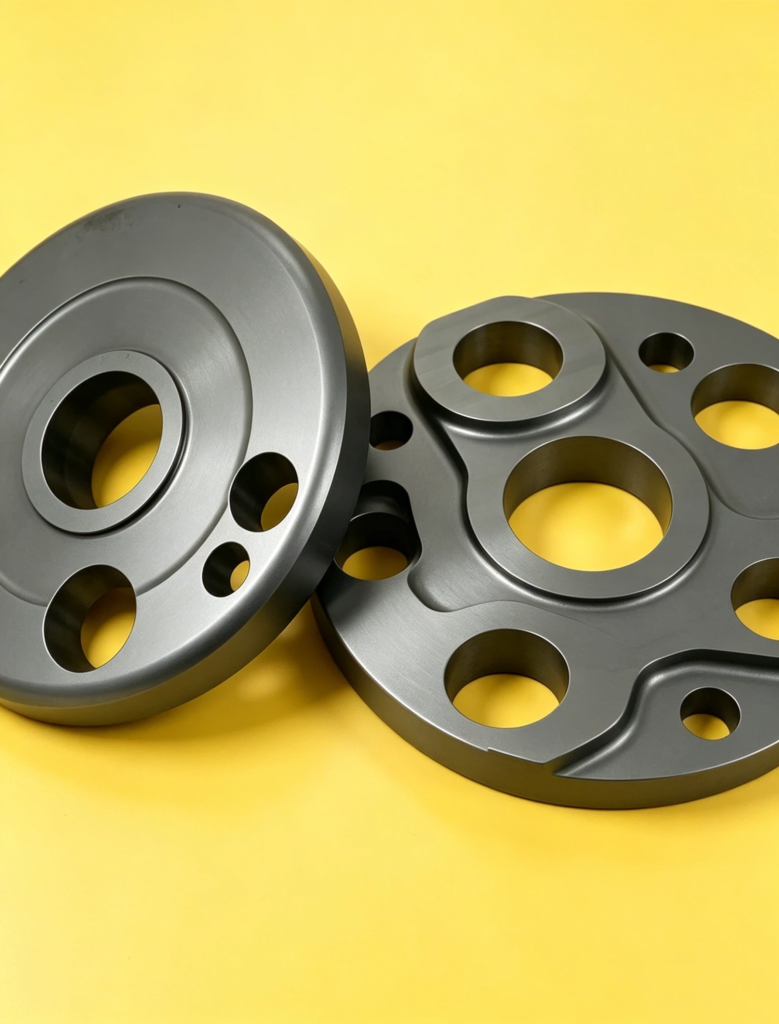
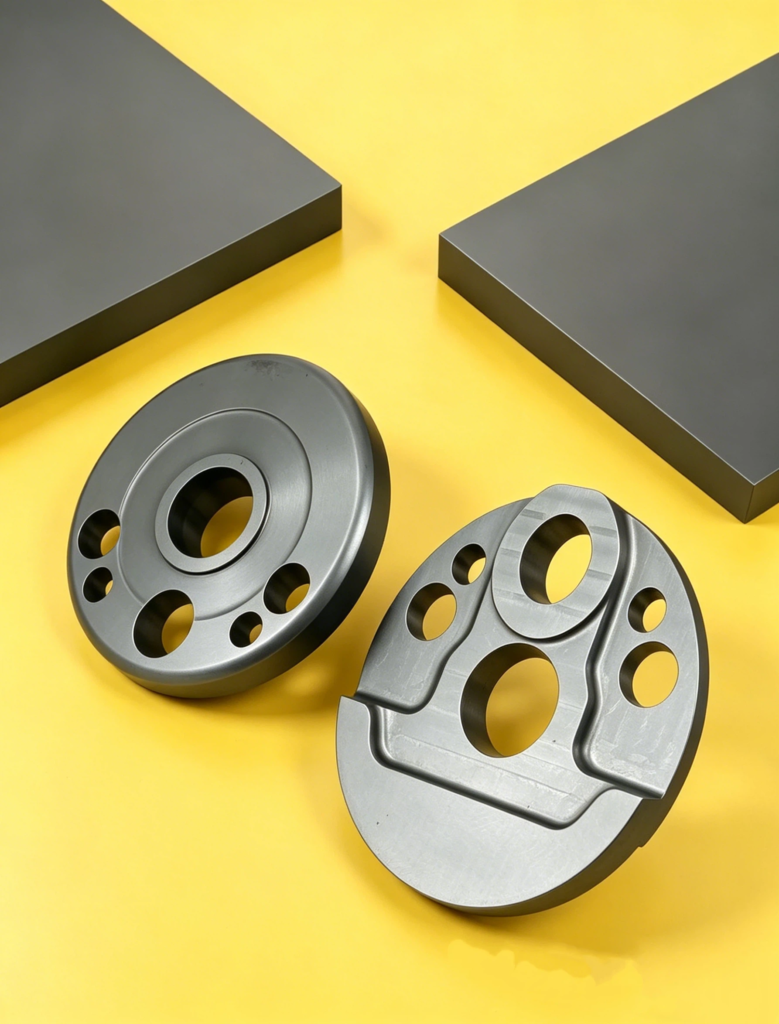
A stainless steel flange plate is a flat, circular or square metal disc used to connect pipes, valves, pumps, or other equipment in a piping system. It provides a leak-proof, detachable joint that allows easy assembly, disassembly, and maintenance. Manufactured from 304, 304L, 316, or 316L stainless steel. Available in custom sizes from 1/2 inch to 24 inches diameter, thicknesses from 5mm to 50mm, and flange types including slip-on, blind, weld neck, threaded, socket weld, and lap joint. Features include precision machined faces, raised or flat face options, and drilled bolt holes to ANSI, DIN, or JIS standards. Suitable for chemical, food processing, marine, pharmaceutical, and water treatment applications. Custom flange plates available with specific bolt patterns and surface finishes.
What Is a Stainless Steel Flange Plate?
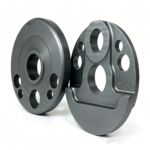
A stainless steel flange plate is a flat metal disc with bolt holes around its perimeter, designed to connect two sections of pipe or to attach a pipe to a valve, pump, or other equipment. The stainless steel flange plate creates a mechanical joint that can be assembled and disassembled repeatedly, making it ideal for systems requiring regular maintenance or modification.
The stainless steel flange plate is characterized by its flat or raised sealing face, precision-drilled bolt holes, and corrosion-resistant construction. Typical features include a machined sealing surface (flat or raised), bolt holes on a standard bolt circle, a gasket groove or serrated finish for sealing, stamped or engraved identification markings, and various face types including RF (raised face), FF (flat face), and RTJ (ring type joint). Sizes typically range from 1/2 inch to 24 inches in diameter, with thicknesses from 5mm to 50mm. The stainless steel flange plate is manufactured to ANSI, ASME, DIN, or JIS standards.
Common Stainless Steel Grades for Flange Plates:
304 Stainless Steel is the most common grade for stainless steel flange plate production. It offers good corrosion resistance, excellent formability, and cost effectiveness. Suitable for general industrial applications, water treatment, and food processing.
304L Stainless Steel provides the same corrosion resistance as 304 with lower carbon content for improved weldability. Suitable for welded flange assemblies and applications requiring heavy welding.
316 Stainless Steel offers superior corrosion resistance, especially against chlorides and salt water. Contains molybdenum for enhanced protection. Suitable for marine, chemical, and pharmaceutical applications.
316L Stainless Steel combines the corrosion resistance of 316 with lower carbon content for better weldability. Suitable for marine and chemical applications requiring extensive welding.
Duplex Stainless Steel provides higher strength and excellent chloride stress corrosion cracking resistance. Suitable for offshore, desalination, and chemical processing.
Types of Stainless Steel Flange Plate:
Slip On Flange Plate:
A stainless steel flange plate that slides over the pipe end before welding. Features a slightly larger bore than pipe OD. Suitable for low to medium pressure applications and general piping systems.
Blind Flange Plate:
A solid stainless steel flange plate with no center hole. Used to seal the end of a pipe, valve, or pressure vessel opening. Suitable for pipe caps, inspection ports, and pressure testing.
Weld Neck Flange Plate:
A stainless steel flange plate with a tapered hub that welds to the pipe. Provides excellent stress distribution and high strength. Suitable for high pressure, high temperature, and critical applications.
Threaded Flange Plate:
A stainless steel flange plate with internal threads that screw onto threaded pipe. Requires no welding. Suitable for low pressure, non-critical applications and explosive environments where welding is unsafe.
Socket Weld Flange Plate:
A stainless steel flange plate with a socket that accepts the pipe end for fillet welding. Suitable for small diameter, high pressure piping.
Lap Joint Flange Plate:
A stainless steel flange plate used with a stub end, allowing the flange to rotate for easy bolt alignment. Suitable for systems requiring frequent disassembly.
Applications Across Industries:
Chemical Processing:
Stainless steel flange plate connects pipes carrying corrosive chemicals, acids, and solvents. 316L material resists chemical attack and provides leak-proof joints.
Food and Beverage:
Stainless steel flange plate connects sanitary pipes in dairy, brewery, and food processing plants. Smooth surfaces prevent bacterial growth and allow easy cleaning.
Marine and Offshore:
Stainless steel flange plate resists saltwater corrosion in shipboard piping, offshore platforms, and desalination plants. 316 and duplex grades provide long service life.
Pharmaceutical:
Stainless steel flange plate meets sanitary standards for pharmaceutical manufacturing. Electropolished finishes prevent product contamination.
Water Treatment:
Stainless steel flange plate connects pipes in municipal water treatment, wastewater treatment, and desalination facilities.
Oil and Gas:
Stainless steel flange plate handles corrosive well fluids and seawater injection in offshore and onshore facilities.
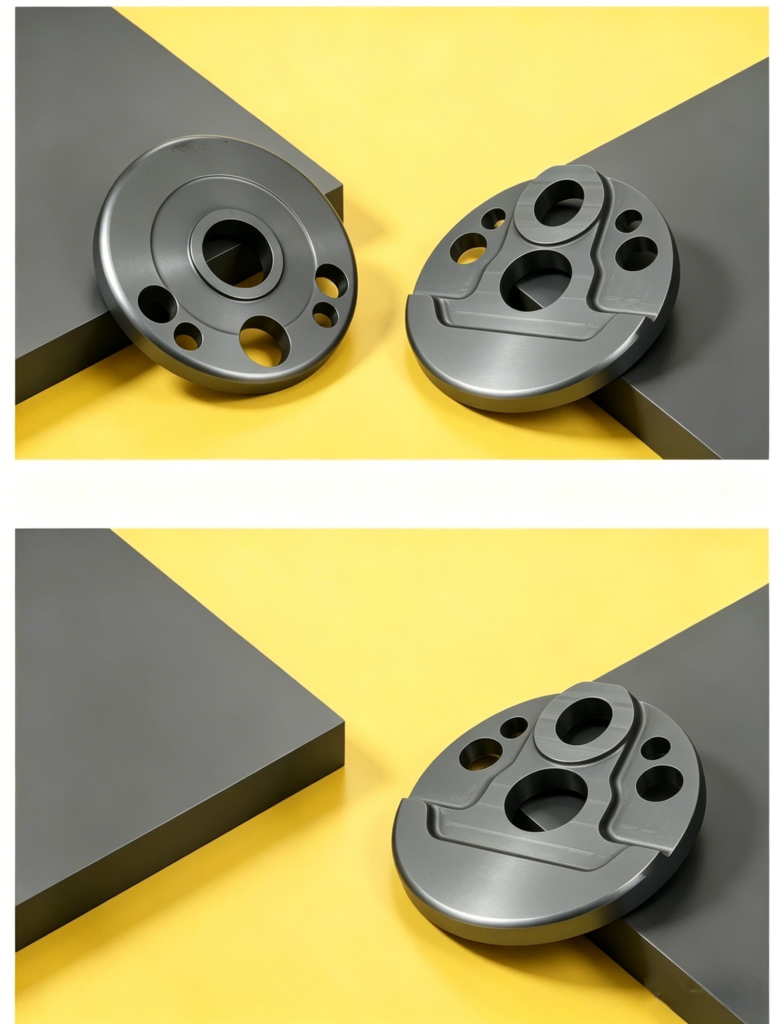
Excellent Case: Chemical Plant Piping System
Background: A chemical plant needed to replace carbon steel flanges that were corroding rapidly from acid exposure, causing leaks and unplanned shutdowns every 6 months.
Solution: Stainless steel flange plate units were installed using 316L material with raised face finish. Blind flanges sealed unused connections. Slip-on flanges were used for general piping.
Results:
- Corrosion Resistance: No visible corrosion after 3 years of acid exposure
- Leaks: Zero flange leaks compared to monthly leaks previously
- Service Life: Extended from 6 months to 10+ years
- Maintenance: Reduced flange maintenance by 90 percent
- Safety: Eliminated acid spill risks from leaking flanges
This case demonstrates how the stainless steel flange plate provides corrosion resistance and reliability in chemical applications.
How to Select the Right Stainless Steel Flange Plate:
Choosing the appropriate stainless steel flange plate requires careful consideration of several factors. Pipe diameter determines flange size and bolt circle. Pressure rating determines flange thickness and class. Fluid type determines material grade, with 304 for mild corrosives and 316 for chlorides. Temperature affects material selection and pressure rating. Flange type depends on application, with slip-on for general use and weld neck for high pressure. Face type should match gasket and sealing requirements.
Installation Best Practices:
Proper installation ensures the stainless steel flange plate performs reliably. Clean flange faces thoroughly before assembly. Use new gasket of correct material and size. Apply anti-seize lubricant to bolt threads. Tighten bolts in a star pattern to ensure even pressure. Use torque wrench to achieve specified bolt torque. Verify alignment before final tightening. Pressure test system after installation.
Conclusion:
The stainless steel flange plate represents a critical component for reliable, leak-proof piping connections in corrosive environments. By providing excellent corrosion resistance, high strength, and detachable joints, it enables safe, maintainable piping systems across chemical, food, marine, pharmaceutical, and water treatment applications. By understanding the types, materials, and selection criteria outlined in this guide, the right stainless steel flange plate can be selected for any application.