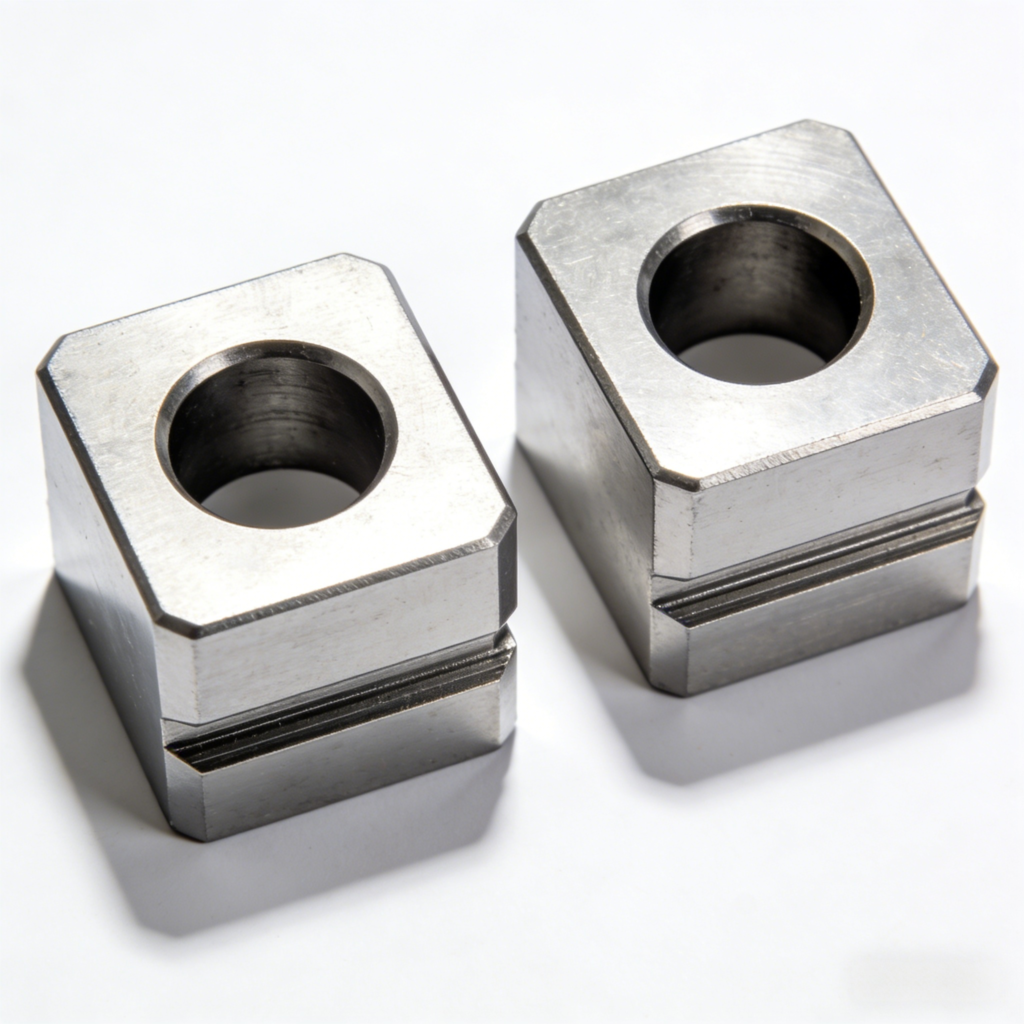
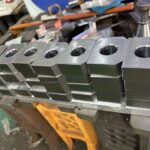
Excellent Fully Customizable Square Bushing 4 Bolt Mounting Precision Machined Steel Bushing for Linear Motion Systems
Request a Quote
Enter the quantity you need and add to your quote list for pricing inquiries.
Product Details
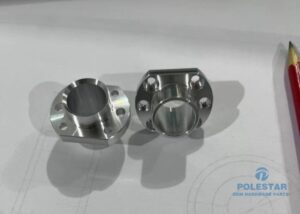
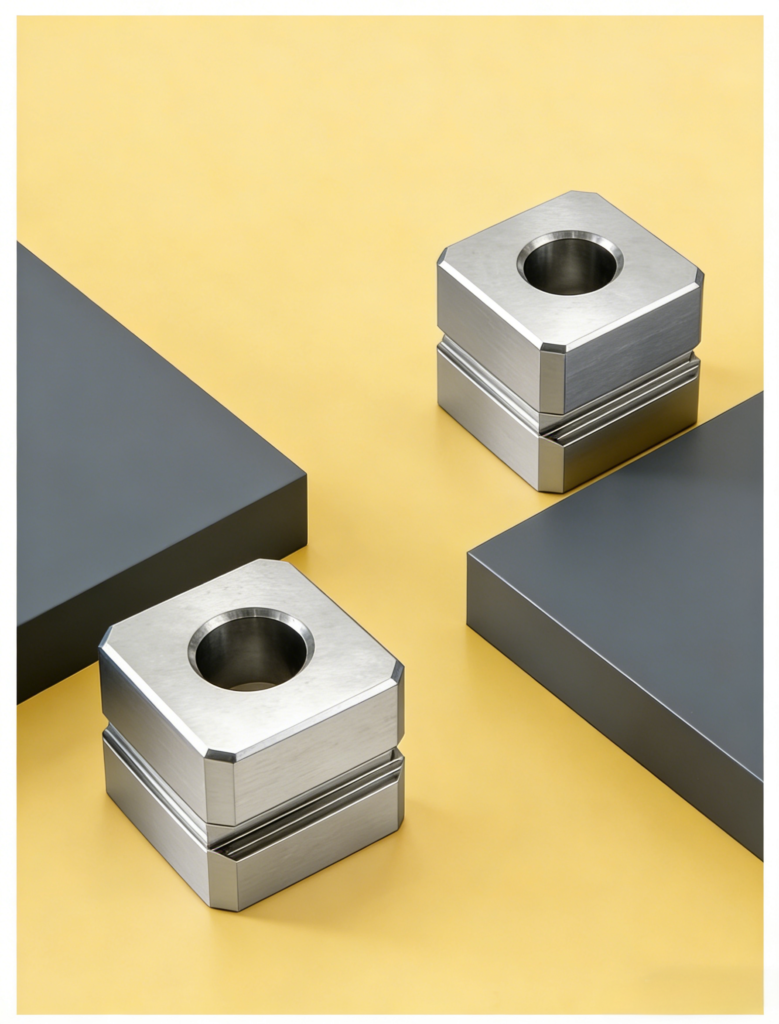
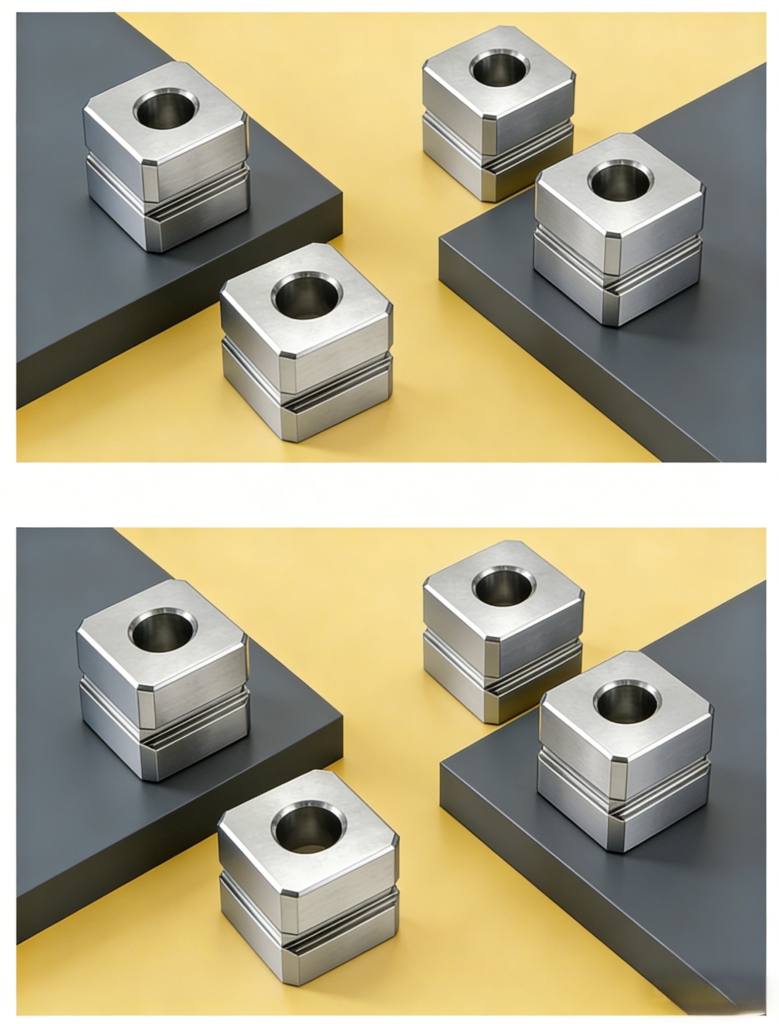
The square bushing is a precision component that provides bearing support and alignment in square mounting holes. It reduces friction, absorbs vibration, and prevents wear. Made from bronze, steel, stainless steel, or nylon. Available in custom sizes with features like flanges or lubrication ports. Ideal for industrial machinery, hydraulic cylinders, and conveyor systems.
What Is a Square Bushing?
A square bushing is a precision machined component designed to fit into square or rectangular mounting holes, providing a bearing surface for rotating or reciprocating shafts, pins, or other mechanical elements. Unlike round bushings that require round mounting holes, the square bushing allows designers to use square housings or structural members, offering unique advantages in certain applications.
The component performs several critical functions. It provides a low friction bearing surface that reduces wear between moving parts. It maintains proper alignment between mating components. It absorbs shock and vibration, protecting more expensive equipment. It prevents metal to metal contact, eliminating galling and seizure. It allows easy replacement of worn bearing surfaces without replacing entire assemblies.
Available in various materials and configurations, the square bushing is fundamental to countless mechanical systems across virtually every industry.
How a Square Bushing Works:
The operation of a square bushing depends on its specific application, but the fundamental principle remains consistent. The bushing is inserted into a square mounting hole or housing. The shaft, pin, or other moving component passes through the bushing inner diameter. As the shaft rotates or reciprocates, the bushing provides a smooth, low friction surface that supports the moving part while protecting the surrounding structure.
Several critical factors determine bushing performance. Material selection affects friction coefficient, wear resistance, and load capacity. Dimensional accuracy ensures proper fit with both the housing and the moving component. Surface finish influences friction and wear characteristics. Lubrication method affects operating temperature and service life.
For optimal performance, the square bushing must be manufactured with precise outer dimensions to fit the square housing, accurate inner diameter for the shaft, and appropriate material properties for the specific operating conditions.
Types of Square Bushings:
To optimize for SEO and help users find the right product, it is important to categorize the different types available:
Plain Square Bushing:
Simple design without flanges or special features. Provides basic bearing support in square housings. Cost effective for general purpose applications.
Flanged Square Bushing:
Features an integral flange that provides axial positioning and prevents the bushing from moving through the housing. Ideal for applications requiring positive retention.
Self Lubricating Square Bushing:
Impregnated with oil, graphite, or other solid lubricants that provide continuous lubrication without external greasing. Perfect for maintenance sensitive or hard to reach locations.
PTFE Lined Square Bushing:
Features a PTFE (Teflon) inner liner that provides extremely low friction and excellent chemical resistance. Suitable for high speed or high temperature applications.
Split Square Bushing:
Designed with a longitudinal split that allows installation without removing the shaft. Essential for repair and maintenance applications.
Thrust Square Bushing:
Designed to handle axial loads in addition to radial loads. Features a thrust face or flange.
Custom Square Bushing:
Engineered to exact specifications including unique dimensions, materials, tolerances, and special features.
Materials and Properties:
The performance of a square bushing depends heavily on material selection:
Bronze:
The most common material for heavy duty bushings. Excellent wear resistance, high load capacity, and good corrosion resistance. Available in oil impregnated versions for self lubrication.
Brass:
Good corrosion resistance and machinability. Suitable for lower load applications and decorative or marine uses.
Steel:
High strength and durability. Often hardened or surface treated for wear resistance. May require separate lubrication.
Stainless Steel:
Excellent corrosion resistance. Suitable for food processing, medical, marine, and chemical applications.
Cast Iron:
Good vibration damping properties. Economical for large bushings in industrial equipment.
Nylon:
Lightweight, corrosion proof, and self lubricating. Suitable for light duty applications, especially where noise reduction is important.
PTFE Composites:
Ultra low friction, wide temperature range, and chemical resistance. Ideal for high speed or maintenance free applications.
Key Applications Across Industries:
The versatility of the square bushing makes it essential across numerous sectors:
Industrial Machinery:
Square bushings support rotating shafts, guide linear motions, and provide wear surfaces in presses, stamping machines, and packaging equipment.
Agricultural Equipment:
Tractors, harvesters, and planters use square bushings in linkage systems, pivot points, and adjustable mechanisms exposed to dirt and moisture.
Hydraulic Cylinders:
Square bushings provide bearing support for cylinder rods and pivot pins in construction and material handling equipment.
Conveyor Systems:
Bushings support rollers, guide chains, and provide wear surfaces at pivot points along conveyor lines.
Automotive:
Suspension components, steering linkages, and pedal assemblies use square bushings for durable, low friction pivots.
Marine:
Corrosion resistant square bushings support rudders, steering systems, and deck equipment in saltwater environments.
Food Processing:
Stainless steel or FDA compliant plastic bushings provide bearing surfaces in washdown environment.
How to Select the Right Square Bushing:
Choosing the appropriate square bushing requires careful consideration of several factors:
Housing Size:
The outer dimensions must precisely match the square or rectangular mounting hole. Measure carefully and specify tolerances.
Shaft Diameter:
The inner diameter must fit the shaft, pin, or moving component with appropriate clearance for your application.
Load Requirements:
Consider radial loads and any axial thrust loads. Higher loads require stronger materials like bronze or steel.
Operating Speed:
Higher speeds require lower friction materials like PTFE or oil impregnated bronze.
Temperature Range:
Extreme temperatures may require specialized materials. Bronze and steel handle high temperatures while nylon is limited to moderate temperatures.
Environmental Conditions:
Moisture, chemicals, and contaminants influence material selection. Stainless steel or plastic for corrosive environments.
Lubrication Method:
Decide between external greasing, self lubricating materials, or maintenance free designs.
Customization Needs:
For unique applications, custom bushings can be engineered to specific dimensions and configurations.
Customization Capabilities:
For applications requiring unique specifications, custom square bushings offer tailored solutions. Customization options include:
Outer Dimensions:
Specific width, height, and length to fit unique square or rectangular housings with tight tolerances such as ±0.001 inch.
Inner Diameter:
Precise shaft clearance based on application requirements.
Wall Thickness:
Custom thickness for strength or space constraints.
Flange Design:
Integral flanges for axial positioning with specific outer diameter and thickness.
Material Selection:
Bronze, brass, steel, stainless steel, cast iron, nylon, or PTFE composites.
Special Features:
Lubrication grooves, oil holes, split designs, or keyways.
Surface Treatment:
Plating, coating, or anodizing for enhanced corrosion protection.
Installation Best Practices:
Proper installation ensures the square bushing performs reliably:
Clean Housing Thoroughly:
Remove all debris, burrs, and old lubricant from the square mounting hole before installation.
Inspect for Damage:
Check the bushing for cracks, nicks, or dimensional issues before installation.
Use Proper Tools:
Press or tap the bushing into place using tools that contact the bushing evenly. Never strike the bushing directly with a hammer.
Apply Lubricant:
For non self lubricating bushings, apply appropriate grease or oil during installation.
Verify Fit:
After installation, confirm the bushing is fully seated and the shaft moves freely.
Maintenance and Troubleshooting:
Regular attention to the square bushing prevents equipment failures:
Inspect for Wear:
Periodically check bushing inner diameter for excessive wear or ovality. Replace worn bushings promptly.
Monitor Operating Temperature:
Excessive heat indicates lubrication issues or overload conditions.
Listen for Noise:
Squeaking or grinding sounds suggest lubrication failure or excessive wear.
Lubricate as Required:
Follow manufacturer recommendations for relubrication intervals.
Check for Looseness:
Excessive clearance between bushing and shaft or housing indicates wear requiring replacement.
Common Failure Modes:
Understanding potential failure points helps with preventive maintenance:
Wear Out:
Normal progressive wear from operation. Accelerated by contamination or poor lubrication.
Extrusion:
Soft bushing materials deform under high loads, squeezing out of the housing.
Fretting Corrosion:
Small relative motion between bushing and housing causes surface damage.
Thermal Degradation:
Excessive heat damages plastic or PTFE bushings, causing softening or melting.
Future Trends:
The square bushing continues to evolve with materials and manufacturing technology:
Advanced Polymers:
New engineering plastics offer higher load capacity and temperature resistance.
Smart Bushings:
Embedded wear sensors indicate when replacement is needed.
Additive Manufacturing:
3D printed bushings for custom, low volume applications.
Environmentally Friendly Materials:
Lead free bronzes and bio based polymers for sustainability.
Conclusion:
The square bushing may appear to be a simple component, but its role in mechanical systems is profound. By providing low friction bearing surfaces, maintaining alignment, and protecting equipment from wear, this essential component enables reliable operation across countless industrial applications.
By understanding the types, materials, and selection criteria outlined in this guide, you can confidently choose the right square bushing for your application—whether a standard off the shelf product or a custom engineered design with tight tolerances.