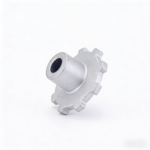
Custom Extremely Optimized Spur Gear Set 20 to 120 Teeth Range Hardened Steel Construction Extreme Reliability
Request a Quote
Enter the quantity you need and add to your quote list for pricing inquiries.
Product Details
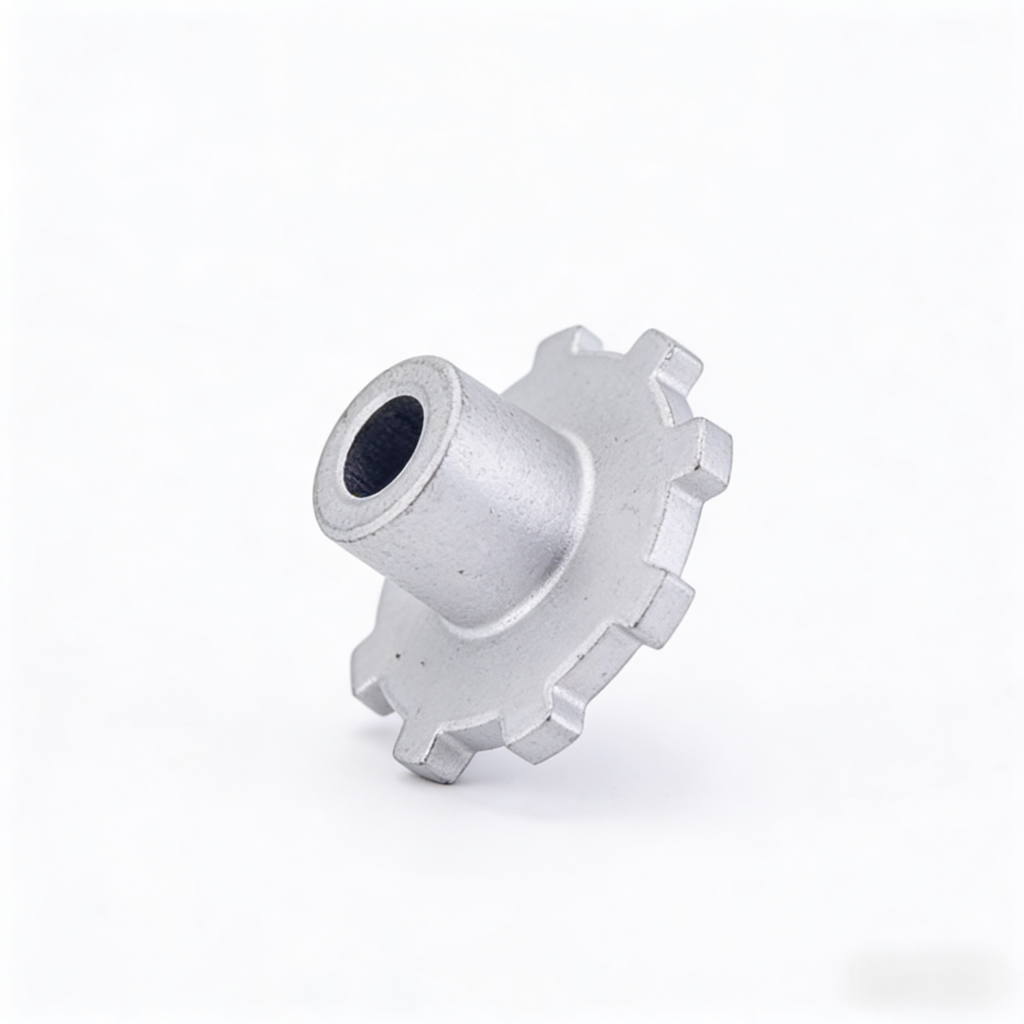
Precision engineered spur gear set provides reliable power transmission for parallel shaft applications requiring constant speed and high efficiency. Manufactured from high quality materials including steel, brass, plastic, or nylon to suit diverse load and noise requirements. Each gear set is precision cut with tight tolerances for smooth engagement, low backlash, and extended service life. Ideal for industrial machinery, automotive systems, robotics, 3D printers, and consumer electronics where accurate motion control and durability are essential. Available in multiple sizes, gear ratios, and module configurations.
What Is a Spur Gear Set?
A spur gear set consists of two or more spur gears designed to mesh together and transmit rotational motion and torque between parallel shafts. The larger gear is typically referred to as the gear or wheel, while the smaller gear is called the pinion. When the pinion rotates, its teeth engage with the teeth of the larger gear, causing it to rotate in the opposite direction.
Spur gear sets are characterized by their simplicity, efficiency, and reliability. Unlike helical or bevel gears, spur gears produce no axial thrust, simplifying bearing and housing design. They are available in a wide range of sizes, tooth counts, and materials to suit virtually any application requiring power transmission between parallel shafts.
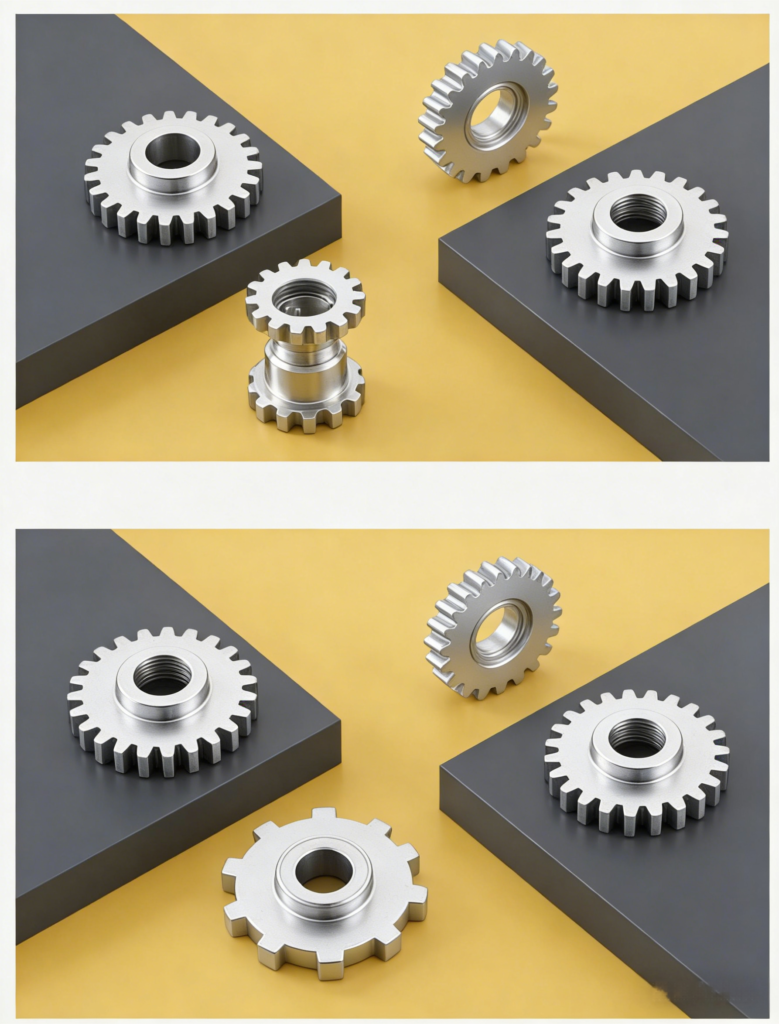
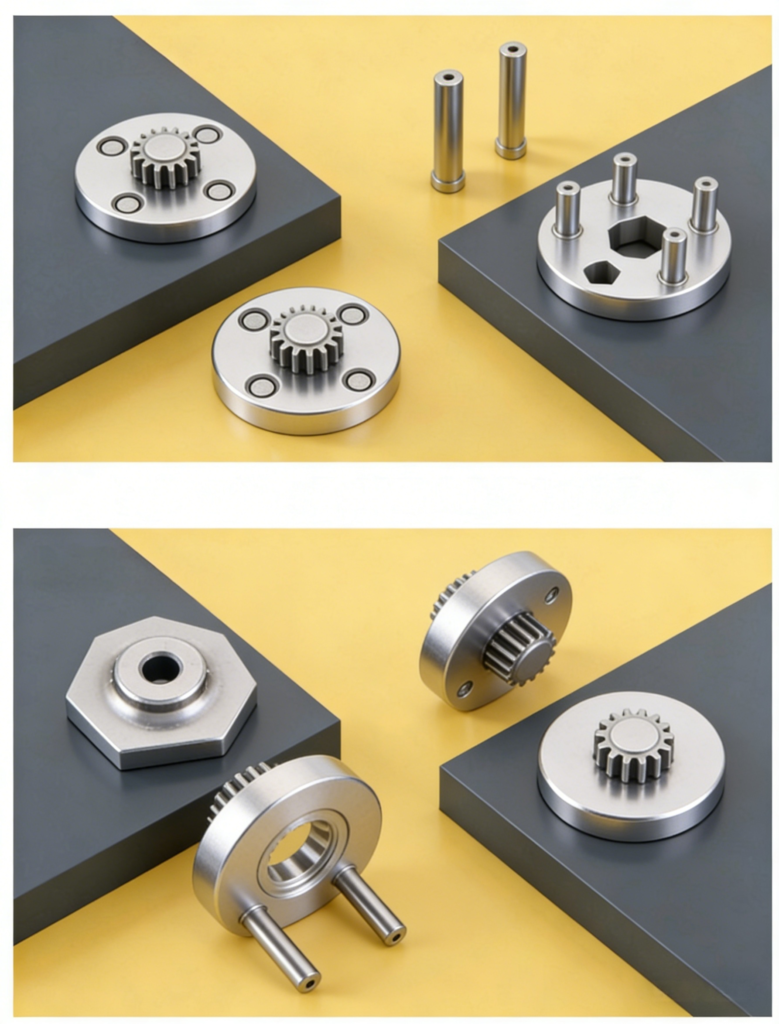
Key Design Parameters of Spur Gear Sets:
Understanding the key design parameters helps in selecting the right spur gear set:
Module (Metric) or Diametral Pitch (Imperial):
Module defines the size of the teeth in metric systems, while diametral pitch (DP) is used in imperial systems. Common module values range from 0.5 to 10 mm. Matching module or DP is essential for proper meshing.
Number of Teeth:
The tooth count determines the gear ratio and affects torque transmission and smoothness. Pinions typically have fewer teeth than the driven gear.
Pressure Angle:
Standard pressure angles are 20 degrees (most common) and 14.5 degrees. A 20-degree pressure angle provides higher load capacity and reduced risk of undercutting.
Face Width:
The width of the tooth measured parallel to the shaft axis. Wider faces distribute load better but increase weight and cost.
Bore Diameter:
The center hole that mounts onto the shaft. Available in standard sizes or custom machined to specification.
Gear Ratio:
Calculated as the number of teeth on the driven gear divided by the number of teeth on the driving pinion. Determines speed reduction or increase.
Common Materials for Spur Gear Sets:
Material selection significantly impacts performance, durability, and cost:
Steel:
Carbon steel and alloy steels such as 1045, 4140, and 8620 offer high strength, excellent wear resistance, and durability for heavy-duty applications. Heat treatment including case hardening or through hardening extends service life.
Stainless Steel:
303, 304, and 316 stainless steel provide corrosion resistance for marine, food processing, and medical applications while maintaining good strength.
Brass:
Brass gears offer good corrosion resistance, low friction, and quiet operation. They are commonly used in light-duty applications, instruments, and consumer products.
Plastic (POM, Nylon, Acetal):
Plastic spur gear sets provide lightweight construction, quiet operation, and self-lubricating properties. They are ideal for 3D printers, toys, and consumer electronics.
Cast Iron:
Cast iron offers good wear resistance and vibration damping for industrial machinery applications.
Manufacturing Processes:
Gear Hobbing:
A hobbing machine uses a rotating cutting tool (hob) to cut teeth into the gear blank. This is the most common method for producing spur gear sets in medium to high volumes.
CNC Milling:
For custom or low-volume production, CNC milling machines cut teeth directly into the material, offering flexibility for complex designs.
Gear Shaping:
A reciprocating cutting tool shapes the teeth, suitable for gears with shoulders or other features that interfere with hobbing.
Injection Molding:
For plastic spur gear sets, injection molding enables high-volume production with excellent repeatability and low per-unit cost.
Key Advantages of Spur Gear Sets:
Spur gear sets offer numerous benefits that make them the preferred choice for countless applications:
High Efficiency:
Spur gear sets achieve efficiency ratings of 95-99% per meshing stage, making them one of the most efficient power transmission methods available.
Simple Design:
Straight teeth and parallel shaft orientation simplify manufacturing, assembly, and maintenance compared to other gear types.
No Axial Thrust:
Unlike helical gears, spur gears produce no axial forces, eliminating the need for thrust bearings and simplifying housing design.
Cost Effective:
Straightforward manufacturing processes and wide availability make spur gear sets more affordable than helical, bevel, or worm gear sets.
Compact Size:
Spur gear sets can transmit high torque within a small footprint, making them ideal for space-constrained applications.
Easy Replacement:
Standardized modules and tooth profiles ensure compatibility with existing systems and easy sourcing of replacement parts.
Predictable Performance:
The simple geometry results in predictable torque transmission, speed ratios, and wear characteristics.
Key Applications Across Industries:
Industrial Machinery:
Spur gear sets are found in machine tools, conveyors, packaging equipment, printing presses, and material handling systems.
Automotive:
Transmissions, differentials, windshield wiper motors, power seat adjusters, and window lift mechanisms utilize spur gear sets.
Robotics:
Robot joints, servo gearboxes, and drive trains rely on precision spur gear sets for accurate motion control.
3D Printers:
Extruder drives, bed leveling mechanisms, and filament feeding systems use small plastic or metal spur gear sets.
Consumer Electronics:
Printers, scanners, cameras, CD/DVD drives, and home appliances incorporate spur gear sets for motion transmission.
Medical Devices:
Surgical tools, diagnostic equipment, infusion pumps, and patient mobility devices depend on reliable spur gear sets.
Aerospace:
Actuators, flap control systems, and instrument drives use high-precision spur gear sets.
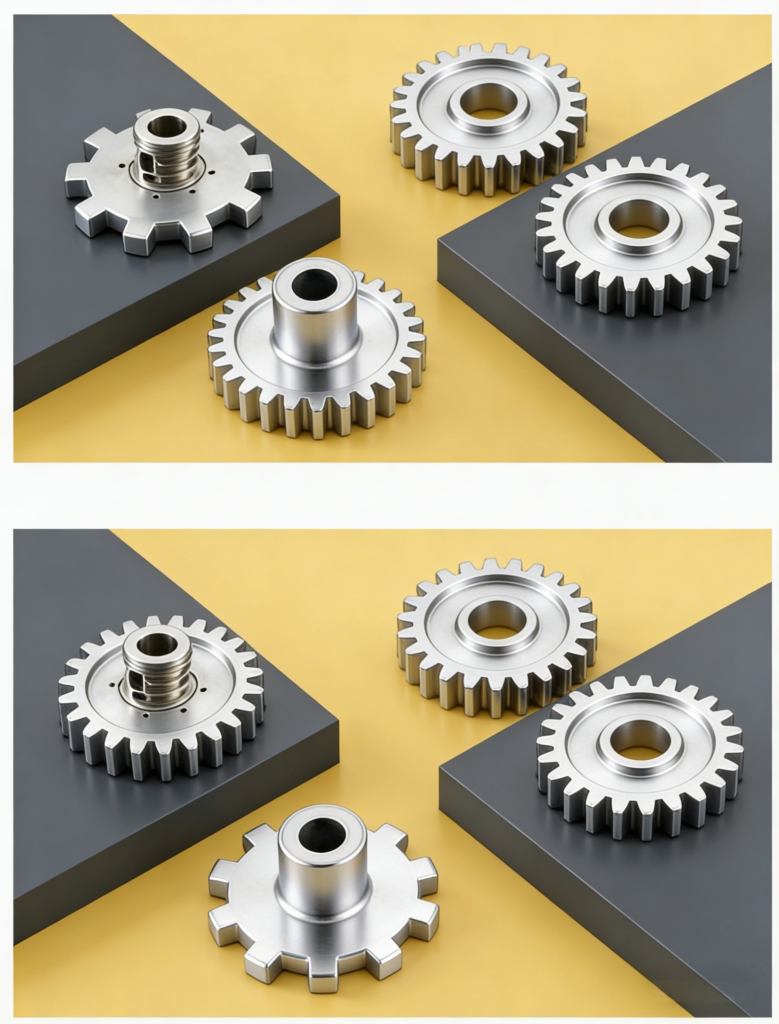
How to Select the Right Spur Gear Set:
Determine Load Requirements: Calculate torque, speed, and service factors. Heavy loads require steel or stainless steel; light loads may use plastic or brass.
Select Module or Diametral Pitch: Match the module or DP of both gears in the set. Mismatched teeth will not mesh properly.
Choose Gear Ratio: Determine required speed reduction or increase based on driver and driven speeds.
Specify Material: Select based on strength, corrosion resistance, noise requirements, and environment.
Verify Bore Size: Ensure bore diameter matches shaft size. Custom boring is often available.
Consider Backlash: Precision applications may require low or zero backlash gear sets.
Installation Best Practices:
Proper Alignment: Ensure shafts are parallel and center distance matches specifications. Misalignment causes uneven wear and noise.
Correct Center Distance: Maintain the theoretical center distance calculated from pitch diameters. Excessive distance reduces tooth contact; insufficient distance causes binding.
Lubrication: Steel and brass gears require proper lubrication. Plastic gears may operate dry but benefit from light lubrication.
Mounting Security: Use set screws, keys, or press fits to secure gears to shafts. Loose gears cause premature wear.
Inspect Backlash: Check tooth clearance after installation. Excessive backlash reduces accuracy; insufficient backlash causes binding.
Maintenance and Troubleshooting:
Regular Inspection: Check for tooth wear, pitting, cracking, or deformation. Replace worn gears promptly.
Lubrication Schedule: Follow manufacturer recommendations for lubricant type and change intervals.
Noise Monitoring: Increased noise often indicates misalignment, wear, or lubrication issues.
Temperature Check: Excessive heat suggests overload, misalignment, or insufficient lubrication.
Spur Gear Set vs Other Gear Types:
| Gear Type | Efficiency | Axial Thrust | Cost | Noise | Best Application |
| Spur Gear Set | 95-99% | None | Low | Moderate | Parallel shafts, high efficiency |
| Helical Gear Set | 95-98% | High | Moderate | Low | High speed, quiet operation |
| Bevel Gear Set | 95-97% | Moderate | High | Moderate | Intersecting shafts |
| Worm Gear Set | 50-90% | None | High | Low | High reduction ratios |
Industry Trends and Innovations:
High Precision Gears: Advanced CNC machining and grinding enable tighter tolerances for demanding applications.
Plastic Gear Advancements: New engineering polymers offer improved strength, wear resistance, and temperature capability.
Additive Manufacturing: 3D printed spur gear sets enable rapid prototyping and custom geometries without tooling.
Smart Gear Monitoring: Embedded sensors and IoT connectivity enable predictive maintenance and real-time performance monitoring.
Conclusion:
The spur gear set remains one of the most reliable, efficient, and cost-effective solutions for power transmission between parallel shafts. Its simple design, high efficiency, and versatility make it indispensable across industries ranging from heavy machinery to precision electronics. By understanding the design parameters, material options, and selection criteria outlined in this guide, engineers and maintenance professionals can choose the optimal spur gear set for their application, ensuring long-lasting, trouble-free operation.