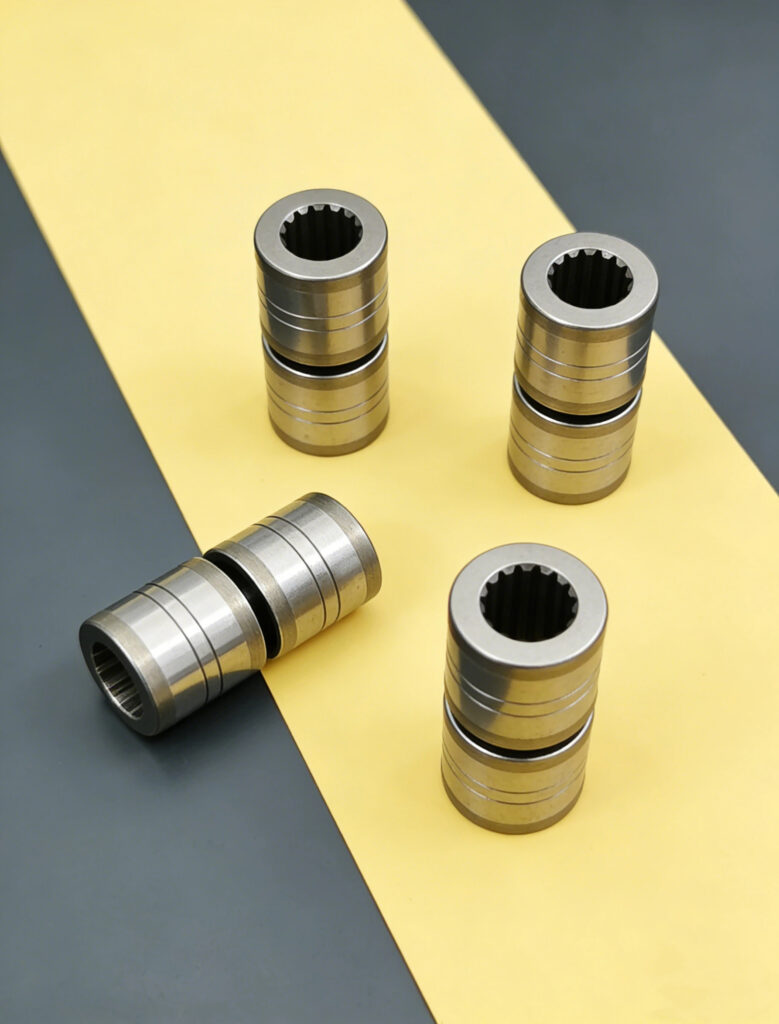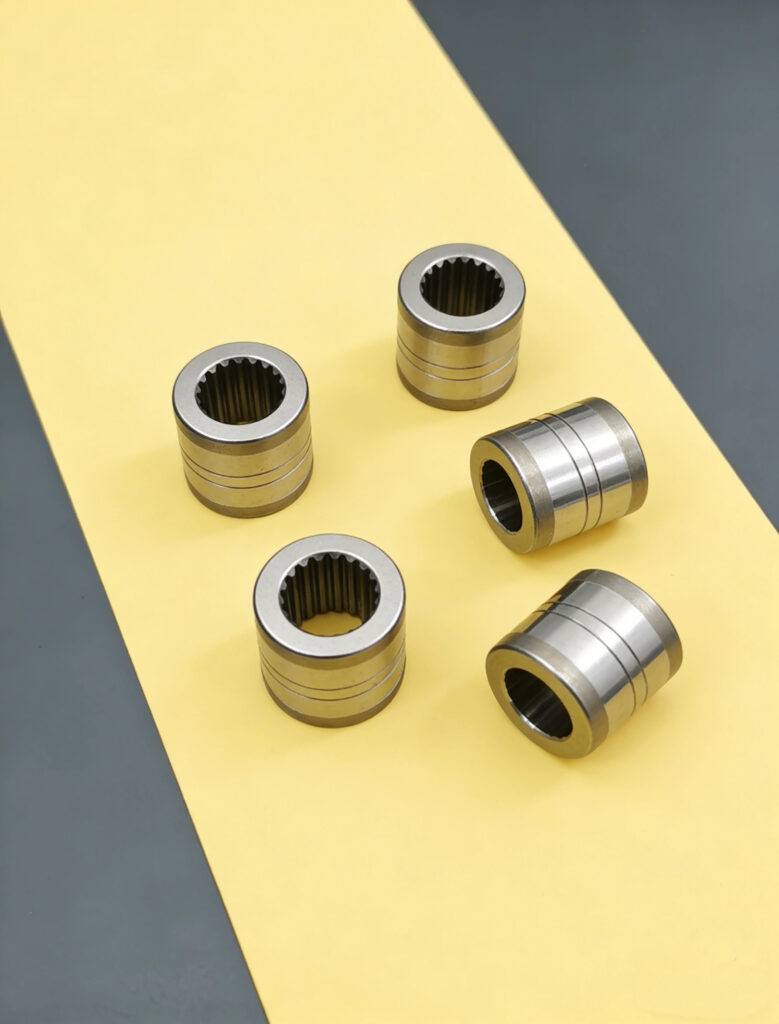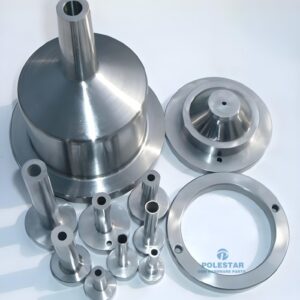
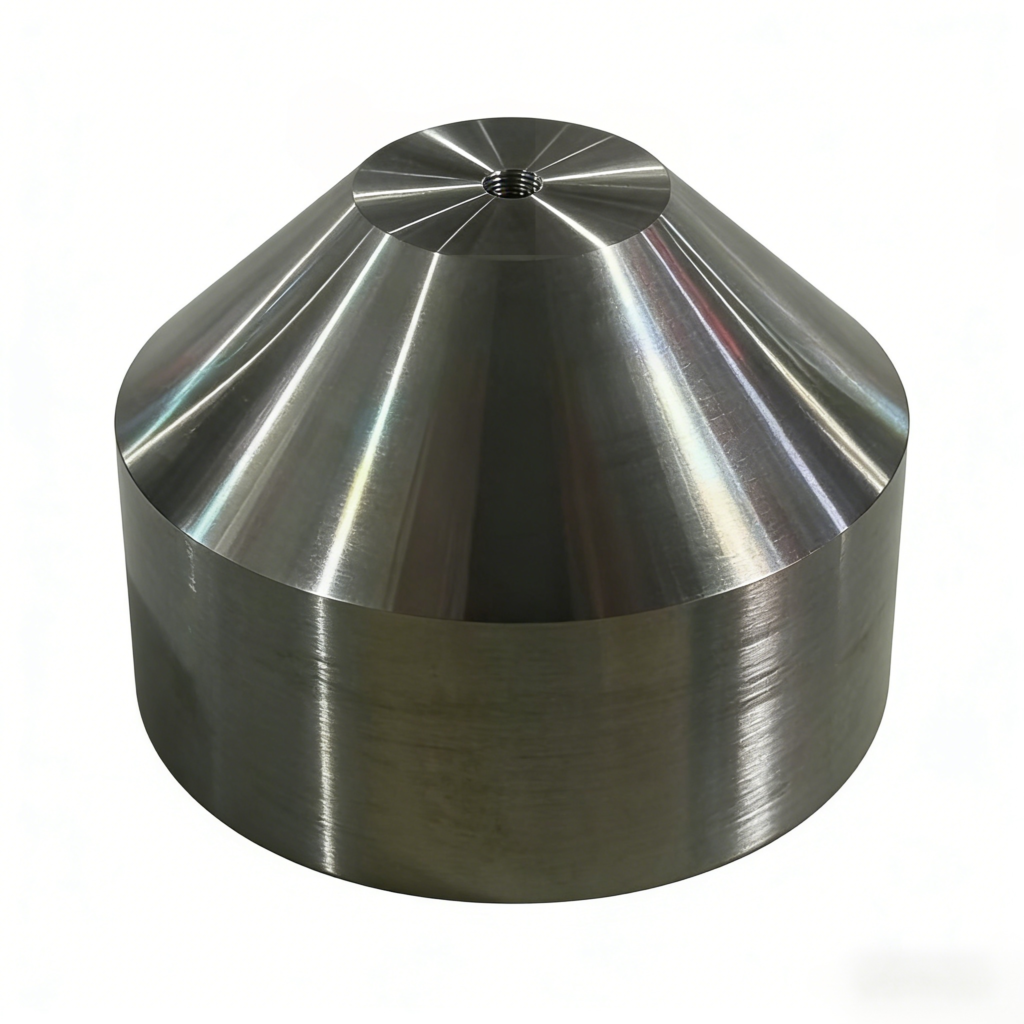
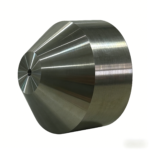
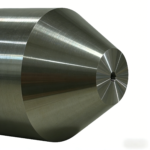
Professional OEM Custom Sheet Metal Cone Fabrication 4 Welded Seam Reinforced Steel Cone for Dust Collection Systems
Request a Quote
Enter the quantity you need and add to your quote list for pricing inquiries.
Product Details
Sheet metal cone fabrication is the process of forming flat metal sheets into precision conical shapes for industrial applications. These cones are used in hoppers, ducting systems, funnels, silos, dust collectors, and pressure vessels. Manufactured from materials including carbon steel, stainless steel, aluminum, and galvanized steel. Available in custom sizes, thicknesses, and angles with features such as rolled edges, flanges, or welded seams. Fabrication methods include rolling, welding, and precision forming with tight tolerances for perfect fit and function.
What Is Sheet Metal Cone Fabrication?
Sheet metal cone fabrication is the manufacturing process of forming flat metal sheets into conical (tapered) shapes. These fabricated cones feature a circular cross section that progressively decreases in diameter from a larger base to a smaller apex or truncated end. The process transforms two dimensional sheet material into three dimensional conical components with precise geometric specifications.
These fabricated cones serve several critical functions across industrial applications. They guide and direct the flow of bulk materials such as grains, powders, or aggregates into hoppers and chutes. They transition between different diameter ductwork sections in ventilation and dust collection systems. They facilitate controlled discharge from silos, tanks, and storage vessels. They provide structural transitions between cylindrical components of different sizes. They concentrate or disperse fluid flow in process equipment.
Available in various materials, sizes, and configurations, sheet metal cone fabrication is fundamental to material handling, air handling, and process equipment across virtually every industry.
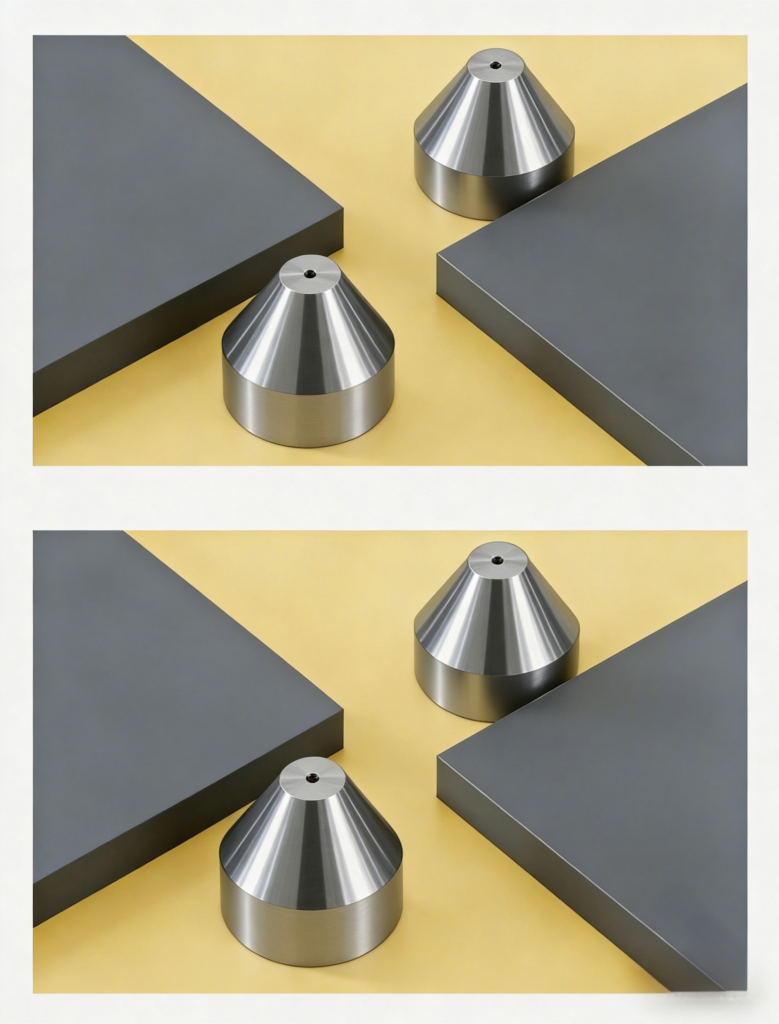
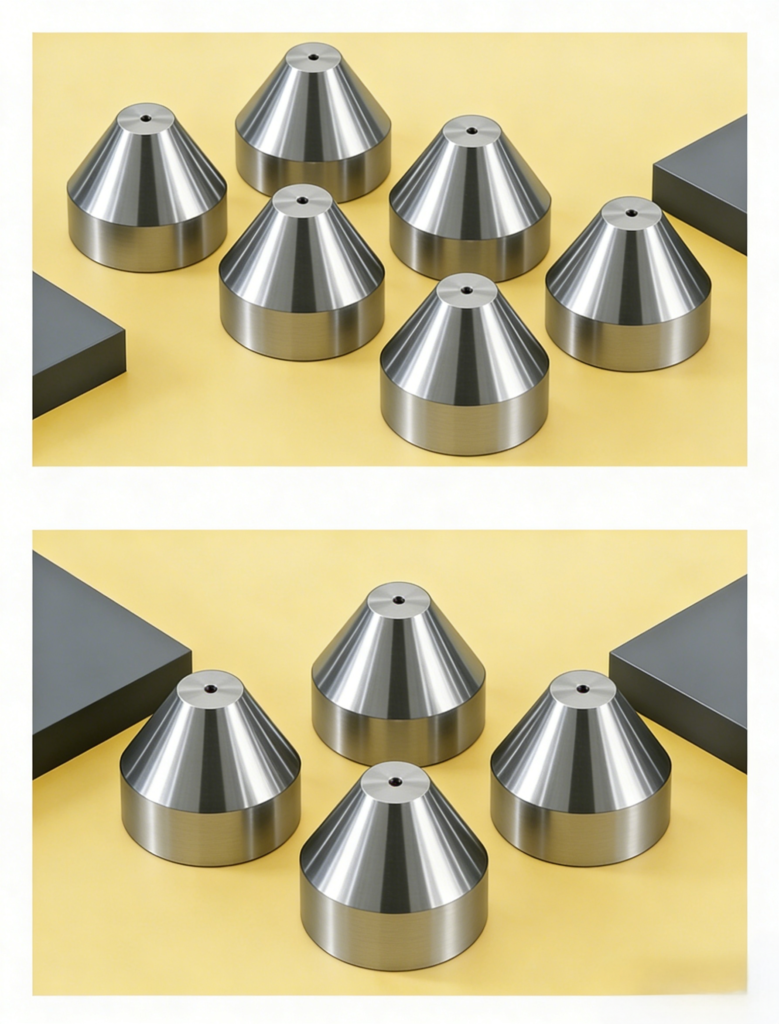
The Sheet Metal Cone Fabrication Process:
Quality sheet metal cone fabrication involves several precise manufacturing steps:
Material Selection and Preparation:
The process begins with selecting appropriate sheet metal based on application requirements. Common materials include carbon steel, stainless steel, aluminum, and galvanized steel. Sheets are cut to calculated blank sizes using shearing, laser cutting, or plasma cutting.
Layout and Pattern Development:
Accurate flat patterns are essential for proper cone geometry. Fabricators use mathematical calculations or specialized software to determine the correct blank shape. The flat pattern is a section of an annulus (ring) with specific inner and outer radii.
Cutting:
The flat pattern is cut from sheet metal using precision equipment. Laser cutting provides clean edges and tight tolerances. Plasma cutting suits thicker materials. Shearing works for straight cuts on simple cones.
Rolling and Forming:
The cut blank is formed into a conical shape using rolling machines or press brakes. Cone rolling machines use adjustable rollers to create the progressive curvature. Multiple passes may be required to achieve the exact taper.
Welding:
The seam where the blank edges meet is welded to create the finished cone. Common weld types include butt welds, lap welds, or seam welds. Weld quality is critical for structural integrity and leak prevention.
Finishing Operations:
Fabricated cones may undergo additional finishing including grinding welds smooth, polishing for sanitary applications, adding flanges or rolled edges, and surface treatment such as painting or galvanizing.
Materials for Sheet Metal Cone Fabrication:
The performance of fabricated cones depends heavily on material selection:
Carbon Steel:
The most common material offering high strength at economical cost. Suitable for general industrial applications including hoppers, chutes, and ductwork. Often painted or coated for corrosion protection.
Stainless Steel:
Grades 304 and 316 provide excellent corrosion resistance and sanitary properties. Ideal for food processing, pharmaceutical, chemical, and marine applications.
Aluminum:
Lightweight and corrosion resistant. Suitable for applications where weight reduction is critical, such as aerospace or portable equipment.
Galvanized Steel:
Carbon steel with zinc coating for corrosion protection. Cost effective for outdoor or moisture prone applications.
Abrasion Resistant Steel:
Hardened steel alloys for handling abrasive materials such as sand, gravel, or mining ores.
Key Applications of Sheet Metal Cone Fabrication Across Industries:
Material Handling and Bulk Storage:
Fabricated cones are fundamental to hoppers that direct material flow from storage bins, silos that use cones for gravity discharge, chutes that guide materials between processing equipment, and feeders that control material flow rates.
Dust Collection and Air Handling:
Industrial dust collection systems rely on fabricated cones in cyclone separators that use conical bodies to create centrifugal force for dust separation, ductwork transitions between different pipe diameters, and collection hoppers that gather captured dust for disposal.
Food and Pharmaceutical Processing:
Sanitary stainless steel cones are essential for processing equipment that requires smooth, polished surfaces for easy cleaning, hoppers that handle ingredients without contamination, and discharge cones for mixers and blenders.
Mining and Aggregate:
Heavy duty fabricated cones handle abrasive materials in crusher feed hoppers, conveyor transfer chutes, washing plant cones, and stockpile discharge systems.
Chemical and Petrochemical:
Corrosion resistant cones direct chemical flows in reactor vessels, separation equipment, storage tank discharge, and mixing systems.
How to Select the Right Fabricated Cone:
Choosing the appropriate sheet metal cone fabrication requires careful consideration of several factors:
Material Selection:
Carbon steel for general use, stainless steel for corrosion resistance or sanitation, aluminum for weight reduction, abrasion resistant steel for wear applications.
Cone Geometry:
Specify base diameter, top diameter (for truncated cones), overall height, and cone angle or taper ratio.
Material Thickness:
Select gauge based on structural requirements, material weight, and abrasiveness. Thicker materials provide greater strength and wear resistance.
Tolerance Requirements:
Standard fabrication tolerances are typically ±1/8 inch. Precision applications may require ±1/16 inch or tighter.
Seam Type:
Butt welded seams for smooth interior surfaces, lap welded for additional strength, or seamless construction for critical applications.
Edge Finishing:
Rolled rims for added rigidity, flanged ends for bolted connections, or raw cut edges for welding to other components.
Surface Treatment:
Paint, powder coating, galvanizing, or polishing based on environmental and application requirements.
Customization Capabilities of Sheet Metal Cone Fabrication :
For applications requiring unique specifications, custom sheet metal cone fabrication offers tailored solutions. Customization options include:
Dimensions: Specific base and top diameters, overall heights, and cone angles to match existing equipment.
Material: Selection from carbon steel, stainless steel, aluminum, galvanized steel, or specialty alloys.
Wall Thickness: From light gauge (20 ga) to heavy plate (1/2 inch or more) based on application.
Tolerances: Precision tolerances such as ±0.030 inch on critical dimensions.
Features: Flanges, rolled edges, inspection ports, access doors, or mounting brackets.
Surface Finish: Mill finish, polished, painted, powder coated, or galvanized.
Volume Production: From single piece custom fabrication to high volume production runs.
Quality Considerations:
Ensuring quality in sheet metal cone fabrication requires attention to several factors:
Dimensional Accuracy: Cones must meet specified diameters, heights, and angles for proper fit with mating components.
Weld Quality: Welds must be strong, continuous, and free of defects. Non destructive testing may be required for critical applications.
Surface Finish: Interior surfaces should be smooth to prevent material hang up, especially for food or pharmaceutical applications.
Roundness: Both base and top openings should be round within tolerance for proper gasketing or connection.
Installation Best Practices of Sheet Metal Cone Fabrication:
Proper installation ensures fabricated cones perform reliably:
Support Properly: Cones should be adequately supported at base flanges or structural attachment points.
Use Appropriate Gaskets: For bolted connections, use gaskets compatible with the material and temperature.
Verify Alignment: Ensure cone axis is vertical for gravity flow applications to prevent asymmetric wear.
Inspect Welds: Check field welds connecting cones to other components for quality and completeness.
Maintenance and Troubleshooting:
Regular attention extends fabricated cone service life:
Inspect for Wear: Check interior surfaces for abrasive wear, especially at material impact points.
Check for Corrosion: Inspect stainless steel for pitting, carbon steel for rust.
Verify Weld Integrity: Periodically inspect critical welds for cracks or fatigue.
Clean Regularly: Remove material buildup that can reduce flow cross section.
Common Failure Modes:
Understanding potential issues helps with preventive measures:
Abrasive Wear: Handling sharp or hard materials gradually thins the cone wall, eventually causing perforation.
Corrosion: Chemical attack degrades material thickness, especially at weld seams.
Cracking: Stress cracking from thermal cycling or vibration, particularly at weld toes.
Deformation: Overloading or inadequate support causes cone distortion.
Future Trends:
Sheet metal cone fabrication continues to evolve with manufacturing technology:
Laser and Plasma Cutting: Precision cutting reduces fit up time and improves weld quality.
Automated Welding: Robotic welding provides consistent, high quality seams.
CAD CAM Integration: Digital pattern development and CNC forming improve accuracy.
Advanced Materials: New wear resistant alloys and coated materials extend service life.
Conclusion:
Sheet metal cone fabrication may appear to be a specialized niche, but its role in industrial processing and material handling is profound. By creating precise conical shapes that direct flow, facilitate discharge, and transition between different sized components, this essential manufacturing process enables countless industrial operations to function efficiently and reliably.
By understanding the materials, processes, and selection criteria outlined in this guide, you can confidently specify the right fabricated cone for your application—whether a standard design or a custom engineered solution.