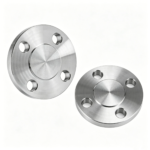
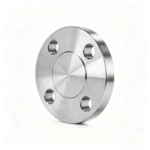
Custom Stable Pipe Blind Flange 12 Inch Diameter Blank Flange for Offshore
Request a Quote
Enter the quantity you need and add to your quote list for pricing inquiries.
Description
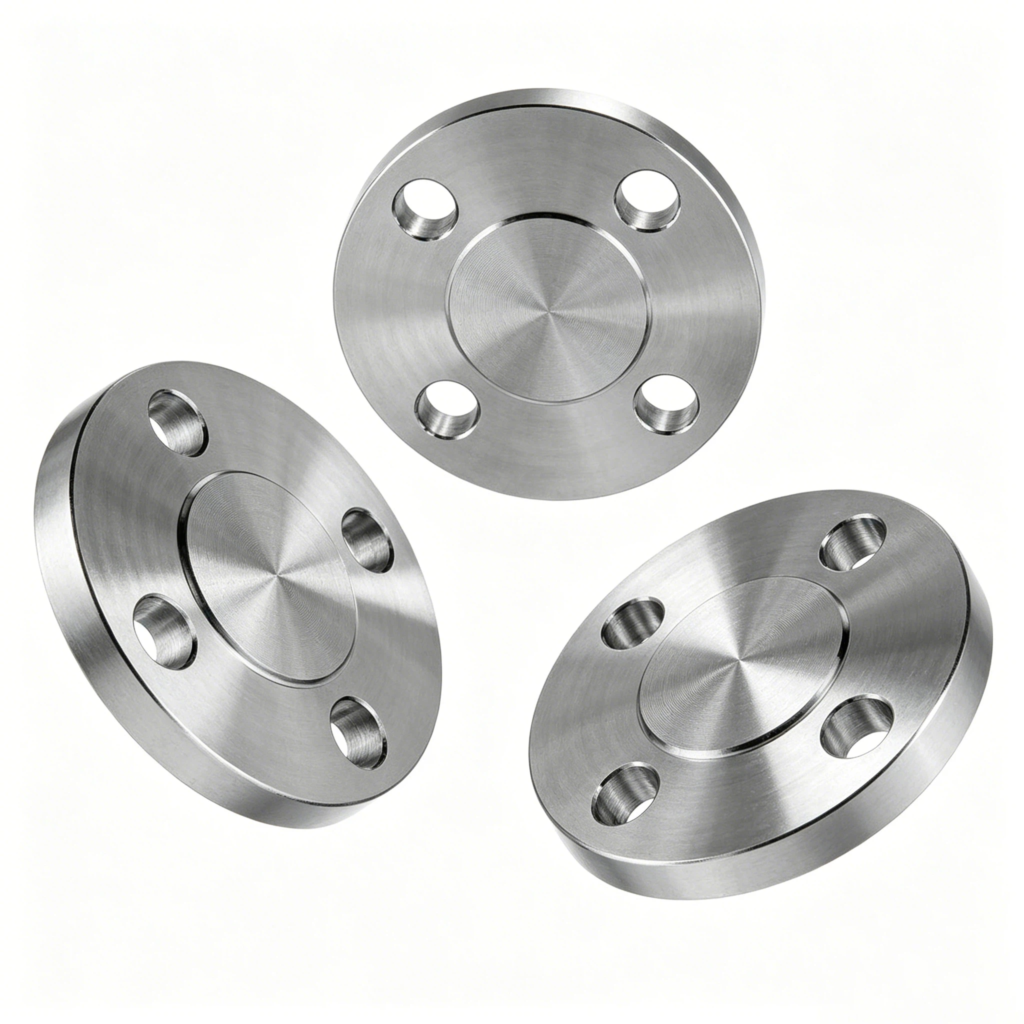
A pipe blind flange is a solid disc-shaped flange used to seal the end of a piping system, pressure vessel, or valve opening. It provides a leak-proof closure and allows easy access for inspection, cleaning, or future expansion. Manufactured from carbon steel, stainless steel, or alloy steel. Available in custom sizes from 1/2 inch to 48 inches, pressure classes 150 to 2500, and raised face or ring type joint configurations. Features include precision machined sealing surface, pre-drilled bolt holes, and corrosion resistant finishes. Suitable for oil and gas, chemical processing, power generation, water treatment, and industrial piping systems. Custom blind flanges available with specific bolt patterns and face finishes.
What Is a Pipe Blind Flange?
A pipe blind flange is a solid circular disc with no center bore, designed to blind off or seal the end of a pipe, valve, or pressure vessel nozzle. Unlike standard flanges that have an opening for fluid flow, it completely blocks the passage, making it ideal for permanent or temporary closures. It is bolted to a mating flange with a gasket in between to create a pressure-tight seal.
It is characterized by its solid construction, precision-machined sealing face, and pre-drilled bolt holes. Typical features include a raised face or ring type joint sealing surface, bolt holes on a standardized bolt circle, a solid disc without any bore, a smooth or serrated face finish for gasket seating, and lifting lugs on larger sizes for handling. Sizes typically range from 1/2 inch to 48 inches, with pressure classes from 150 to 2500. It provides a reliable, removable closure for piping systems.


How a Pipe Blind Flange Works:
The pipe blind flange works by bolting to a mating flange with a gasket compressed between the two sealing surfaces. When bolts are tightened to the specified torque, the gasket deforms and fills any irregularities on the flange faces, creating a leak-proof seal. The solid disc construction of the pipe blind flange withstands internal pressure from the system, preventing any fluid from escaping.
One key advantage of the pipe blind flange is its removability. Unlike a welded cap, a pipe blind flange can be unbolted and removed to provide access for inspection, cleaning, or future tie-ins. This makes it invaluable for maintenance and system modification.
Common Materials for Pipe Blind Flange:
Carbon Steel is the most common material for pipe blind flange production. Grade A105 is standard for high-temperature service, while A350 LF2 is used for low-temperature applications. Suitable for oil, gas, steam, and water services.
Stainless Steel provides superior corrosion resistance. Grades 304, 304L, 316, and 316L are common for chemical, food, and marine environments. A stainless steel pipe blind flange is suitable for corrosive fluids and sanitary applications.
Alloy Steel offers high strength and high-temperature capability. Grades F11, F22, and F91 are used in power generation and petrochemical plants. Suitable for high-temperature steam and hydrogen service.
Duplex Steel provides excellent corrosion resistance and high strength. Grades F51, F53, and F55 are used in offshore and marine environments.
Applications Across Industries:
Oil and Gas:
A pipe blind flange seals wellhead outlets, pipeline ends, and manifold connections. High-pressure ratings handle extreme wellhead pressures.
Chemical Processing:
A pipe blind flange isolates reactor nozzles, vessel manways, and piping sections during maintenance. Stainless steel versions resist corrosion.
Power Generation:
A pipe blind flange seals boiler openings, steam line ends, and turbine connections. High-temperature alloys withstand creep conditions.
Water Treatment:
A pipe blind flange closes filter outlets, pump suction lines, and basin connections. Provides access for periodic inspection.
Pharmaceutical:
A pipe blind flange with sanitary finishes seals clean piping systems without contamination risk.


Excellent Case: Pipeline Maintenance Isolation
Background: A refinery needed to isolate a 12-inch section of pipeline for welding repair. The section contained flammable hydrocarbons, and a welded cap would require hot work. A pipe blind flange was selected as the isolation method.
Solution: A pipe blind flange with 12-inch size, 300 LB rating, and A105 carbon steel was installed at both ends of the repair section. The flanges were bolted in place with gaskets, then the line pressure was vented.
Results:
- Isolation Time: 1 hour to install two blind flanges versus 4 hours for welded caps
- Safety: No hot work required for installation or removal
- Access: Blind flanges removed easily after repair for line restart
- Reusability: Blind flanges reused on three subsequent repairs
- Cost: 50 percent savings compared to welded caps
This case demonstrates how the pipe blind flange provides safe, reusable pipeline isolation.
How to Select the Right Pipe Blind Flange:
Choosing the appropriate pipe blind flange requires careful consideration of several factors. Pipe size determines the flange nominal size. Operating pressure determines the required pressure class. Operating temperature determines material grade. Fluid corrosiveness determines material selection. Face type determines gasket selection, with RF for most services and RTJ for high pressure. Access requirements determine whether standard or spectacle blind is needed.
Installation Best Practices:
Proper installation ensures the pipe blind flange performs reliably. Clean both flange faces thoroughly. Insert a new gasket of correct material and size. Align bolt holes. Insert bolts and hand-tighten nuts. Tighten bolts in a star pattern to calculated torque. Use torque wrench for accuracy. For large blind flanges, use lifting lugs for handling.
Maintenance and Care:
Regular maintenance extends pipe blind flange life. Inspect bolts for corrosion and retorque as needed. Replace gaskets each time the blind flange is opened. Check for flange face damage. Store blind flanges on edge to prevent face damage. Lubricate bolts during reassembly.
Common Failure Modes:
Understanding potential failures helps with preventive maintenance. Gasket leakage from insufficient bolt torque, prevented by proper torque procedures. Face corrosion from chemical attack, prevented by compatible material selection. Galling of stainless steel bolts, prevented by anti-seize lubricant. Bolt corrosion in marine environments, prevented by using stainless steel or coated bolts.
Conclusion:
The pipe blind flange represents a reliable, versatile solution for sealing pipe ends and providing maintenance access in piping systems. By offering removability, reusability, and pressure containment, it is indispensable in refineries, chemical plants, power stations, and water treatment facilities. By understanding the types, materials, and selection criteria outlined in this guide, the right pipe blind flange can be selected for any application.