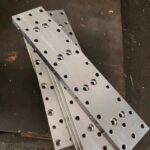
Reliable 3 Thickness Levels Customizable Mounting Base Plate Ultimate Strength for Precision Mounting
Request a Quote
Enter the quantity you need and add to your quote list for pricing inquiries.
Product Details
Reliable 3 Thickness Levels Customizable Mounting Base Plate Ultimate Strength for Precision Mounting
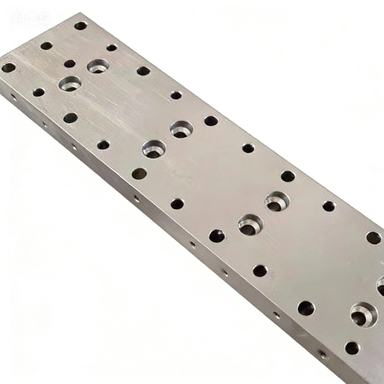
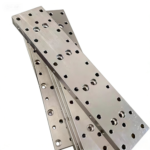
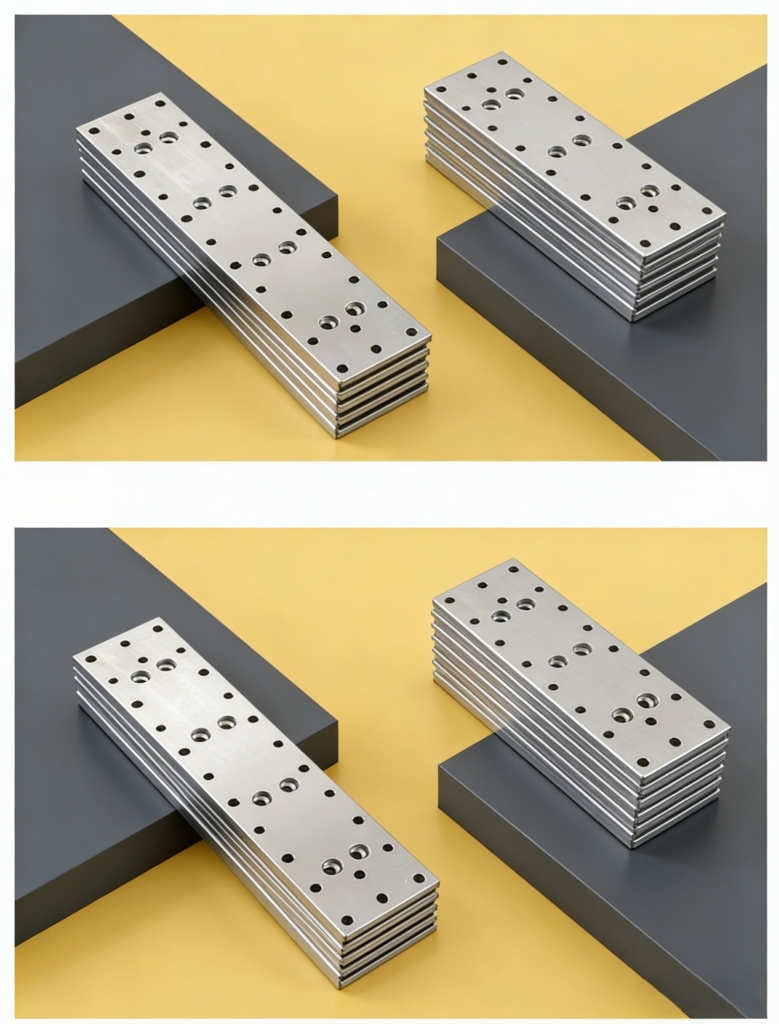
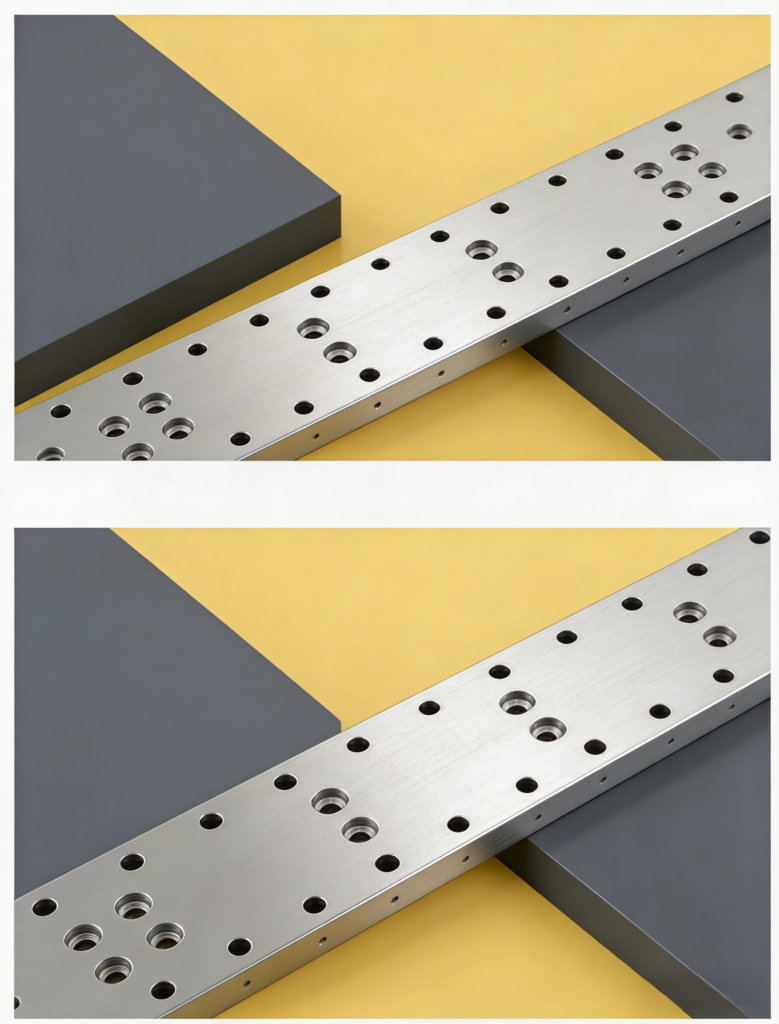
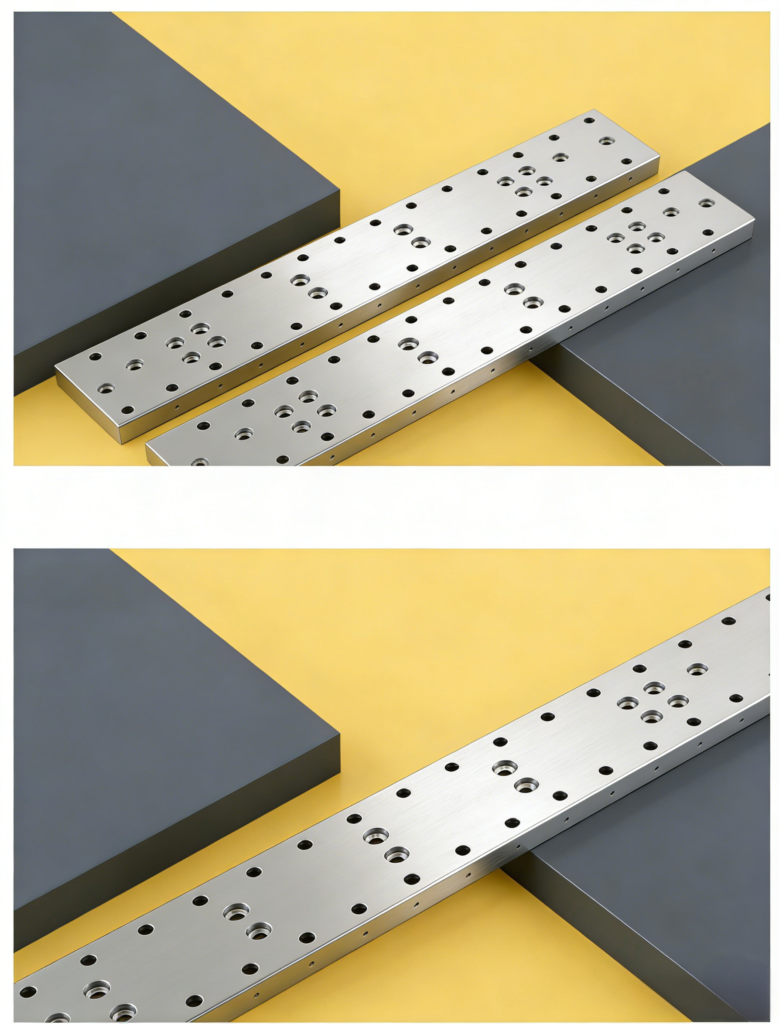
This customizable mounting base plate features 4 to 12 mounting holes and 3 thickness options from 3mm to 10mm for heavy duty stability and precise alignment. Made from stainless steel or aluminum with 6 surface finish choices including zinc plated and anodized. Perfect for industrial machinery robotics solar racks automotive fixtures and custom DIY projects. Supports any hole pattern size or cutout you need for a perfect fit.
What Is a Mounting Base Plate?
A mounting base plate is a flat, rigid structural component that provides a stable foundation for attaching equipment, machinery, or components to a supporting surface. It distributes loads evenly across the mounting area, reduces vibration, maintains proper alignment, and simplifies installation and removal of equipment.
The mounting base plate typically features pre-drilled holes, threaded inserts, or slots for bolting both to the equipment above and the foundation below. It can be manufactured in various shapes including rectangular, square, circular, or custom geometries to match specific application requirements.
Beyond basic support, a well-designed mounting base plate also facilitates maintenance by allowing equipment to be removed and reinstalled without realignment. For applications with unique requirements, custom mounting base plates can be engineered with tight tolerances to achieve optimal fit and performance.
How a Mounting Base Plate Works:
The operating principle of a mounting base plate is straightforward yet critical. The plate acts as an intermediary between the equipment and its foundation, performing several essential functions. It spreads concentrated loads from equipment feet or mounting points across a larger area, reducing stress on the foundation. It provides a precisely machined reference surface for equipment alignment. It isolates equipment from minor foundation irregularities. It simplifies installation by providing a standardized mounting interface. It absorbs and dampens vibration transmitted between equipment and foundation.
For optimal performance, the mounting base plate must be manufactured with appropriate flatness, parallelism, and surface finish. These parameters are typically held to tight tolerances such as ±0.001 inch to ensure proper equipment alignment.
Types of Mounting Base Plates:
To optimize for SEO and help users find the right product, it is important to categorize the different types of mounting base plates available:
Standard Flat Base Plate:
The most common configuration, featuring a simple flat design with pre-drilled mounting holes. Suitable for general purpose equipment mounting.
Ribbed Base Plate:
Incorporates reinforcing ribs on the underside to increase stiffness while reducing weight. Ideal for larger plates or applications with high dynamic loads.
T Slotted Base Plate:
Features T shaped slots for flexible positioning of mounting hardware. Commonly used on machine tables and workstations.
Stepped Base Plate:
Designed with different thickness zones to accommodate equipment with varying mounting heights.
Vibration Damping Base Plate:
Includes rubber or polymer layers to isolate equipment from vibration. Essential for sensitive instrumentation.
Precision Ground Base Plate:
Surface ground to extremely tight flatness tolerances for high precision applications such as CNC machines and measuring equipment.
Custom Mounting Base Plate:
Engineered to exact specifications including unique dimensions, hole patterns, materials, and tolerances. Custom versions can be manufactured with tight tolerances such as ±0.0005 inch on critical features.
Materials and Finishes:
The performance and longevity of a mounting base plate are heavily influenced by material selection:
Carbon Steel:
The most common material offering high strength at an economical cost. Typically zinc plated or painted for corrosion protection. Suitable for general industrial applications.
Stainless Steel:
Grades 304 and 316 provide excellent corrosion resistance and durability. Ideal for food processing, pharmaceutical, marine, and outdoor applications.
Aluminum Alloy:
Grades 6061 and 7075 offer lightweight construction with good strength and corrosion resistance. Perfect for aerospace, portable equipment, and weight-sensitive applications.
Cast Iron:
Provides excellent vibration damping properties and dimensional stability. Commonly used for machine tool base plates.
Nylon and Composites:
Non-conductive and corrosion-proof. Suitable for electrical applications and chemical environments.
Surface Finishes:
Zinc plating for carbon steel, anodizing for aluminum, passivation for stainless steel, and powder coating for enhanced corrosion protection and aesthetics.
Key Applications Across Industries:
The versatility of the mounting base plate makes it indispensable across numerous sectors:
CNC Machining:
Precision-ground base plates provide stable mounting for CNC mills, lathes, and routers, ensuring accurate cutting and repeatable positioning.
Hydraulic Power Units:
Heavy-duty base plates support hydraulic pumps, reservoirs, and valve assemblies, distributing weight and maintaining alignment.
Industrial Automation:
Robotic arms, pick-and-place machines, and assembly equipment rely on sturdy base plates for secure mounting.
Medical Equipment:
Stainless steel base plates provide sanitary, easy-to-clean surfaces for diagnostic and surgical equipment.
Solar Energy:
Mounting base plates secure solar panel frames to rooftops or ground-mounted systems, withstanding wind and environmental loads.
Marine and Offshore:
Corrosion-resistant stainless steel base plates support deck equipment and navigation systems in harsh saltwater environments.
Food Processing:
Sanitary base plates with rounded corners and polished surfaces facilitate cleaning and help prevent bacterial growth.
How to Select the Right Mounting Base Plate:
Choosing the appropriate mounting base plate requires careful consideration of several factors:
Load Requirements:
Calculate static and dynamic loads including equipment weight, operational forces, and environmental loads such as wind or seismic activity.
Material Selection:
Match material to environmental conditions. Stainless steel for corrosive environments, aluminum for weight reduction, carbon steel for general use.
Flatness and Parallelism:
Specify required tolerances based on equipment sensitivity. Precision equipment may require ±0.001 inch flatness, while general use may accept ±0.005 inch.
Hole Pattern and Size:
Ensure mounting holes match equipment bolt patterns. Custom plates can be drilled to exact specifications.
Thickness:
Select thickness adequate for load and span requirements. Thicker plates provide greater stiffness but add weight and cost.
Surface Finish:
Consider corrosion protection needs and aesthetic requirements. Zinc plating suits indoor use, while powder coating offers enhanced durability.
Customization Needs:
For unique applications, custom mounting base plates can be engineered with specific dimensions, tolerances, and features.
Customization Capabilities:
For applications requiring unique specifications, custom mounting base plates offer tailored solutions. Working with an experienced manufacturer enables development of plates that perfectly match your requirements. Customization options include:
Dimensional Customization:
Specific lengths, widths, thicknesses, and shapes to fit existing equipment or space constraints.
Material Selection:
Carbon steel, stainless steel, aluminum, cast iron, or specialized composites.
Tolerance Control:
Precision tolerances such as ±0.001 inch on flatness, ±0.0005 inch on thickness, or ±0.002 inch on hole positions.
Hole Patterns:
Custom hole sizes, spacing, and configurations including countersunk, counterbored, or threaded holes.
Special Features:
Edge chamfers, threaded inserts, alignment dowel holes, lifting provisions, or integrated mounting brackets.
Surface Finishes:
Zinc plating, anodizing, powder coating, electropolishing, or specialized industrial coatings.
Volume Production:
From prototype quantities to high-volume manufacturing runs.
Installation Best Practices:
Proper installation ensures the mounting base plate performs reliably throughout its service life:
Prepare Foundation Surface: Ensure the mounting surface is clean, level, and free of debris or irregularities that could affect plate flatness.
Use Appropriate Fasteners: Select bolts, anchors, or studs rated for the load and compatible with both plate and foundation materials.
Follow Torque Specifications: Tighten fasteners to manufacturer recommended torque values. Over-tightening can distort the plate while under-tightening allows movement.
Use Leveling Shims: For uneven foundations, use stainless steel shims to achieve proper plate level before final tightening.
Check Alignment: Verify equipment alignment after plate installation using precision levels or alignment tools.
Maintenance and Troubleshooting:
Regular maintenance extends mounting base plate life and prevents equipment issues:
Inspect for Corrosion: Check plates regularly for rust or corrosion, especially in outdoor or marine environments. Address any corrosion promptly.
Verify Fastener Tightness: Periodically check mounting bolts for loosening, particularly in high vibration applications.
Check Flatness: If equipment alignment issues develop, verify base plate flatness hasn’t changed due to foundation settlement or overloading.
Clean Surfaces: Keep plate surfaces clean of debris, oil, or contamination that could affect equipment mounting.
Future Trends:
The mounting base plate continues to evolve with manufacturing advances:
Integrated Sensors: Smart plates with embedded load cells or vibration sensors enable condition monitoring.
Advanced Materials: New composites offer corrosion resistance and weight savings.
Precision Manufacturing: CNC machining enables tighter tolerances and complex features.
Conclusion:
The mounting base plate may seem simple, but its role in equipment reliability is profound. By providing stable support, maintaining alignment, and distributing loads, this essential component ensures machinery operates safely and accurately.
By understanding the types, materials, and selection criteria outlined in this guide, you can confidently choose the right mounting base plate for your application—whether a standard off-the-shelf product or a custom engineered design with tight tolerances.