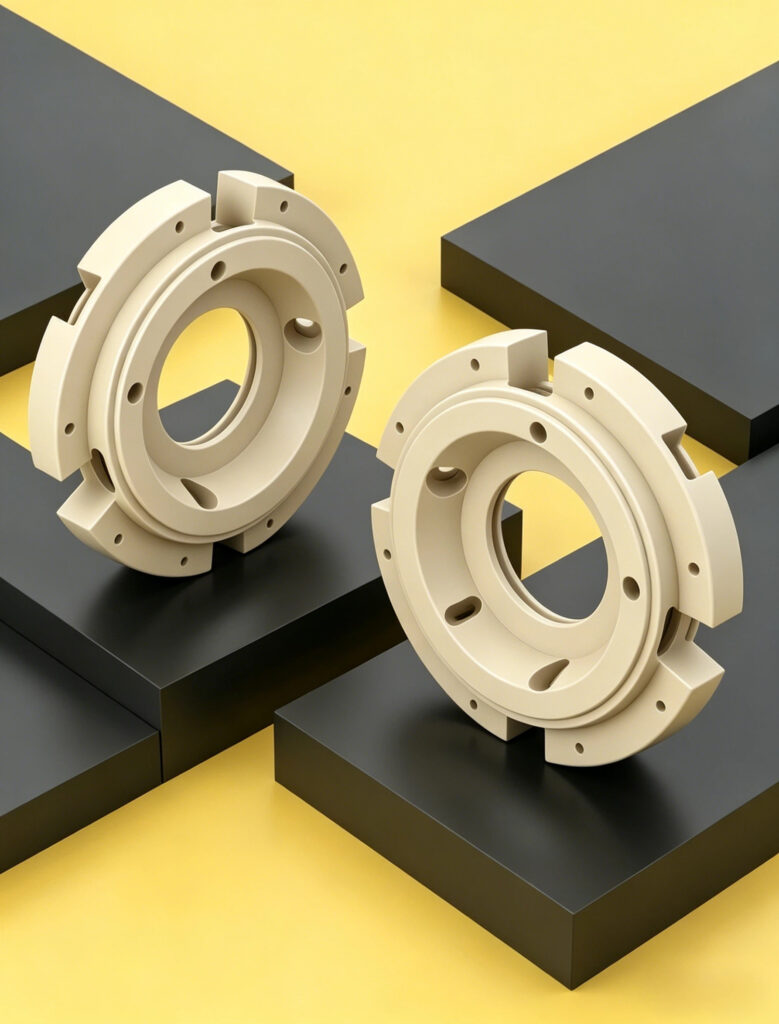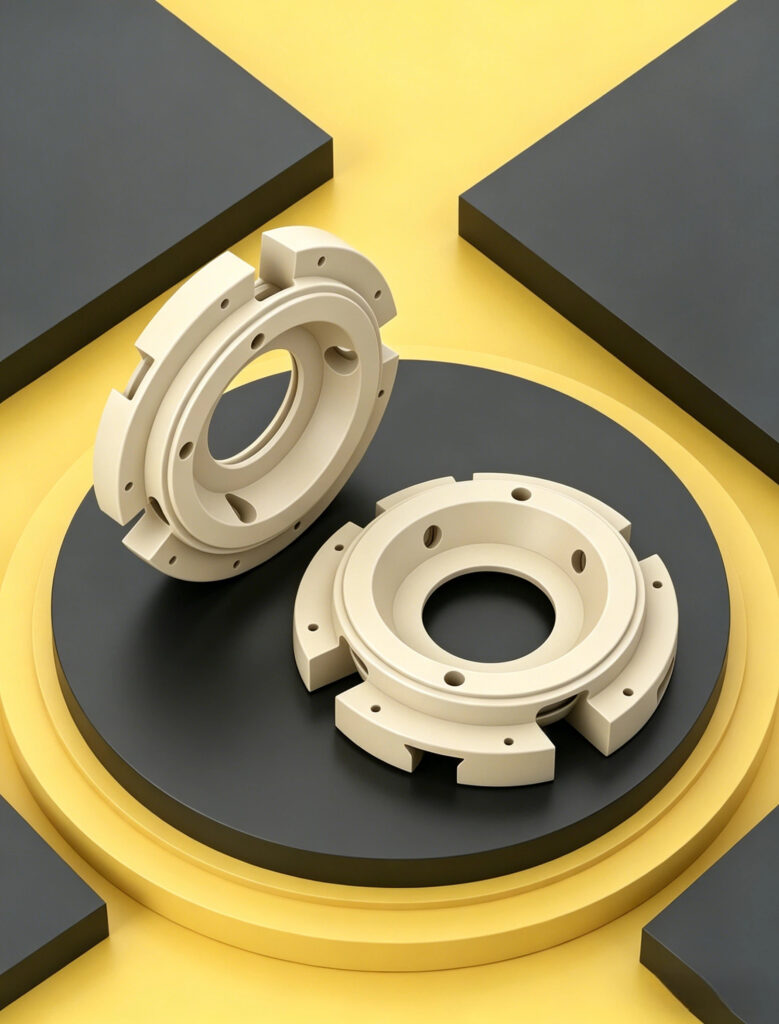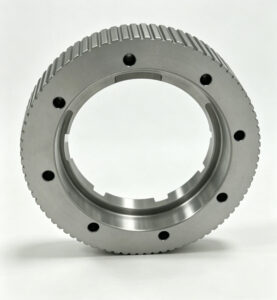
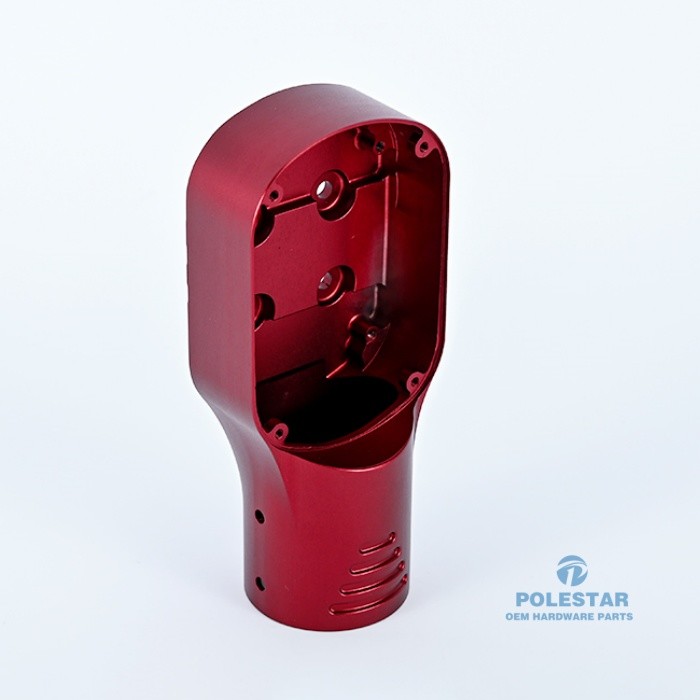
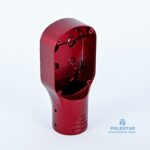
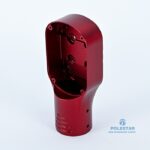
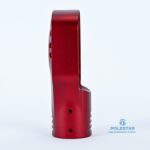
CNC Machined Aluminum Motor Housing Parts Red Anodized for Industrial Electric Motors
Request a Quote
Enter the quantity you need and add to your quote list for pricing inquiries.
Description
What Are Motor Housing Parts?
Motor Housing Parts are precision-engineered components that form the outer protective shell of an electric motor. Their main function is to protect internal elements such as the rotor, stator, and bearings from mechanical damage, dust, moisture, and heat while ensuring stable structural support during operation.
In modern manufacturing, Motor Housing Parts are no longer just “covers.” They are critical structural and thermal management components that directly impact motor efficiency, durability, and performance—especially in EVs, robotics, industrial automation, and high-speed machinery.
Typically, Motor Housing Parts are produced through CNC machining, casting, or forging, depending on the required strength, weight, and precision level. Materials like aluminum alloy, stainless steel, and magnesium alloy are widely used for their balance of strength and thermal conductivity.
Key Functions of Motor Housing Parts:
1. Structural Protection:
The housing acts as a rigid frame that protects internal motor components from vibration, impact, and external pressure.
2. Heat Dissipation:
Efficient housing parts help transfer heat away from the motor core, preventing overheating and improving operational stability.
3. Alignment & Precision Support:
High-precision housings ensure correct alignment of rotating components, reducing wear and extending motor lifespan.
4. Environmental Sealing:
They prevent dust, water, oil, and contaminants from entering the motor system, which is essential for industrial and automotive applications.
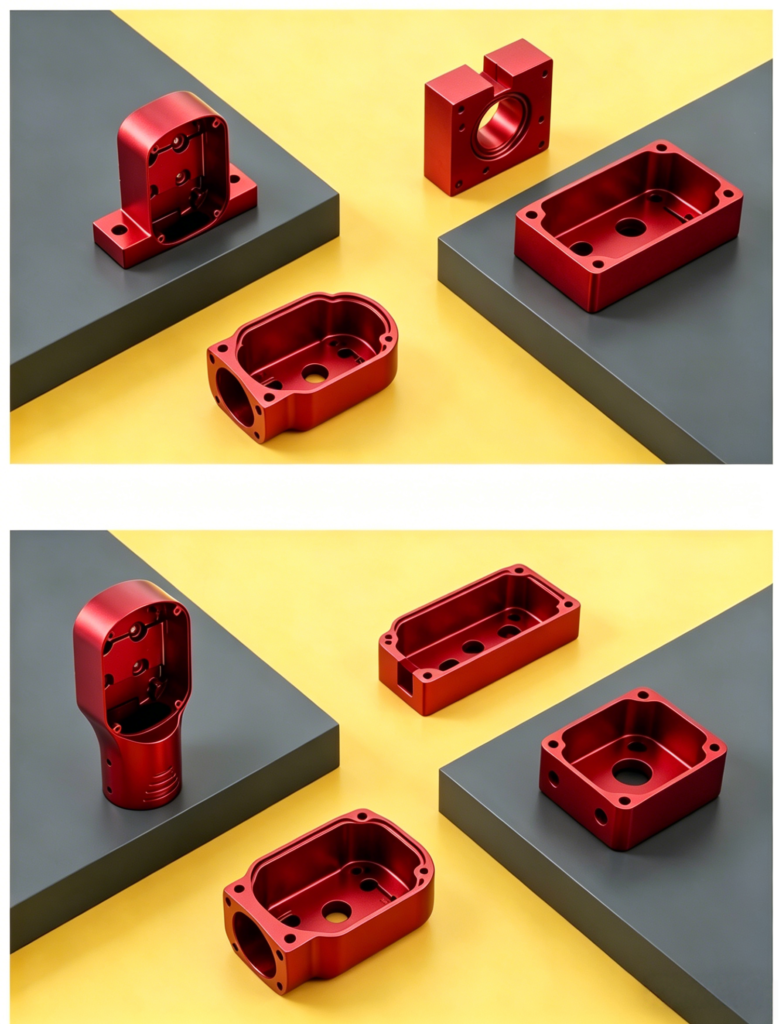
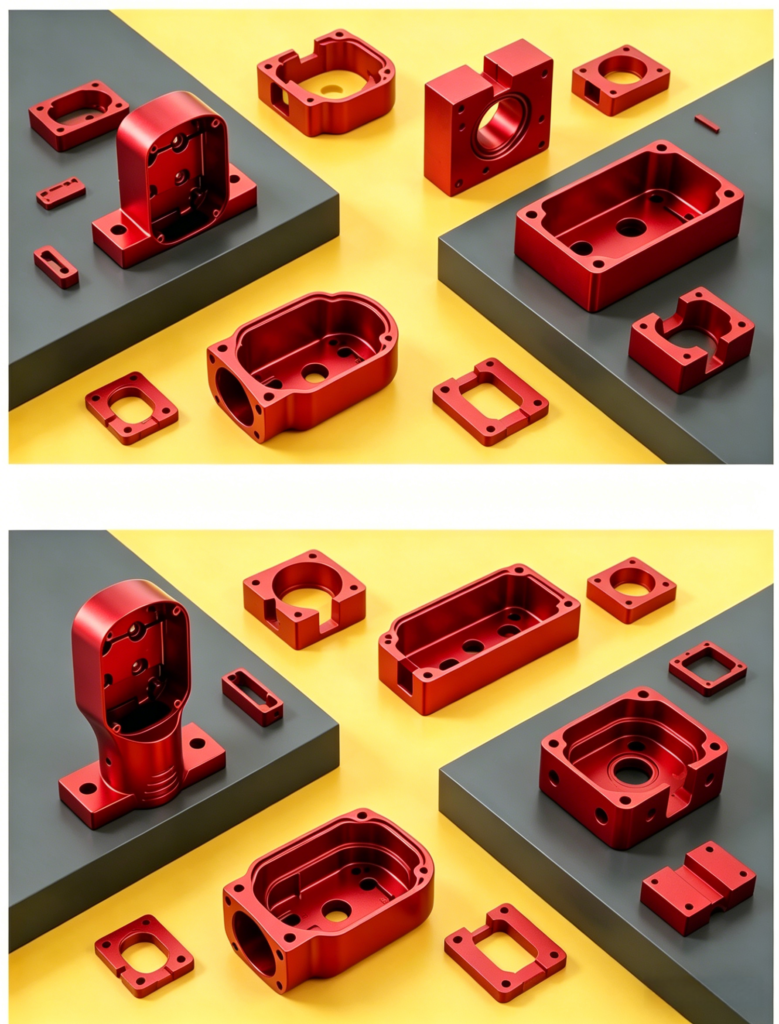
Manufacturing Process of Motor Housing Parts:
High-quality Motor Housing Parts are typically manufactured using advanced CNC machining processes. This ensures tight tolerances, smooth surfaces, and consistent dimensional accuracy.
Common processes include:
- CNC turning and milling for complex geometries
- Anodizing for corrosion resistance and surface durability
- Powder coating for enhanced protection and aesthetics
- Precision boring for bearing seat alignment
Each step is critical in ensuring the final housing meets strict industrial performance standards.
Material Selection for Motor Housing Parts:
Choosing the right material significantly affects performance:
- Aluminum Alloy: Lightweight, excellent thermal conductivity, widely used in EV motors
- Stainless Steel: High strength and corrosion resistance for harsh environments
- Magnesium Alloy: Ultra-lightweight option for aerospace and high-performance applications
Among them, aluminum remains the most popular due to its ideal balance between weight reduction and heat dissipation.
Application Industries:
- Electric Vehicles (EV motors, drive systems)
- Industrial Automation Equipment
- Robotics and AI-driven machinery
- HVAC systems
- Aerospace propulsion systems
- Power tools and heavy-duty equipment
As industries move toward electrification and automation, demand for high-precision Motor Housing Parts continues to grow rapidly.
Case Study: Polestar EV Motor Housing Optimization
In a recent EV application involving a performance electric vehicle platform, Motor Housing Parts played a critical role in improving thermal stability and structural rigidity.
During development, engineers focused on reducing motor weight while maintaining high torque output and heat resistance. The original housing design faced challenges such as uneven heat distribution and slight vibration under high-speed conditions.
By redesigning the Motor Housing Parts using high-precision CNC machining and switching to a lightweight aluminum alloy structure, the following improvements were achieved:
- 18% reduction in overall motor housing weight
- Improved heat dissipation efficiency under continuous load
- Reduced vibration levels at high RPM
- Increased overall motor lifespan and reliability
This case demonstrates how precision-engineered Motor Housing Parts directly contribute to EV performance, efficiency, and driving experience.
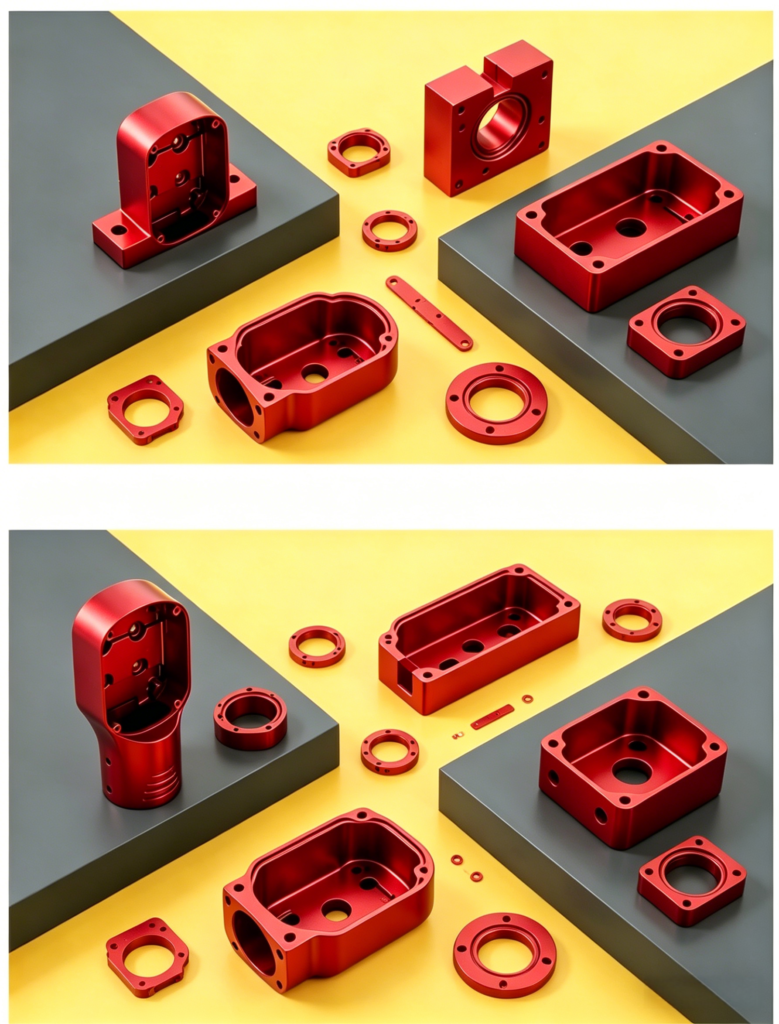
Quality Control Standards:
To ensure consistent performance, Motor Housing Parts undergo strict quality inspections:
- CMM (Coordinate Measuring Machine) dimensional inspection
- Surface roughness testing
- Thermal resistance evaluation
- Pressure and sealing tests
- Material composition verification
Only parts that meet tight tolerance requirements are approved for final assembly.
FAQ – Motor Housing Parts:
Q1: What are Motor Housing Parts used for?
They are used to protect and support internal motor components while improving heat dissipation and structural stability.
Q2: What materials are best for Motor Housing Parts?
Aluminum alloy is the most common choice due to its lightweight and thermal performance, but stainless steel and magnesium are also used depending on application needs.
Q3: Can Motor Housing Parts be customized?
Yes. They can be fully customized in terms of size, structure, surface treatment, and performance requirements based on specific motor designs.
Q4: What industries rely on Motor Housing Parts the most?
Electric vehicles, robotics, industrial automation, aerospace, and energy systems are the primary users.
Q5: What surface treatments are available?
Common treatments include anodizing, powder coating, sandblasting, and polishing.
Let’s Build Better Motor Performance Together!
If you are developing high-performance motors or upgrading existing systems, precision-engineered Motor Housing Parts can significantly improve efficiency, durability, and thermal stability. Custom manufacturing allows you to optimize every detail—from weight reduction to heat management—based on your application needs.
Feel free to explore customized solutions for your next project and see how precision machining can enhance your motor design.