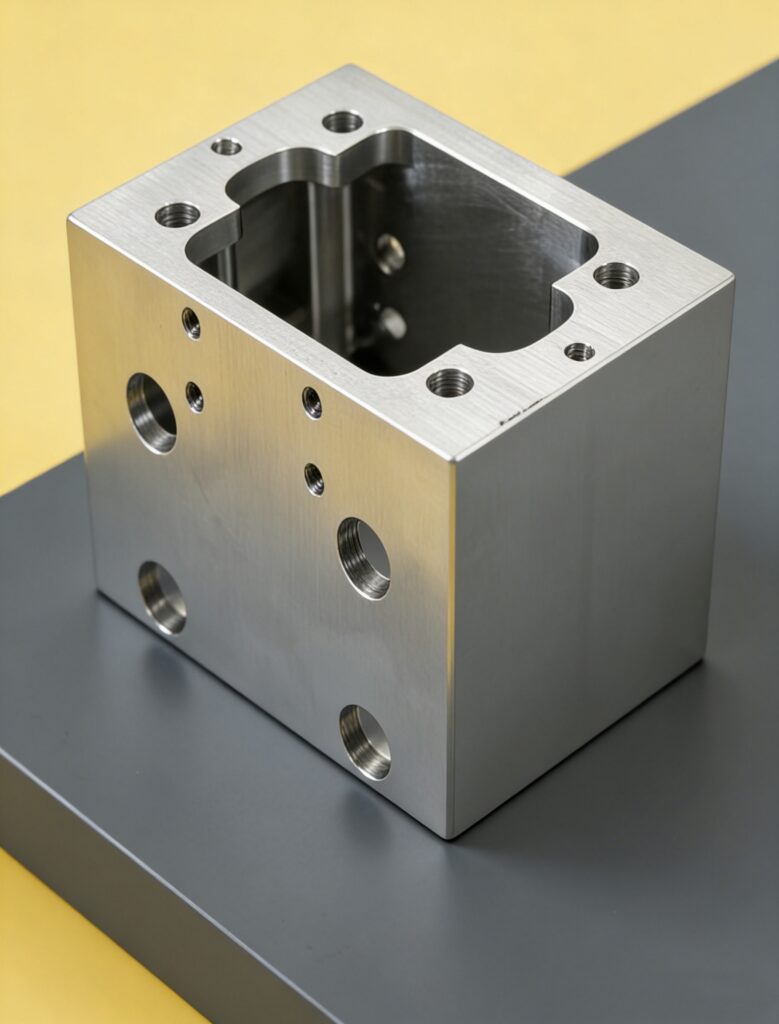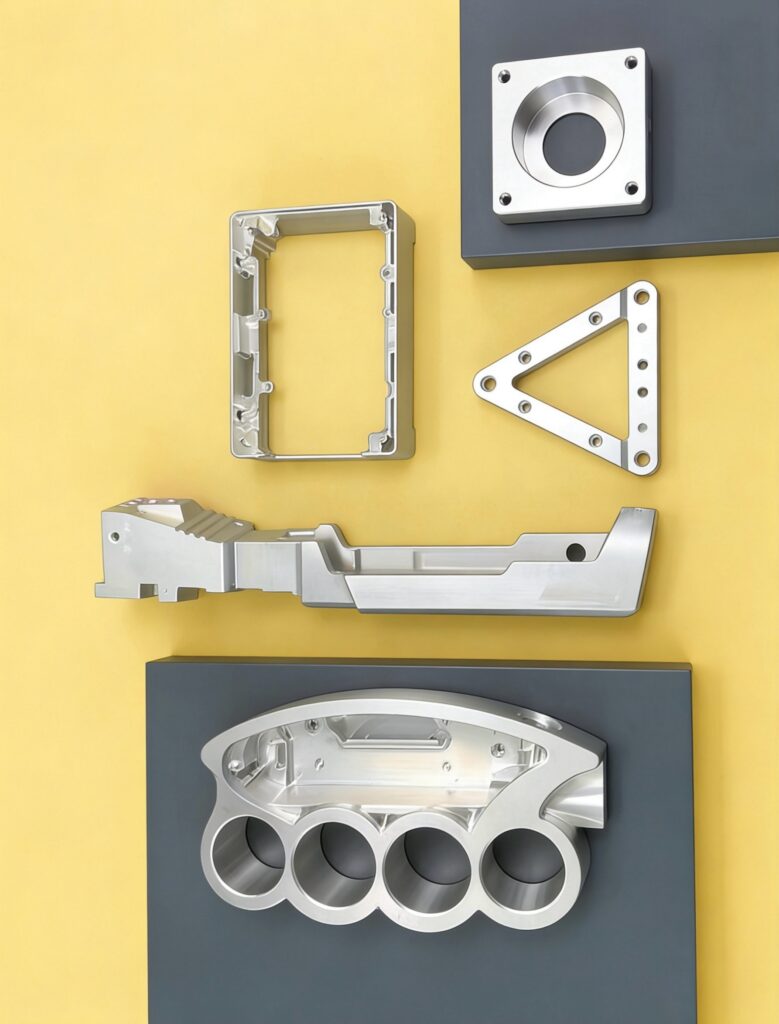

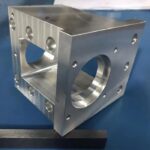
Custom Mixer Case Die Casting CNC Machining 304 Stainless Steel Food Mixer Shell
Request a Quote
Enter the quantity you need and add to your quote list for pricing inquiries.
Product Details
A mixer case is a precision-engineered protective enclosure designed to safeguard audio mixing consoles, DJ controllers, and live sound equipment from mechanical impact, environmental contamination, and electromagnetic interference during transport and field operations. The global mixer case market reached $890 million in 2024, driven by professional audio equipment adoption and live event industry recovery.
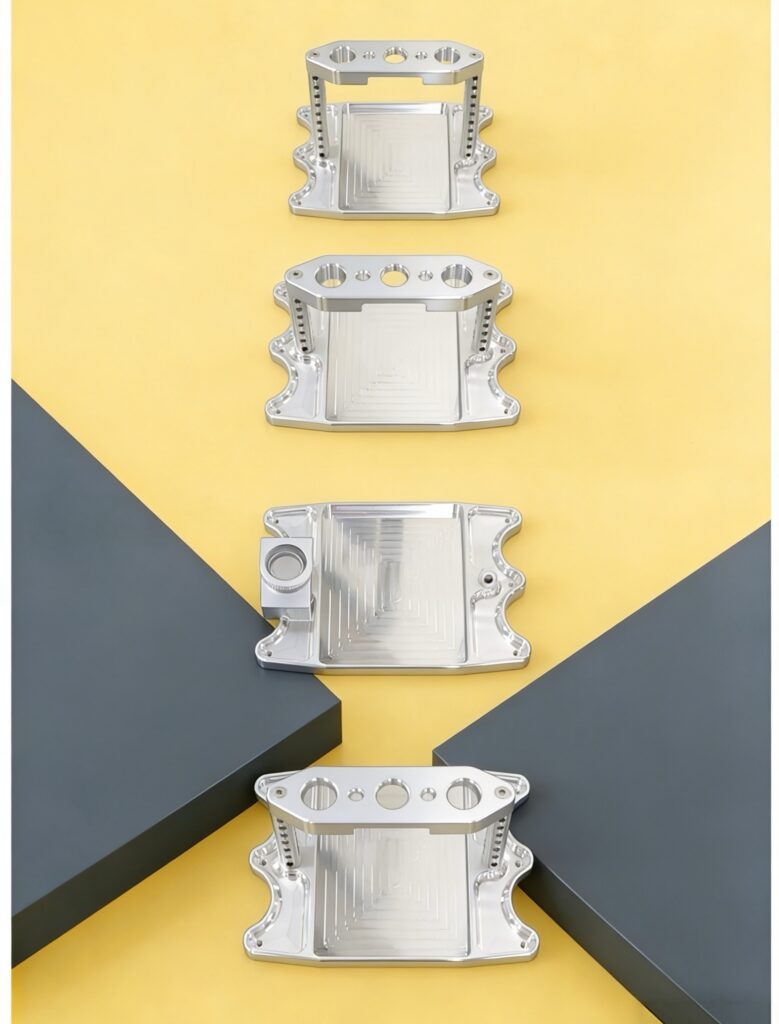
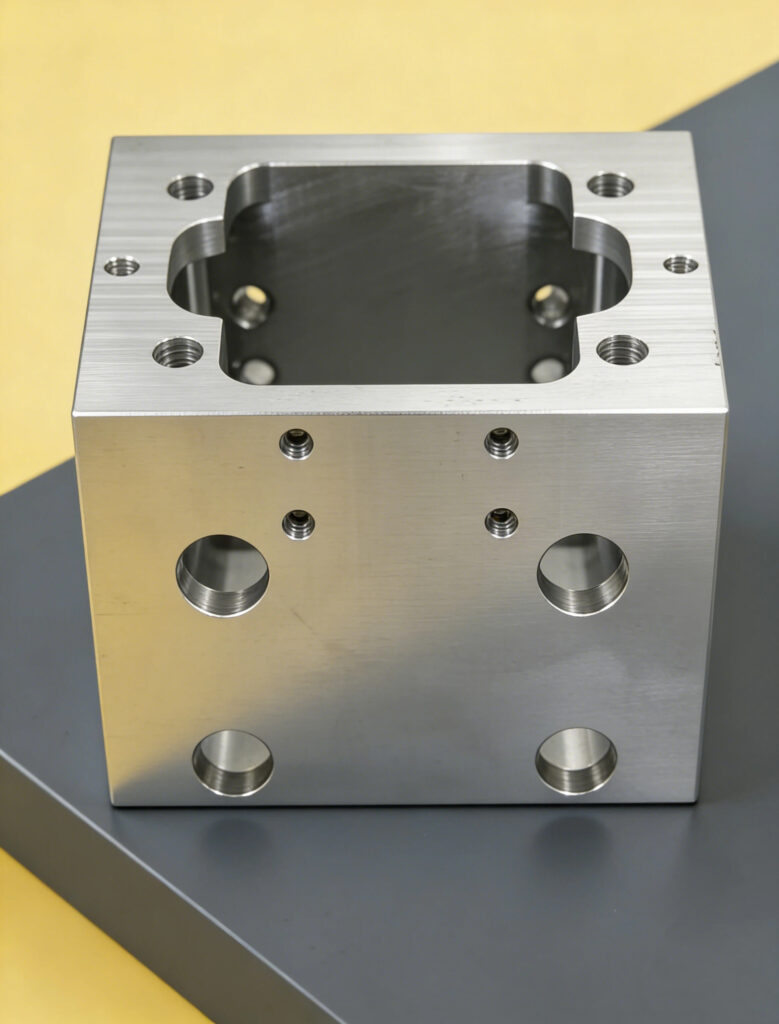
Unlike consumer-grade soft bags, industrial mixer case solutions utilize aerospace-grade aluminum alloys and CNC machining to achieve ATA-300 Category 1 compliance for 100+ flight cycles. Mixer case manufacturing requires ±0.5mm dimensional tolerance to ensure compatibility with Yamaha MG Series, Allen & Heath SQ Series, and Behringer X32 consoles. Leading MRO distributors including Grainger, McMaster-Carr, and Full Compass now stock mixer case products under professional audio equipment categories (NAICS 334310), reflecting mainstream industrial adoption for broadcast studios, touring productions, and installed sound systems where equipment failure carries significant operational costs.
What Is a Mixer Case?
A Mixer Case serves as both protection and operational platform for professional audio equipment. MRO buyers evaluate a Mixer shell based on structural integrity, latch reliability, and interior cushioning. A high-performance Mixer shell integrates reinforced ball corners, recessed spring-loaded handles, and precision-cut polyethylene foam that maintains 4–6 inches of shock isolation around critical components. Whether for a 16-channel digital console or a compact field mixer, the Mixer shell must withstand repeated truck pack cycles, forklift handling, and variable climate conditions while ensuring mixers arrive ready for immediate use.
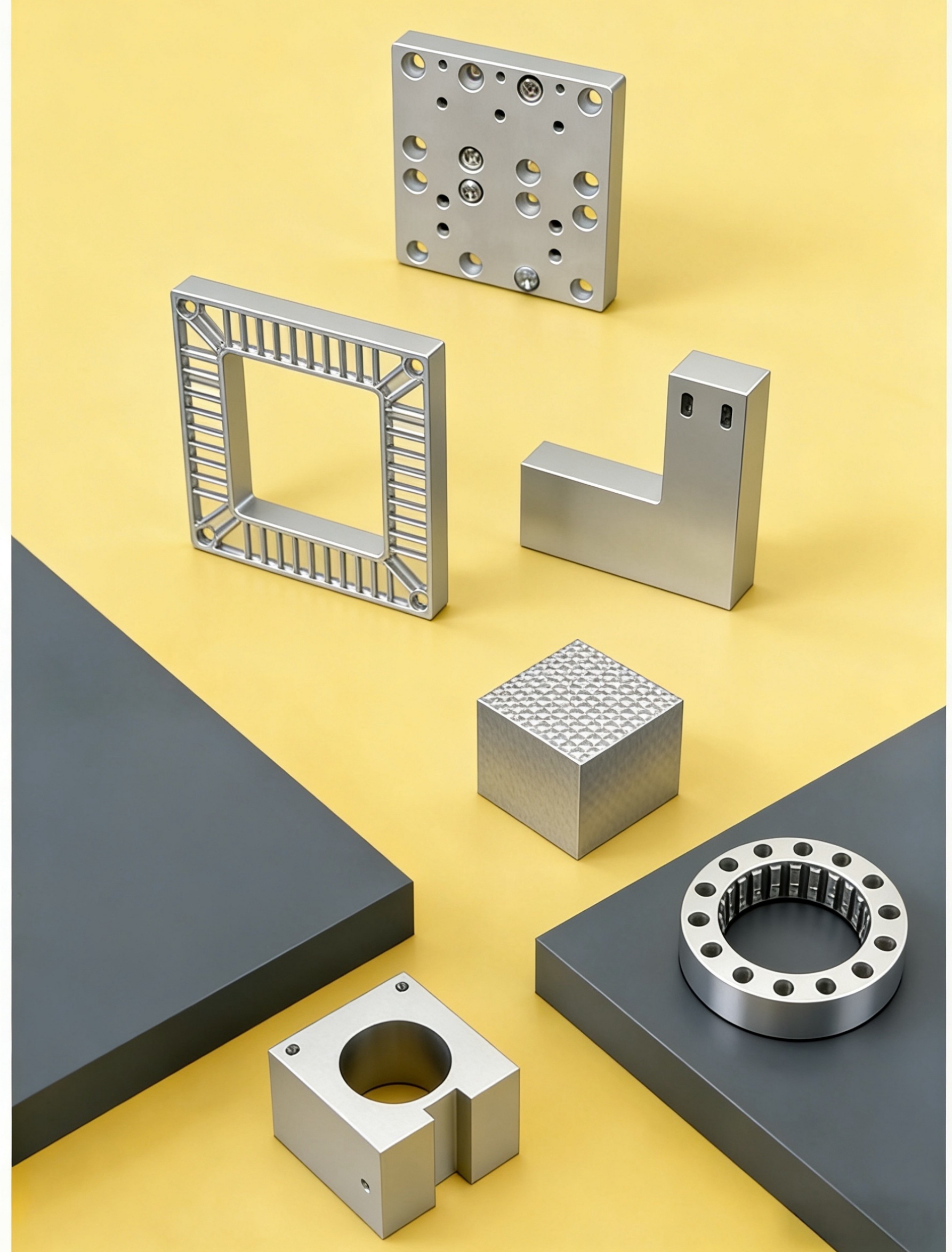
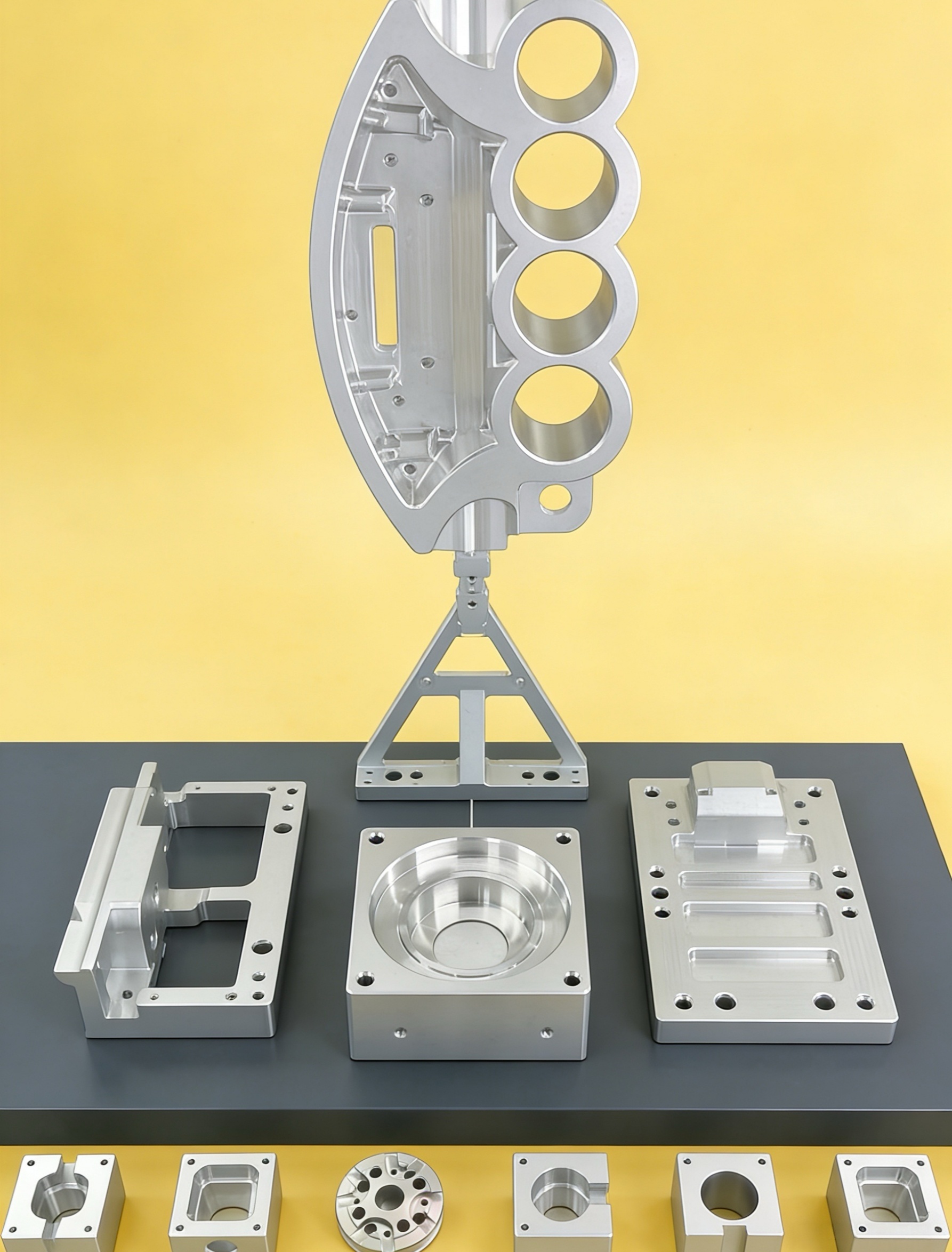
Material Specifications:
| Attribute | Specification |
| Primary Alloy | 6061-T6 |
| Panel Alloy | 5052-H32 |
| Wall Thickness | 3.0-6.0mm |
| Corner Material | 6063-T5 Extrusion |
| Hinge Material | 316 Stainless Steel |
| Latch Material | Zinc Alloy |
| Interior Foam | PE/PU Hybrid |
| Unit Weight | 8-45kg |
| Load Capacity | 150-500kg |
Surface Treatment:
| Process | Specification |
| Anodizing Type II | 20-30μm, RoHS |
| Powder Coating | 60-80μm, ANSI 61 Gray |
| Bead Blasting | #80-#120 grit |
| Brushed Finish | 320-400 grit |
| Chem Film | Alodine 1200s |
| Silk Screening | UV-resistant ink |
Case Study: ATA-Certified Mixer Case for Live Production Tour
A national sound reinforcement company reported a 22% annual damage rate for digital mixing consoles used on a 50-city concert tour. Standard plastic Mixer shell units failed due to latch fatigue, edge impact damage, and inadequate foam compression set, resulting in $18,000 in mixer repairs and three show delays across the tour cycle.
Solution: An engineer-to-order Mixer shell was developed using 5052-H32 aluminum extrusion frames with 9mm Baltic birch panels. This Mixer shell incorporated:
Structural Engineering: The Mixer shell featured CNC-formed aluminum edges with 2.0mm wall thickness and reinforced ball corners. Finite Element Analysis (FEA) confirmed the Mixer Case could withstand 2,500 lbs of stacked load—equivalent to 10 touring racks—without permanent deformation.
Latch System: The Mixer shell utilized recessed, zinc-plated steel twist latches with 1,500+ cycle life certification. Positive locking indicators eliminated field failures common with previous Mixer Case designs where latches would open during transit.
Interior Protection: The Mixer shell received CNC-cut, multi-layer polyethylene foam (2.5 lb/ft³ density) with 50mm compression deflection. This Mixer Case design maintained 25 PSI impact absorption, ensuring mixer faders and circuit boards experienced less than 5 Gs during 1-meter drops per MIL-STD-810G Method 516.7.
ATA Certification: The Mixer shell passed ATA Spec 300 Category I testing, including 100 shipment cycles, 1.2-meter drops on all edges, 6-hour vibration testing at 2.5 Gs, and stack load testing at 2,500 lbs.
Results: Over an 18-month touring cycle across 120 shows, the Mixer shell fleet (n=45 units) achieved a 0.8% damage rate—a 96% reduction compared to previous equipment. The Mixer Case design eliminated latch replacements entirely, reducing annual maintenance costs by $3,200 per touring rig. The Mixer shell also reduced load-in time by 40% due to stackable, wheeled configurations with 100 kg-rated polyurethane casters, directly improving crew efficiency and show readiness. Based on these results, the company standardized all 32 touring productions on this Mixer shell specification, projecting $45,000 in annual damage prevention across the fleet.