Custom Reliable MIM Metal Parts Consumer Electronics Hearing Equipment Accessories
Request a Quote
Enter the quantity you need and add to your quote list for pricing inquiries.
Product Details
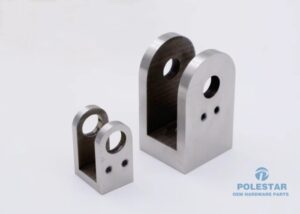
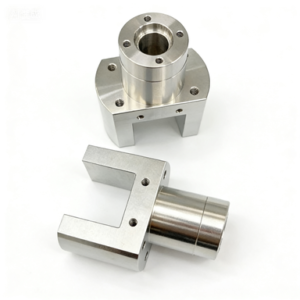
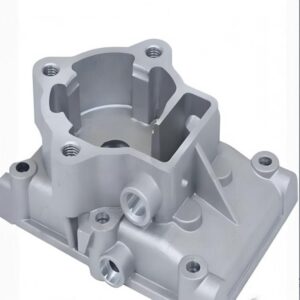
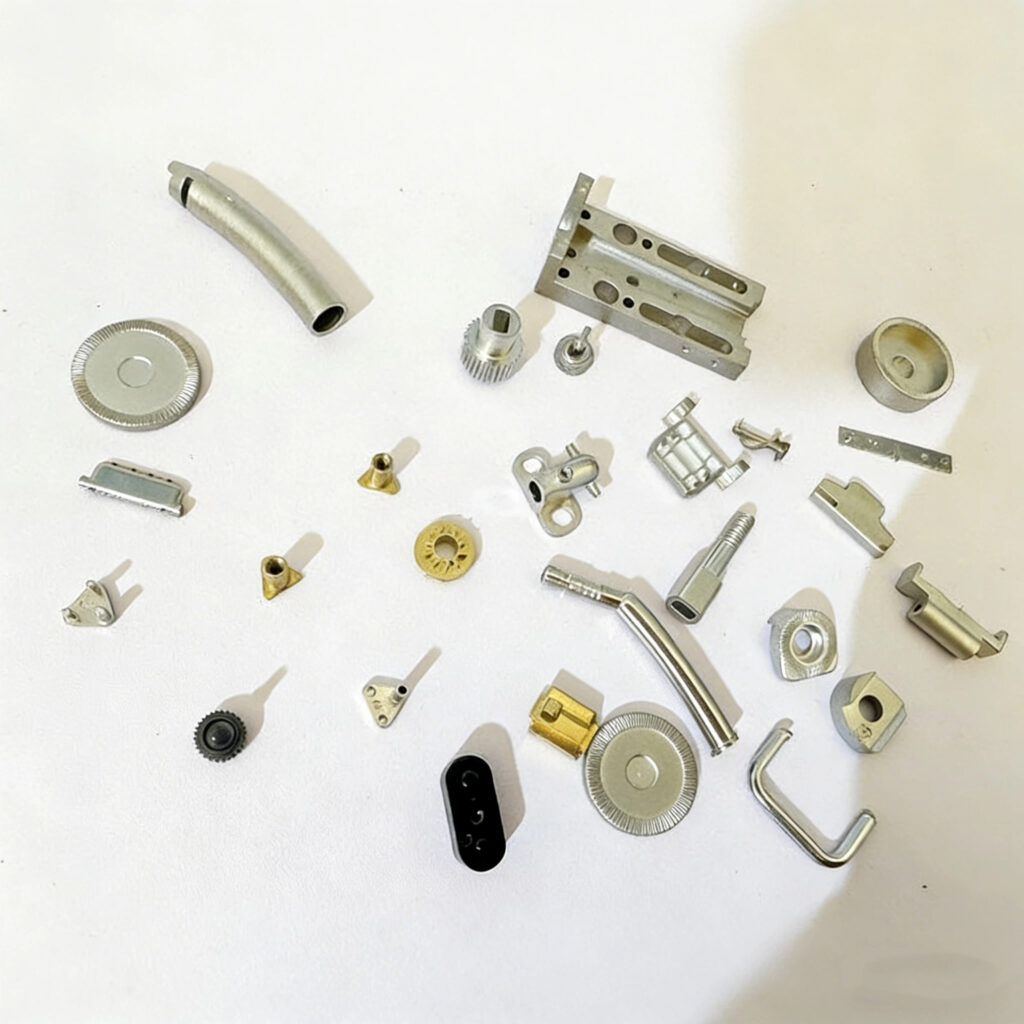
MIM metal parts are precision components manufactured through Metal Injection Molding, combining plastic injection molding’s design freedom with the strength of wrought metals. Ideal for complex, small-to-medium parts (0.3g–250g) at high volumes (5,000+ units/year), achieving tight tolerances (±0.5%) and near-full density.
What are MIM Metal Parts?
MIM (Metal Injection Molding) metal parts are produced by mixing fine metal powder (typically 60% by volume) with a thermoplastic binder (40%) to create a feedstock. This mixture is injection molded into a precision die, forming a “green part.” Subsequent debinding removes the binder, and high-temperature sintering (1,000°C+) fuses the metal particles into a dense, strong component. The process combines the geometric complexity of plastic injection molding with the mechanical properties of machined or forged metals, producing parts with densities exceeding 95–99% of theoretical values.

Material Specifications:
| Material Category | Common Grades | Density (g/cm³) | Tensile Strength (MPa) | Key Applications |
| Stainless Steel | 316L, 17-4PH, 304L, 420, 410L | 7.6–7.9 | 480–1,100 | Medical, aerospace, automotive, firearms |
| Low-Alloy Steel | 4605, Fe-2Ni, 4140, 4340, 8620 | 7.4–7.8 | 450–1,200 | Gears, structural components, automotive |
| Titanium Alloys | Ti-6Al-4V, CP-Ti | 4.4–4.5 | 900–1,000 | Aerospace, medical implants, lightweight parts |
| Copper Alloys | C110, Cu-Ni-Sn | 8.4–8.9 | 200–500 | Electrical connectors, thermal management |
| Cobalt Alloys | Co-Cr-Mo (ASTM F75), Stellite 6 | 8.3–8.9 | 650–1,200 | Medical implants, turbochargers, wear parts |
| Tungsten Heavy Alloys | W-Ni-Fe, W-Cu | 17–18.5 | 600–900 | Radiation shielding, counterweights, thermal mgmt |
| Tool Steel | M2 (SKH51), D2, H13 | 7.6–8.0 | 1,200–2,000 | Cutting tools, wear-resistant parts |
| Magnetic Alloys | Fe-50Ni, Fe-49Co-2V | 7.8–8.2 | 400–800 | Sensors, magnetic cores, actuators |
| Nickel Superalloys | Inconel 625/718, Hastelloy | 8.2–8.5 | 800–1,200 | High-temperature, corrosion-resistant parts |
Surface Finishes:
| Finish | Method | Characteristics | Typical Thickness |
| As-Sintered | Direct from sintering furnace | Matte gray; Ra < 3 µm | N/A |
| Bead Blasting | Glass or ceramic media | Uniform matte; hides surface imperfections | N/A |
| Mirror Polishing | Mechanical/electrochemical | Reflective finish; smooth (Ra 0.1–0.4 µm) | N/A |
| Passivation | Chemical treatment | Removes free iron; enhances corrosion resistance | N/A |
| Electropolishing | Electrochemical | Bright finish; removes burrs; improves cleanability | 0.005–0.025 mm removed |
| Electroplating | Chrome, nickel, copper, silver, gold | Decorative; wear/corrosion resistance | 3–50 µm |
| Burnishing (Black Oxide) | Chemical conversion | Black finish; mild corrosion resistance | < 2 µm |
| PVD Coating | Physical vapor deposition | Hard coating; decorative colors | 1–5 µm |
Applications:
| Industry | Typical Components | Part Weight | Key Requirements |
| Medical & Dental | Surgical instruments, orthodontic braces, hearing aid components, implantable devices | 0.5–50 g | Biocompatibility (ISO 13485); corrosion resistance |
| Aerospace | Turbine blades, engine components, structural brackets | 10–150 g | High strength-to-weight; AS9100; traceability |
| Automotive | Transmission parts, turbocharger components, engine sensors, locking systems | 5–200 g | High wear resistance; IATF 16949; fatigue strength |
| Consumer Electronics | Smartphone hinges, camera parts, micro hinges for eyewear, connector pins | 0.3–20 g | Miniaturization; high volume; cosmetic finish |
| Firearms | Cartridge cases, trigger assemblies, safety selectors, sights | 2–50 g | High strength (100,000+ psi); reliability |
| Industrial Machinery | Gears, pneumatic components, tool holders, pump parts | 10–200 g | Wear resistance; dimensional stability |
| Defense | Ordinance components, communication housings, tactical equipment | 10–150 g | MIL-SPEC; ruggedness; traceability |
| Jewelry & Watchmaking | Watch cases, bracelet links, decorative components | 1–50 g | Fine detail; aesthetic finish; precious metals |
Best Practice Application Example:
Scenario: Micro hinge component for high-end foldable smartphone – converting from MIM metal parts.
A consumer electronics OEM faced production constraints manufacturing titanium alloy micro hinges for a new foldable smartphone. The original CNC machining process required 12 minutes per hinge, generated 85% material waste, and limited production to 8,000 units/month—insufficient for projected demand of 500,000 units/month. The hinge required ±0.02 mm tolerances with wall thickness as low as 0.25 mm .
Selected Solution: The engineering team transitioned to MIM metal parts using Ti-6Al-4V titanium alloy.
Process Parameters:
Feedstock: Ti-6Al-4V powder (D90 < 22 µm) + proprietary binder system
Injection molding: 4-cavity tool; cycle time 12 seconds per shot
Debinding: Catalytic debinding at 120°C for 4 hours
Sintering: Vacuum sintering at 1,260°C for 3 hours; density > 98%
Secondary: Electropolishing removes 0.01 mm material; achieves Ra 0.4 µm
Results:
Cycle time reduction: From 12 minutes (CNC) to 3 seconds per hinge (MIM)—99.6% reduction
Material utilization: > 95% (vs. 15% with CNC machining)
Production capacity: 1 million units/month (125× increase)
Cost per part: $0.85 (vs. $4.20 CNC)—80% reduction
Quality: 99.7% yield; tolerances maintained across 5 million parts
Lead time: 8 weeks (tooling) + 2 weeks (production vs. 12 weeks CNC)
Product Advantages:
- Complex geometries of MIM metal parts: Achieves undercuts, thin walls (down to 0.2 mm), internal threads, and intricate details impossible with machining
- Cost efficiency of MIM metal parts: 25–65% lower cost than conventional manufacturing for complex parts at volumes >5,000 units/year
- Material properties of MIM metal parts: Density > 95–99% of wrought; mechanical strength comparable to forging
- Tight tolerances of MIM metal parts: ±0.3–0.5% dimensional accuracy; further precision via secondary operations
- High volume of MIM metal parts: Economical from 5,000 to millions of units annually
- Material versatility of MIM metal parts: Stainless steels, titanium, copper, cobalt, tungsten, nickel alloys
- Surface finish options: As-sintered (Ra < 3 µm) to mirror polish; plating; passivation
Why Choose Us?
- ISO 9001, ISO 13485, AS9100 certified facilities with full material traceability
- 30+ years MIM expertise across automotive, medical, aerospace, and consumer electronics
- In-house tooling design and manufacturing – faster iterations, lower costs, reduced lead times
- Full-process capability: Feedstock development → injection → debinding → sintering → secondary finishing → assembly
- Quality assurance: CMM inspection, tensile testing, density verification, 100% visual inspection for critical applications
- Scalable production: Prototypes to millions of parts annually; 0.3g–250g part weight range