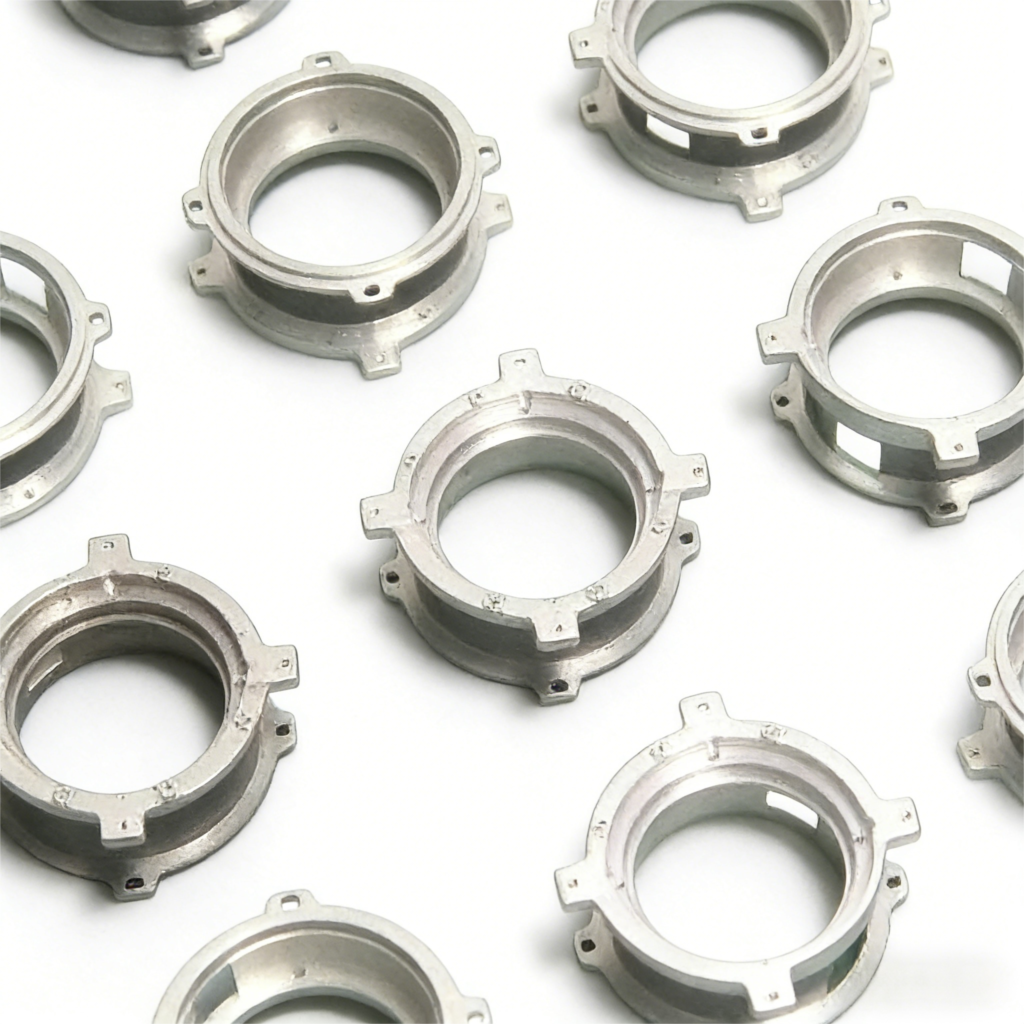
Reliable CNC Machining Mechanical Seal Ring Corrosion Resistant Steel Alloy Seal Ring
Request a Quote
Enter the quantity you need and add to your quote list for pricing inquiries.
Product Details
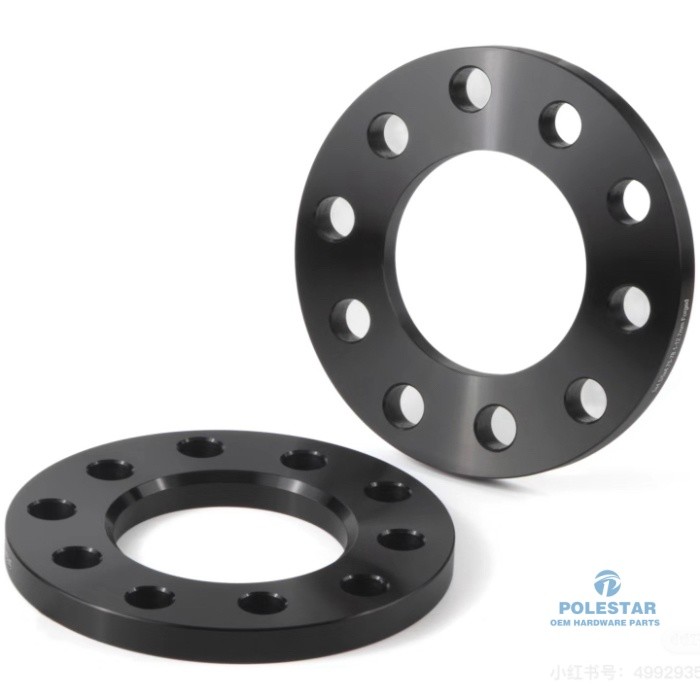
Mechanical seal rings are precision-engineered components that prevent fluid leakage in rotating equipment. Operating through perpendicular end-face pairs maintained by fluid pressure and spring compensation mechanisms, these critical consumables directly determine equipment runtime and maintenance costs for pumps, compressors, and agitators—representing a high-value category in MRO procurement.
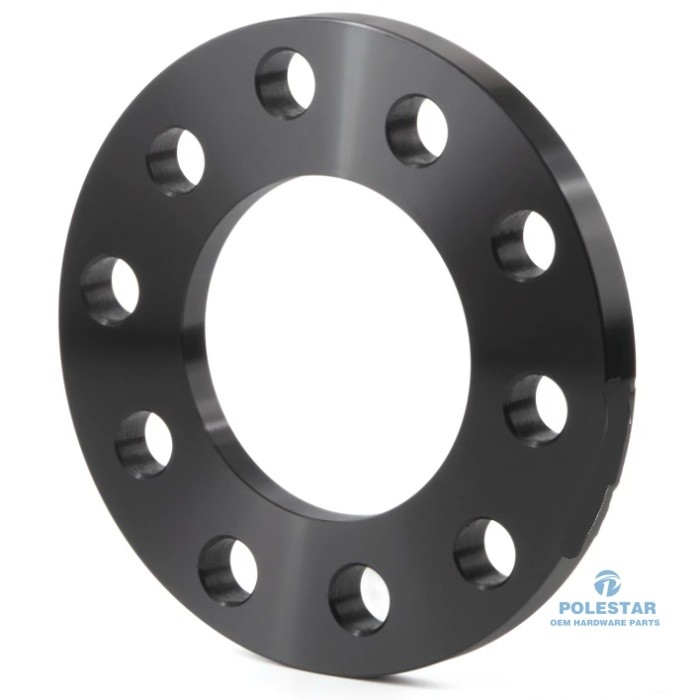
What is a Mechanical Seal Ring?
A mechanical seal ring constitutes the core friction-pair element in mechanical seal assemblies, typically deployed in matched sets (rotating ring and stationary ring). Its working principle involves precision-lapped end faces forming micron-level fluid films that enable dynamic sealing during rotation. This technology replaces conventional packing seals, reducing leakage by over 90% while extending service life 3-5 times. Structural variants include single, double, and cartridge seal configurations, accommodating operating temperatures from -196°C to 450°C.
Material Specifications:
| Material Type | Characteristics |
| Silicon Carbide (SiC) | Diamond-hard, exceptional wear resistance, withstands concentrated acids/bases, high thermal conductivity—ideal for high-speed, high-pressure applications |
| Tungsten Carbide (WC) | Superior impact resistance, particle-tolerant, standard for sewage and slurry pumps handling solid-laden media |
| Alumina Ceramic (Al₂O₃) | Cost-effective, electrically insulated, compliant with food-grade and pharmaceutical clean-media requirements |
| Graphite/Carbon Graphite | Self-lubricating, low friction coefficient, thermal shock resistant—typically deployed as the softer pairing ring |
| Stainless Steel (316/316L) | Base material with Stellite alloy overlay welding for enhanced abrasion and corrosion resistance |
Surface Treatment Processes:
- Electroless Nickel Plating (ENP): Uniform dense coating, 15-25μm thickness, HV500-600 hardness, ≥500 hours salt spray resistance
- Physical Vapor Deposition (PVD): TiN/TiAlN coatings, 2-5μm thickness, HV2000+ surface hardness, 40% friction reduction
- HVOF Tungsten Carbide Thermal Spray: <1% coating porosity, >70MPa bond strength, engineered for extreme erosion environments
- Laser Cladding: Localized seal face reinforcement with metallurgical bonding to substrate, significantly enhanced thermal shock performance
Application Sectors:
- Petrochemical: High-temperature high-pressure pump trains in refining, ethylene cracking, and PTA production lines
- Power Generation: Boiler feedwater pumps, circulating water pumps, and nuclear island main pumps requiring nuclear-grade sealing
- Pharmaceutical & Food: CIP/SIP-compatible hygienic sterile seals meeting FDA/3A standards
- Water Treatment: Submersible agitators and sewage pumps in municipal and industrial wastewater applications
- Marine & Offshore: Seawater-resistant sealing solutions for desalination and ballast pumps
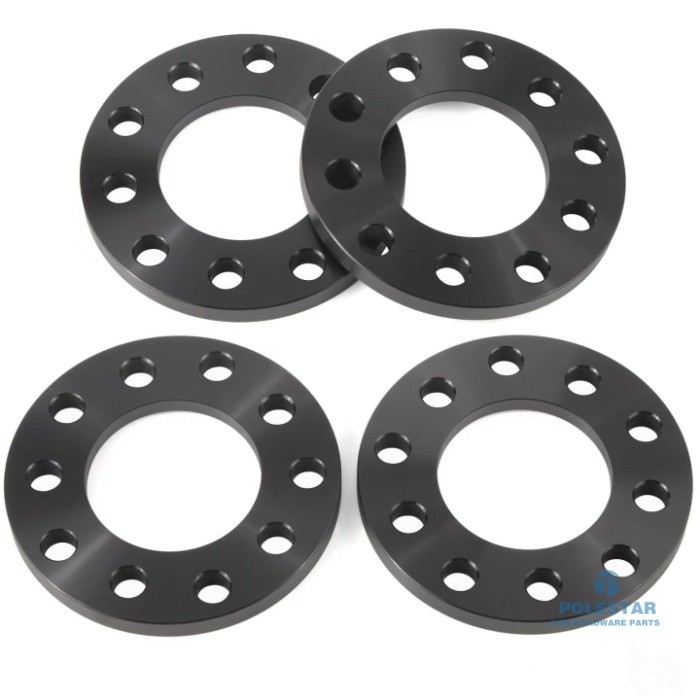
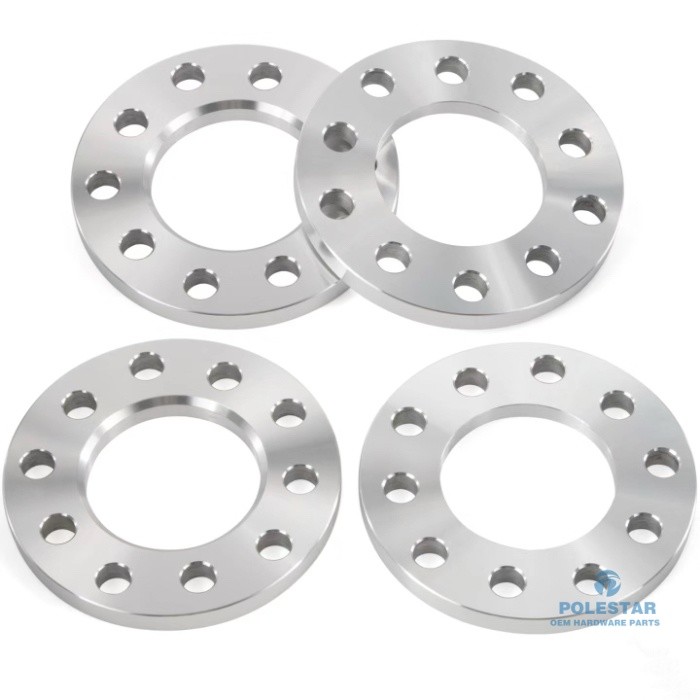
Case Study: API 682 Mechanical Seal Ring
Selected Solution:
A Gulf Coast refinery processing high-acid crude (TAN >3.0) faced seal failures every 90-120 days in crude charge pumps. Root causes: sulfuric acid corrosion, solid particulate abrasion (800-1200 ppm sand), and thermal cycling (280°C peak).
Our team specified reaction-bonded silicon carbide (RB-SiC) stationary seal faces with laser-microtextured surface topography, paired with antimony-impregnated carbon graphite rotating rings. The SiC mechanical seal rings featured 20-μm groove depth for hydrodynamic lift, reducing face loading 35%. Rotating carbon mechanical seal rings used 25% antimony impregnation, achieving 45 W/m·K thermal conductivity and 280 MPa compressive strength for 18-bar suction pressure. Delivered in API 682 mechanical seal rings cartridge configuration with Plan 53A dual seal system.
Results:
1. 26 months continuous service — 780% MTBR improvement
2. Zero emissions per EPA Method 21 (<500 ppmv)
3. 94% maintenance cost reduction ($127,000 annual savings)
4. 8 emergency shutdowns eliminated, preventing $2.4M lost production
5. Seal face wear: 0.8 μm/month vs. 12 μm/month (previous WC/carbon pairing)
6. 11% power consumption reduction from optimized face lubrication
Payback period under 4 months. Now specified as standard mechanical seal face material for all high-TAN crude services across 12-facility network.
Product Advantages:
- Material Traceability: XRD phase analysis reports provided per batch, guaranteeing >98% α-SiC content
- Precision Manufacturing: Flatness ≤0.0003mm, surface roughness Ra≤0.1μm, meeting API 682 Grade 1 specifications
- Condition Simulation Validation: High-temperature high-pressure test benches simulating -50°C to 400°C, vacuum to 20MPa
- Rapid Response Logistics: North American warehousing, 48-hour delivery for standard configurations, 24-hour technical support for emergency conditions
Why Partner With Us?
As a ThomasNet-certified supplier, we deliver full-lifecycle technical support spanning material selection, failure analysis, and field installation. All products carry ISO 9001 and API Q1 quality certifications, with critical nuclear-grade seals holding ASME N-Stamp accreditation. Technical documentation supports direct CAD/CAM integration, accelerating your design validation cycles.